Somerville Water Damage Restoration
A wet floor can hide a larger loss beneath cabinets, behind plaster or downstairs. Somerville cleanup starts by identifying the source and following the water through affected materials.
(888) 629-3140Discuss the wet rooms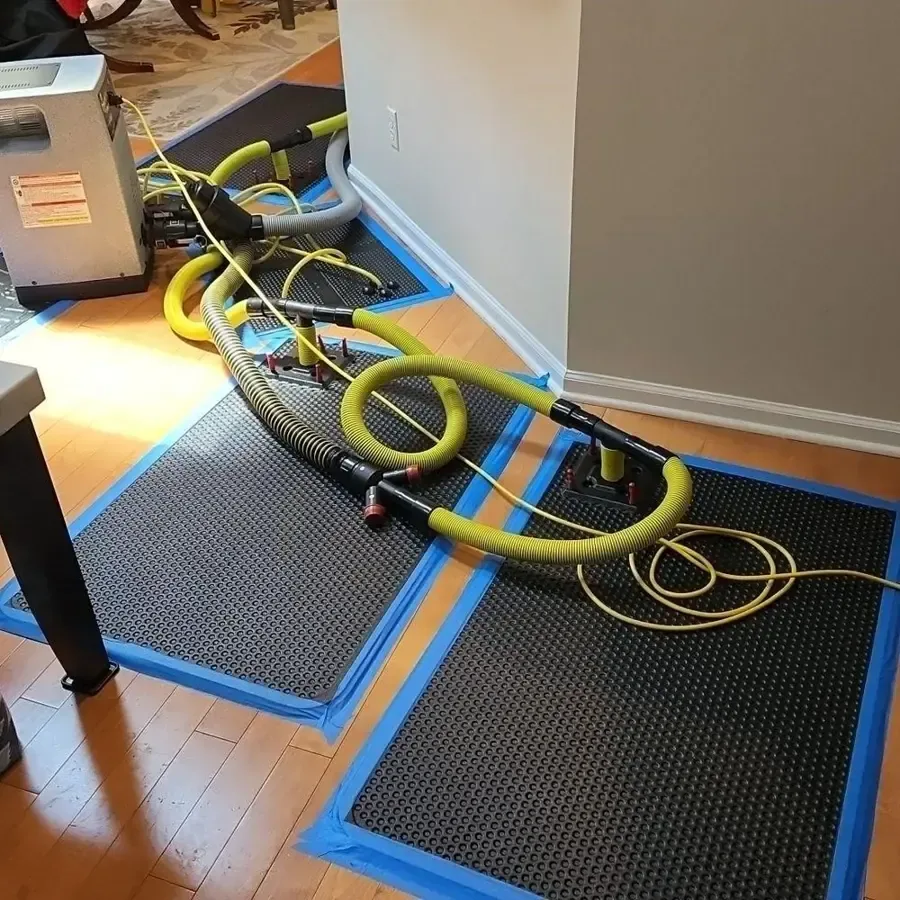
A clear reason for every drying action
A useful cleanup plan connects visible damage with material readings and access conditions. Homeowners should understand why an area needs opening, why equipment stays, and what marks completion.
The cleanup changes with the contamination
Supply water release
A broken pipe needs isolation and a check of every material reached. The initial source and later contact both matter during assessment.
Trace a pipe releaseUsed appliance water
Appliance discharge may carry residues into cabinet bases or flooring. Cleaning decisions depend on the escaped water and the surfaces it has touched.
Inspect appliance spreadWastewater entering rooms
Sewage requires restricted access, controlled removal and careful disposal decisions. Household fans should stay off until the affected area has been assessed.
Contain a sewage backupCleanup shaped around the source and materials
Choose the problem closest to the damage. Each service explains what needs inspection, how wet materials are handled, and which separate repair may stop further water entry.
Water Extraction and Removal
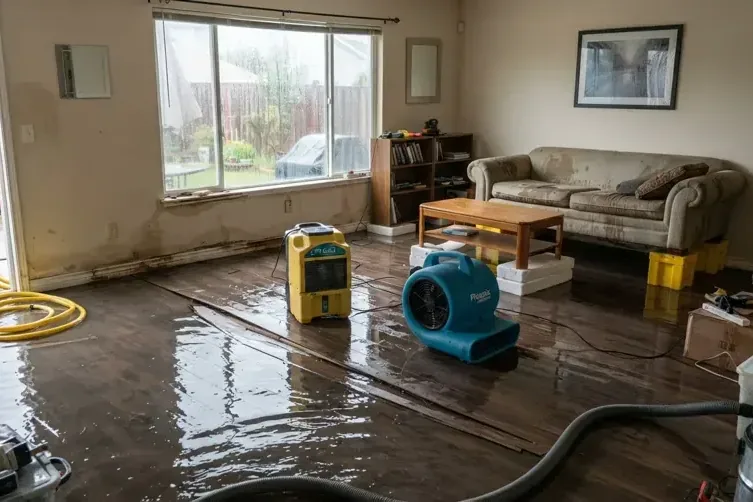
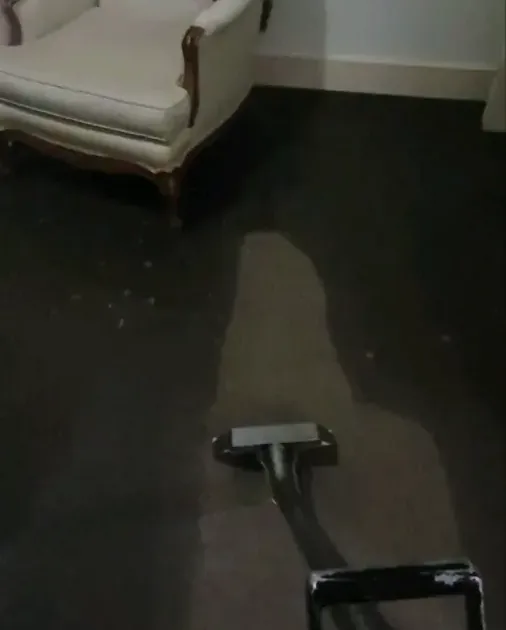
Standing water near doorways can extend into adjoining rooms. Extraction clears accessible surfaces before hidden edges, carpet backing and floor assemblies receive closer attention.
Water Extraction and Removal details ›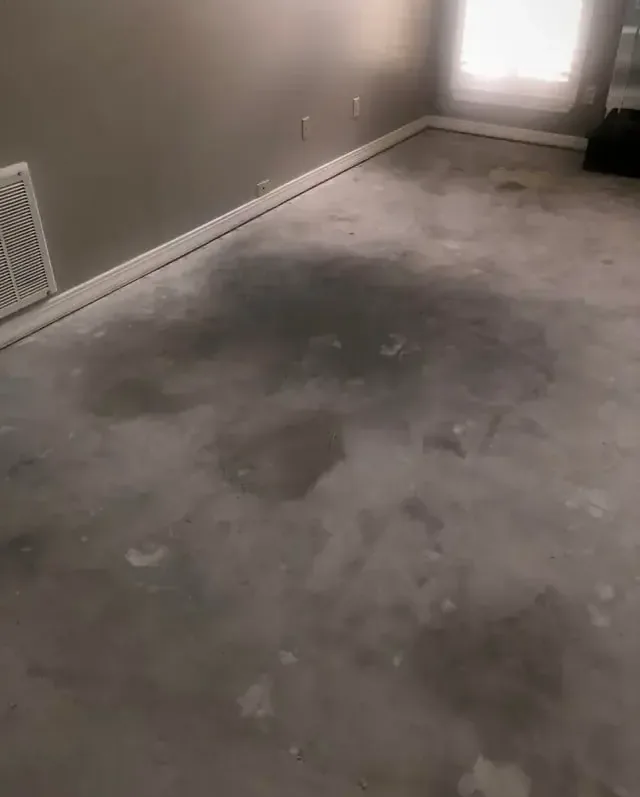
Slab Leak Water Damage
A damp concrete patch needs source tracing before cutting begins. Inspection connects the plumbing repair area with the surrounding flooring and wall drying requirements.
Slab Leak Water Damage details ›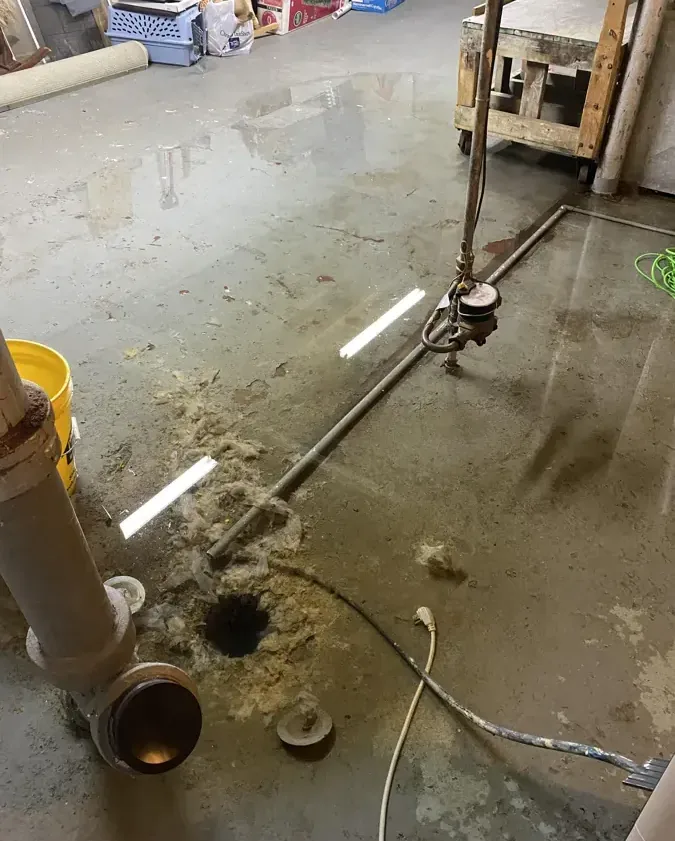
Sewage Backup Cleanup
Wastewater demands a controlled work area. Removal, disposal decisions and cleaning follow the actual contamination path, including materials reached beneath furniture or stored belongings.
Sewage Backup Cleanup details ›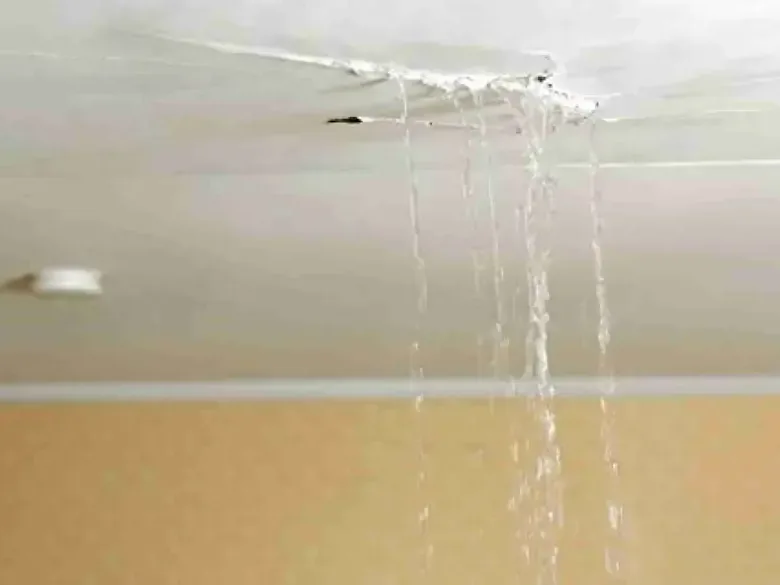
Burst Pipe Water Damage
A split supply pipe can wet several building layers rapidly. Once plumbing flow stops, cleanup follows the release through cavities, finishes and lower rooms.
Burst Pipe Water Damage details ›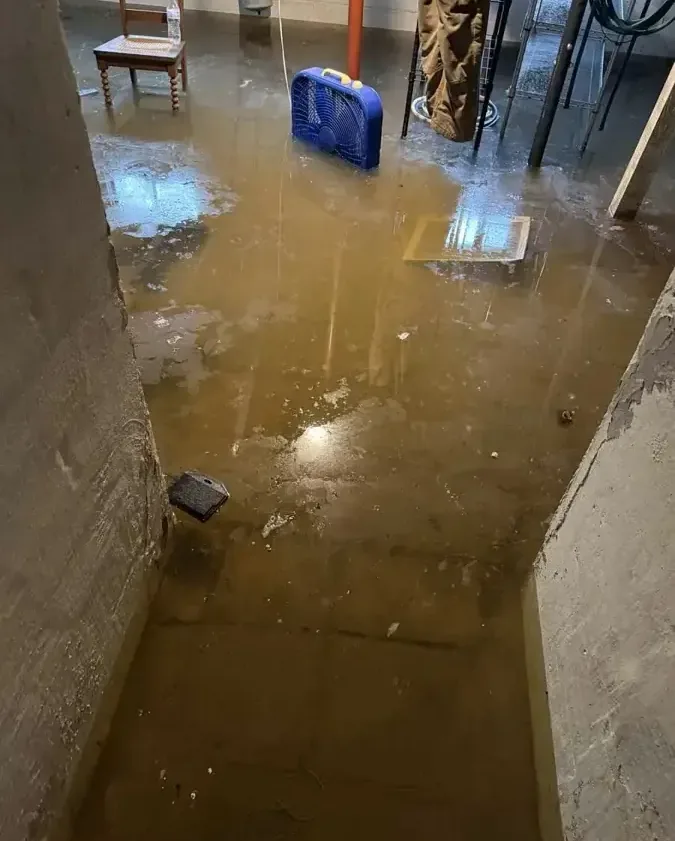
Storm and Flood Cleanup
Water entering during rain needs an entry assessment and contamination check. Mud, soaked contents and wet lower walls each require a deliberate cleanup sequence.
Storm and Flood Cleanup details ›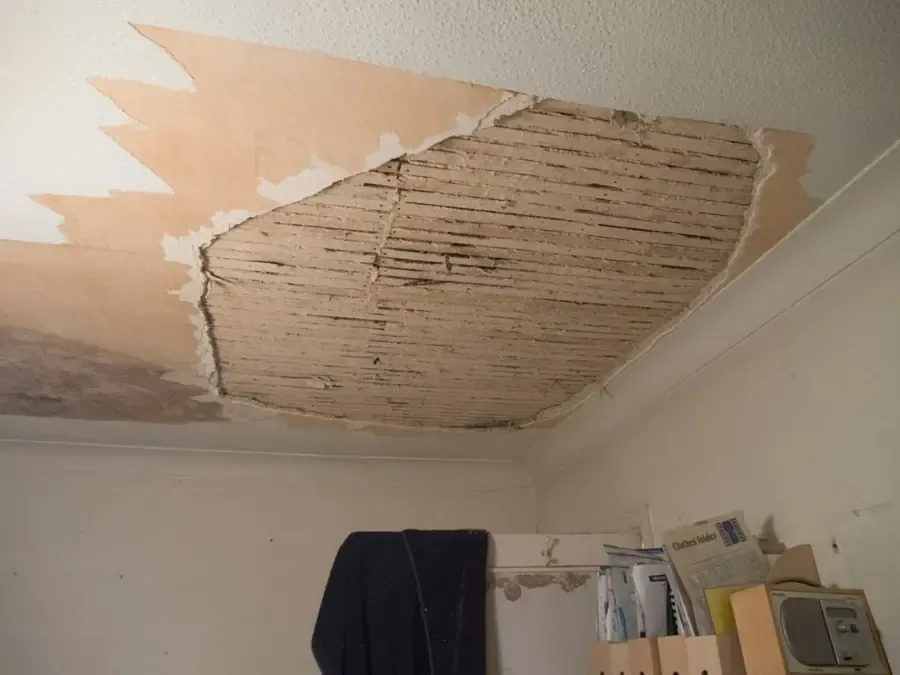
Roof Leak Water Damage
Roof entry can leave insulation and ceiling materials damp after rain ends. Interior work follows the moisture route while exterior repairs address the opening.
Roof Leak Water Damage details ›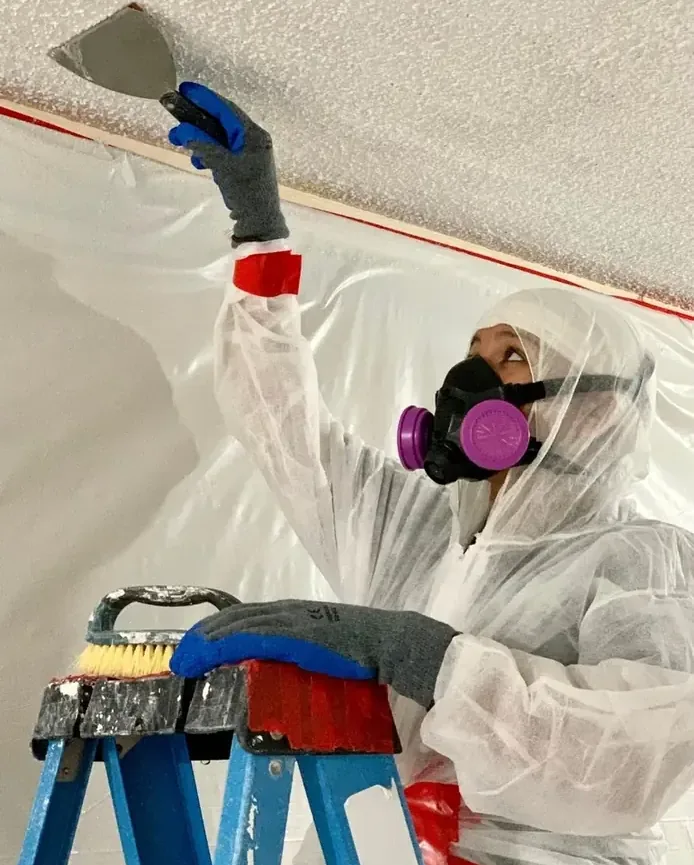
Ceiling Leak Water Damage
A sagging ceiling needs space kept clear beneath it. Inspection above the stain establishes which materials can dry and which damaged sections need removal.
Ceiling Leak Water Damage details ›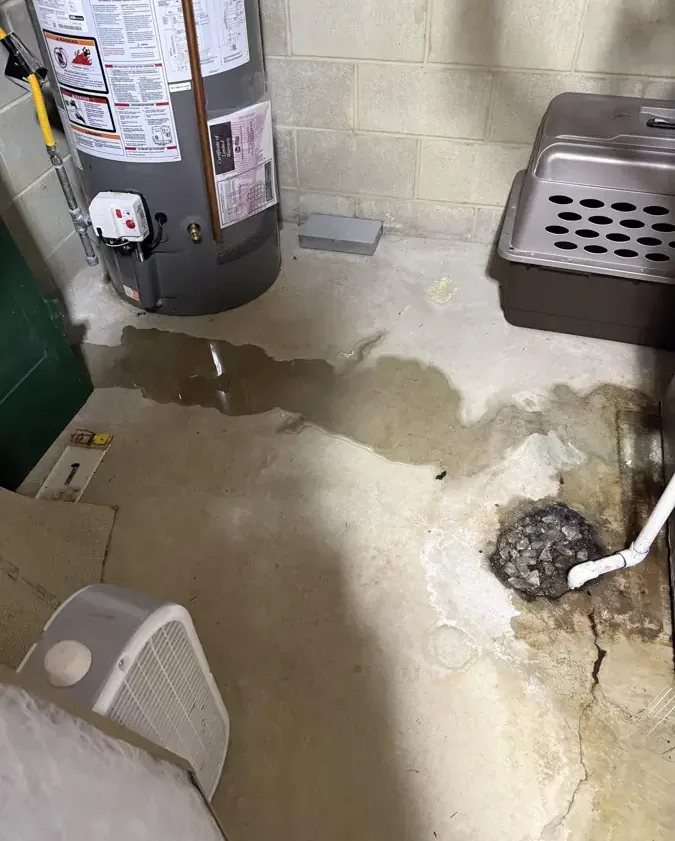
Water Heater Leak Cleanup
A leaking tank can send water beyond the utility area. Cleanup includes nearby partitions, stored items and floor edges after the heater receives attention.
Water Heater Leak Cleanup details ›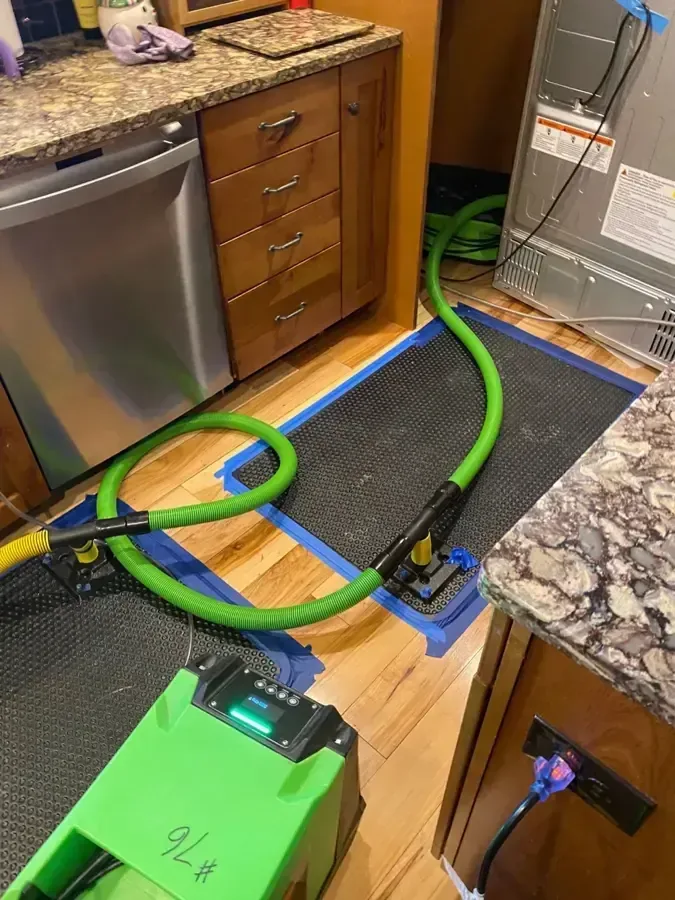
Appliance Leak Water Damage
Dishwasher or washer water may disappear under cabinets. Accessible extraction and checks behind the appliance help reveal moisture concealed beneath finished surfaces and trim.
Appliance Leak Water Damage details ›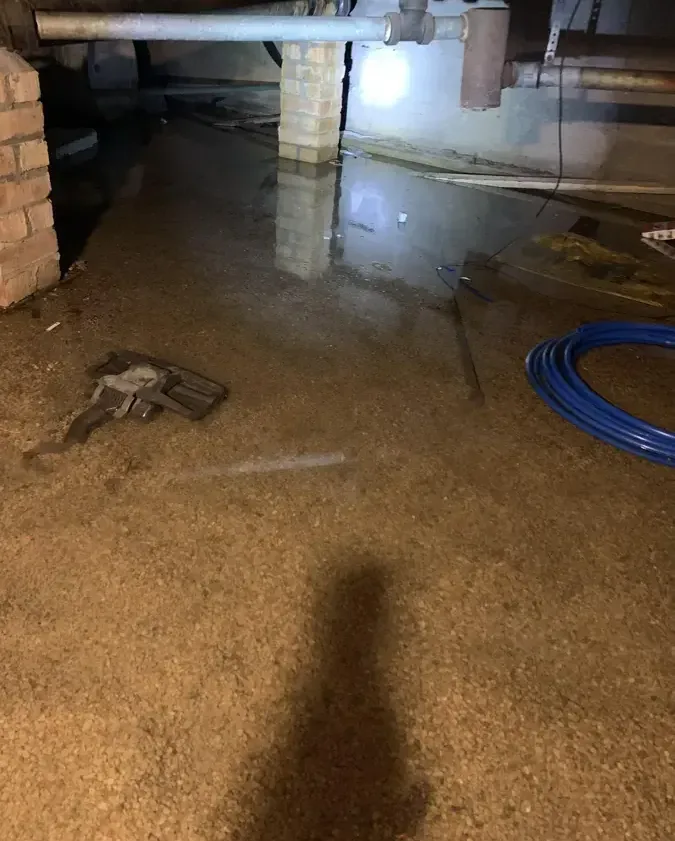
Crawl Space Water Removal
Underfloor water requires safe access and a source investigation. Where a crawl space exists, insulation, timber and nearby pipes need inspection alongside water removal.
Crawl Space Water Removal details ›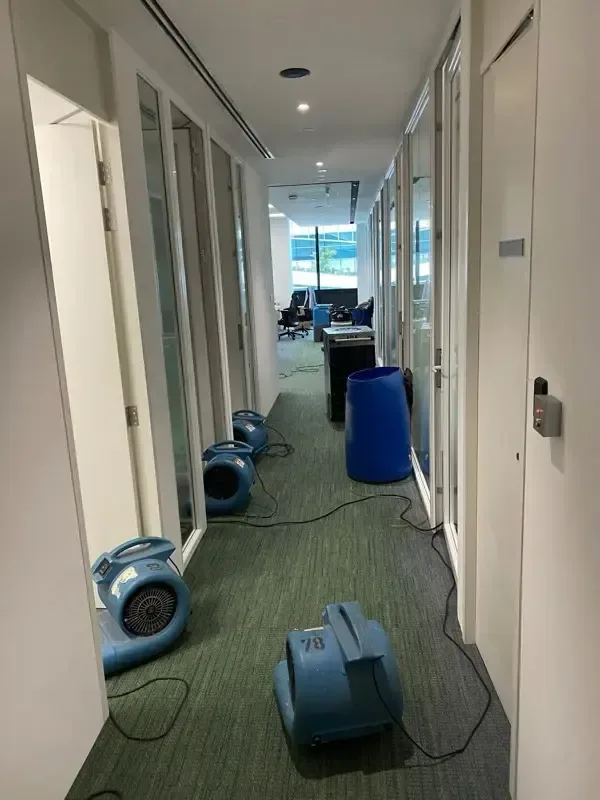
Structural Drying and Dehumidification
Drying decisions depend on readings from the materials themselves. Equipment placement changes as walls, floors and concealed assemblies release moisture into the surrounding air.
Structural Drying and Dehumidification details ›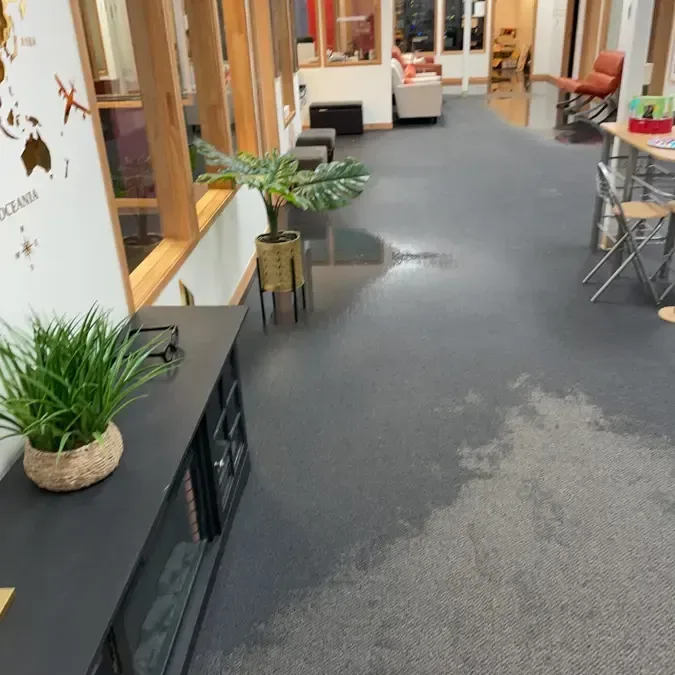
Commercial Water Damage
Occupied business premises need a workable access plan. Cleanup separates affected stock and equipment from drying zones while managers coordinate necessary repairs and records.
Commercial Water Damage details ›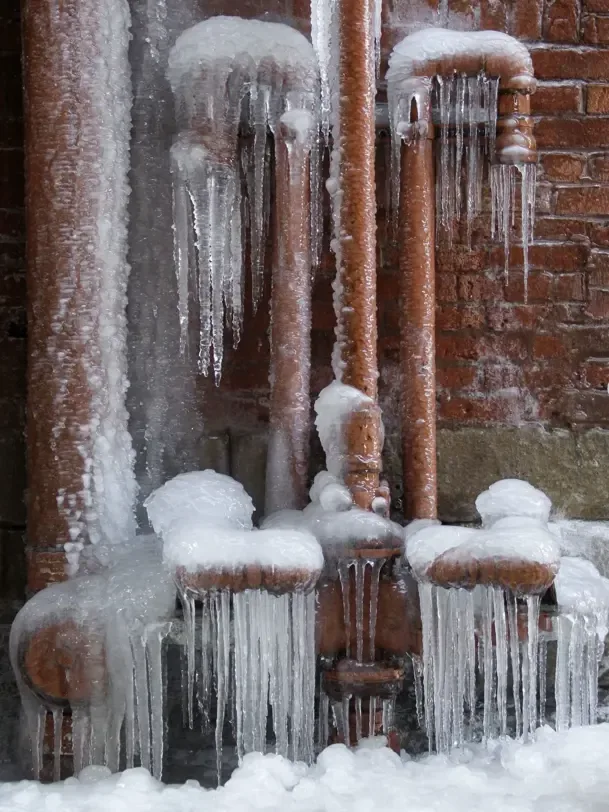
Frozen Pipe Water Damage
Thawing can reveal a split that remained hidden while ice blocked flow. Assessment includes the wet cavity and other vulnerable plumbing before finishes close.
Frozen Pipe Water Damage details ›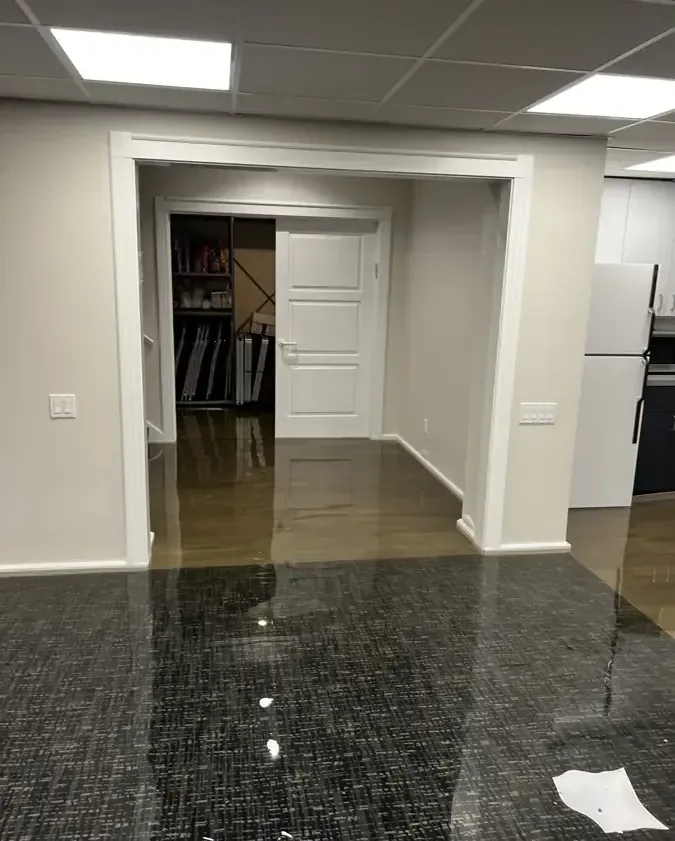
Basement Water Removal
Lower rooms collect water from several possible sources. Pumping is paired with checks of stored contents, wall bottoms and equipment exposed during the event.
Basement Water Removal details ›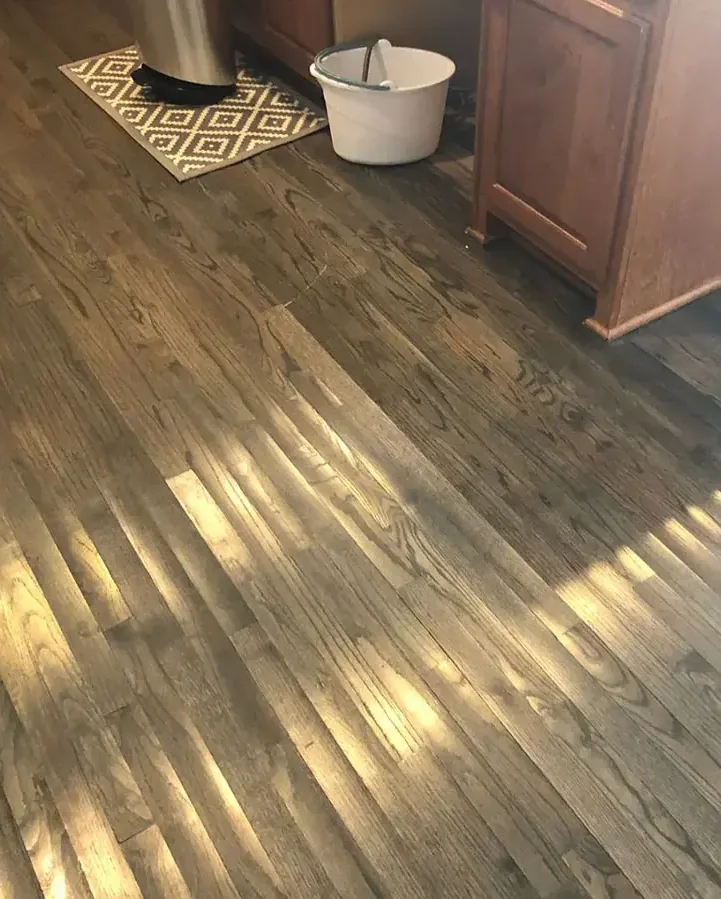
Hardwood Floor Water Damage
Cupped boards need more than surface wiping. Flooring thickness, underside moisture and subfloor condition help determine whether controlled drying or selective removal makes sense.
Hardwood Floor Water Damage details ›Make the room safe and preserve the details
Keep people outside
Restrict access to wet rooms, especially where water reaches cords, sockets or ceiling fixtures. Electrical safety needs assessment before anyone crosses a flooded floor.
Stop avoidable supply flow
An accessible shutoff may limit a plumbing release when it can be reached from dry ground. A plumber should address the damaged fixture or pipe.
Photograph from a safe position
Capture the water source, floor spread and damaged belongings before changes begin. Keep original images together so the sequence remains clear during later conversations.
Separate clean possessions
Move dry belongings away from the affected boundary when access is safe. Avoid carrying wastewater contamination into a clean hallway, bedroom or storage area.
Describe the building access
Identify stairs, locked rooms and any occupied spaces adjoining the damage. Those details help shape removal routes, equipment placement and the first inspection.
Follow the water, then verify the materials
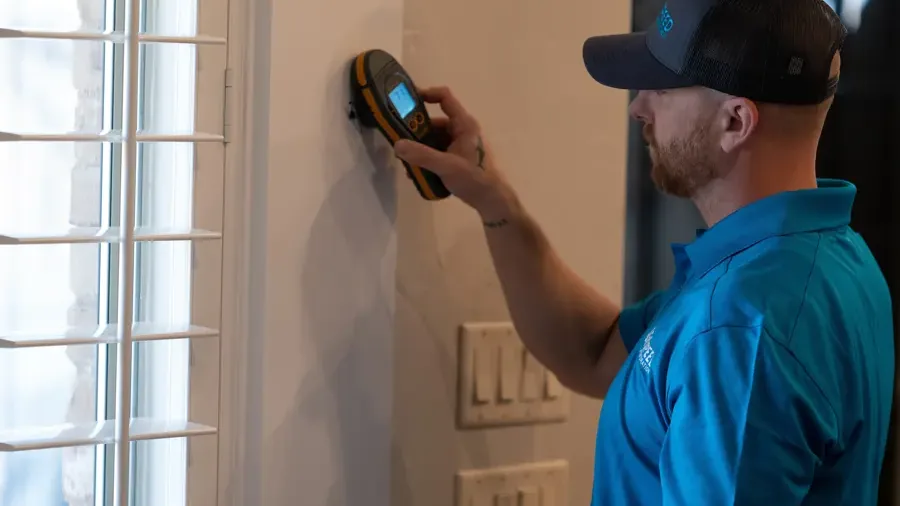
A room can look normal while its concealed layers remain damp. Cleanup follows a documented sequence so extraction, cleaning, cavity access and drying support the same practical repair plan.
Locate the release
Establish whether water came from plumbing, weather or drainage. Identify any active entry before equipment is placed and document the surfaces involved in the inspection.
Reduce the wet load
Remove accessible water and separate damaged contents. Saturated materials that cannot remain are addressed before drying equipment is expected to manage the room's remaining moisture.
Reach concealed moisture
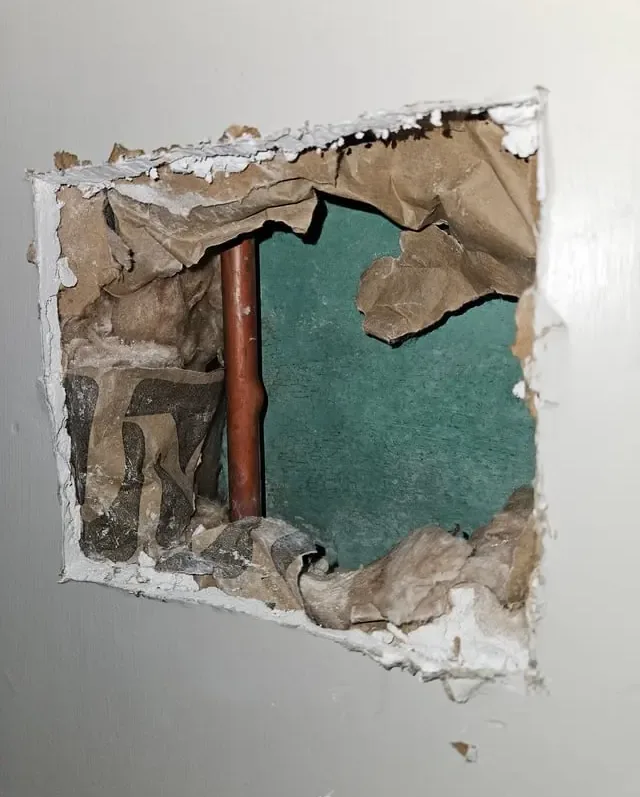
Check interfaces behind trim, below flooring and inside affected cavities. Openings should serve a specific inspection or drying need rather than extend beyond the wet boundary.
Check the drying outcome
Compare material conditions with the intended drying goals. Explain any unfinished repairs before coverings or finishes return and retain records of the completed moisture checks.
Neighborhood details help describe the property
Squares and streets within the city
City ZIP codes
Other service areas
Explain the water problem before arranging access
Gilman Square meets Medford Street, Pearl Street and Marshall Street. A neighborhood reference helps identify the location, while building access and the affected floor shape the cleanup discussion.
Describe whether the loss is in a residence or business, what remains wet and whether a repair professional has stopped the source. Include any restrictions on entry.
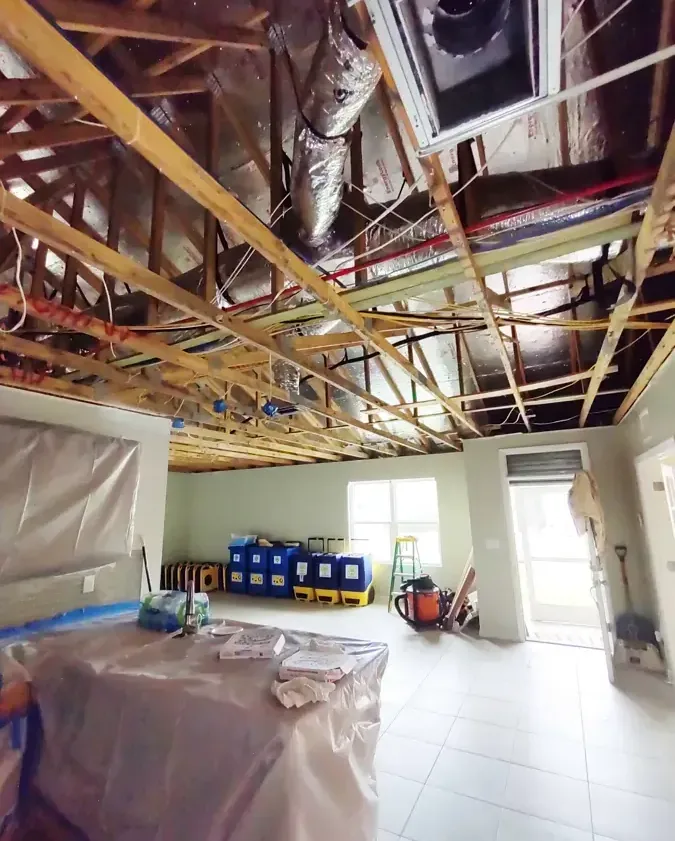
(888) 629-3140Discuss access and the affected floorWater removal, exposed cavities and drying equipment
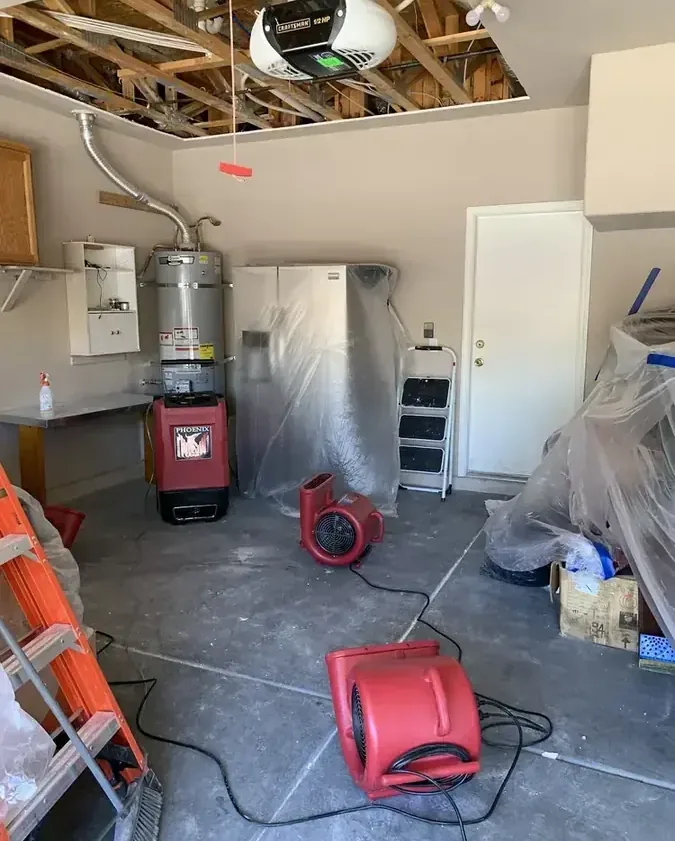
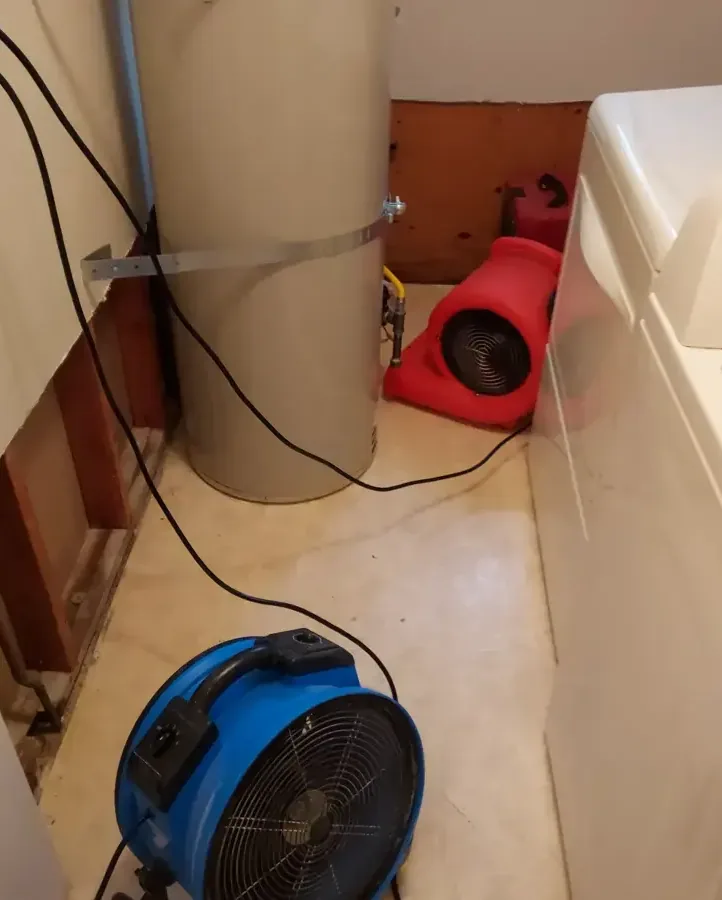
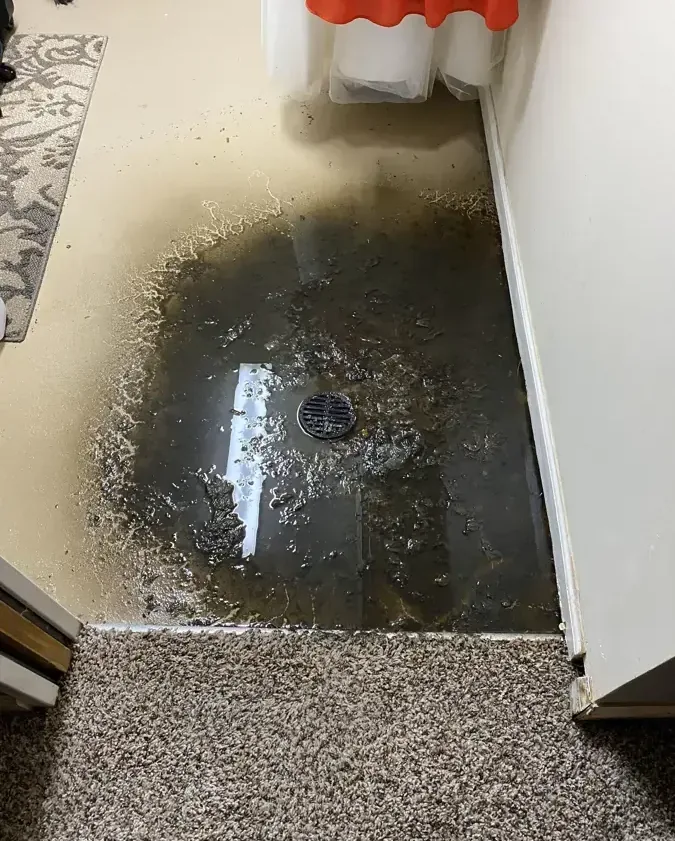
How a water loss is handled
Defined wet boundary
Room edges receive attention alongside the obvious puddle. Trim, adjoining closets and the ceiling below can reveal water movement that changes the extent of the work.
Material specific choices
Plaster, carpet backing, insulation and timber hold moisture differently. The assessment distinguishes materials suitable for drying from damaged or contaminated components that require removal before restoration.
Recorded adjustments
Equipment arrangements should follow changing conditions. Repeated observations explain why airflow moves, why a cavity is exposed or why drying continues after the floor appears clear.
Practical handover
A final discussion identifies completed cleanup, outstanding plumbing or roofing repairs and surfaces still awaiting reconstruction. Written records help the property owner keep those responsibilities separate.
Records for the claim discussion
Photographs, dates and a clear description of the source help explain a water loss. Policy decisions remain with the insurer, while cleanup records describe the work performed.
- Photographs showing the original water spread
- Notes about discovery and source isolation
- A list of affected household belongings
- Separate invoices for plumbing and cleanup
- Material readings recorded during the drying
When paying for cleanup directly
A written scope helps compare proposals even without a claim. The owner can ask which materials remain, what removal is included and how drying completion will be documented.
An apparent low price may cover extraction alone. Clarify the treatment of wet cavities, disposal, equipment monitoring and later rebuilding before deciding how the work will proceed.
What changes a Somerville water damage estimate?
The affected materials usually matter more than the visible puddle. An estimate considers how far water traveled, whether contamination is present, which cavities need access and how much drying remains after extraction. The ranges below support initial planning.
Contained interior loss
$1,000 to $2,500
- Accessible wet floor
- Limited trim work
- Focused drying area
Connected room damage
$2,500 to $5,000
- Several wet surfaces
- Cavity moisture checks
- Broader equipment placement
Extensive material damage
$5,000 to $10,000+
- Multiple affected assemblies
- Contamination handling needs
- More selective removal
A site assessment establishes the actual scope. Plumbing correction, roof work and replacement finishes should be identified separately so the owner can compare the proposed tasks clearly.
Water damage help in nearby towns
Water damage questions before repairs
Somerville Business Basement Water and Stock Recovery
Somerville business basement cleanup: controlling access to wet stock, planning extraction routes, and documenting material drying before storage areas reopen.
Somerville Frozen Pipes and Water Released During Thaw
Somerville frozen pipe cleanup: recognizing vulnerable spaces, watching for water during thaw, and checking hidden walls and floors after the pipe is repaired.
Arlington Ceiling Leaks Between Stacked Living Areas
Arlington ceiling leak cleanup for stacked living areas: coordinating room access, tracing water between floors, and documenting hidden moisture before repairs.
Plumbing and drainage deserve separate attention
Somerville maintains a combined sewer system across much of the city. Indoor supply leaks, blocked drainage and rainwater entry still need their own source assessment before cleanup begins.
Combined drainage system
Most of the city uses combined sewers carrying wastewater and stormwater. An indoor backup requires attention to contamination and the plumbing route through which water entered.
Clogged storm drains
The city warns that leaves and trash can block storm drains and cause street flooding. Water entering a building during rain needs an assessment of its path.
Cold exposed plumbing
Municipal guidance identifies pipes in unheated basements, garages and crawl spaces as vulnerable during extreme cold. Wet cavities require inspection when a frozen section begins leaking.
Water service condition
Water services can contain several materials, and the city warns that non-copper services can corrode or fail. A suspected supply leak needs location before repairs are planned.
Separate ownership responsibilities
The homeowner owns the water service beneath the property, while the city owns the portion between the boundary and main. Cleanup records should distinguish indoor damage from pipe repair.
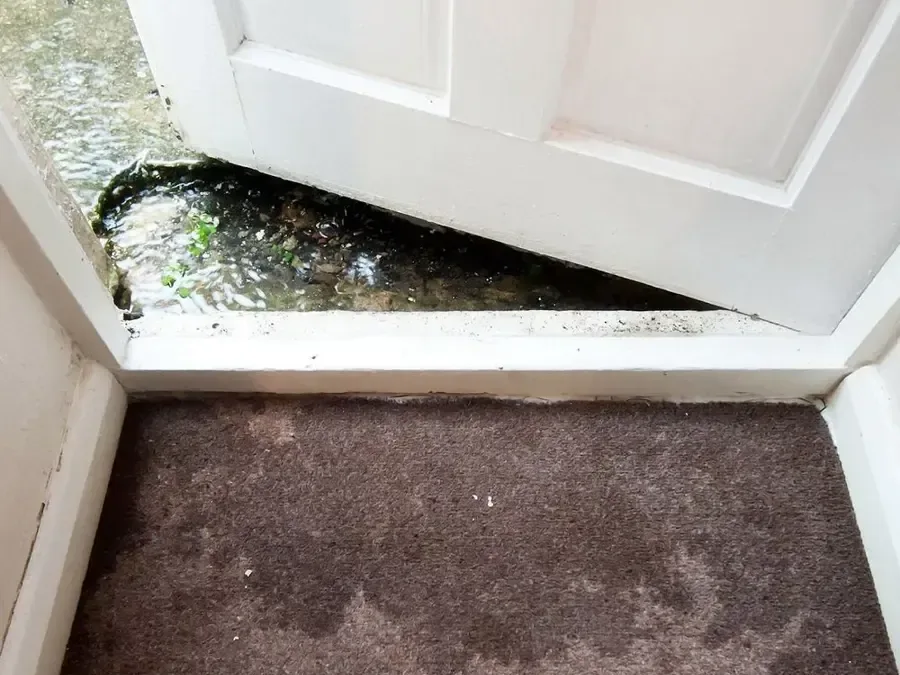
June 19, 2026: WHDH reported a water main break near Union Square that flooded a business basement. A flooded lower room needs source control, safe removal and material checks.
Questions about an unexpected water loss
Does a dry looking floor mean the room is ready?
The layers beneath a covering and behind trim need direct moisture assessment. The inspection should include materials that water could reach, followed by readings during drying. Replacement finishes belong after the relevant assemblies have reached the intended condition.
Who handles the pipe that caused the damage?
The plumbing repair and the cleanup are different tasks. A plumber addresses the failed supply component, while restoration work removes escaped water and treats affected materials. Keeping the scopes separate helps explain what has been completed and what remains.
Can a wet room stay in use during cleanup?
Access depends on contamination, electrical conditions, overhead damage and equipment placement. A room with a safe dry boundary may be managed differently from a sewage affected space. The assessment should identify which routes and adjacent rooms can remain available.
What should happen after a basement fills during rain?
Keep the stairs clear of unnecessary traffic and arrange a safe assessment of utilities and water entry. The cleanup plan needs to consider sediment, affected storage and wall materials as well as water removal. Repeated entry also needs correction.
Does the city have a combined sewer system?
Most of Somerville is served by combined sewers, which carry stormwater and wastewater. An indoor sewage loss still needs its own inspection of the entry point and affected surfaces. Cleanup decisions follow the contamination found within the actual building.
Can water use records help identify a leak?
WaterScope allows customers with replacement smart meters to monitor water use. An unexplained change can prompt an inspection of fixtures and supply plumbing. The wet building materials also need direct assessment because usage records cannot show the full interior spread.
Should a ceiling stain simply be painted over?
The source above the stain needs attention first, followed by an assessment of plaster, drywall, insulation and framing. Painting a wet surface conceals the symptom without completing the cleanup. Loose or sagging material requires the area beneath it kept clear.
Are all damaged belongings automatically discarded?
Decisions depend on the material, contamination and condition after exposure. Separate clearly dry items from the wet area and photograph affected belongings before removal when safe. The cleanup scope should explain which contents can be treated and which require disposal.
What information belongs in the initial estimate?
Useful estimates describe the affected area, removal work, equipment, monitoring and disposal. They should also identify exclusions such as source repair or rebuilding. Those details make comparisons more useful than a total price without an explanation of the work.
How does the owner know drying is complete?
The final check should connect material readings with the drying goals established for the job. A dry surface or quiet room is insufficient by itself. The owner should receive a clear explanation of remaining repairs before walls or floors are closed.
Start with the source and the wet materials
A clear account of the loss helps organize safe access, water removal and the next repair decisions.
(888) 629-3140Discuss a water damage assessment