Commercial Water Damage in Belmont, MA
A workplace water loss needs a clear plan for people, contents and the building. The restoration team isolates affected areas, removes water and documents drying by room while coordinating access with management.
(888) 629-3140Assess the wet workplace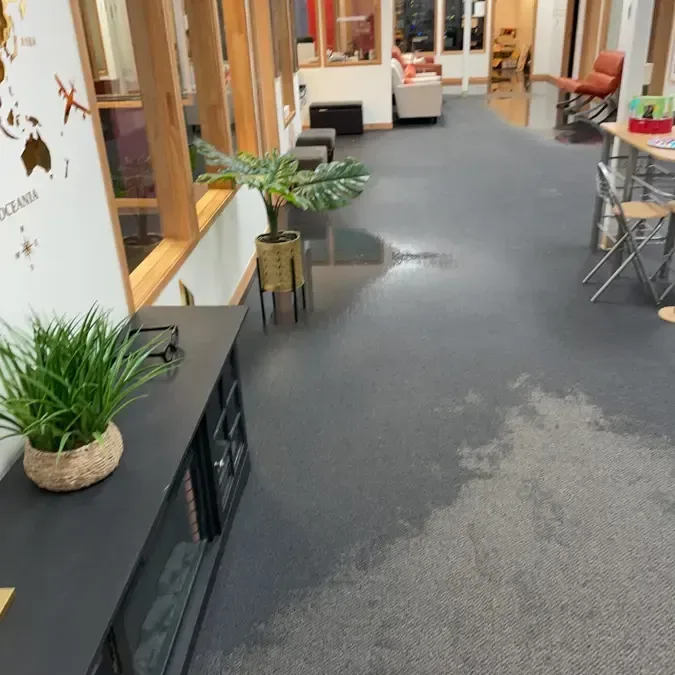
Belmont Center, Cushing Square and Waverley Square are the town's three major commercial centers. A water loss in an occupied shop or workplace requires more than clearing the visible floor. The contractor coordinates with management on safe access, affected contents and the rooms that need isolation. The response team documents the actual loss while keeping the work record tied to the inspected workplace.
How commercial water damage is handled in Belmont
Survey the affected operation
The team checks source status, electricity, contamination and the spaces people use. Management describes the incident and priority contents, helping the contractor establish a practical inspection and protected-access sequence.
Extract and protect stock
The crew removes liquid water while separating affected contents from clean inventory. Photographs and location labels preserve the condition before items move, supporting clear handling and disposal decisions later in the work.
Dry in measured zones
Technicians set equipment for the materials in each affected area and monitor progress. The contractor adjusts access and airflow as needed, coordinating checks with management while keeping safety and drying goals central.
Report the remaining work
The team records final conditions and identifies repair needs by room. Management can use the documented scope to coordinate reconstruction and its own occupancy decisions without treating equipment removal as a universal reopening clearance.
Separate people and property from the wet area
Management identifies occupants, essential access routes and equipment that water may have reached. The restoration contractor checks electrical hazards and contamination before setting a work boundary. A wet corridor or ceiling can affect more than the room where the leak started. The team explains which areas need restricted access and what the next inspection must resolve.
- The crew documents affected rooms and assigns clear locations to photographs and moisture readings.
- Management identifies sensitive stock, records and equipment before contents movement begins.
- The contractor protects dry routes used for staff, customers and material removal.
- Qualified trades evaluate wet electrical systems and source repairs before normal use resumes.
- Management identifies rooms that share utilities or access with the wet area, allowing the contractor to coordinate inspections and equipment routes before work interrupts another occupied space.
- The crew labels contents photographs by room and item group, preserving useful distinctions when similar stock or furnishings move into a shared staging area during the cleanup.
A property near Concord Avenue may contain several different floor and wall assemblies. The technician checks each affected zone rather than treating the entire workplace as one uniform drying load.
Water still spreading?
A workplace loss needs safe routes and a clear record of each affected room. The restoration team coordinates access with management, protects contents and measures the wet materials before planning the repair handoff.
(888) 629-3140Review the workplace water lossPlan extraction around the building's use
The operator removes accessible water while the team protects unaffected stock and furnishings. The contractor evaluates porous finishes and coordinates controlled openings where water has moved behind walls or beneath flooring. Used water or sewage requires contamination controls that can change the occupancy plan. Management evaluates the affected room with the appropriate safety professionals before continued use.
- Workers separate wet items from dry inventory and record their condition before disposal or movement.
- The crew plans hose and cord routes that avoid creating hazards in retained access paths.
- The contractor coordinates equipment checks with management without promising a fixed reopening time.
- Technicians inspect adjacent tenant or common areas when the water path reaches them.
OSHA workplace information provides occupational safety context. Ready.gov business planning supports preparedness for disruptions, while the restoration scope follows the inspected building conditions.
Keep the work area safe
The response team checks electricity, unstable surfaces and water contamination before opening wet materials. Household members keep children and pets away from affected rooms. A qualified electrician handles wet circuits. The cleanup crew sets containment when dirty water or debris could reach occupied space, then establishes a safe route for equipment and removed material.
Track drying and repair needs by area
The drying team records material readings and room-air conditions at repeat locations. Separate zones can progress at different rates, especially where one contains carpet and another holds concrete or enclosed wall cavities. Management receives a clear account of which areas remain under drying and which need subsequent repair evaluation.
Documentation for your insurance claim
The file identifies the source, affected rooms, contents observations, access restrictions and mitigation scope. Daily readings and equipment records explain the dry-out. The business checks property and interruption coverage with its insurer, including reporting requirements. The restoration contractor provides factual records of the work without promising claim payment, continued operation or a specific reopening date.
First decisions for commercial water damage in Belmont
Establish an access plan
Management and the contractor identify the safe routes and rooms needing isolation. The work boundary accounts for people, equipment and debris movement so the dry-out does not introduce unnecessary hazards into unaffected areas.
Protect business contents
The crew records wet inventory and furnishings before moving them. Management identifies sensitive records or equipment, allowing handling decisions to reflect the contents and the actual exposure rather than a generic room-clearing approach.
Coordinate connected spaces
The technician checks common areas and adjoining rooms where the water path continues. Clear communication helps management arrange access and prevents an unseen wet assembly from remaining outside the initial restoration scope.
Document the repair handoff
The contractor separates drying completion from finish replacement and occupancy decisions. Room-specific records help management coordinate the next trades and explain which parts of the building still require attention after equipment removal.
What does commercial water damage cost in Belmont, MA?
Commercial water damage restoration in Belmont can range from $2,500 to $15,000 or more. Wet floor area, contents handling, contamination, access and building assemblies drive the scope. Business interruption and reconstruction remain separate considerations.
Contained work area
$2,500 to $5,000
- Focused extraction
- Contents protection
- Material monitoring
Several occupied rooms
$5,000 to $9,000
- Access coordination
- Multiple drying zones
- Room-based records
Extensive building loss
$9,000 to $15,000+
- Complex material access
- Wider contents handling
- Detailed repair handoff
Category of water, square footage, material class and drying delay shape the scope. Belmont water damage cost calculator gives an estimate only.
Commercial water damage across Belmont
Water damage service covers ZIP 02478, including Belmont Center, Cushing Square, Waverley Square and Belmont Hill. The restoration team assesses the actual wet rooms and access conditions before setting the extraction and drying scope.
Arlington, Waltham, Cambridge, Somerville and Winchester are also within the service area.
Related water damage services in Belmont
Commercial Water Damage questions in Belmont, MA
Can the business stay open during drying?
That depends on electrical safety, contamination, access and the work being performed. Management and the appropriate professionals evaluate occupancy while the restoration contractor explains the affected zones and equipment needs. The access decision accounts for electrical clearance, air conditions and the room’s actual cleanup needs.
How are wet records or stock handled?
Management identifies sensitive items before the crew begins movement. The contractor documents condition and separates affected contents from clean inventory, using appropriate handling or specialist evaluation where needed. The building dry-out and contents recovery can require different methods, so the scope should state what each task includes.
Why does the contractor divide the building into zones?
Different rooms contain different materials and moisture loads. A carpeted office, concrete storage room and enclosed wall cavity may respond at different rates. Zone-based readings help the technician choose equipment and show management where drying continues, instead of treating one low reading as proof that the entire building is ready.
What if water reaches another tenant?
The contractor documents the observed path and tells management which adjoining areas need assessment. Access and communication then follow the property arrangement. Inspecting connected spaces helps identify wet walls or ceilings outside the original room, while the loss record keeps the affected locations and work performed clear.
Does after-hours access change the cleanup plan?
The contractor coordinates practical access with management, including safe entry, power and the movement of equipment or debris. The material and contamination requirements remain the same. Scheduling can support the operation, but it does not eliminate the need for controlled removal, daily checks or appropriate restrictions in wet areas.
What should the business retain for its claim?
Source reports, room inventories, photographs, contents records and the contractor’s daily drying logs form a useful file. Management checks reporting and coverage requirements directly with its insurer. The restoration scope should distinguish building mitigation from equipment repair, inventory recovery, reconstruction and interruption-related expenses so each item remains understandable.
Give the affected workplace a room-by-room plan
The contractor documents extraction, access restrictions and drying progress so management can coordinate the next decisions.
(888) 629-3140Arrange the commercial loss assessment