Sewage Backup Cleanup in Belmont, MA
Sewage enters a home as Category 3 water. The cleanup team isolates affected rooms, removes contaminated porous materials and cleans the remaining structure before beginning a measured dry-out.
(888) 629-3140Isolate the sewage damage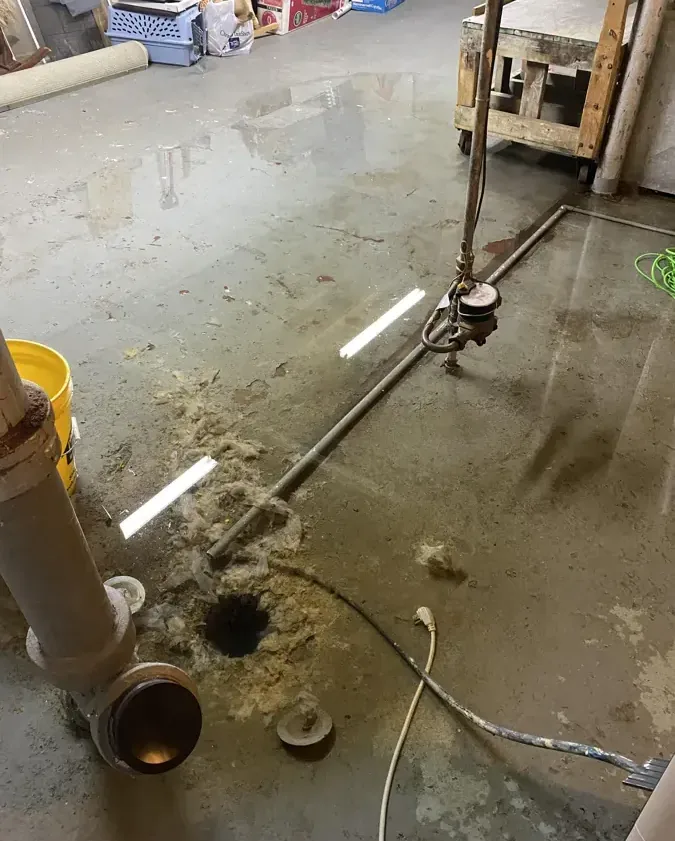
A backed-up drain can spread contaminated water beneath flooring before the household sees the full extent. Belmont's Highway Division maintains sanitary sewer and storm drain mains, while the cleanup contractor assesses the affected interior. WCVB reported a finished-basement sewage loss in June 2021. That account makes prompt documentation especially practical for households around Belmont Center, Cushing Square and Waverley Square: record the water source, affected rooms and visible damage from a dry position.
How sewage backup cleanup is handled in Belmont
Establish containment
The crew identifies the contaminated boundary, checks electrical hazards and plans protected access. Appropriate gloves, protective clothing and respiratory protection match the exposure and removal tasks before the work starts.
Remove contaminated contents
Workers extract wastewater and remove affected porous material under controlled conditions. The contractor photographs the contents and wall sections before disposal so the extent remains clear after the room has been emptied.
Clean retained surfaces
The cleanup team removes residue from suitable solid materials and applies the selected product according to its label. Correct dwell time and surface preparation matter more than a quick spray over visible dirt.
Measure the dry-out
Technicians place drying equipment after cleaning and check retained materials against suitable references. The final record ties removal, cleaning and drying together so the household can plan reconstruction with a clear scope.
Contain the sewage before disturbing wet materials
The crew treats sewage as Category 3 from the beginning. Workers establish a controlled work area, use appropriate protective equipment and prevent dirty equipment from crossing clean surfaces. Household members keep people and pets outside the room and avoid operating fans that could distribute contamination before removal and cleaning.
- The response team identifies the drain or fixture where wastewater entered and checks connected low points.
- The contractor coordinates source correction with the appropriate plumbing or municipal service before restoration continues.
- Workers protect the route used for hoses, bagged debris and removed furnishings.
- The crew separates affected porous contents from clean belongings and records disposal decisions with photographs.
- Workers identify a clean staging location before handling bagged debris, keeping contaminated material and equipment separated from the household’s remaining occupied rooms throughout the removal sequence.
- The contractor records which exposed surfaces received physical cleaning and the product application details, giving the drying technician a clear handoff before equipment changes the airflow.
A clear-looking portion of wastewater still belongs to the contaminated loss. The team follows the actual spread beneath finishes instead of stopping at the darkest visible puddle.
Water still spreading?
A drain backup needs controlled access before anybody starts moving wet belongings. The cleanup team identifies the contaminated boundary, plans material removal and records the condition before cleaning and drying begin.
(888) 629-3140Discuss the contaminated roomRemove what cannot safely remain
Carpet, padding, insulation and other porous materials touched by sewage need removal rather than ordinary surface drying. The technician checks the wet height in walls and extends removal above the affected boundary where necessary to reach clean material. Solid surfaces receive physical cleaning before an appropriate EPA-registered antimicrobial product, with the label's application and dwell-time instructions controlling use.
- The crew removes solids and contaminated water before detailing the exposed surfaces.
- Technicians inspect cabinet voids and the underside of flooring for concealed sewage travel.
- The contractor plans containment and appropriate respiratory protection for the actual work conditions.
- Household members avoid mixing cleaning products or pouring chemicals into the backed-up fixture.
The EPA water pages and Ready.gov flood precautions provide background for avoiding contact with unsafe water. The cleanup team explains which areas remain restricted during the work.
Keep the work area safe
The response team checks electricity, unstable surfaces and water contamination before opening wet materials. Household members keep children and pets away from affected rooms. A qualified electrician handles wet circuits. The cleanup crew sets containment when dirty water or debris could reach occupied space, then establishes a safe route for equipment and removed material.
Dry the cleaned structure and preserve the loss record
Once removal and cleaning establish a suitable work area, the drying team measures retained framing and other accessible materials. Dehumidifiers and air movers support drying under controlled conditions. Daily readings show whether moisture remains at a wall base or beneath adjoining finishes. Equipment stays tied to the drying goal, not to whether the room no longer smells.
Documentation for your insurance claim
The contractor records Category 3 conditions, the entry point, pre-removal photographs, discarded material and the cleaning scope. Separate records cover drying readings and equipment. The household asks its insurer specifically about sewer-backup coverage and any endorsement or limit. Municipal involvement does not automatically determine payment. An itemized record helps explain the actual work without making a coverage promise.
First decisions for sewage backup cleanup in Belmont
Keep the household outside
The response team marks the contaminated area and explains the safe route around it. Children and pets remain away from wastewater, wet contents and equipment while the contractor establishes containment and assesses the spread.
Stop the continued backup
A plumber or the appropriate municipal department investigates the active drainage problem. The cleanup crew can plan removal, but an ongoing surcharge must receive attention so newly cleaned surfaces do not immediately become contaminated again.
Separate porous belongings
The contractor inventories affected furnishings and finishes before removal. Photos and descriptions preserve what the material was and where sewage reached it, helping the household understand disposal decisions and the resulting repair scope.
Check cleaned materials
The drying technician evaluates moisture in retained structure only after appropriate cleaning. The contractor records the cleaning method and material condition, then uses daily readings to track drying progress within the controlled work area.
What does sewage backup cleanup cost in Belmont, MA?
Sewage backup cleanup in Belmont typically ranges from $2,000 to $9,000 for residential interior damage. Category 3 removal, affected contents, wall access and cleaning depth drive costs; extensive reconstruction adds a separate scope.
Contained hard-floor area
$2,000 to $3,500
- Wastewater removal
- Surface cleaning
- Limited drying
Finished-room contamination
$3,500 to $6,000
- Porous material removal
- Protected debris route
- Structural checks
Several affected spaces
$6,000 to $9,000+
- Wider containment
- Contents inventory
- Detailed cleaning
Category of water, square footage, material class and drying delay shape the scope. Belmont water damage cost calculator gives an estimate only.
Sewage backup cleanup across Belmont
Water damage service covers ZIP 02478, including Belmont Center, Cushing Square, Waverley Square and Belmont Hill. The restoration team assesses the actual wet rooms and access conditions before setting the extraction and drying scope.
Arlington, Waltham, Cambridge, Somerville and Winchester are also within the service area.
Related water damage services in Belmont
Sewage Backup Cleanup questions in Belmont, MA
Is every sewage backup Category 3?
Sewage carries contamination from the outset, so the cleanup team treats the loss as Category 3. The appearance of the water does not make it safe. Workers establish containment, choose protective equipment and assess porous materials before starting controlled removal and cleaning of the affected interior.
Can carpet dry after wastewater touches it?
Contaminated carpet and padding need removal rather than routine drying for reuse. The contractor also checks the subfloor and adjoining wall bottoms because wastewater can spread underneath the visible surface. Photos and an inventory document the material before disposal and help define what reconstruction will require afterward.
Should a household switch on fans?
Fans should stay off in an untreated sewage area because uncontrolled airflow can carry contamination into cleaner rooms. Household members also avoid wet outlets and extension cords. The crew establishes safe power and containment, removes contaminated material, cleans suitable surfaces and then chooses the appropriate drying arrangement.
Who checks whether the public sewer is blocked?
The town Highway Division maintains sanitary sewer mains. A household reports a suspected main problem to the appropriate town contact, while a plumber investigates private plumbing as needed. The interior cleanup team records entry points and damage without guessing which part of the drainage system caused the backup.
Does ordinary homeowners coverage pay for sewage?
Sewer-backup coverage can depend on an endorsement, limits and the circumstances of the loss. The household checks its own policy with the insurer. The contractor supplies photographs, a material inventory and an itemized cleanup scope, but those records do not replace the insurer’s coverage decision.
When is drying equipment appropriate?
The crew first completes the required contamination control, removal and cleaning. Retained materials then receive moisture checks and controlled drying. The technician records progress toward a suitable drying goal. A room that looks clean may still hold moisture inside framing or the underside of an adjoining floor.
Put sewage cleanup on a controlled footing
The response team isolates the damage and explains removal, cleaning and drying as separate stages.
(888) 629-3140Request Category 3 cleanup help