Basement Water Removal in Belmont, MA
A wet lower level needs safe entry before pumping starts. The restoration team checks the water source, removes accessible liquid and measures the wall and floor layers that remain damp afterward.
(888) 629-3140Review the flooded lower room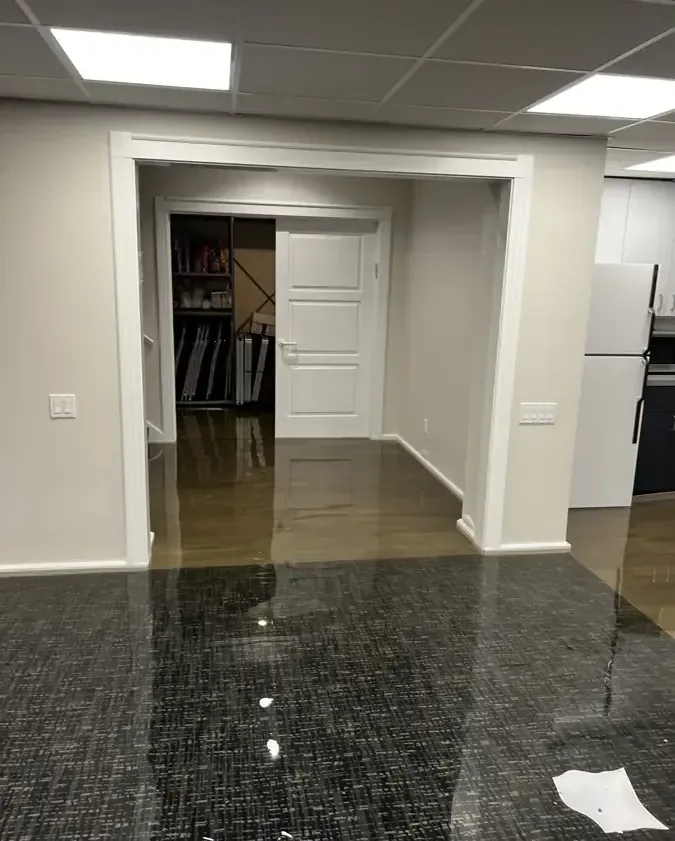
Water in a lower room can come from plumbing, outdoor entry or a drain backup. The source changes both the removal method and material handling. Belmont's Highway Division maintains sewer and storm drain mains, and the town's drainage setting includes Clay Pit Pond and Wellington Brook. A property near Concord Avenue still needs an inspection of the actual entry route. The cleanup team checks the room's electrical and structural conditions before anyone enters the water.
How basement water removal is handled in Belmont
Survey the lower level
The team assesses entry, electricity and continuing water before choosing removal equipment. The household describes the source and affected storage, helping the contractor plan safe access and the initial contents record.
Pump and extract liquid
The operator removes accessible accumulation in a sequence appropriate to the building and source conditions. Flooring layers and low corners receive attention after the main water depth has fallen.
Open and dry wet layers
The contractor assesses finishes and insulation for retention, then provides drying access to suitable material. Dehumidification and air movement address the remaining absorbed load while the technician records progress.
Document room readiness
Final readings and removal records describe the retained structure and any remaining repair needs. The household can coordinate flooring, wall finishes and storage placement with the actual condition of the dried assembly.
Establish safe access and the water source
Flooded stairs and wet appliances can make a basement unsafe even when the water looks shallow. The response team evaluates the power situation and coordinates qualified electrical attention. The technician asks when the water appeared and whether it follows fixture use, rain or an active supply leak. Continued entry affects the pumping sequence and the next repair.
- The household stays out of water near outlets, appliances and the breaker panel.
- The crew checks whether outside water pressure or ongoing flow affects safe removal.
- The technician records the visible depth and the materials at the wet boundary.
- The contractor distinguishes wastewater from other sources before handling porous finishes.
- The crew checks the bottom of partition walls after extraction exposes them, recording whether water reached insulation or another finish layer beyond the accessible concrete floor surface.
- The technician inspects stored items along the wet perimeter before the household returns them, helping keep material-test locations accessible and limiting moisture transfer into clean storage containers.
Homes around Waverley Square receive the same property-specific source assessment. The contractor follows observed conditions instead of assigning every lower-level loss to a nearby waterway.
Water still spreading?
A lower room needs source identification and safe power before pumping. The restoration team clears accessible water, checks finished layers and records the materials that still need drying after the floor looks clear.
(888) 629-3140Assess the lower-room waterRemove water from finished and unfinished areas
A concrete surface may be accessible while a finished floor hides wet padding or underlayment. The operator chooses pumps and extraction tools for the actual depth and material. The contractor checks wall bottoms, storage areas and utility penetrations, then explains removal where contamination or damage makes retention unsuitable.
- Workers move affected storage through a protected route and record its condition.
- The crew checks beneath floor coverings and around partition bases after extraction.
- Technicians inspect insulation behind finished walls when the wet boundary reaches it.
- The contractor cleans sediment or contamination before setting uncontrolled airflow across the room.
Ready.gov flood precautions explain immediate water-safety concerns. EPA water information provides broader context. In the building, the technician's measurements define the drying footprint after the standing water clears.
Keep the work area safe
The response team checks electricity, unstable surfaces and water contamination before opening wet materials. Household members keep children and pets away from affected rooms. A qualified electrician handles wet circuits. The cleanup crew sets containment when dirty water or debris could reach occupied space, then establishes a safe route for equipment and removed material.
Dry the lower-room assembly before restoring storage
Wall cavities and floor layers can remain wet after pumping. The drying team controls humidity and air movement while checking retained material against an appropriate reference. Dense concrete and timber can respond differently. The contractor keeps access to slow areas and explains why belongings or new finishes should wait until the relevant checks are complete.
Documentation for your insurance claim
The record identifies the source observations, water height, affected contents, removal decisions and daily moisture readings. WCVB's June 2021 report described a local finished-basement sewage loss, reinforcing the practical value of identifying the cause clearly. The household checks its own policy for sewer, flood or plumbing coverage; the contractor supplies the factual scope without promising payment.
First decisions for basement water removal in Belmont
Keep away from wet power
The household avoids flooded steps and electrical equipment. The response team checks safe entry and coordinates an electrician where necessary before pumps, extractors or drying equipment operate in the affected lower room.
Identify how water entered
The technician asks about rain, plumbing use and the first observed water. Distinguishing outdoor entry, a supply escape and a drain backup helps establish the cleanup precautions and the appropriate source-repair contact.
Inspect finished layers
The contractor checks coverings, partition bases and insulation instead of treating a cleared surface as the end of the loss. Concealed moisture can require controlled access before retained materials can dry effectively.
Keep storage away during checks
The crew explains where belongings can safely return. Leaving the affected perimeter accessible allows repeat readings and avoids placing boxes or shelves against a wall or floor assembly that still holds moisture.
What does basement water removal cost in Belmont, MA?
Basement water removal in Belmont commonly ranges from $1,000 to $7,500. Water depth, contamination, finished walls, flooring layers and storage handling determine the scope. Source correction and replacement finishes are additional work.
Unfinished accessible area
$1,000 to $2,500
- Controlled removal
- Floor survey
- Limited equipment
Finished lower room
$2,500 to $4,800
- Floor-layer access
- Wall-base checks
- Contents movement
Extensive or dirty-water loss
$4,800 to $7,500+
- More removal
- Cleaning precautions
- Detailed drying records
Category of water, square footage, material class and drying delay shape the scope. Belmont water damage cost calculator gives an estimate only.
Basement water removal across Belmont
Water damage service covers ZIP 02478, including Belmont Center, Cushing Square, Waverley Square and Belmont Hill. The restoration team assesses the actual wet rooms and access conditions before setting the extraction and drying scope.
Arlington, Waltham, Cambridge, Somerville and Winchester are also within the service area.
Related water damage services in Belmont
Basement Water Removal questions in Belmont, MA
Is shallow basement water safe to enter?
Electrical clearance and stable access determine whether entry is safe. Water can reach electrical equipment, conceal a step or contain contamination. Household members should stay outside the affected area while the response team checks safe access. An electrician evaluates wet circuits or equipment before restoration work proceeds around those hazards.
How does the crew distinguish the source?
The technician asks about rainfall, fixture use, ongoing supply flow and the first visible entry point. A plumber or the appropriate municipal contact investigates the relevant system. The restoration crew documents indoor conditions and follows the water path, avoiding an assumption that every lower-level puddle comes from groundwater.
Can a finished wall stay after flooding?
The contractor assesses contamination, material condition and the ability to reach wet components. Some finishes need removal to expose insulation or framing; suitable retained material needs measured drying. The team explains the boundary and records it before rebuilding, rather than leaving the decision to appearance alone.
Will a household dehumidifier finish the basement?
A household unit may not match the moisture load or reach concealed layers. The technician checks the materials and chooses a drying arrangement for the affected assembly. Air movement, humidity control and access work together, with repeat readings showing whether retained components actually approach the drying goal.
When can stored boxes return?
Storage should return only where the contractor confirms appropriate conditions and safe access. Boxes against a wet wall or floor can restrict airflow and absorb moisture. The crew keeps the affected perimeter available for measurements and explains which areas still need drying, cleaning or repair before normal use resumes.
What should the household ask the insurer?
The household should describe the actual source and ask how the policy treats that cause, including sewer or flood provisions where relevant. The contractor supplies photographs, contents notes and drying records. Those documents explain the loss and work performed, while the insurer determines coverage under the policy.
Move from basement pumping to measured drying
The crew checks wall bases, storage areas and floor layers while documenting the source and repair needs.
(888) 629-3140Arrange lower-level water removal