Water Extraction and Removal in Belmont, MA
The extraction crew removes standing water, checks the floor layers beneath it and sets the next drying steps. Belmont water damage help starts with safe access and source control.
(888) 629-3140Clear the standing water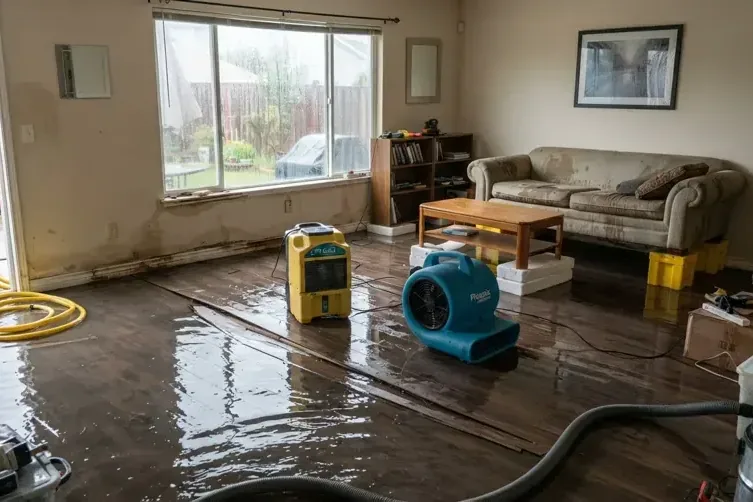
Water on a finished floor seldom stops at the visible puddle. The extraction team checks thresholds, wall bottoms and the underside of accessible flooring before deciding where to start. A household near Cushing Square needs the same clear separation between removing liquid water and drying absorbed moisture as a shop in Waverley Square. Belmont Center provides another busy setting where hose routes and occupied rooms need attention. The crew records the rooms reached, the water source and the materials underfoot.
How water extraction and removal is handled in Belmont
Identify the source
The technician asks when water appeared, whether it continues flowing and which rooms connect to the wet area. Source control and electrical clearance determine where the crew can work safely.
Remove the liquid
The operator matches pumps and extraction tools to the water depth and surface. Repeated passes remove liquid from accessible floor layers before evaporative drying adds unnecessary moisture to room air.
Map remaining moisture
The restoration team measures the edges of the affected area and checks accessible rooms below. A dry reference helps identify material that needs further attention after the standing water disappears.
Set the drying plan
The crew places air movers and dehumidifiers for the remaining load, then records the equipment and readings. Subsequent checks determine adjustments and show when retained materials have reached the drying goal.
Extract the water before running drying equipment
A pump handles deeper accumulation; a weighted extractor or floor tool addresses water trapped in carpet and other accessible surfaces. The technician chooses the tool for the material and the water category. Ordinary household vacuums do not provide a safe substitute for water extraction equipment. The team also checks whether contaminated water makes porous finishes unsuitable for retention.
- The crew clears a safe equipment route without dragging hoses through clean living areas.
- The technician checks carpet padding separately because the surface can look much drier than the layer below.
- The restoration team records wet baseboards, cabinet edges and adjoining rooms on a moisture map.
- The extraction operator repeats passes where the material continues releasing liquid water.
- The operator checks whether water returns from beneath a threshold after the main puddle clears, then records that edge for a further floor-layer inspection.
- The technician labels the remaining wet locations so the drying setup addresses absorbed moisture instead of repeating extraction across material that has already released its liquid.
A floor that looks clear still needs meter readings. The next decision concerns the material itself, rather than the amount of water remaining on top.
Water still spreading?
Standing water can keep feeding the edges of a room after the source stops. The extraction team checks the floor assembly, clears the liquid and identifies the materials that still need drying.
(888) 629-3140Discuss standing waterFollow the water beyond the first room
Door openings, utility penetrations and floor transitions can carry water into concealed areas. The response team compares readings in the wet zone with an unaffected reference and examines the room below when access allows. A ceiling stain beneath a wet floor can change the drying plan even after the upstairs puddle disappears.
At properties around Belmont Hill, the inspection follows the actual floor assembly and building layout. The contractor checks for trapped moisture beneath cabinets and evaluates whether a limited opening provides necessary access. The team explains removal decisions before discarding materials and photographs the affected layers.
- Household members keep electrical appliances away from wet floors and leave affected circuits to an electrician.
- The crew separates clean contents from wet items before moving equipment through the room.
- Technicians avoid blowing air across suspected sewage contamination before cleaning and containment.
General flood precautions appear in Ready.gov flood safety. The EPA water information offers additional context on water protection.
Keep the work area safe
The response team checks electricity, unstable surfaces and water contamination before opening wet materials. Household members keep children and pets away from affected rooms. A qualified electrician handles wet circuits. The cleanup crew sets containment when dirty water or debris could reach occupied space, then establishes a safe route for equipment and removed material.
Extraction records support the next drying decision
The drying team logs the initial moisture pattern, extraction areas and equipment placement. Daily readings show whether water remains inside the structure after the liquid has gone. Dehumidification then removes moisture released into room air, with air movers positioned for the material rather than simply pointed at the middle of the floor.
Documentation for your insurance claim
The claim file includes source observations, timestamped photographs before removal, the category and class of loss, and an itemized scope. The contractor records what remained wet after extraction and why additional drying was necessary. Coverage depends on the policy and cause of loss; the household checks terms with its insurer. A sudden pipe escape and outdoor floodwater can receive different treatment.
First decisions for water extraction and removal in Belmont
Safe entry first
The response team checks electrical hazards before bringing pumps into the room. A dry access path protects household members and lets the operator move equipment without crossing unstable or contaminated areas.
Protect adjacent rooms
The crew places hose routes and contents staging where they keep clean rooms usable. Doors and thresholds receive attention because water can move beneath them while the first room is still being cleared.
Check the hidden layers
The technician checks beneath accessible flooring and around wall bottoms. Wet padding, insulation and cabinet bases need their own decisions instead of an assumption that a dry-looking surface means the assembly is ready.
Leave a clear handoff
The extraction team explains which materials still need drying and records the moisture map. The household receives a practical distinction between water removal, structural drying and the later repair of damaged finishes.
What does water extraction and removal cost in Belmont, MA?
Water extraction in Belmont commonly falls around $500 to $4,500 for a contained residential loss. Deep water, contamination, difficult access and concealed wet layers can raise the scope; pipe repairs and replacement finishes are separate decisions.
One accessible room
$500 to $1,200
- Shallow standing water
- Limited floor area
- Moisture survey
Several connected rooms
$1,200 to $2,800
- Repeated extraction
- Contents movement
- Multiple floor layers
Complex removal
$2,800 to $4,500+
- Restricted access
- Deeper accumulation
- Additional containment
Category of water, square footage, material class and drying delay shape the scope. Belmont water damage cost calculator gives an estimate only.
Water extraction and removal across Belmont
Water damage service covers ZIP 02478, including Belmont Center, Cushing Square, Waverley Square and Belmont Hill. The restoration team assesses the actual wet rooms and access conditions before setting the extraction and drying scope.
Arlington, Waltham, Cambridge, Somerville and Winchester are also within the service area.
Related water damage services in Belmont
Water Extraction and Removal questions in Belmont, MA
Can extraction start while water keeps coming in?
The crew first addresses the source or coordinates with the appropriate trade. Pumping against an uncontrolled supply wastes effort and can leave unsafe conditions. A plumber handles failed plumbing, while the extraction team plans liquid removal and checks the areas that water reached before shutoff.
Does removing the puddle finish the job?
No. Flooring, wall bottoms and insulation can retain moisture after the surface clears. The technician measures these materials and sets drying goals against an unaffected reference. Air movers and dehumidifiers then address absorbed water, with readings showing whether the material responds as expected.
Can carpet stay after extraction?
The water category, backing condition, time wet and contamination determine that choice. The team inspects the carpet and pad separately. Some clean-water losses permit retention, while contaminated porous material needs removal. The contractor documents the reason instead of judging solely by the appearance of the pile.
What should remain out of the wet room?
Children, pets and plugged-in household appliances should remain outside the affected area. Nobody should enter water to reach a breaker panel or submerged appliance. The response team establishes safe access and asks an electrician to handle affected electrical equipment before extraction proceeds nearby.
How does the crew find water under a floor?
The technician maps readings across the floor and compares them with adjacent unaffected material. Changes near walls, doorways and cabinets help direct further inspection. Thermal imaging can indicate a temperature pattern, but meter readings and controlled access determine the actual moisture condition beneath the surface.
What information helps when requesting extraction?
A description of the source, affected rooms, approximate water depth and any electrical concerns helps the team plan equipment. Photos taken from a dry location can preserve the initial condition. The household should also mention a room below the wet floor or visible wastewater.
Begin with a clear floor and a moisture map
The response team removes accessible water and records the next drying priorities for the affected rooms.
(888) 629-3140Arrange the extraction assessment