Roof Leak Water Damage in Belmont, MA
Rain can travel along roof framing before it marks a ceiling. The restoration crew traces wet insulation and overhead cavities, coordinates source repair and dries the affected interior materials.
(888) 629-3140Assess rain above the ceiling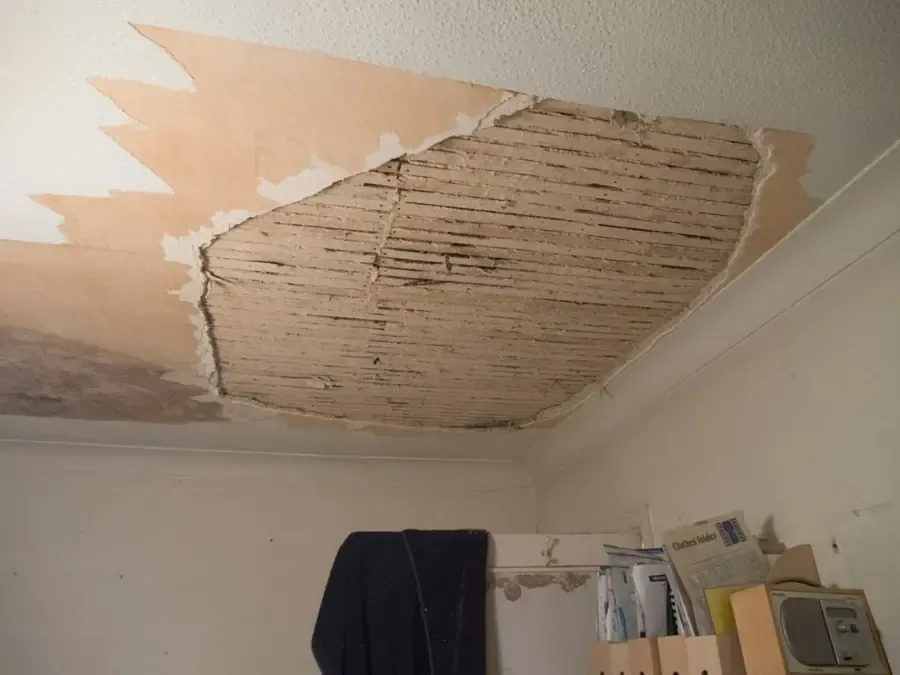
A ceiling stain after rainfall can sit well away from the roof opening. The technician follows moisture along accessible framing and checks the insulation between the roof and living space. Roof-leak cleanup in Belmont covers affected interiors around Belmont Hill, Cushing Square and Waverley Square. The crew assesses each roof assembly without assigning a construction era or material to the neighborhood. A roofing contractor addresses the exterior opening; the drying team handles the water left inside.
How roof leak water damage is handled in Belmont
Locate the wet route
The crew asks when rain entered and checks safe attic access. Visible marks, insulation condition and meter readings help define the interior water path without requiring the household to climb onto the roof.
Remove unsafe finishes
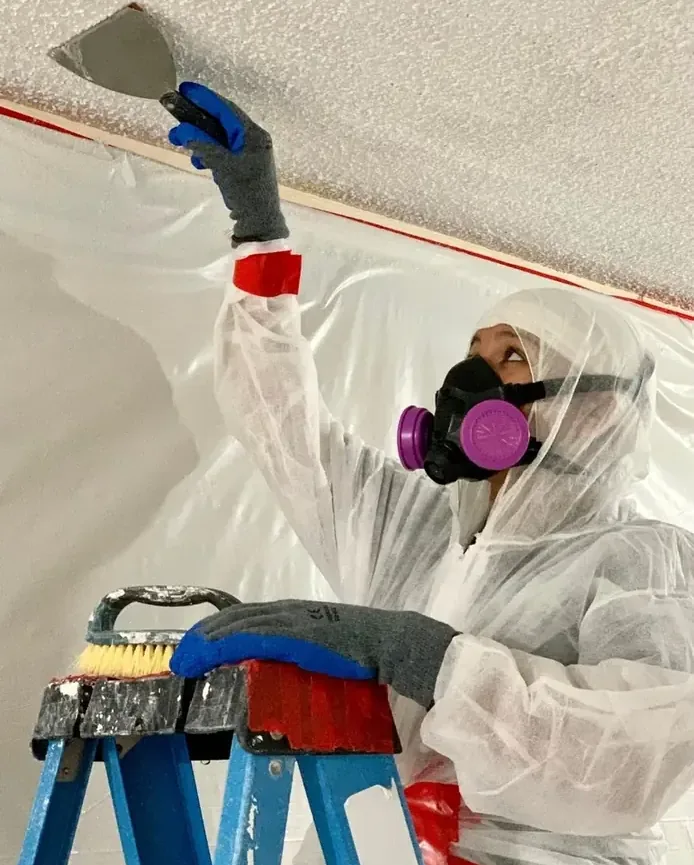
Workers protect the occupied room and open damaged ceiling areas as needed. Wet insulation and unstable finish material receive separate decisions, with photographs recording the assembly before it changes.
Dry accessible framing
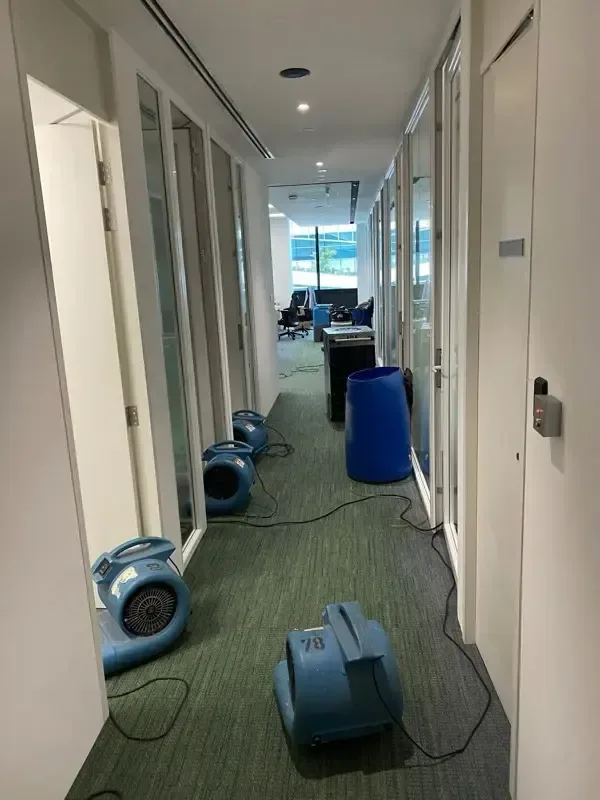
The technician directs air movement through the exposed wet area and controls room humidity. Equipment and access adapt to the actual timber and ceiling construction, with checks showing whether moisture continues falling.
Verify before closure
The contractor documents the dry reference and final readings. The household can coordinate insulation, ceiling repairs and painting with a clear record that the retained assembly has completed its drying stage.
Trace rainwater through the attic
Flashing, penetrations and roof joints can direct water onto timber before it reaches a ceiling. The technician checks accessible surfaces and records where insulation remains wet. Nobody should climb onto a wet roof or step between attic framing to inspect a leak. The restoration contractor coordinates safe access and distinguishes exterior repair from interior damage work.
- The team compares the time of the stain with the household's observations during rain.
- Technicians inspect the accessible roof underside and surrounding insulation for the wet boundary.
- The contractor photographs saturated material before removal changes the original pattern.
- The crew checks wall tops where water may descend beyond the first ceiling mark.
- The contractor notes where wet insulation touches timber and where water reached a wall top, allowing the crew to target retained structure after controlled material removal.
- The technician checks the ceiling edge beneath the attic access area before equipment leaves, confirming that a less visible connected bay has received the same material assessment.
Rain reaching a room near Concord Avenue needs the same source tracing as a leak elsewhere in town. The visible spot marks a symptom, not necessarily the entry point.
Water still spreading?
Rain can leave wet insulation above a ceiling after the dripping stops. The restoration team traces the affected cavity, records removal decisions and checks retained framing before the assembly closes again.
(888) 629-3140Review the attic water pathHandle wet insulation and unstable ceilings carefully
Insulation can hold water against ceiling finishes after the rain ends. The contractor assesses retention and removes unsuitable material through controlled access. Sagging drywall, wet light fittings and damaged plaster require caution; household members keep clear of the area below. An electrician evaluates affected circuits before restoration equipment operates nearby.
- The crew protects furnishings beneath the work area with an appropriate containment arrangement.
- Workers remove damaged overhead finishes without dropping wet debris into occupied rooms.
- The technician checks adjoining joist bays rather than drying only the visible stain.
After access, air movement and dehumidification help retained timber release moisture. Readings determine whether additional exposure or equipment adjustment is necessary. Ready.gov storm preparation and EPA water information provide general safety and water-management context.
Keep the work area safe
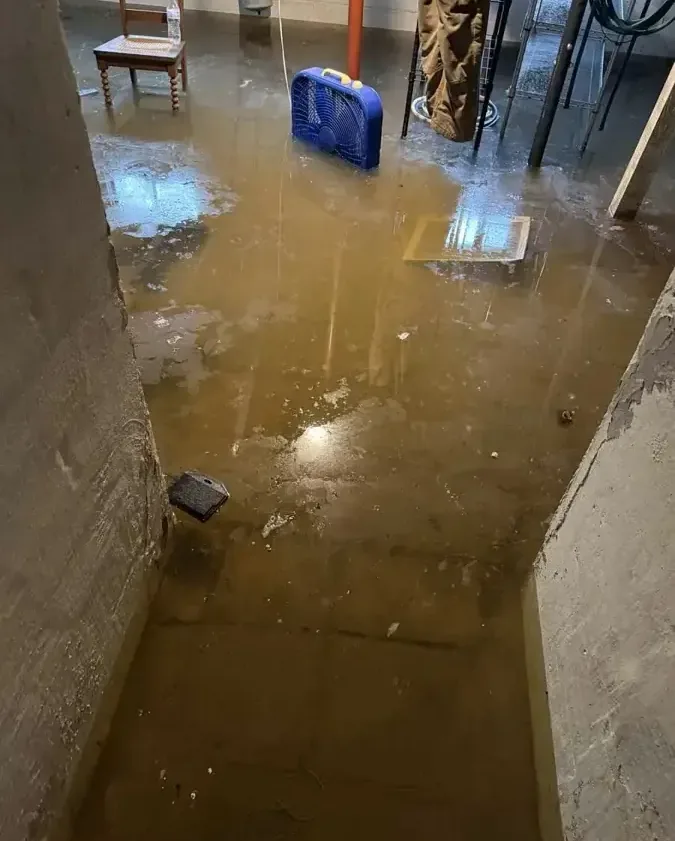
The response team checks electricity, unstable surfaces and water contamination before opening wet materials. Household members keep children and pets away from affected rooms. A qualified electrician handles wet circuits. The cleanup crew sets containment when dirty water or debris could reach occupied space, then establishes a safe route for equipment and removed material.
Dry before replacing insulation and finishes
A roof repair prevents more rain from entering at the repaired opening, but wet framing still needs verification. The drying crew records the timber and ceiling-cavity conditions until retained materials meet the chosen goal. Replacing insulation or paint too early can conceal damp components. The contractor explains the sequence so roof repair, drying and interior rebuilding remain coordinated.
Documentation for your insurance claim
The record includes the observed rain entry, photos of the attic and ceiling, insulation removal and drying readings. The household retains the roofer's findings and repair details. Policy terms govern coverage for the cause and resulting damage. The restoration team supplies an itemized interior scope while the insurer determines how the claim applies.
First decisions for roof leak water damage in Belmont
Keep clear below a sag
Household members avoid the space beneath a swollen or sagging ceiling. The contractor assesses overhead stability and establishes a protected work area before disturbing wet finishes or insulation above occupied rooms.
Coordinate exterior repair
The roofer addresses the source while the drying team records interior damage. Clear separation of those tasks helps keep the attic accessible until the water path and retained material condition have been checked.
Inspect beyond the stain
The technician checks adjoining framing and wall tops because water can run sideways before dropping. This wider moisture map helps prevent a small cosmetic patch from hiding a larger wet cavity.
Replace insulation last
The contractor confirms suitable drying conditions before closing the assembly. New insulation and finish material should follow the measured dry-out so the work does not cover timber that still holds elevated moisture.
What does roof leak water damage cost in Belmont, MA?
Roof leak water damage cleanup in Belmont commonly costs $1,200 to $6,000. Attic access, saturated insulation, ceiling removal and wet framing determine the interior scope. Roof repairs and replacement finishes are separate from the dry-out.
Small ceiling area
$1,200 to $2,500
- Moisture inspection
- Limited access
- Focused drying
Attic and ceiling loss
$2,500 to $4,000
- Insulation removal
- Framing checks
- Controlled work zone
Several wet cavities
$4,000 to $6,000+
- More ceiling access
- Extended monitoring
- Detailed documentation
Category of water, square footage, material class and drying delay shape the scope. Belmont water damage cost calculator gives an estimate only.
Roof leak water damage across Belmont
Water damage service covers ZIP 02478, including Belmont Center, Cushing Square, Waverley Square and Belmont Hill. The restoration team assesses the actual wet rooms and access conditions before setting the extraction and drying scope.
Arlington, Waltham, Cambridge, Somerville and Winchester are also within the service area.
Related water damage services in Belmont
Roof Leak Water Damage questions in Belmont, MA
Why is the stain away from the roof leak?
Water can follow framing, sheathing joints or other surfaces before reaching the ceiling. The restoration technician traces accessible wet material rather than assuming the stain sits directly below the opening. The roofer investigates exterior entry, and both observations help establish the source repair and interior drying scope.
Can attic insulation simply dry in place?
The contractor evaluates the insulation type, saturation, contamination and access. Material that cannot dry appropriately or has lost its useful condition needs removal. Retained framing then receives moisture checks. Putting new insulation over a wet cavity can conceal the problem, so replacement follows the documented drying decision.
Should the household puncture a ceiling bulge?
A bulging ceiling can contain water and may fail unexpectedly. Household members should keep clear and avoid working beneath it, especially near a light fitting. The contractor establishes a protected area and coordinates electrical safety before deciding how to release water or remove damaged overhead material under controlled conditions.
Does a roofer also dry the interior?
Exterior repair and interior restoration are separate tasks unless the agreed scope specifically includes both. The roofer addresses the opening. The restoration team inspects wet insulation, ceiling finishes and framing, then manages removal and measured drying. The household should keep both scopes clear before closing the damaged assembly.
What happens if another rain period arrives?
The contractor checks source-control status and any newly affected areas. Fresh water can change readings and extend the wet boundary, so the team updates the moisture map and drying plan. Temporary protection and permanent roof repairs need coordination with the roofing trade before interior reconstruction proceeds.
When can the ceiling be painted again?
Painting follows source correction, suitable drying and any required material repair. The contractor records the condition of retained components before the finish closes the cavity. The technician checks insulation and timber above the finish before recording suitable conditions for rebuilding.
Address the water behind the ceiling stain
The crew coordinates safe access and measured drying while the roofer handles the exterior source.
(888) 629-3140Arrange the attic dry-out