Arlington Water Damage Restoration
A wet room can hide a much larger problem beneath flooring or behind a wall. Restoration begins by locating the water, controlling its source, and checking every affected material.
(888) 629-3140Discuss the wet rooms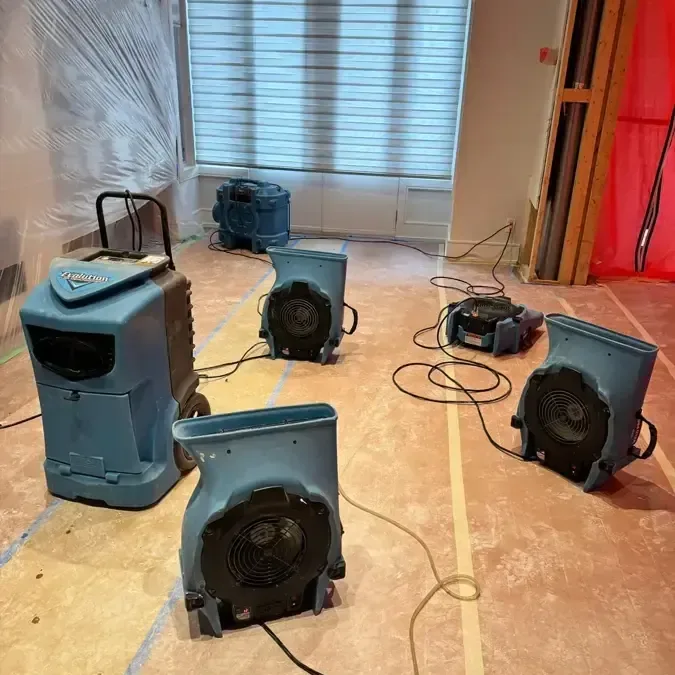
Decisions tied to the actual wet materials
The useful restoration plan explains where moisture traveled, which materials can remain, and what must happen before repairs. Written observations help a homeowner understand each change as the work progresses.
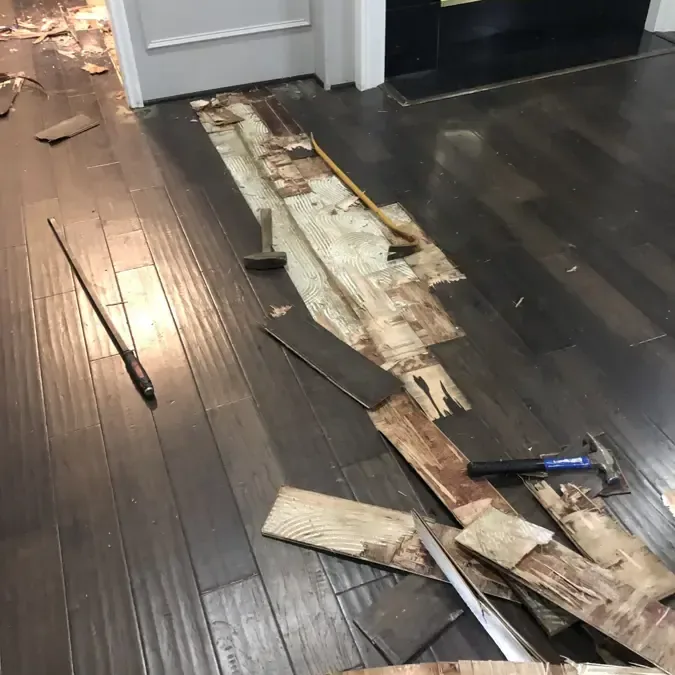
Identify what entered the room
Supply water escape
An isolated plumbing leak needs source repair and inspection of the materials along its route, including spaces beneath the affected floor.
Trace broken plumbingWater from equipment
A leaking appliance can wet cabinet interiors and layered floors before the spill becomes obvious. Safe disconnection and access deserve attention.
Inspect concealed appliance spreadWastewater in living space
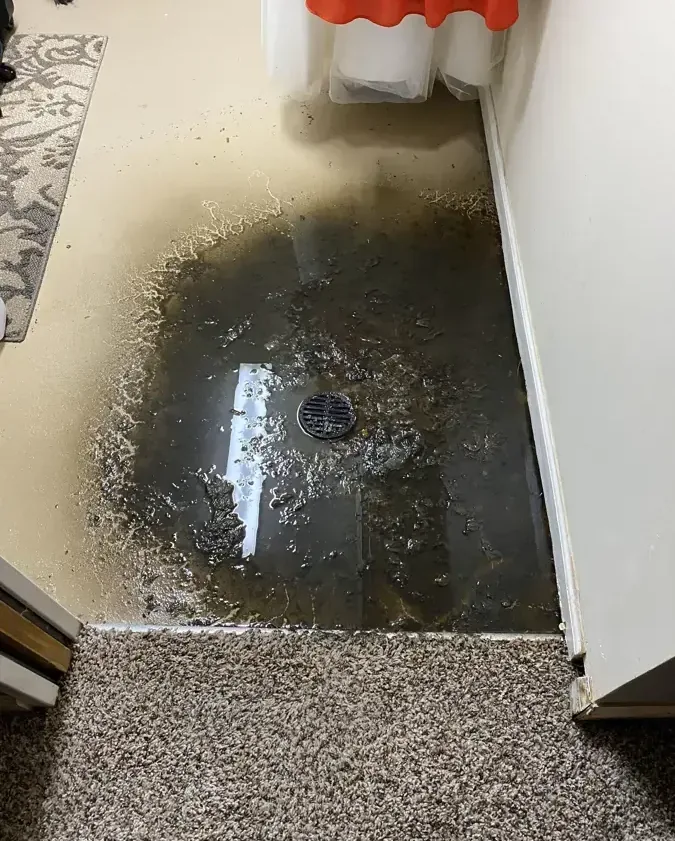
Sewage requires controlled movement through the property and careful handling of contaminated finishes. Occupants should avoid contact with the affected area.
Contain backed-up wastewaterChoose the problem that matches the damage
The visible symptom helps identify the next inspection. A ceiling stain, backed-up drain, or swollen floor each calls for a different approach to access and cleanup.
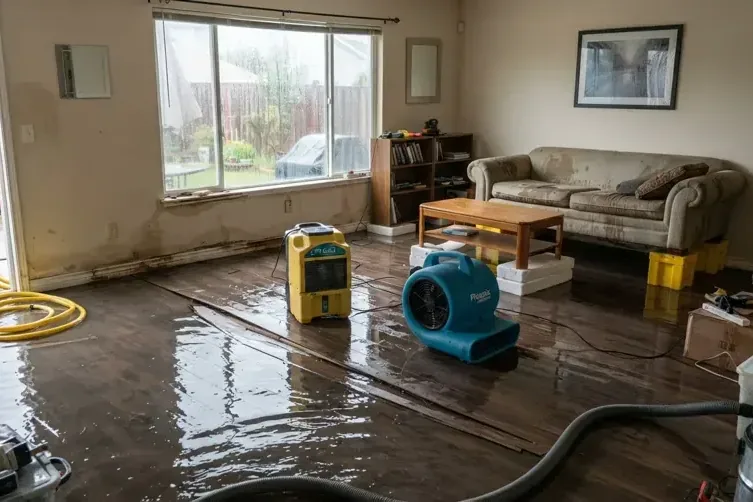
Water Extraction and Removal
Standing water needs a safe removal route before drying equipment is placed. Extraction includes checking adjoining rooms where water has crossed thresholds or soaked carpet backing.
Water Extraction and Removal details ›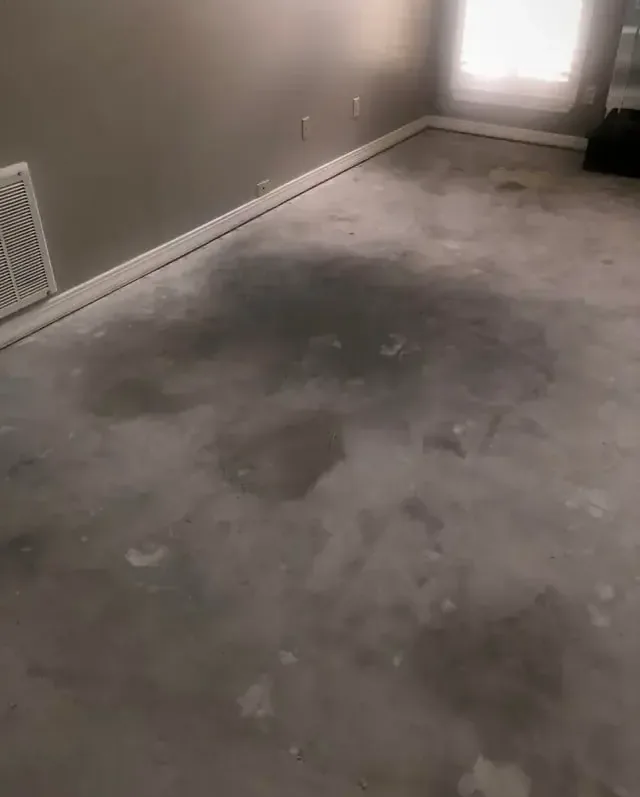
Slab Leak Water Damage
Damp concrete requires attention to plumbing beneath the floor and moisture above it. Repair access and floor drying should be planned together before finishes are replaced.
Slab Leak Water Damage details ›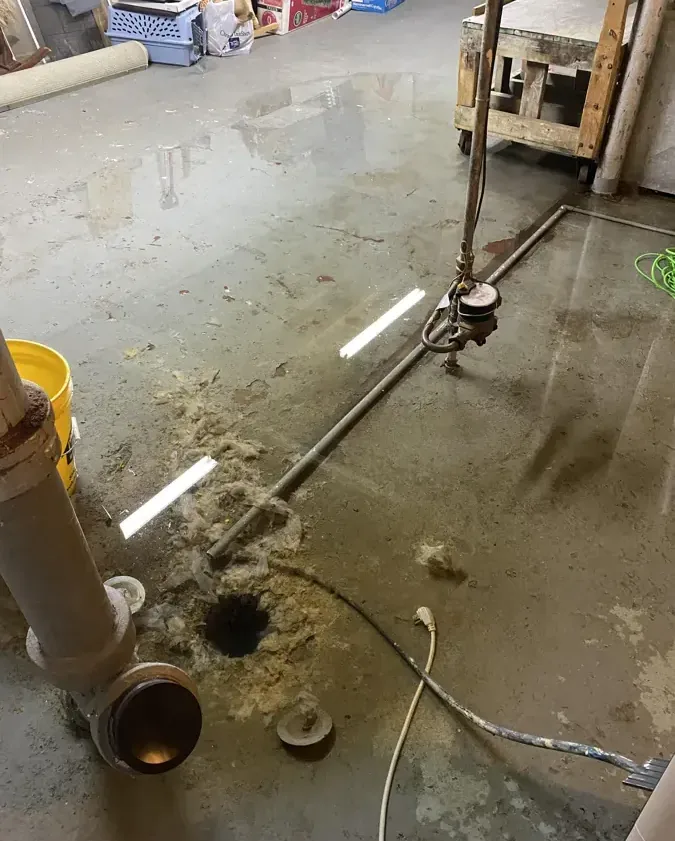
Sewage Backup Cleanup
Wastewater changes how an affected room is used. Restricted access, removal of contaminated porous materials, and cleaning of reachable surfaces come before the drying stage.
Sewage Backup Cleanup details ›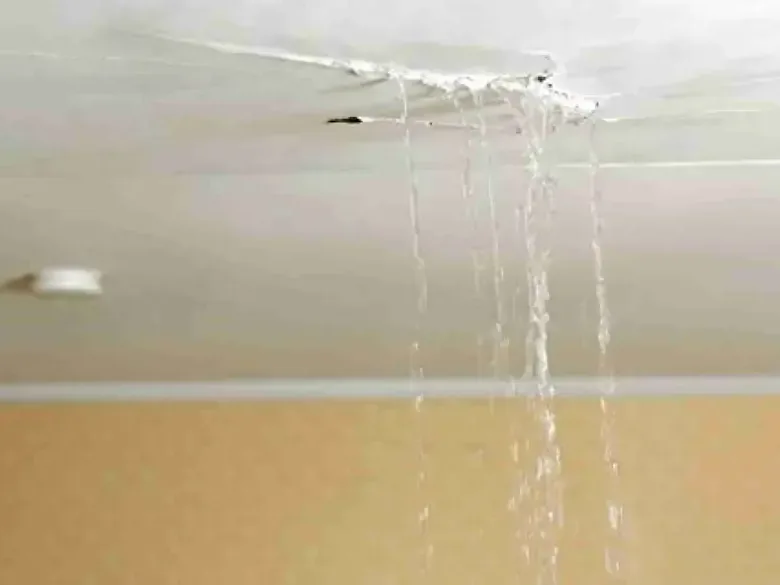
Burst Pipe Water Damage
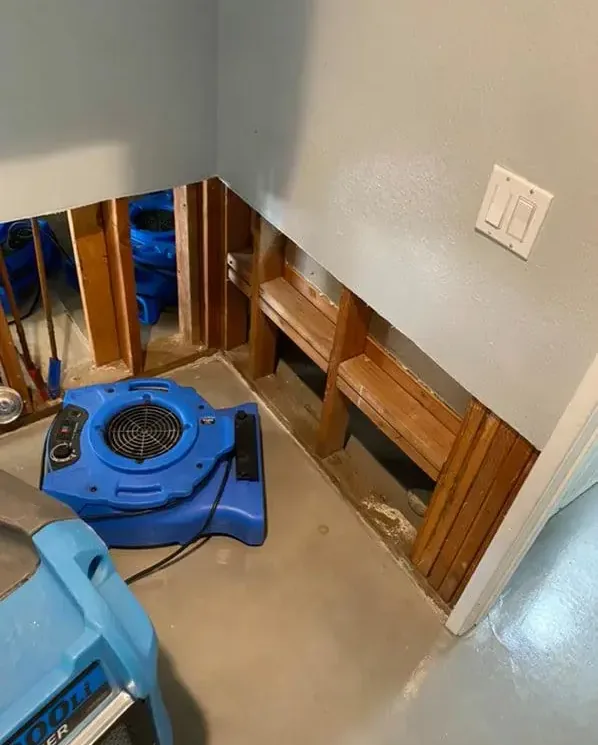
A broken supply pipe can wet several building layers during the same escape. Wall openings and lower ceilings need inspection even after the valve is closed.
Burst Pipe Water Damage details ›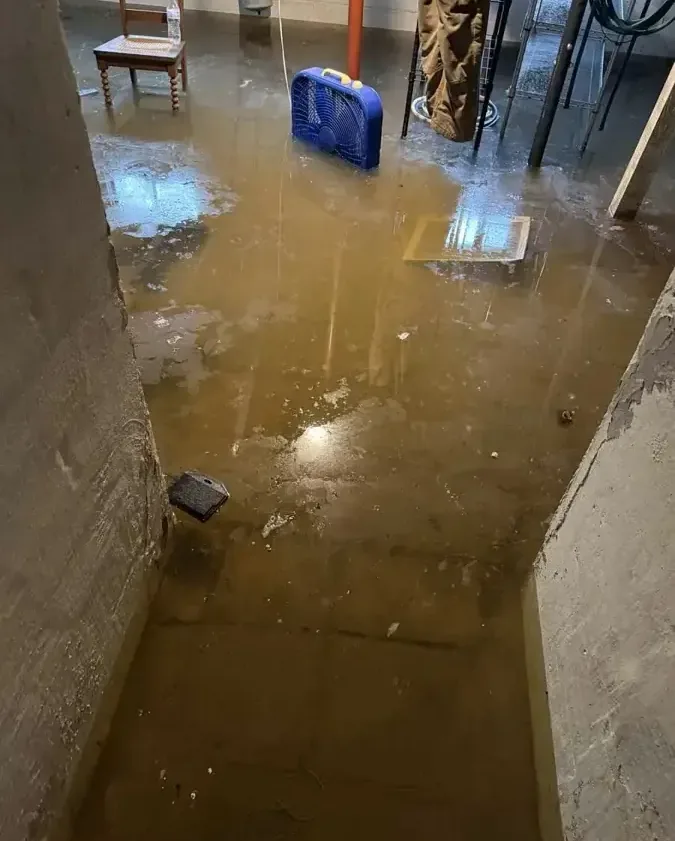
Storm and Flood Cleanup
Rainwater entering through an opening can carry dirt into floor assemblies. Cleanup follows the entry route, checks hidden deposits, and separates salvageable contents from damaged materials.
Storm and Flood Cleanup details ›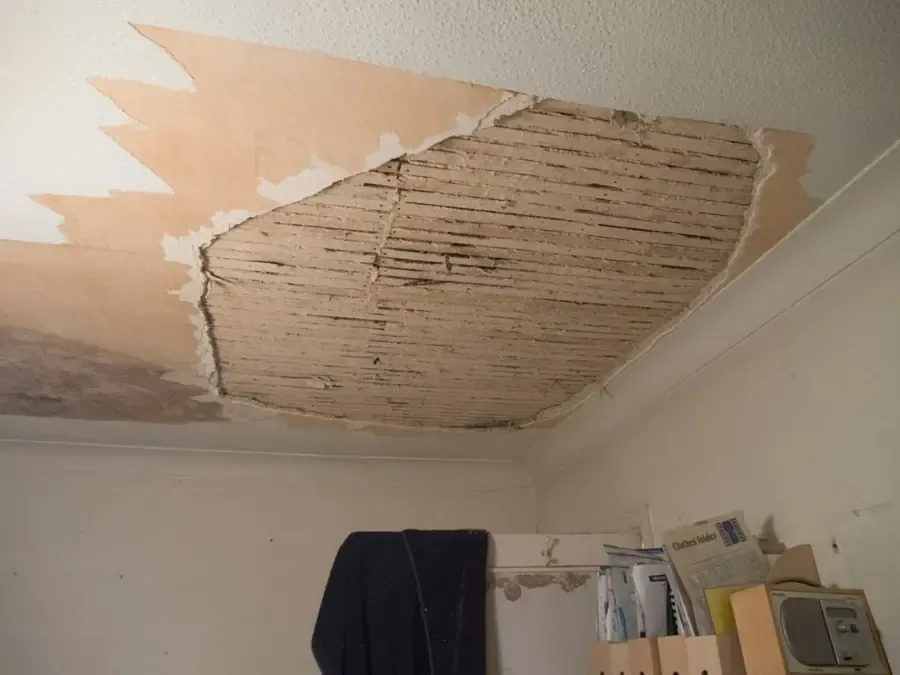
Roof Leak Water Damage
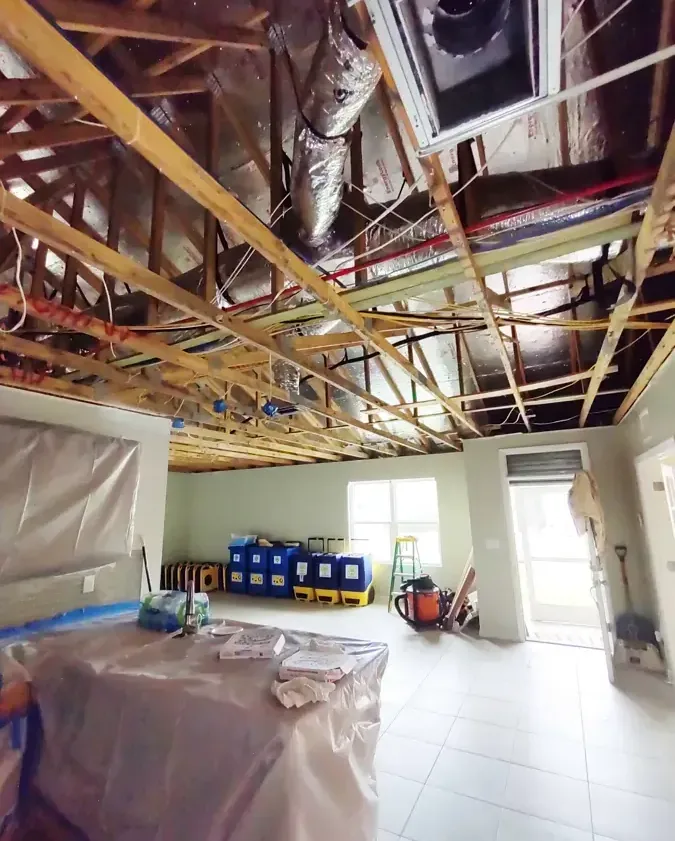
Water beneath a roof may travel along framing before appearing indoors. The roof repair and the interior drying scope need separate attention after the leak is controlled.
Roof Leak Water Damage details ›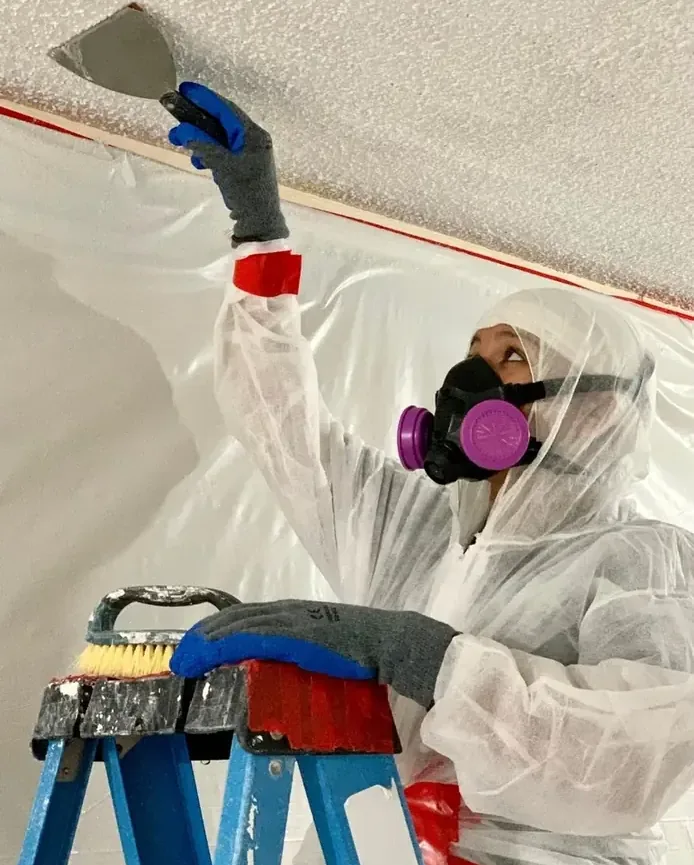
Ceiling Leak Water Damage
A stained ceiling deserves inspection above the visible mark. Wet insulation, electrical fixtures, and loose finish materials can change how the room below is safely accessed.
Ceiling Leak Water Damage details ›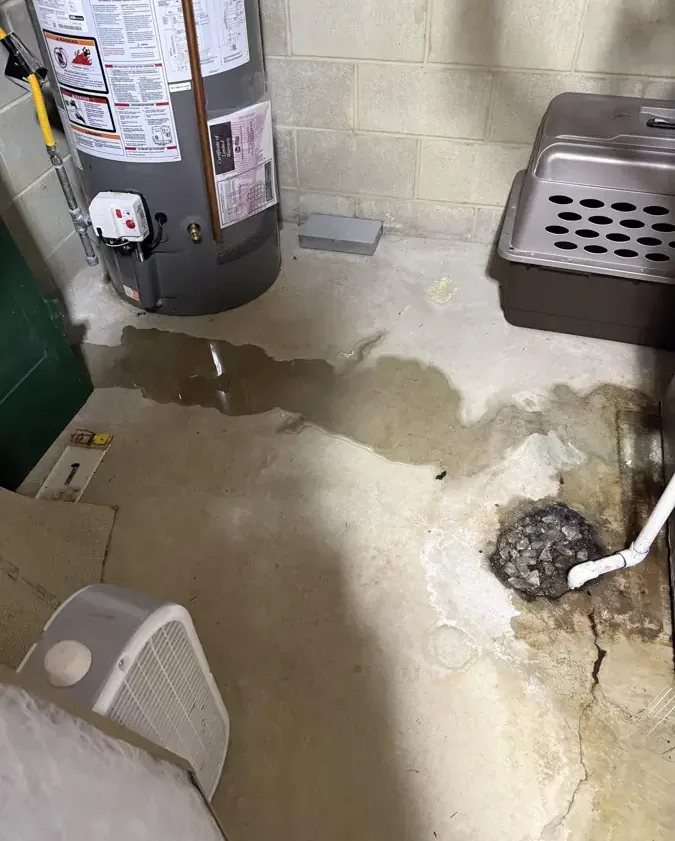
Water Heater Leak Cleanup
A leaking tank can soak nearby storage and finished flooring. Equipment isolation, safe access, and attention to the floor edges help define the required cleanup work.
Water Heater Leak Cleanup details ›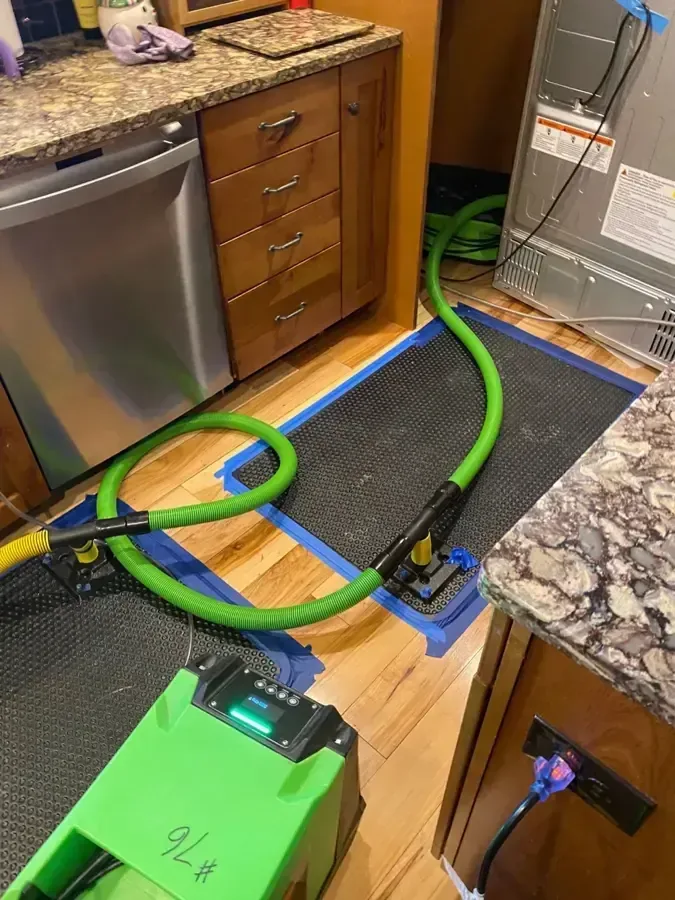
Appliance Leak Water Damage
Dishwasher and laundry leaks often reach places that a mop cannot touch. Cabinet bases, floor seams, and the room beneath the appliance may need further inspection.
Appliance Leak Water Damage details ›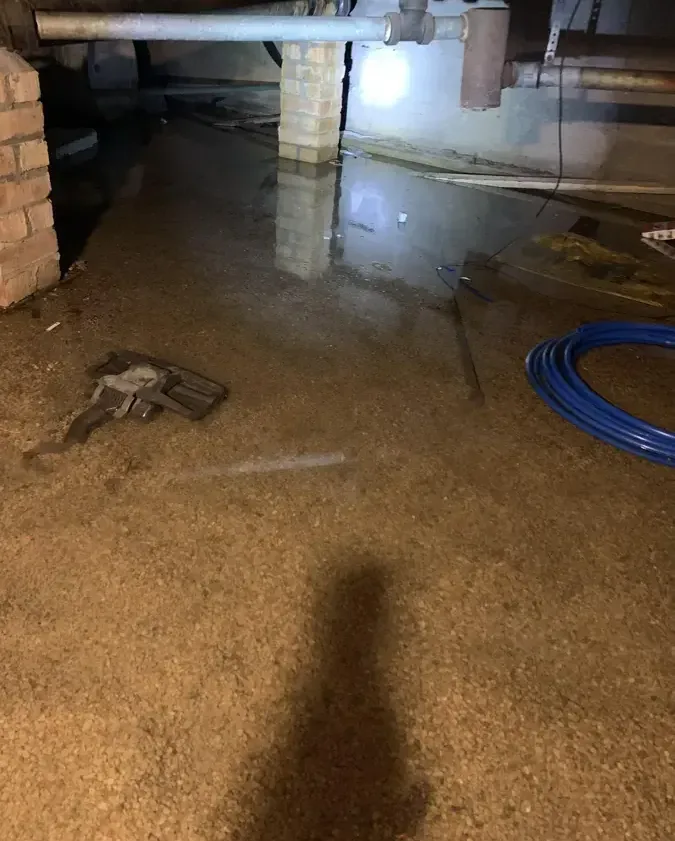
Crawl Space Water Removal
An underfloor void needs a safe entry assessment before water removal. Where a crawl space exists, wet insulation and timber receive their own inspection and drying plan.
Crawl Space Water Removal details ›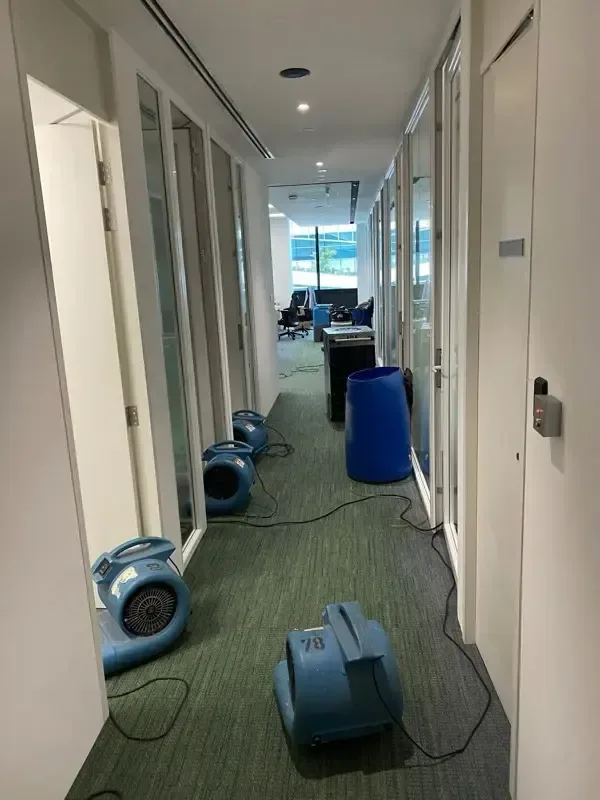
Structural Drying and Dehumidification
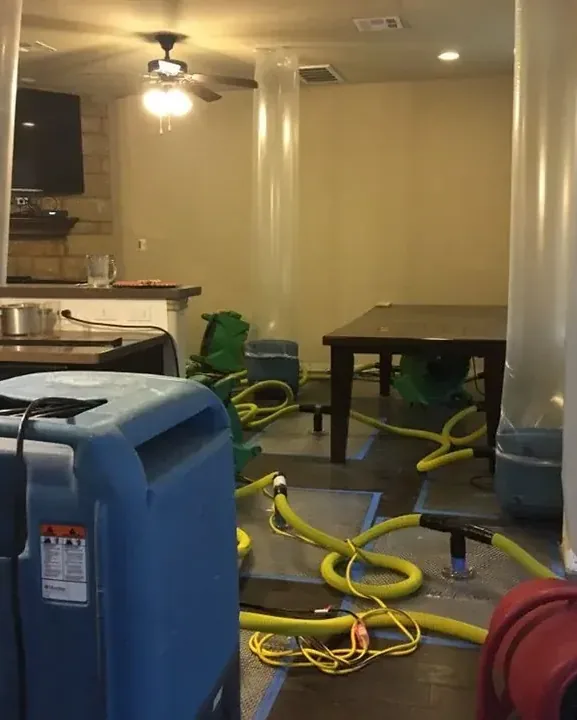
Drying targets depend on the material rather than the appearance of its surface. Repeated readings help track moisture in framing, subfloors, and other retained building components.
Structural Drying and Dehumidification details ›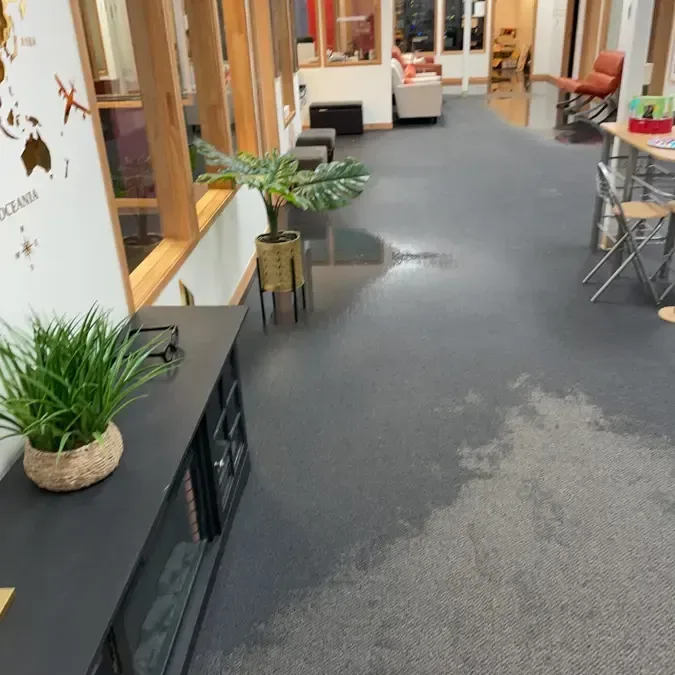
Commercial Water Damage
Workplaces need a clear boundary between usable space and cleanup activity. Equipment placement, contents protection, and access arrangements help organize restoration around the affected business areas.
Commercial Water Damage details ›
Frozen Pipe Water Damage
A thawing pipe may begin leaking after an earlier loss of flow. Safe plumbing assessment and inspection of nearby cavities help reveal the full extent of wet materials.
Frozen Pipe Water Damage details ›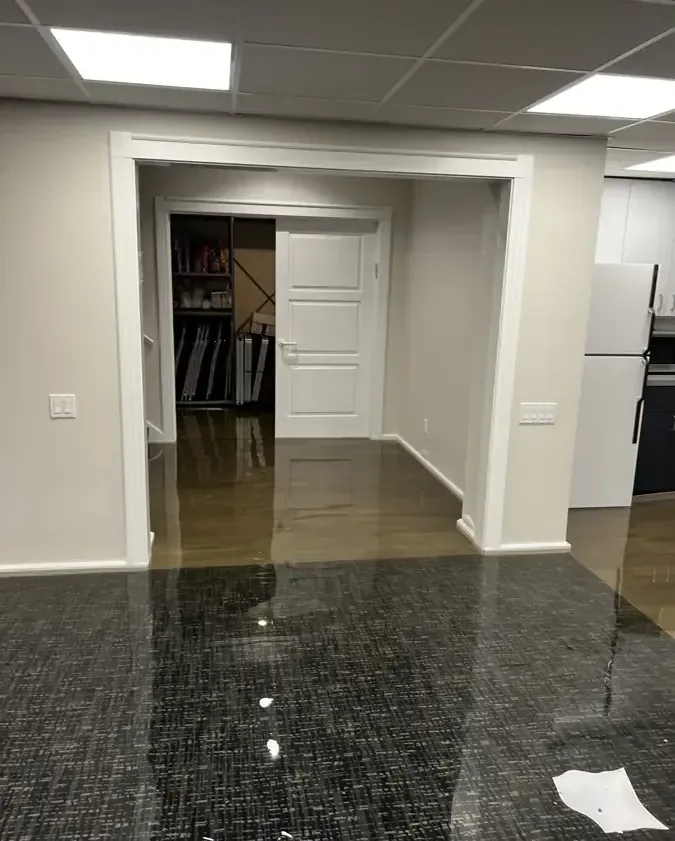
Basement Water Removal
Water at the bottom of a building can affect stairs, storage, and finished rooms. Pumping decisions depend on entry conditions, electrical safety, and the depth of water.
Basement Water Removal details ›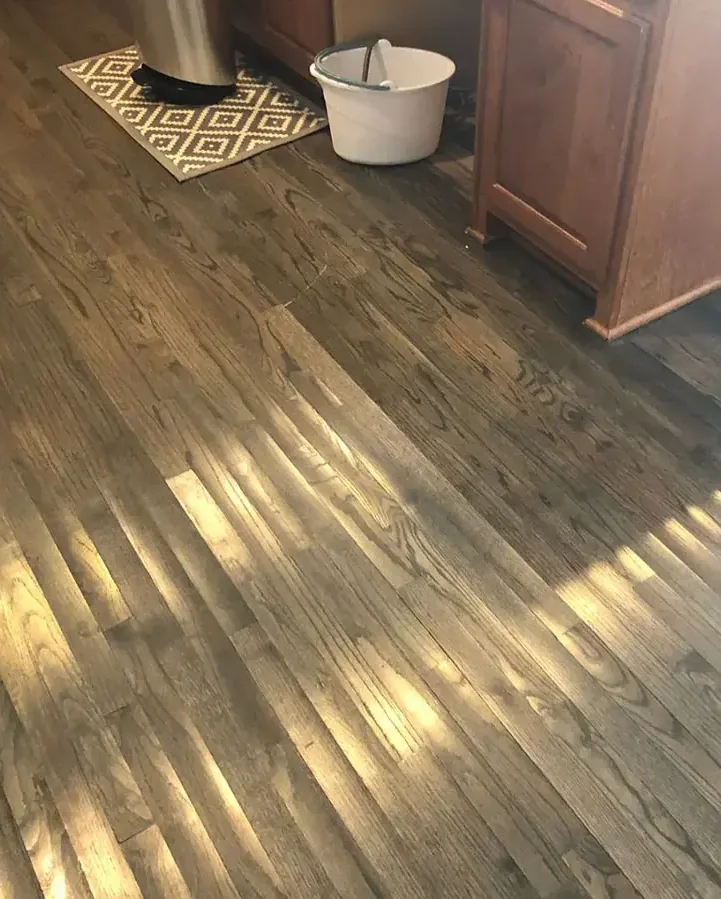
Hardwood Floor Water Damage
Raised board edges call for measurements beneath the visible finish. Floor drying considers the wood, fasteners, subfloor, and access before a repair or replacement decision is made.
Hardwood Floor Water Damage details ›Make room for a safe assessment
Keep away from hazards
Standing water near electrical equipment and a bowed ceiling both require restricted access. Household members should remain outside affected rooms until the immediate hazards are assessed.
Stop reachable water safely
A known supply valve may help contain a plumbing escape when it can be reached from dry ground. Damaged equipment needs attention from the appropriate trade.
Describe the wet area
Useful details include the room, the apparent source, and whether water has reached another floor. In a shared building, affected households should notify the property manager.
Record visible conditions
Photographs from a safe doorway can preserve the first signs of damage. A brief note about discovery and any shutoff helps connect the cleanup record to events.
Protect an accessible route
Dry hallways and stairs should remain clear for inspection equipment. Contents should only be moved when handling them avoids contact with unsafe water or unstable materials.
A sequence that follows the water
Restoration moves from safe access to removal, then material drying and repair preparation. Each decision should relate to an observed condition so the homeowner can understand the next practical step.
Locate the escape
The assessment connects visible damage to possible entry points and checks adjoining surfaces. Active leakage must be controlled before a stable drying plan can be established.
Reduce the water load
Extraction removes accessible water while the condition of soft finishes is evaluated. Unsalvageable materials are separated from components that can remain for further drying and inspection.
Dry reachable building layers
Equipment is arranged around exposed wet materials and safe electrical access. Repeated readings show whether the selected approach is reaching the moisture held within those layers.
Prepare the repair handoff
Final observations describe retained materials, removed finishes, and remaining source work. Repairs can then be planned around the actual condition of the building rather than its surface appearance.
Arlington neighborhoods and household access
Useful locations for an initial description
ZIP areas
Other nearby service areas
Explain the building as well as the location
The town includes single-family properties and double- and triple-decker homes. An initial description should identify the wet level and whether another household occupies the space beneath it.
In Jason Heights or Arlmont Village, a useful access note names the entrance, stairs, and any shared rooms. Safe access helps the assessment reach every affected area.
(888) 629-3140Describe the property accessThe equipment and building layers involved in cleanup
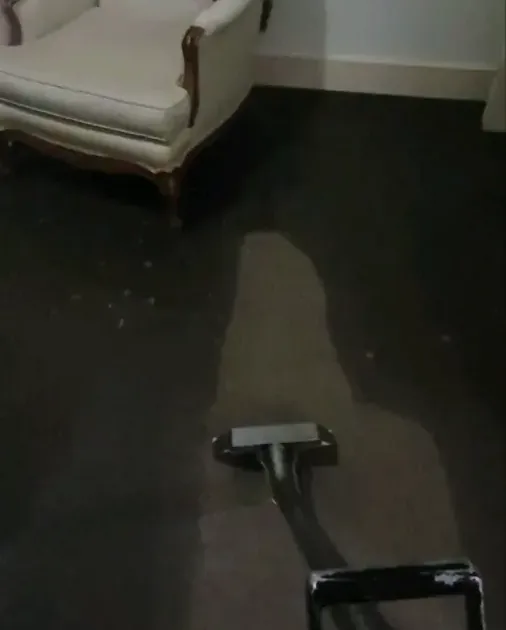
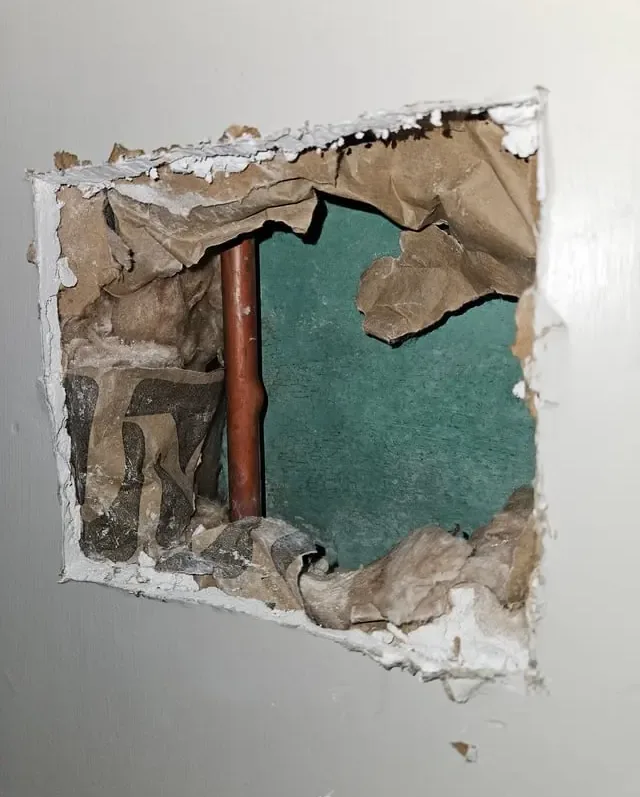
How a water loss is handled
Connected rooms considered
Water often escapes the room where it first appears. Inspection of thresholds, wall bases, and adjoining ceilings helps prevent a small visible stain from defining an incomplete cleanup scope.
Separate repair responsibilities
Stopping a pipe leak or repairing a roof addresses the source. Removing water and drying the building addresses its effects, with each task documented so the next trade has context.
Useful moisture records
Measurements marked by material and location make repeat visits meaningful. A dry surface alone cannot settle the condition of a layered floor or an insulated wall cavity.
Practical household coordination
Single-family and double- and triple-decker properties have different access arrangements. The plan should identify affected spaces, safe routes, and who can authorize entry into each occupied area.
Document the loss as it changes
Photos, material notes, and a clear account of discovery support a claim discussion. Coverage decisions belong to the insurer and depend on the policy and circumstances.
- Photographs showing the initial wet rooms
- Discovery notes and source repair details
- List of visibly damaged household contents
- Cleanup estimates and authorized scope changes
- Moisture records and retained service invoices
When the household pays directly
A household arranging payment directly still benefits from a written scope. The estimate should distinguish urgent removal from optional finish work and explain what additional inspection could change before any larger repair commitment.
Questions about disposal, equipment visits, and reconstruction should be settled early. A clear authorization record helps keep the cleanup tied to the affected rooms and the agreed work.
What changes an Arlington restoration estimate?
Planning ranges run from $1,000 to $10,000+ depending on the wet area, contamination, removal needs, and drying access. A written estimate should separate emergency cleanup from source repairs and finish replacement before work is authorized.
Limited wet area
$1,000 to $2,500
- Accessible room surfaces
- Focused water removal
- Simple drying access
Connected interior damage
$2,500 to $5,000
- Adjoining floor layers
- Wall cavity inspection
- Broader equipment placement
Extensive recovery work
$5,000 to $10,000+
- Several affected spaces
- Contaminated material handling
- Complex moisture pathways
These amounts help frame an initial discussion. The actual scope follows inspection findings, with separate approval for additional openings or damaged materials discovered beneath existing finishes during the work.
Water damage help in nearby towns
Water damage questions before repairs
Arlington Ceiling Leaks Between Stacked Living Areas
Arlington ceiling leak cleanup for stacked living areas: coordinating room access, tracing water between floors, and documenting hidden moisture before repairs.
Belmont Dishwasher Leaks Beneath Wood Flooring
Belmont dishwasher leaks beneath wood floors: following water behind cabinets, checking boards and subfloor, and planning drying before floor repair decisions.
Belmont Sewage in a Finished Basement
Belmont sewage basement cleanup: separating contaminated rooms, recording damaged finishes, coordinating drain repair, and checking materials before rebuilding.
Follow entry paths at the property
Mill Brook flows through town, while Spy Pond and the reservoir are local water features. An interior water assessment begins with the actual opening, plumbing failure, or wet building assembly.
Waterways and surface entry
Alewife Brook and the Mystic River border the town. After outdoor water enters, inspection should follow the threshold or foundation opening and identify affected floor layers.
Pondside surroundings
Spy Pond Park provides access to the pond's northeastern shore. For a wet property, the useful record identifies where water entered and whether dirt or debris traveled inside.
Stacked occupied rooms
Double- and triple-decker homes can place another living area below a leaking fixture. Permission to inspect that lower ceiling helps connect damage across household boundaries before finishes are repaired.
Concealed floor assemblies
A floor can retain moisture beneath an intact surface after visible water is removed. Material readings and selective access help distinguish a dry finish from a wet supporting layer.
Safe lower-level access
Stairs, stored belongings, and electrical equipment can restrict inspection beneath living rooms. The access plan should keep residents away from standing water while the affected space is assessed.
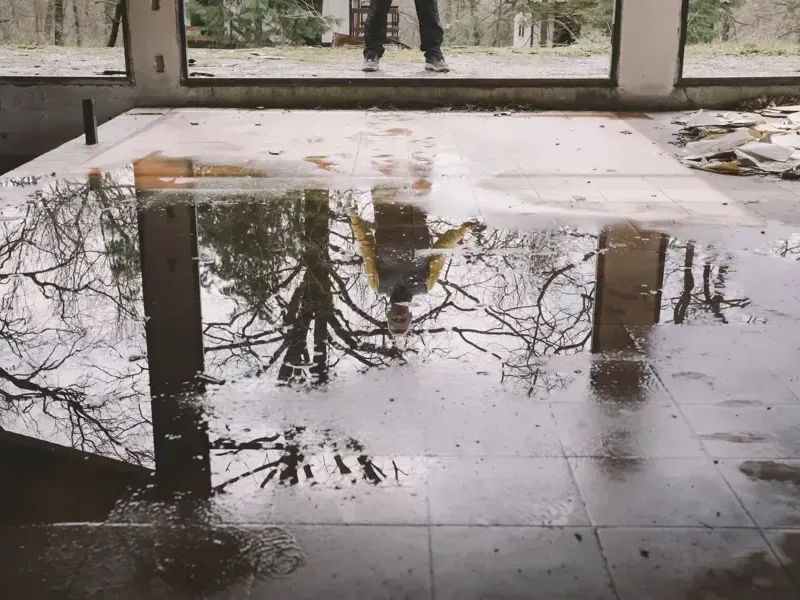
March 2022: A regional coastal flood intervention report included the town among participating communities. Household cleanup decisions still begin with the water entry point and conditions inside the affected building.
Questions after water appears indoors
What information helps during the first cleanup discussion?
The room, likely source, and current water condition provide a useful starting point. A homeowner can also describe any wet ceiling below, affected floor coverings, or blocked access. Photographs are helpful when they can be made safely without entering standing water.
Does a small stain mean a small repair?
The stain is a place to begin inspection. Water can travel along framing or collect behind finishes before appearing at the surface. Moisture measurements and an inspection above or beside the mark help determine which materials actually need attention.
How should a multifamily leak be handled?
The property manager should coordinate entry to affected households. A wet floor in an upper unit may connect to a ceiling below, so the inspection needs to follow that route. Each area should have clear notes about access and visible damage.
Can furniture remain in a wet room?
The answer depends on contamination, the furniture material, and access for drying. Items that obstruct inspection may need relocation. Heavy or unstable furniture should remain undisturbed until it can be handled safely, especially where the floor or ceiling has been damaged.
Will removing the water finish the cleanup?
Extraction addresses accessible liquid. Moisture held in wallboard, timber, carpet backing, or subfloor layers needs a separate drying assessment. The completion decision should reflect the condition of retained materials instead of relying only on the absence of puddles across the floor.
What happens when a drain backs up?
Access to the contaminated area should be restricted, and plumbing use connected to the backup should stop pending assessment. Wastewater cleanup involves cleaning reachable surfaces and evaluating porous finishes for removal. Household fans should stay off until the contamination is addressed.
Who decides whether insurance covers the damage?
The insurer interprets the policy and evaluates the cause and circumstances of the loss. Restoration records can document damage and the work performed. Homeowners should retain estimates, photographs, and repair invoices while discussing deductibles and coverage directly with the insurer.
Does every wet floor need replacement?
Some materials can remain after suitable drying, while others lose strength or become unsuitable because of contamination. Inspection should consider the whole assembly, including layers beneath the finish. Replacement decisions are clearer once access, material condition, and moisture readings are documented.
When can finish repairs begin?
Repairs should follow source control and verification of the materials that will be enclosed. Installing paint, flooring, or wallboard over retained moisture can interfere with recovery. The handoff should identify any remaining plumbing or exterior work before the repair schedule is set.
Describe the damage and the affected rooms
An initial conversation can organize the source problem, visible damage, and safe access needed for a practical cleanup assessment.
(888) 629-3140Discuss the next inspection