Appliance Leak Water Damage in Arlington
The puddle in front of an appliance may be the easiest part of the damage to see. Inspection also needs to reach cabinet bases, floor layers, and any occupied room underneath.
(888) 629-3140Discuss the appliance spill route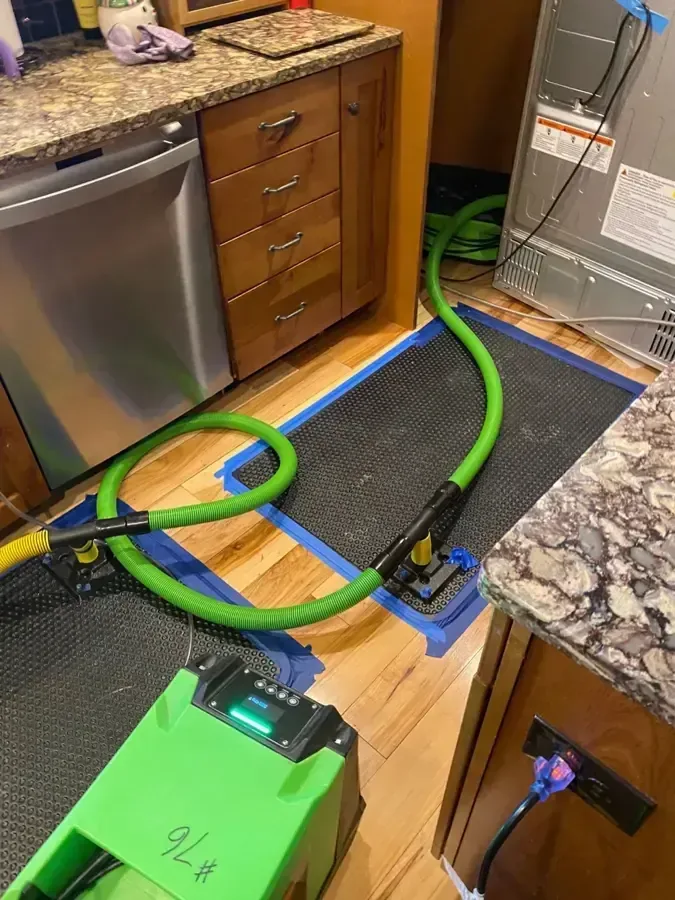
An appliance can leak into spaces that remain hidden during ordinary use. Water beneath a dishwasher may reach a cabinet base, while a laundry escape can move through flooring into a room below. Arlington's mix of single-family and multifamily homes makes that lower-space check important when another occupied area is present. In Poets' Corner, the first report should name the appliance, the floor around it, and any adjoining room where moisture has become visible.
How appliance leak water damage is handled
Assess the appliance escape
The assessment records the equipment involved, its service status, and visible spread. Safe disconnection and planned movement determine when the concealed floor, wall, and cabinet surfaces can be reached for inspection.
Inspect surrounding assemblies
Cabinet bases, floor transitions, and any lower ceiling are checked for connected moisture. Findings distinguish physical damage from retained water and identify where removal is needed to reach an inaccessible wet layer.
Recover suitable building materials
Accessible water is removed and damaged barriers are handled under the agreed scope. Retained components receive drying with equipment positioned around repaired connections and necessary household movement through the affected room.
Prepare cabinet and floor repairs
The handoff describes hidden findings, removed materials, and retained layers. Appliance service and finish repair can then be coordinated without enclosing damp construction or blocking access required for the remaining work.
Look behind the equipment footprint
Safe appliance disconnection belongs to the appropriate repair trade. Pulling equipment forward without assessing its connections can complicate the original problem. Once suitable access is available, the inspection can examine the rear wall, floor beneath the unit, and neighboring cabinet edges. Those surfaces may explain why a small puddle returned after wiping or why a nearby trim piece has swollen despite a clean-looking room.
- Dishwasher leaks can reach the space behind a cabinet toe kick and beneath adjoining flooring.
- Laundry water may pass through floor openings before appearing on the ceiling in a lower room.
- Floor seams deserve inspection where the appliance footprint meets a different finish or room threshold.
- Composite cabinet materials need condition checks when their lower edges have absorbed escaping water.
- Equipment service notes should identify the repaired connection or component separately from the affected building finishes.
- Access behind the appliance should remain available long enough to assess surfaces exposed during repair work.
A household in Arlmont Village may need cabinet access, while one in Morningside may report a wet lower ceiling. The cleanup follows those actual symptoms and the construction found behind them.
Water still spreading?
A leak beneath household equipment can reach cabinets and rooms beyond the visible puddle. Describe the appliance, nearby floor changes, and any lower ceiling symptoms so the assessment can organize safe access to the concealed damage.
(888) 629-3140Describe concealed appliance water damageDecide which surrounding materials can remain
Cabinet finish, floor covering, underlayment, and wallboard each respond differently to moisture. A swollen component may have physical damage that drying cannot reverse. Another surface may remain suitable but require access beneath it to remove trapped water. The work description should explain these distinctions so the homeowner understands whether the task involves drying, selective removal, or preparation for replacement.
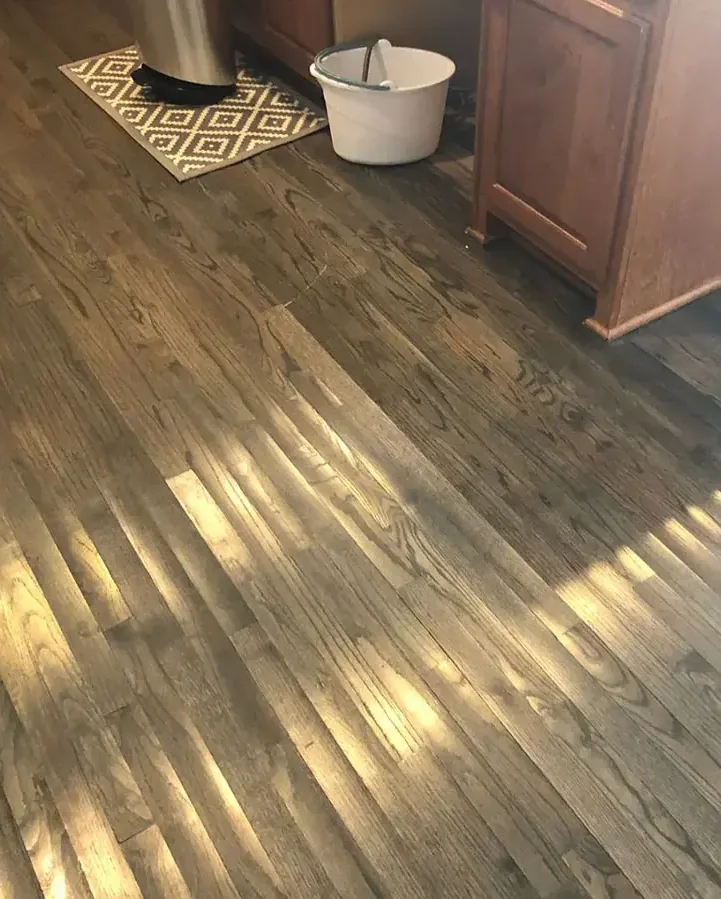
Where wood flooring is affected, hardwood water damage assessment considers both boards and the layers below. If another household reports an overhead stain, ceiling leak cleanup connects that room to the upper appliance escape. Keeping these observations together is useful in a double- or triple-decker property where permission and access may differ between the source room and the space below it.
- Equipment movement should be coordinated so drying access does not disturb repaired connections.
- Cabinet contents may need relocation before lower sections can be inspected or removed.
- Moisture observations should identify hidden areas that were only reachable after appliance service.
Keep the work area safe
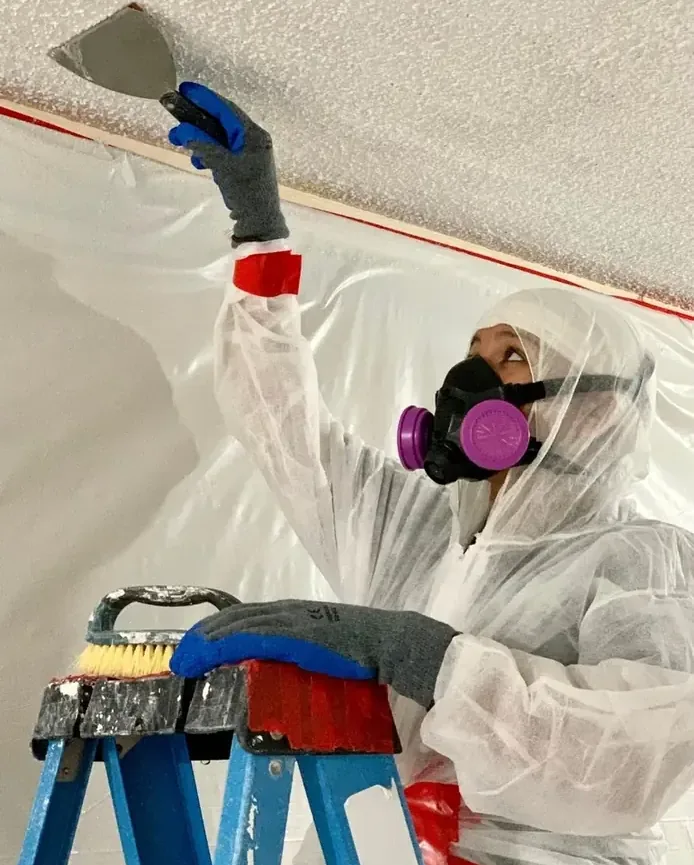
The response team checks electricity, unstable surfaces and water contamination before opening wet materials. Household members keep children and pets away from affected rooms. A qualified electrician handles wet circuits. The cleanup crew sets containment when dirty water or debris could reach occupied space, then establishes a safe route for equipment and removed material.
Return the room to use in a practical sequence
Repairing the appliance can restore its function while surrounding materials still need attention. The cleanup handoff should distinguish safe equipment operation from completion of floor or cabinet work. Drying arrangements must preserve appropriate access to connections and avoid blocking necessary routes through the home. Replacement finishes belong after the retained layers have been assessed and the source problem has been resolved.
Describe the concealed damage clearly
Photographs beneath the appliance and behind removable cabinet sections can explain work that is invisible from the doorway. The record should connect those images to the initial spill and any lower-room symptoms. This gives the homeowner and the repair trade a useful account of why the scope extends beyond wiping the exposed floor.
First decisions for appliance leak water damage
Stop using the affected appliance
Residents should pause the appliance cycle and avoid handling electrical connections from a wet position. Safe isolation and disconnection need appropriate assessment before the equipment is moved or the hidden floor area is reached for cleanup.
Notice connected room symptoms
A wet threshold, swollen cabinet edge, or ceiling stain below can reveal the route of the escape. These observations should be reported together so inspection access includes more than the visible puddle immediately in front of the appliance.
Coordinate service and access
The equipment technician and cleanup provider need compatible access arrangements. A repaired appliance may still need to remain accessible while wet surfaces behind or beneath it are assessed and the surrounding building materials receive further attention.
Keep the damage record connected
Safe photographs of the appliance area and any lower room help explain the relationship between them. Property contacts should arrange entry where another household controls the affected space, keeping source repair details available alongside the cleanup observations.
What does appliance leak water damage cost in Arlington, MA?
Appliance leak cleanup in Arlington has planning ranges from $700 to $4,500+. Cabinet access, floor layers, and damage below the appliance affect the estimate. Equipment repair should be separated from water removal, drying, and replacement finish work.
Accessible small spill
$700 to $1,500
- Exposed water
- Simple access
- Focused material assessment
Cabinet and floor layers
$1,500 to $3,000
- Wet cabinet bases
- Concealed flooring moisture
- Selective access openings
Concealed connected damage
$3,000 to $4,500+
- Lower room involvement
- Restricted layer access
- Expanded repair preparation
Category of water, square footage, material class and drying delay shape the scope. water damage cost calculator gives an estimate only.
Appliance leak water damage across Arlington
Appliance cleanup assessments include Poets' Corner, Arlmont Village, and Morningside. Reports should identify the equipment, any cabinet swelling, and whether water has reached a doorway, shared space, or occupied room beneath the source.
The same service nearby: appliance leak water damage in Belmont, Winchester, Cambridge.
Appliance Leak Water Damage questions in Arlington, MA
Why inspect behind an appliance after the spill is wiped?
The visible floor may be dry while water remains beneath the equipment or inside nearby cabinet construction. Inspection of those hidden surfaces helps determine the full affected area. Access should be coordinated with safe equipment disconnection so the original connections and repaired components are not disturbed during cleanup.
Can swollen cabinet bases recover through drying alone?
Drying removes retained moisture but may not reverse physical swelling or loss of strength. Cabinet materials need their own condition assessment before retention is chosen. The scope should explain whether a component can remain, needs selective removal, or requires replacement after surrounding layers have been reached and evaluated.
Should the appliance be pulled out immediately?
Equipment movement should follow safe handling of power, water, and other connections. Pulling an appliance without that assessment can create additional problems. The appropriate service trade can coordinate access so the restoration inspection reaches the floor and wall behind it without compromising the repaired equipment or its connections.
What if a downstairs resident reports a stain?
That report should be linked to the upper appliance escape and shared with the property manager. Access to the lower room helps trace moisture through the floor assembly. The lower ceiling needs assessment even if the appliance has been repaired and the upper floor now appears clear of water.
Does a repaired dishwasher mean the kitchen is ready?
Equipment function and building recovery are separate questions. The surrounding cabinet and floor materials may remain wet or physically damaged after the source is fixed. The cleanup record should explain any remaining drying, access, or finish work that affects ordinary use of the kitchen and the appliance area.
How can hidden damage be documented for repair planning?
Photographs taken after safe access is opened can show wet cabinet interiors, floor layers, and the wall behind equipment. Notes should connect those findings to the original spill. This record helps the homeowner understand selective removal and gives the finish repair trade useful information about the surfaces being replaced.
Discuss cabinet and floor cleanup
Mention planned equipment service so the hidden surfaces can be inspected while suitable access is available.
(888) 629-3140Arrange the appliance area assessment