Appliance Leak Water Damage in Cambridge
A dishwasher or washer can leak out of sight before water reaches the open floor. Inspecting behind the appliance and beneath nearby finishes reveals the damage that a quick wipe can miss.
(888) 629-3140Discuss hidden appliance water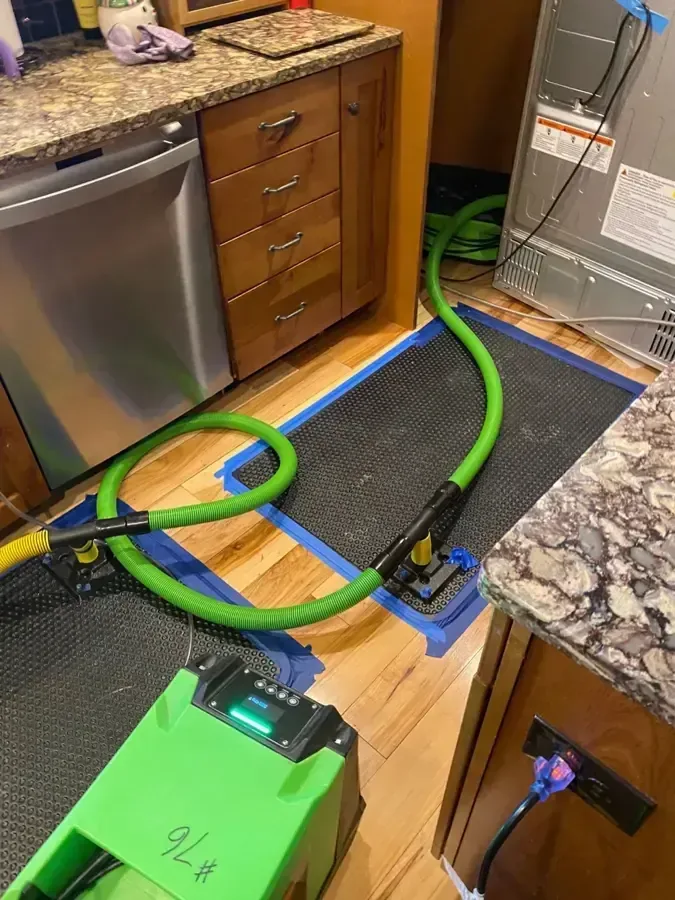
A toe kick can hide water long enough for a cabinet base to swell before the open kitchen floor looks wet. Laundry equipment can create a similar concealed loss behind a machine or beside a wall. For Cambridge properties around Agassiz, Harvard Yard and North Point, the appliance and room arrangement determine the inspection path. The assessment should establish the failed component and then follow the water into every affected finish around it.
How appliance leak water damage is handled
Link operation to the source findings
The assessment examines how the leak occurred and what the appliance repair identified. Water condition and the surrounding room materials then shape the removal and drying scope beyond the equipment itself.
Inspect cabinet and floor boundaries
Moisture checks follow toe kicks, wall junctions and floor seams. Obstructed areas are recorded, with selective access arranged where the appliance or a fixed panel prevents assessment of the wet assembly.
Dry retained concealed materials
Recoverable liquid is removed and suitable layers are exposed to controlled drying. Equipment placement responds to the actual cavity and floor arrangement, with measurements showing whether moisture is leaving the retained materials.
Coordinate reinstatement and finish repair
The handoff distinguishes dried components from those physically damaged beyond useful retention. Appliance testing, panel replacement and flooring work can then be scheduled without hiding an unresolved wet pocket behind a restored facade.
Distinguish the appliance problem from its damage
A supply connection, internal fault and discharge leak can release water under different conditions. Describe when the puddle appears and whether the appliance was running, filling or draining. An appropriate repair professional establishes the source. The restoration scope then considers the water condition and contact with cabinets, floor layers and adjoining walls, including areas that cannot be seen until the equipment is moved safely.
- Stop using the affected appliance until the fault and safe isolation have been addressed.
- Photograph swelling at cabinet edges or seams before panels are removed for access.
- Note whether water appears only during operation or continues while the appliance is idle.
- Avoid pulling a heavy machine across wet flooring or straining attached supply connections.
- Tell the assessor about the room below if the appliance sits above occupied space, since a small visible floor leak can enter the assembly beneath it.
These observations help organize the investigation. The actual source findings should remain connected to the material record so cabinet damage and floor saturation are not treated as unrelated repair items.
Water still spreading?
Hidden appliance water can remain beneath a cabinet after the visible spill is gone. Describe the machine, the timing of the leak and any changed floor or panel edges so assessment can target the concealed surfaces that need access and drying.
(888) 629-3140Assess the appliance spill pathReach the places a mop cannot touch
Water beneath a cabinet or continuous floor covering may evaporate slowly. A dry-looking surface does not show whether the supporting layer remains damp. Access can involve a removable panel, movement of the appliance or selective finish removal. Each opening should have a clear purpose, with retained materials identified so the drying plan can reach them without unnecessary disruption to the rest of the room.
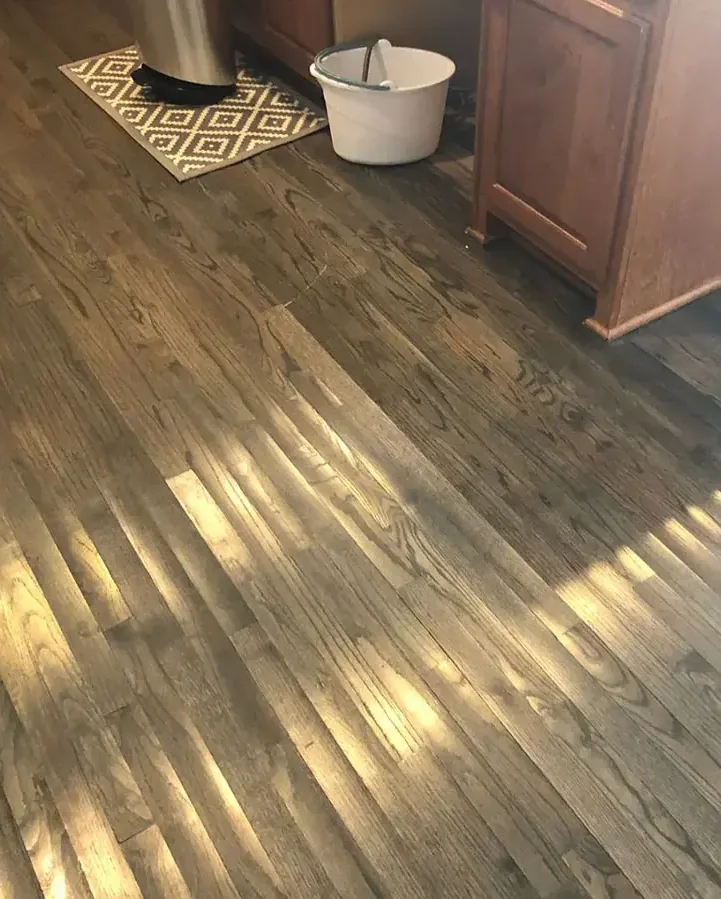
When wood boards have changed shape, hardwood floor assessment adds attention to the boards and substrate. Structural drying addresses retained cabinet-adjacent walls and other assemblies after the source is controlled and accessible liquid has been recovered.
- Check the back of an accessible cabinet base rather than only its finished front edge.
- Inspect floor transitions where a continuous covering carries moisture toward the next room.
- Record damaged panel edges before deciding whether drying can preserve their shape and function.
Keep the work area safe
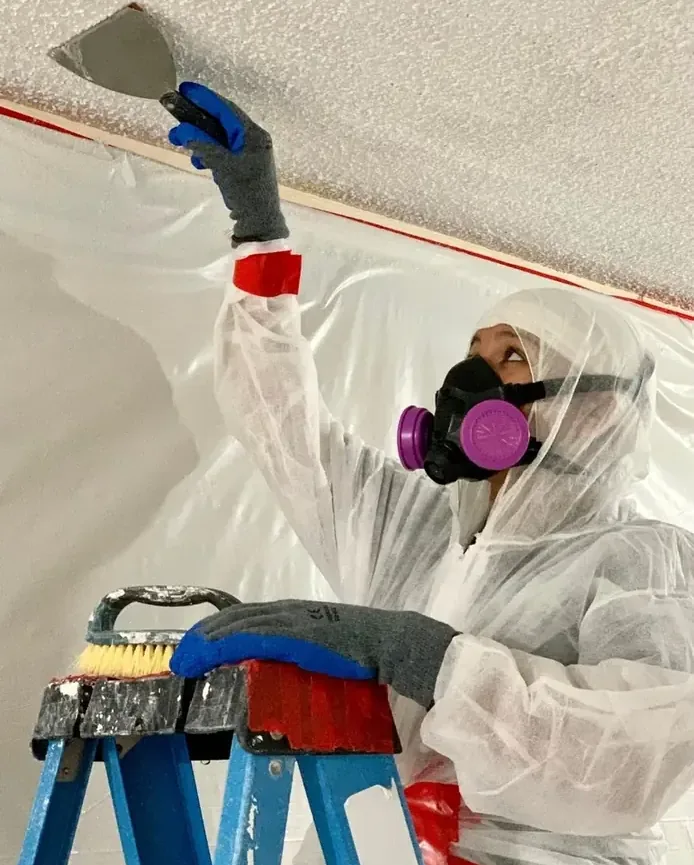
The response team checks electricity, unstable surfaces and water contamination before opening wet materials. Household members keep children and pets away from affected rooms. A qualified electrician handles wet circuits. The cleanup crew sets containment when dirty water or debris could reach occupied space, then establishes a safe route for equipment and removed material.
Restore function without trapping the remaining moisture
A repaired machine can be ready for use while the surrounding finish is still drying. Coordinate testing and reinstallation with the restoration work so new water is distinguishable from residual moisture. A replacement panel or appliance should not block the only access to a damp cavity. The repair handoff should state which areas are ready and which remain open for monitoring.
Use the cabinet condition to inform repairs
Swelling, separation and surface damage affect whether a cabinet component can remain. Drying may reduce moisture without reversing physical deformation. The owner needs that distinction explained before cosmetic repairs begin. Photographs, moisture observations and the appliance repair findings together create a practical record for scheduling any panel replacement, flooring work or final reinstallations around the resolved leak.
First decisions for appliance leak water damage
Stop the appliance cycle safely
Avoid continued use of the leaking equipment and do not handle wet electrical connections. Arrange the appropriate repair assessment so the source can be isolated before testing or further water use worsens the loss.
Observe the leak timing
Write down whether water appeared during filling, draining or idle periods. Include visible cabinet or flooring changes, since those details help direct inspection without requiring anyone to move the machine prematurely.
Protect the hidden inspection route
Keep the appliance surroundings accessible and avoid stacking belongings against wet panels. Safe photographs of cabinet bases, flooring seams and nearby walls preserve the initial condition before selective access or equipment movement begins.
Coordinate any appliance movement
The responsible trade should account for attached connections, appliance weight and vulnerable flooring. Restoration access needs should be shared before the machine is reinstalled so concealed wet surfaces are not covered too soon.
What does appliance leak water damage cost in Cambridge, MA?
Cambridge appliance leak restoration ranges depend on cabinet access, floor layers and concealed migration. A visible puddle may represent only part of the work. The estimate should separate equipment repair from water recovery, material drying and replacement finishes.
Accessible small spill
$700 to $1,500
- Open area recovery
- Localized edge checks
- Simple drying access
Cabinet and floor layers
$1,500 to $3,000
- Panel access planning
- Substrate moisture assessment
- Retained material monitoring
Concealed connected damage
$3,000 to $4,500+
- Hidden inspection
- Room inspection
- Complex finish coordination
Category of water, square footage, material class and drying delay shape the scope. water damage cost calculator gives an estimate only.
Appliance leak water damage across Cambridge
Appliance leak assessments cover Cambridge homes and apartments around Agassiz, Harvard Yard and North Point. Share the machine location, observed operating pattern and any room below so the inspection can follow concealed water migration.
The same service nearby: appliance leak water damage in Belmont, Somerville, Arlington.
Appliance Leak Water Damage questions in Cambridge, MA
Can a small dishwasher leak damage the floor underneath?
Water can collect beneath the appliance or travel under adjacent coverings before a large puddle appears. The floor beneath and nearby cabinet bases need inspection. Surface wiping may improve the visible room while leaving the supporting layer damp, so the assessment should follow the concealed route.
Should the machine be pulled out immediately?
Moving a heavy appliance can damage flooring or strain connected plumbing and electrical components. Arrange safe movement with the responsible trade and explain the restoration access needs. Photographs and observations from the accessible edges can help document the loss before the machine is moved.
Will drying restore a swollen cabinet panel?
Drying removes moisture but may not reverse swelling, separation or distortion in a damaged panel. The component's condition determines whether it remains functional and repairable. The work scope should distinguish retained materials that need drying from components that require replacement after the moisture problem is resolved.
Why ask whether the leak occurred during draining?
Operating stage can help the repair professional investigate the source and understand the water involved. It is useful context alongside direct findings, not a substitute for diagnosis. Cleanup decisions then reflect the actual release, affected materials and how far the water traveled beyond the appliance.
Can the appliance be used while the room dries?
Use depends on the completed source repair, safe connections and the drying arrangement. Testing or operation should be coordinated so it does not interfere with equipment or rewet exposed layers. The owner should receive clear instructions from the relevant trade about when the appliance can return to service.
What if water reached the ceiling underneath?
The lower room becomes part of the loss assessment, including its overhead finishes and electrical concerns. Notify the property manager if separate occupants need access coordination. The restoration scope should connect that ceiling damage with the appliance source rather than treating the visible kitchen or laundry floor as the entire loss.
Discuss cabinet and floor damage
Coordinate equipment repair with the surrounding material assessment before panels and appliances return to their finished positions.
(888) 629-3140Assess concealed appliance moisture