Storm and Flood Cleanup in Belmont, MA
Outdoor water carries dirt into the building and can hide beneath finished surfaces. The cleanup crew checks safe entry, removes floodwater and debris, and dries retained materials after contamination control.
(888) 629-3140Discuss rainwater inside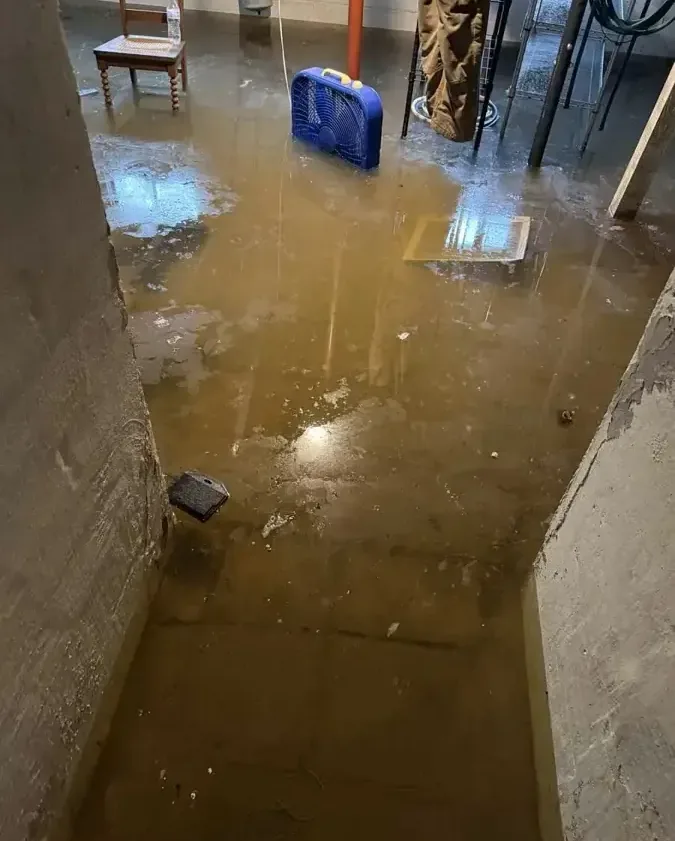
Clay Pit Pond and Wellington Brook are part of Belmont's drainage setting. The pond receives brook water and drains through a culvert beneath Brighton Street. A household near Concord Avenue still needs a property-specific investigation of the actual entry point when rain reaches the interior. The cleanup team checks doors, low openings and affected lower rooms while treating outdoor floodwater as contaminated. A nearby water feature alone does not determine the damage scope.
How storm and flood cleanup is handled in Belmont
Assess flood conditions
The team checks outside water, indoor depth and safe power before choosing equipment. The household describes the entry timing and any ongoing flow, helping the contractor decide how removal can proceed safely.
Remove water and debris
Workers pump or extract floodwater and clear sediment using controlled routes. The contractor inventories contaminated porous contents and finishes, photographing the condition before material leaves the building for disposal.
Clean and expose surfaces
The crew removes residue and opens wet assemblies where needed. Appropriate products follow label directions, and contamination control precedes the airflow used to dry retained structure within the work area.
Verify the retained structure
The drying technician records moisture changes and adjusts equipment to the actual materials. Final readings and the cleaned-room scope support a clear handoff before new insulation, flooring or wall finishes go back.
Wait for safe access before starting flood removal
Stormwater can obscure steps, sharp objects and electrical hazards. The response team checks structural conditions and coordinates electrical clearance before bringing pumps into the building. Where outside water remains high, the contractor considers pressure and ongoing entry before choosing a pumping sequence. Household members stay outside unsafe rooms and preserve photographs only from a secure position.
- The crew documents the visible water height and the point where water entered.
- Workers identify sediment and debris that require controlled removal before drying.
- The contractor checks wet floor coverings, wall bottoms and concealed spaces beside the initial room.
- The household keeps food, medicines and children's belongings away from flood-affected storage.
- Workers inspect storage corners and the floor beneath low shelves for trapped sediment, preserving a record before the water level and debris pattern disappear during removal.
- The technician rechecks the entry boundary after another period of rain so fresh water receives attention and the drying record continues to reflect the building’s current condition.
For properties around Waverley Square, safe access and an accurate room inventory matter more than a broad assumption about neighborhood flooding.
Water still spreading?
Rainwater inside needs an entry-point assessment and a cleanup plan that includes sediment. The restoration team documents the wet boundary, removes affected materials and checks the structure before rebuilding starts.
(888) 629-3140Review the floodwater entryClean the affected assembly before drying it
Outdoor water can contact soil, waste and other contaminants on its way inside. The contractor assesses the category and removes affected porous finishes where retention is unsuitable. Mud left beneath a floor or behind a wall cannot disappear through dehumidification. The crew physically removes residue, cleans appropriate surfaces and follows product labels for any antimicrobial treatment.
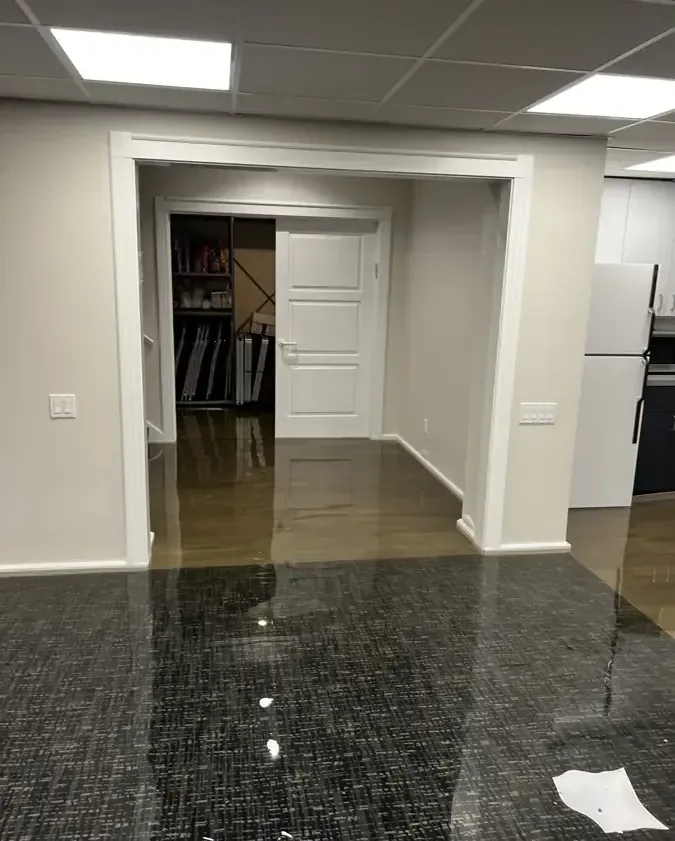
The inspection follows water into adjacent rooms and storage spaces. A clean-looking edge may still have received contaminated water, so the team uses the water path and material condition to define removal. Household members avoid using fans across untreated dirty surfaces.
- The crew separates clean contents from flood-soaked items before moving them.
- Workers protect the debris route and photograph materials before disposal.
- The contractor records source-control work needed before closing affected walls.
- Technicians recheck low points if rain continues during cleanup.
Ready.gov flood safety explains immediate flood precautions.
Keep the work area safe
The response team checks electricity, unstable surfaces and water contamination before opening wet materials. Household members keep children and pets away from affected rooms. A qualified electrician handles wet circuits. The cleanup crew sets containment when dirty water or debris could reach occupied space, then establishes a safe route for equipment and removed material.
Measure the structure after the water recedes
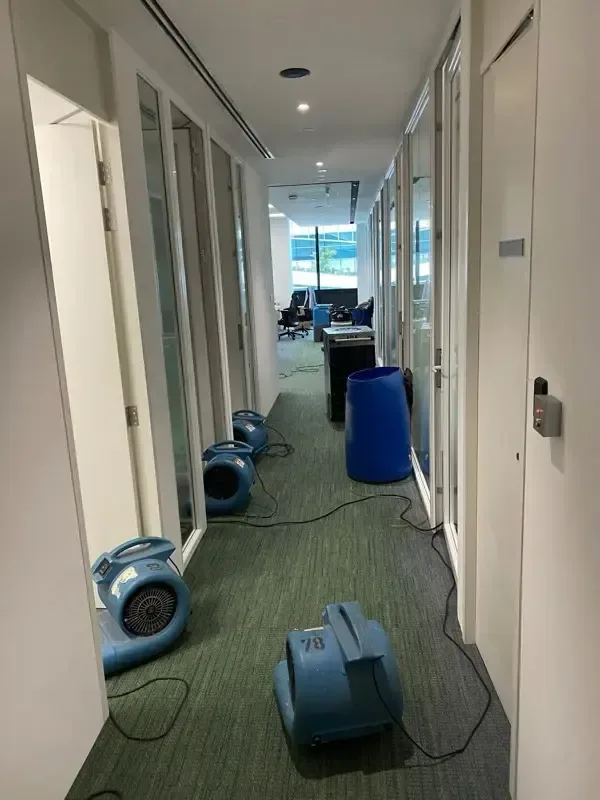
Once the work area is suitable for drying, technicians establish material references and monitor progress. LGR dehumidifiers reduce humidity while air movers support evaporation from exposed surfaces. Dense flooring and hidden wall components can need different drying arrangements. The contractor tracks changes instead of treating every room as one uniform load.
Documentation for your insurance claim
The claim record identifies outdoor entry, water height, contaminated material removal, cleaning and subsequent drying. Photographs taken before demolition help preserve the original condition. The household checks flood coverage and any applicable policy requirements with its insurer. A standard homeowners policy and a flood policy can address different causes, so the cleanup team supplies evidence without promising reimbursement.
First decisions for storm and flood cleanup in Belmont
Keep entry controlled
The response team assesses electricity, unstable materials and water depth before anyone enters. Household members avoid flooded stairs and rooms, even when the water appears shallow or the visible flow has slowed.
Record the entry route
The contractor notes the actual door, opening or surface where water entered. Photos and a simple timeline help distinguish outdoor flooding from an indoor pipe failure that happened during the same storm.
Treat sediment as part of the loss
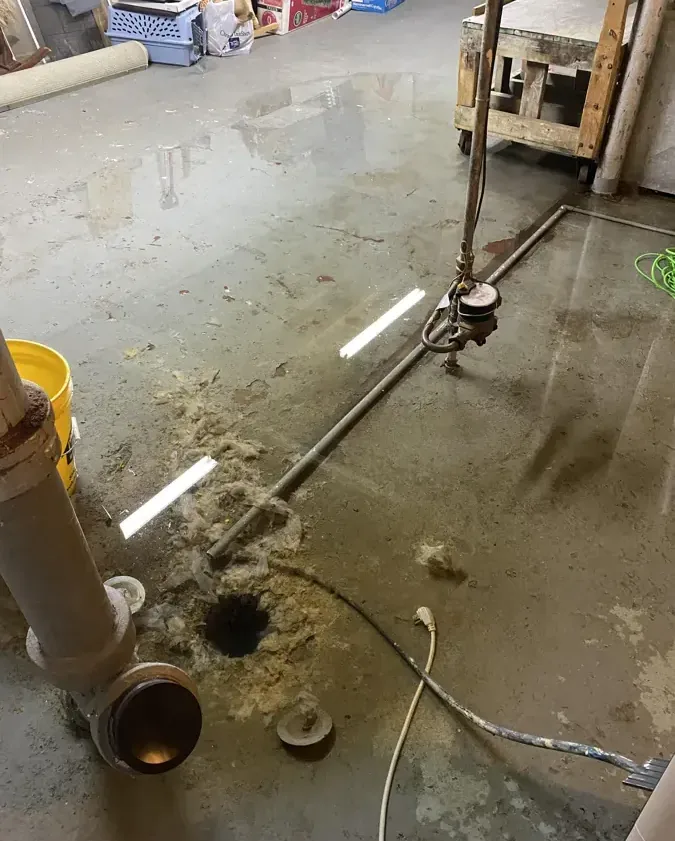
The cleanup crew removes debris from accessible cavities and floor layers. Drying equipment cannot replace physical cleaning when contaminated mud remains under coverings or in corners of the affected room.
Plan for recurring rain
The contractor coordinates temporary source control and keeps access to wet areas clear. A new rain period can change conditions, so the team rechecks vulnerable entry points while structural drying continues.
What does storm and flood cleanup cost in Belmont, MA?
Storm and flood cleanup in Belmont often costs $2,500 to $12,000 for affected residential interiors. Water depth, contamination, sediment, removal access and the size of the drying zone influence the range; rebuilding remains separate.
Limited entry area
$2,500 to $4,500
- Controlled extraction
- Debris cleaning
- Initial material checks
Finished lower rooms
$4,500 to $8,000
- Porous finish removal
- Contents separation
- Monitored drying
Extensive interior flooding
$8,000 to $12,000+
- Multiple wet spaces
- More debris handling
- Complex access
Category of water, square footage, material class and drying delay shape the scope. Belmont water damage cost calculator gives an estimate only.
Storm and flood cleanup across Belmont
Water damage service covers ZIP 02478, including Belmont Center, Cushing Square, Waverley Square and Belmont Hill. The restoration team assesses the actual wet rooms and access conditions before setting the extraction and drying scope.
Arlington, Waltham, Cambridge, Somerville and Winchester are also within the service area.
Related water damage services in Belmont
Storm and Flood Cleanup questions in Belmont, MA
Is rainwater indoors always safe to touch?
Water that crosses outdoor surfaces can carry contamination into the building. The crew evaluates its route and the materials it contacted rather than relying on appearance. Household members avoid direct contact, keep pets away and leave extraction and removal in unsafe areas to the appropriately equipped cleanup team.
Should a flooded lower level be pumped immediately?
The contractor first checks electricity, structural conditions and outside water pressure. The removal sequence depends on the building and whether water continues entering. A household should not enter a flooded room to operate a pump or electrical switch. Safe access and source conditions determine the first practical step.
Does a nearby pond establish a flood zone?
An individual property needs a location-specific map review. The FEMA mapping service provides flood hazard information, while the contractor documents the actual indoor entry route. Clay Pit Pond and Wellington Brook give local drainage context, but a named water feature alone does not identify a building’s mapped designation.
Why does cleanup include removing wall material?
Floodwater can soak porous finishes and leave contamination behind their visible face. The crew checks the wet boundary and removes unsuitable material to reach the affected assembly. Photographs and measured conditions explain the extent. Cleaning and drying retained structure then proceed without leaving contaminated debris concealed in the wall.
What records should the household preserve?
Safe photographs, the time water first appeared, the visible entry point and a list of affected rooms provide useful starting information. The contractor adds removal records, equipment details and moisture measurements. The household checks its insurer’s reporting requirements and keeps source-control or repair records with the cleanup paperwork.
Can drying start before the rain stops?
Work can proceed in safely accessible areas when source control and contamination conditions allow. The contractor monitors continuing entry and adjusts the plan if new water arrives. Cleaning and removal remain necessary before uncontrolled airflow crosses dirty surfaces, and equipment placement must account for safe power throughout the job.
Start with safe flood cleanup decisions
The crew separates removal, cleaning and drying so each affected room has a clear next step.
(888) 629-3140Request an indoor flood assessment