Slab Leak Water Damage in Belmont, MA
A damp concrete floor needs a clear diagnosis before removal begins. The restoration team maps moisture around the slab, protects adjoining rooms and dries the affected assembly after plumbing repair.
(888) 629-3140Discuss the wet concrete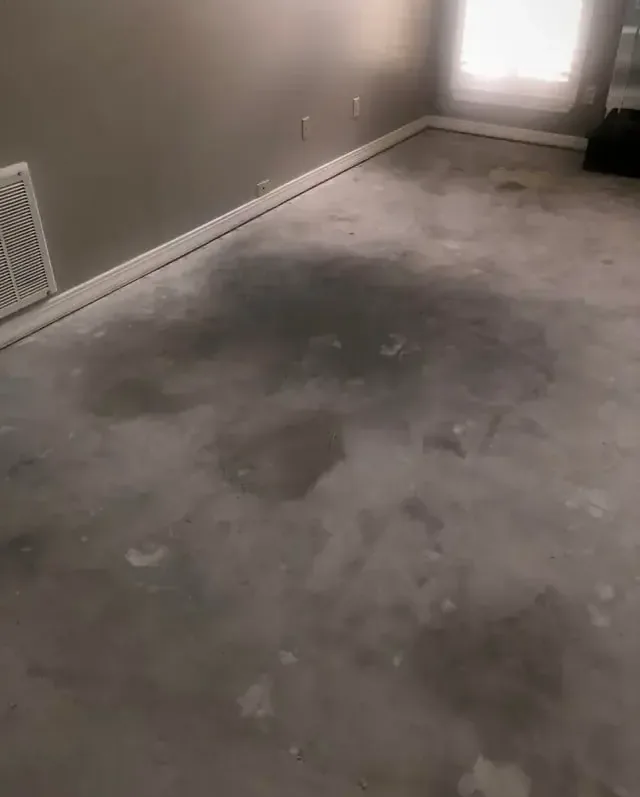
A warm patch, a moving water meter or damp flooring can point toward a hidden supply leak. The plumber locates and repairs the pipe; the restoration crew handles the water left in concrete, wall bottoms and floor coverings. A home near Belmont Center, a property at Cushing Square or a workspace in Waverley Square needs an inspection of its actual floor construction. The technician identifies the pipe route and foundation assembly during inspection.
How slab leak water damage is handled in Belmont
Record the warning signs
The technician notes warm areas, visible dampness, meter observations and the timing of the problem. These details support the plumbing investigation and establish a starting point for the damage record.
Open the affected layers
After diagnosis, the contractor explains controlled access and protects nearby surfaces. Wet coverings and underlayment receive separate retention decisions based on their condition and the water that reached them.
Control the room air
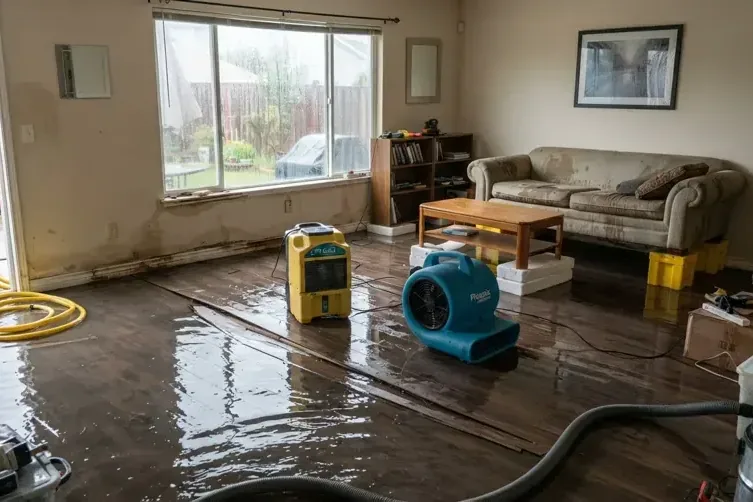
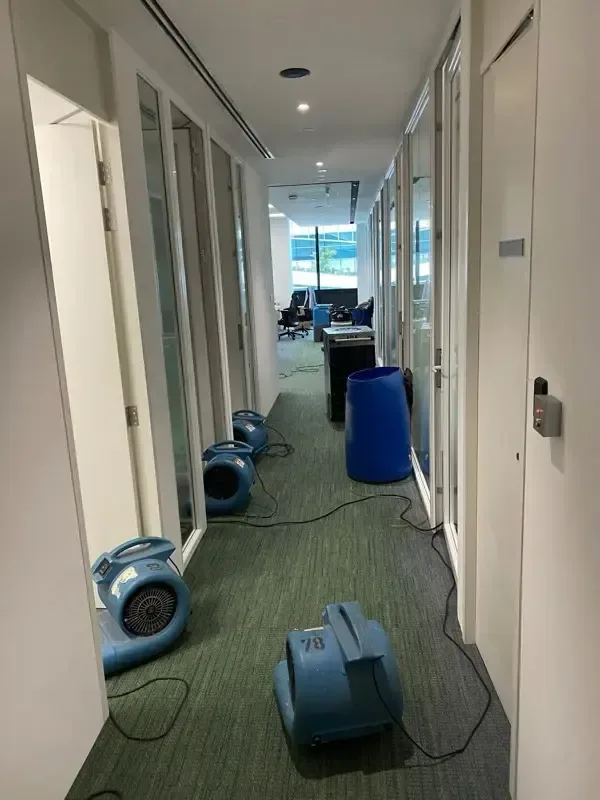
The drying crew chooses dehumidification and air movement to release moisture from exposed material. Equipment position changes when readings show a slow area, rather than leaving a fixed setup untouched.
Check readiness for finishes
The contractor records final material readings and the locations tested. The household and flooring installer can then evaluate the substrate against installation requirements before closing the floor assembly again.
Separate a pipe escape from outdoor water entry
The technician asks whether dampness follows plumbing use, whether it changes during rain and whether water continues moving through the meter after fixtures stop. These observations help the plumber choose a diagnostic method. Concrete can hold moisture from more than one source, so the cleanup plan follows the source diagnosis and measured wet area.
- A household notes the first visible damp patch and whether it expands when water remains on.
- The plumber checks pressure and pipe location before choosing access or rerouting work.
- The restoration technician measures the flooring, slab perimeter and adjoining wall bases separately.
- The crew protects clean surfaces before lifting finishes or moving damaged contents.
- The contractor keeps a record of each lifted floor section so the household can distinguish plumbing access from additional openings needed to release trapped substrate moisture.
- The technician checks adjacent dry-looking coverings when readings remain elevated at the edge, avoiding an unfinished wet pocket beneath a surface outside the original visible patch.
Clay Pit Pond and Wellington Brook belong to the local drainage setting, while a pressurized pipe leak requires a plumbing investigation. The observed entry route directs the work plan.
Water still spreading?
A persistent damp floor deserves source diagnosis and a record of the wet layers. The restoration team checks the slab edge and adjoining materials, then plans drying around the plumber’s repair and the flooring requirements.
(888) 629-3140Review the slab moistureExpose trapped moisture without unnecessary removal
Adhesive, underlayment and impermeable floor coverings can slow moisture release from concrete. The contractor checks each layer and explains which materials need access, drying or removal. An intact finish may hide moisture at an edge or beneath a cabinet, so the visible stain alone does not define the scope.
After the source repair, controlled air movement and dehumidification support evaporation from exposed surfaces. The drying technician tracks the concrete response and the condition of nearby timber or drywall. Flooring replacement waits for the moisture criteria required by the selected material and installation system. A calendar estimate cannot replace those checks.
- The crew photographs the floor before opening it and labels retained and discarded material.
- Technicians protect dust-sensitive belongings during access and cleanup.
- The team checks adjoining rooms when moisture crosses a doorway or wall partition.
EPA WaterSense explains household leak awareness. Ready.gov flood information provides precautions for water around electrical equipment and occupied rooms.
Keep the work area safe
The response team checks electricity, unstable surfaces and water contamination before opening wet materials. Household members keep children and pets away from affected rooms. A qualified electrician handles wet circuits. The cleanup crew sets containment when dirty water or debris could reach occupied space, then establishes a safe route for equipment and removed material.
Keep concrete drying and floor replacement coordinated
The restoration contractor records the wet boundary and adjusts drying equipment as the exposed floor responds. Dense materials can release moisture slowly, particularly beneath an intact covering. The team checks changes over time rather than relying on a single low surface reading. A flooring installer then evaluates the substrate for the chosen replacement system.
Documentation for your insurance claim
The paperwork separates pipe diagnosis and repair from resulting water damage. Photographs, opening locations, moisture readings and material decisions show how the loss affected the room. The household checks its policy for treatment of access work, the failed pipe and replacement flooring. The contractor supplies an itemized drying scope and records progress without promising an insurance payment.
First decisions for slab leak water damage in Belmont
Confirm the water source
The plumber investigates the pipe while the restoration technician maps damp materials. Distinguishing the source early helps avoid opening dry areas or placing drying equipment before the water supply problem has stopped.
Inspect the complete floor
The crew checks coverings, adhesive layers and adjacent wall bottoms. Concrete can remain damp beneath a finish even when the room surface feels normal, so each layer needs a documented assessment.
Protect accessible belongings
The household clears small items from a dry position while the contractor plans safe material handling. Heavy furniture and fixed cabinetry need coordinated movement to avoid damaging contents or spreading water into clean rooms.
Coordinate the repair sequence
The drying team shares moisture records with the household before replacement finishes begin. A flooring installer uses the requirements of the chosen product, allowing the dry-out and reinstatement decisions to remain connected.
What does slab leak water damage cost in Belmont, MA?
Slab leak water damage cleanup in Belmont often ranges from $1,500 to $7,500. Moisture beneath several floor layers, difficult cabinet access and extended concrete drying increase the scope; plumbing repair and new flooring have separate costs.
Limited floor opening
$1,500 to $3,000
- Small affected area
- Accessible damp layers
- Initial drying setup
Connected floor areas
$3,000 to $5,000
- Covering removal
- Wall-base checks
- Ongoing readings
Dense or concealed loss
$5,000 to $7,500+
- Restricted moisture release
- Cabinet access planning
- Extended monitoring
Category of water, square footage, material class and drying delay shape the scope. Belmont water damage cost calculator gives an estimate only.
Slab leak water damage across Belmont
Water damage service covers ZIP 02478, including Belmont Center, Cushing Square, Waverley Square and Belmont Hill. The restoration team assesses the actual wet rooms and access conditions before setting the extraction and drying scope.
Arlington, Waltham, Cambridge, Somerville and Winchester are also within the service area.
Related water damage services in Belmont
Slab Leak Water Damage questions in Belmont, MA
Does a damp slab always mean a leaking pipe?
No. Rainwater entry, groundwater and other indoor leaks can leave a concrete floor damp. The plumber checks the supply system while the restoration technician measures the affected materials. The timing of the wet patch and observations at the meter help direct diagnosis without replacing a physical inspection.
Who repairs the pipe beneath the floor?
A plumber locates the failure and chooses a suitable repair or reroute. The restoration team addresses the resulting wet materials, including coverings, underlayment and wall bottoms. Keeping those responsibilities distinct helps the household understand why source repair and drying appear as different parts of the overall work.
Why can concrete drying take longer than expected?
Dense concrete stores moisture below its surface, and coverings can restrict evaporation. The drying team tracks changing readings while controlling room humidity. The floor may need more time than surrounding drywall. The installer also checks the requirements of the replacement covering before proceeding with adhesive or finish work.
Should the household pull up the flooring?
The contractor should first inspect the assembly and explain access needs. Unplanned removal can damage salvageable finishes, expose sharp edges or overlook contamination. Photos before opening preserve the initial condition. The crew then decides which layers need lifting and how to protect the occupied part of the room.
Can a warm floor patch help locate the leak?
A warm area can be a useful observation when hot-water plumbing is involved, but it does not pinpoint every failure. The plumber combines observations with appropriate testing. The restoration technician maps the wet boundary separately because water can spread away from the pipe before reaching the visible floor surface.
When can new flooring go back down?
Replacement starts after the substrate meets the chosen flooring system requirements. The drying contractor supplies readings and test locations, while the installer evaluates installation conditions. The installer checks readiness at the substrate, including moisture deeper in concrete or beneath an adjacent finish.
Give the wet floor a measured drying plan
The team tracks moisture beneath the surface and documents the condition before replacement flooring begins.
(888) 629-3140Start the concrete-floor assessment