Appliance Leak Water Damage in Belmont, MA
Water beneath a dishwasher, washer or refrigerator can travel behind finished surfaces. The restoration crew checks the appliance footprint, extracts accessible water and dries affected cabinets, floors and adjoining rooms.
(888) 629-3140Check beneath the appliance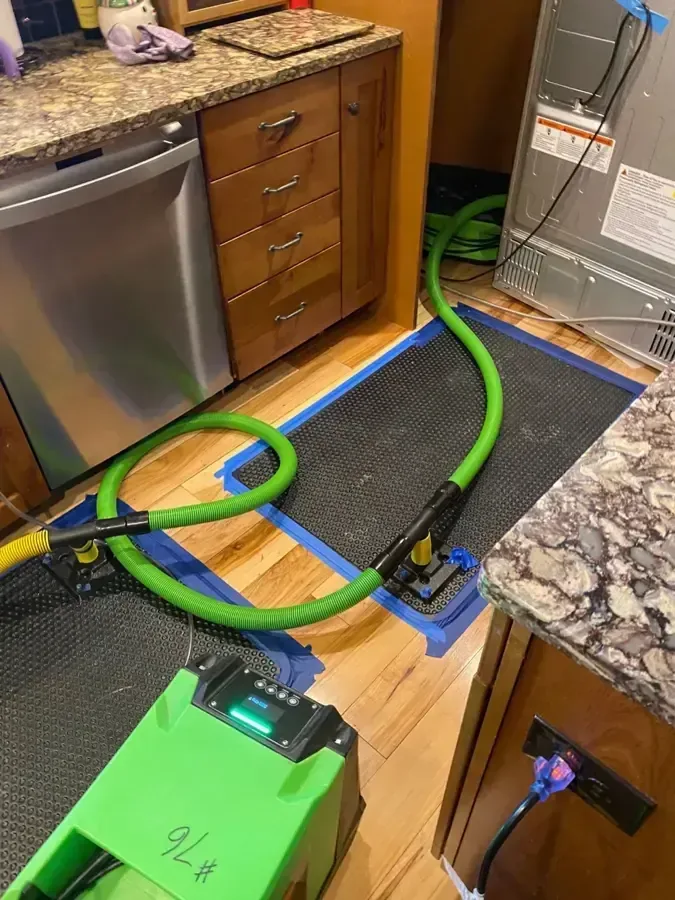
An appliance can leak into a concealed floor layer long before a puddle reaches the doorway. The technician checks beneath the unit and along cabinet bases, then follows moisture into connected finishes. In homes near Cushing Square, Waverley Square and Belmont Center, the inspection centers on the actual kitchen or laundry layout. A repair technician handles the failed hose, pump or connection; the restoration contractor addresses the resulting wet building materials.
How appliance leak water damage is handled in Belmont
Review the appliance failure
The technician asks about the cycle, connection and first visible water. These observations help distinguish a supply escape from used water and direct the service technician to the suspected source.
Expose the wet footprint
The crew coordinates safe appliance movement and checks the floor underneath. Cabinet bases, wall bottoms and connected rooms receive a moisture survey before the contractor settles the removal and drying scope.
Dry retained components
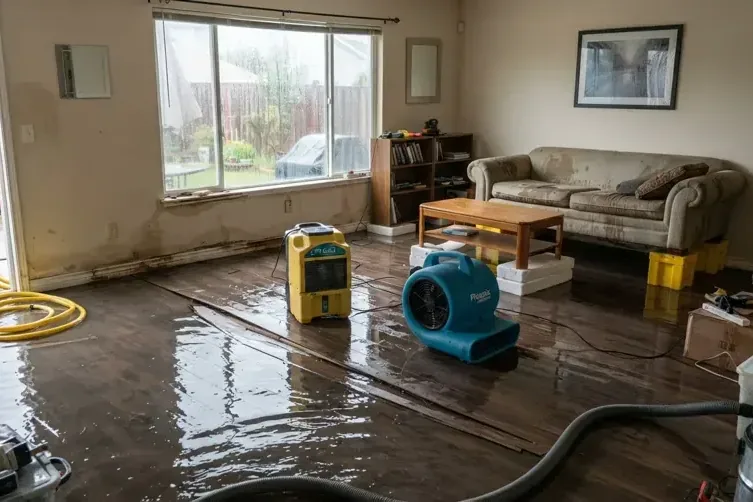
Technicians extract liquid and establish airflow for exposed materials. Dehumidification controls the room moisture load, while repeat measurements show whether cabinet framing and floor layers continue moving toward the drying goal.
Coordinate reinstatement
The contractor records the endpoint and remaining repair needs. The household and repair trades can then plan cabinet finishes, flooring and appliance placement without covering an assembly that still needs moisture access.
Identify whether the escape involves supply or used water
A supply hose leak differs from water discharged during a wash cycle. The cleanup crew asks what appliance was running, when the water appeared and whether it continues after shutoff. The water source, contact and time wet influence the handling of flooring and porous contents. Household members avoid moving an energized appliance through a puddle.
- The service trade isolates and repairs the appliance connection before normal use resumes.
- The technician checks the flooring beneath the unit rather than only the visible room surface.
- The crew records affected cabinet toes, wall bottoms and adjacent storage areas.
- The household preserves repair details and photos taken from a dry position.
- The technician compares the wet edge beneath the appliance with adjacent floor transitions, checking whether an apparently separate room shares the same damp underlayment or cabinet platform.
- The contractor photographs swollen cabinet material before it leaves the room, preserving its position and condition for the household’s discussion of finish replacement after the structural dry-out.
Pulling the appliance out carelessly can damage a connection or spread water. The contractor coordinates access with the appropriate trade and protects the floor during movement.
Water still spreading?
Water under an appliance can keep a cabinet base or floor layer wet after the visible spill disappears. The restoration team checks those concealed surfaces and coordinates access before the appliance returns.
(888) 629-3140Review the hidden wet floorReach moisture beneath cabinets and floor coverings
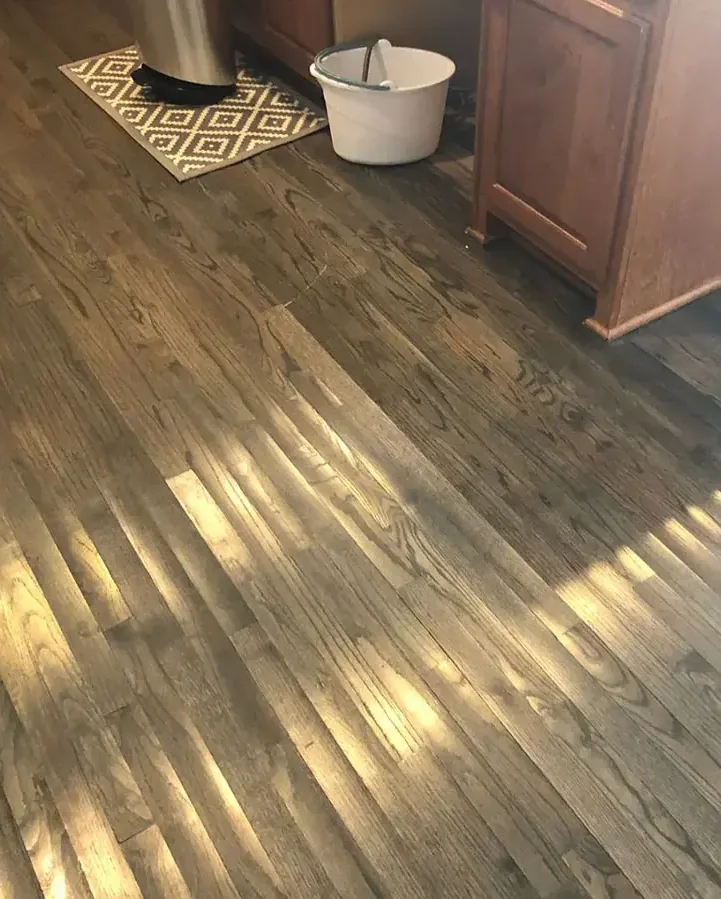
Water can collect under a cabinet platform or between resilient flooring and underlayment. The technician maps damp areas and explains when controlled access is necessary. Swollen particleboard, damaged finish layers and contaminated porous material may require removal. Sound materials need an appropriate drying route rather than a fan aimed at a closed cabinet face.
At properties around Belmont Hill, each cabinet and floor assembly receives its own assessment. The crew checks whether moisture has crossed into an adjacent dining area or a ceiling below. Drying equipment then matches the exposed materials and available safe power.
- Workers remove wet contents before opening a cabinet base and photograph the interior condition.
- The contractor checks floor transitions where an impermeable covering can trap water.
- The technician compares readings at the wet edge with an unaffected reference material.
EPA WaterSense covers water-saving practices and leak awareness. Ready.gov flood safety explains precautions when water reaches electrical equipment.
Keep the work area safe
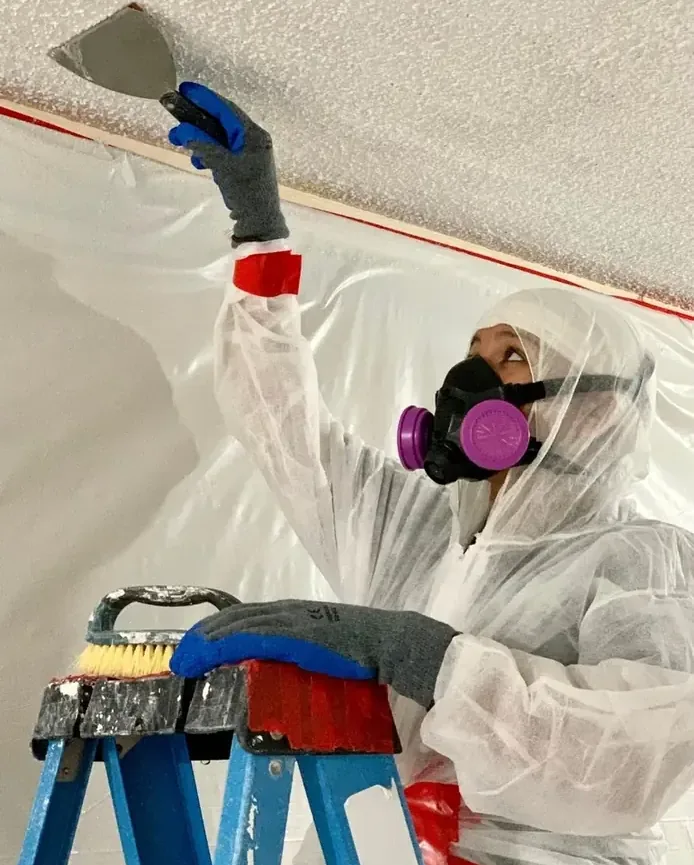
The response team checks electricity, unstable surfaces and water contamination before opening wet materials. Household members keep children and pets away from affected rooms. A qualified electrician handles wet circuits. The cleanup crew sets containment when dirty water or debris could reach occupied space, then establishes a safe route for equipment and removed material.
Keep the kitchen or laundry repair sequence practical
The household needs a clear distinction between appliance service and the surrounding dry-out. A repaired dishwasher can still sit over damp underlayment. The restoration team keeps necessary access available, checks readings and coordinates with the cabinet or flooring repair trade before the assembly closes.
Documentation for your insurance claim
The loss file identifies the appliance, reported failure, affected floor layers and cabinet materials. Timestamped photos preserve the initial condition and removal decisions. Equipment records and daily moisture checks describe the drying work. The household checks its policy and retains the appliance service findings, while the contractor keeps the mitigation scope separate from unit replacement and cosmetic repairs.
First decisions for appliance leak water damage in Belmont
Stop appliance use
The household stops the affected cycle and avoids wet electrical controls. The appropriate repair trade isolates the unit, while the restoration team checks whether water continues reaching the room or hidden floor layers.
Protect cabinet contents
The crew removes wet contents through a clean route and checks the cabinet base. Recording the interior before access helps explain why swollen or contaminated material may need removal instead of ordinary drying.
Check the adjoining floor
The technician follows moisture through thresholds and under connected coverings. A small appliance footprint can conceal a larger wet area, so measurements extend beyond the first puddle and the unit’s front edge.
Keep repair access open
The contractor coordinates appliance replacement with material drying. Returning the unit too early can block readings or airflow beneath it, leaving a damp floor layer inaccessible during the most useful checks.
What does appliance leak water damage cost in Belmont, MA?
Appliance leak water damage cleanup in Belmont generally ranges from $700 to $4,500. Concealed flooring, cabinet construction, used-water contamination and the length of the leak determine the scope; appliance service and replacement finishes cost extra.
Accessible small spill
$700 to $1,500
- Liquid removal
- Floor inspection
- Focused drying
Cabinet and floor layers
$1,500 to $3,000
- Controlled access
- Material assessment
- Daily checks
Concealed connected damage
$3,000 to $4,500+
- Wider removal
- More equipment
- Repair coordination
Category of water, square footage, material class and drying delay shape the scope. Belmont water damage cost calculator gives an estimate only.
Appliance leak water damage across Belmont
Water damage service covers ZIP 02478, including Belmont Center, Cushing Square, Waverley Square and Belmont Hill. The restoration team assesses the actual wet rooms and access conditions before setting the extraction and drying scope.
Arlington, Waltham, Cambridge, Somerville and Winchester are also within the service area.
Related water damage services in Belmont
Appliance Leak Water Damage questions in Belmont, MA
Why is the floor wet beyond the appliance?
Water can travel beneath coverings and along cabinet bases before appearing in the open room. The technician maps the affected area and checks connected surfaces rather than stopping at the appliance footprint. This survey helps identify damp underlayment, wall bottoms or a ceiling below the original escape.
Can the appliance go back as soon as it works?
The service repair and the surrounding material condition need separate checks. A functioning appliance can still cover a wet floor layer. The restoration contractor coordinates placement so necessary readings and drying access remain available until the retained assembly reaches suitable conditions for reinstatement.
Does dishwasher water require different handling?
Used wash water can contain contaminants that a fresh supply escape does not initially carry. The crew assesses the source, contact and time wet before deciding on retention or removal. Porous material and cabinet interiors receive particular attention, with cleaning decisions based on the actual loss conditions.
Can swollen cabinet board recover through drying?
Some manufactured board loses shape or integrity after saturation. The contractor evaluates the material rather than promising that drying restores its original condition. Sound framing may remain while damaged finish components need replacement. Photos and readings help explain the difference between moisture removal and the later cabinet repair.
Should the household move the refrigerator alone?
Moving a heavy appliance can damage a connection, expose wet wiring or spread water. The appropriate service trade and restoration crew coordinate safe movement and floor protection. The household can help by clearing reachable dry belongings and describing the leak without pulling energized equipment through the affected area.
What documents explain a concealed appliance loss?
The service diagnosis, leak timeline, photos beneath the unit and measurements of connected floor layers provide a useful record. The contractor adds material-removal reasons and drying progress. The household checks policy terms with the insurer, keeping appliance repair separate from resulting cabinet, floor and wall damage.
Give the appliance footprint a complete moisture check
The crew follows water into cabinets and adjoining finishes, then records the drying and repair handoff.
(888) 629-3140Arrange appliance-spill drying