Water Damage Restoration Belmont, MA
Water inside needs source control, safe removal and a measured dry-out. Local restoration pros assess the affected rooms, extract accessible water and document the materials that remain wet.
(888) 629-3140Discuss water inside the home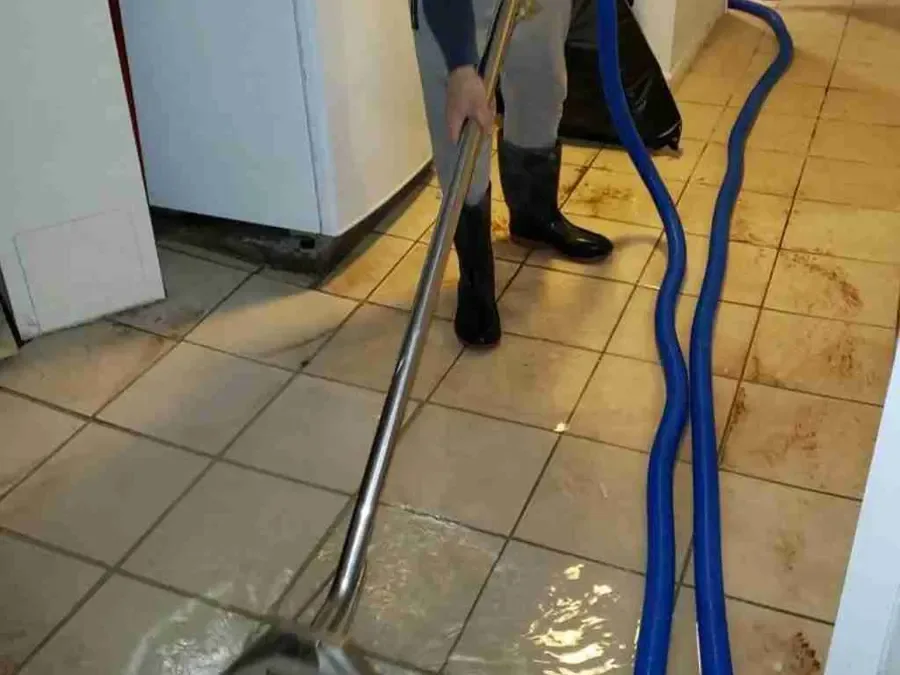
A useful plan starts with the wet assembly
Belmont Center, Cushing Square and Waverley Square combine residential and commercial settings. The restoration team follows each building’s water path, checks the materials and explains the next practical step.
All water damage categories covered in Belmont, MA
Category 1: supply water
A clean supply escape still needs prompt inspection. Contact and time wet influence whether the original category remains appropriate.
Trace a broken supply pipeCategory 2: used water
Appliance discharge can carry contaminants into porous flooring and cabinet material. The crew assesses removal and cleaning before drying.
Inspect an appliance escapeCategory 3: sewage and floodwater
Contaminated porous material needs controlled removal. The team isolates the room and cleans retained surfaces before setting the drying arrangement.
Understand sewage cleanupWater Damage Restoration Services in Belmont, MA
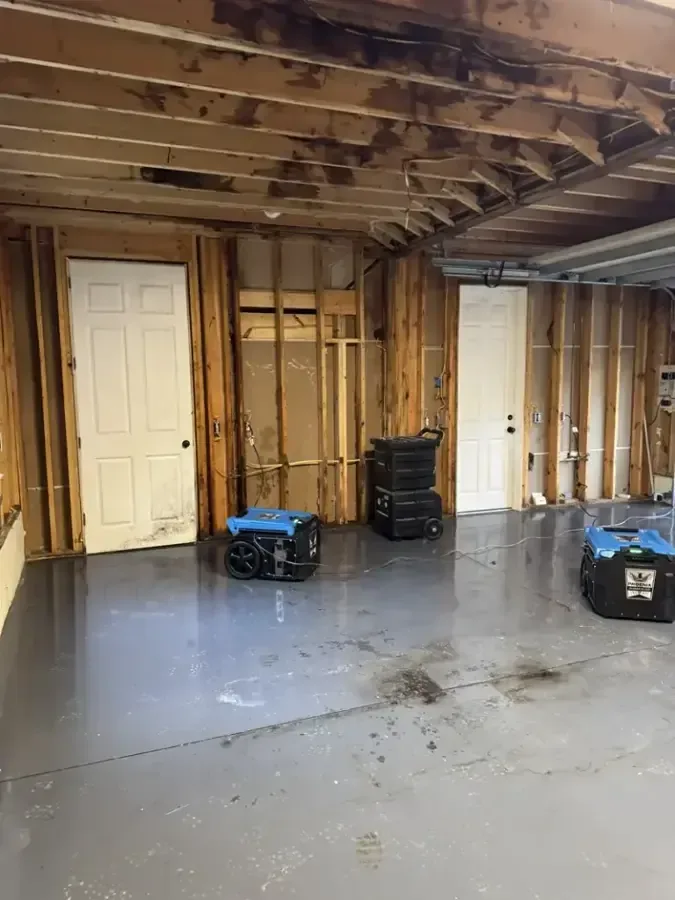
The source and wet materials determine the work. Each service addresses a different part of the loss, from standing water to concealed flooring and contaminated finishes.
Water Extraction and Removal
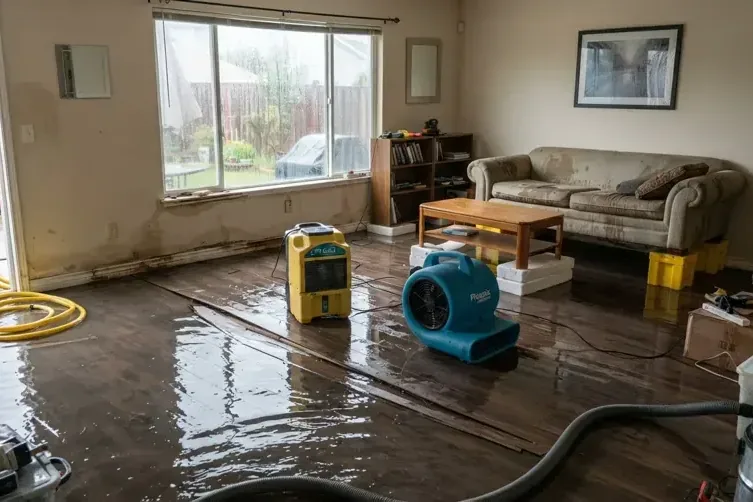
Standing water needs pumps or extraction tools before a drying setup can address absorbed moisture. The crew checks adjoining floor layers after removal.
Water Extraction and Removal details ›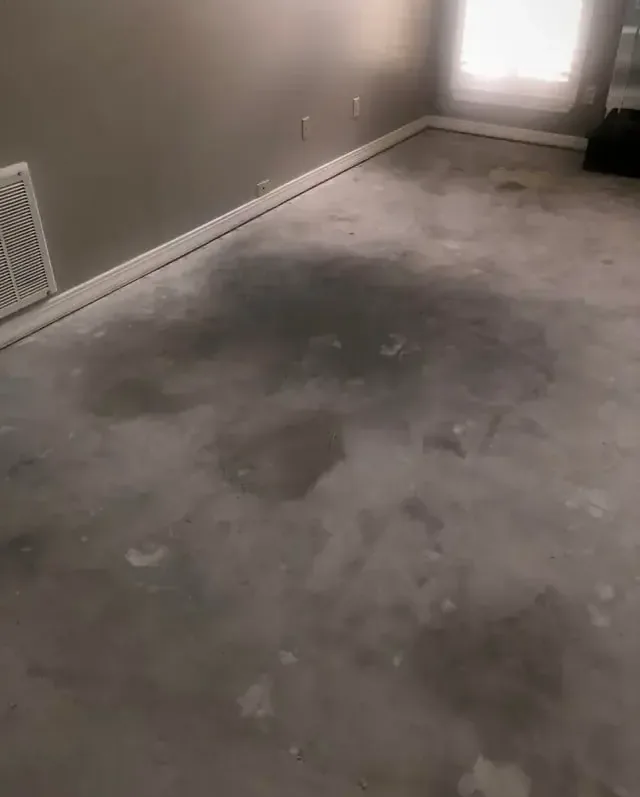
Slab Leak Water Damage
A damp concrete floor needs plumbing diagnosis and a moisture map. The dry-out follows the wet coverings and wall bases after source repair.
Slab Leak Water Damage details ›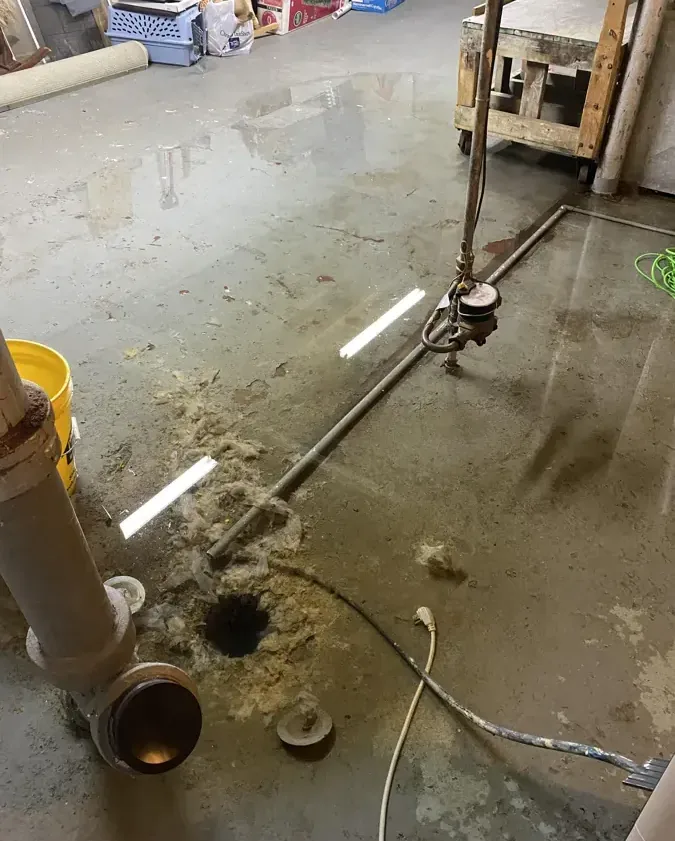
Sewage Backup Cleanup
Wastewater requires a controlled work area, removal of affected porous finishes and cleaning before the drying team starts airflow across retained structure.
Sewage Backup Cleanup details ›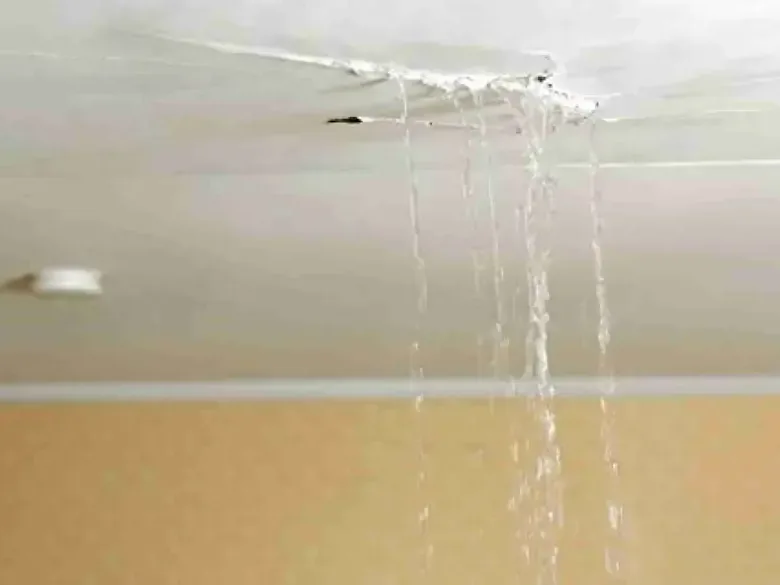
Burst Pipe Water Damage
A supply break can wet several rooms and the level below. The technician traces the path after safe shutoff and coordinates cavity access.
Burst Pipe Water Damage details ›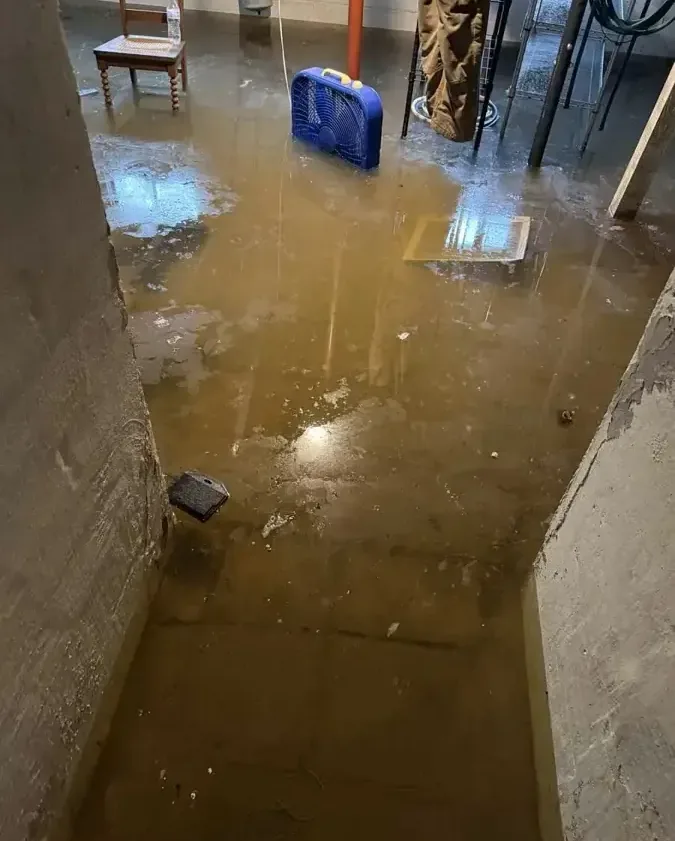
Storm and Flood Cleanup
Outdoor water can bring sediment into lower rooms. The crew checks entry conditions, removes contamination and documents the structure after the water recedes.
Storm and Flood Cleanup details ›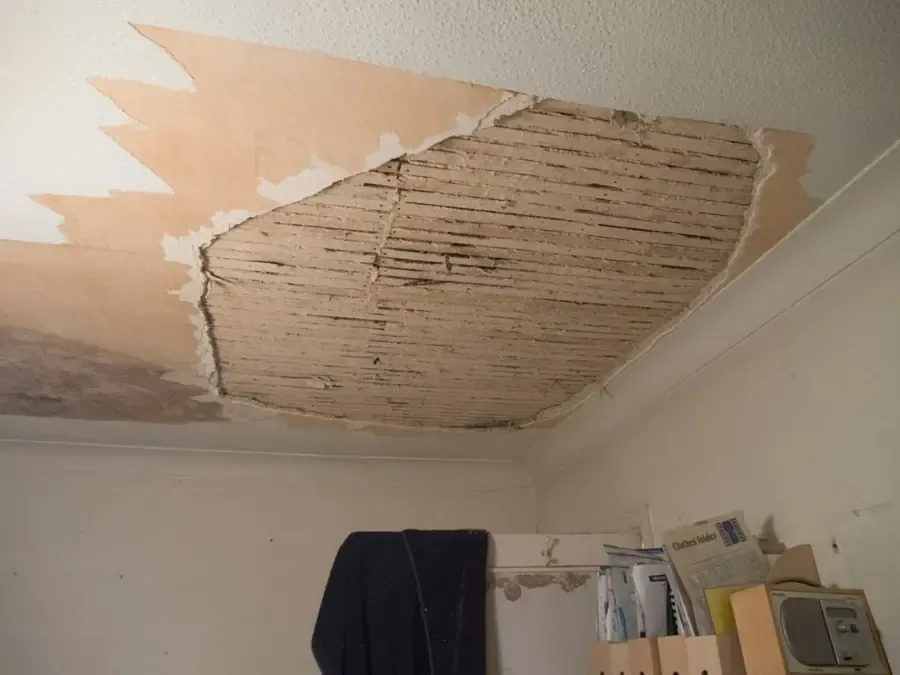
Roof Leak Water Damage
Rain can follow roof framing away from the opening. The inspection checks wet insulation and ceiling cavities while a roofer addresses the exterior source.
Roof Leak Water Damage details ›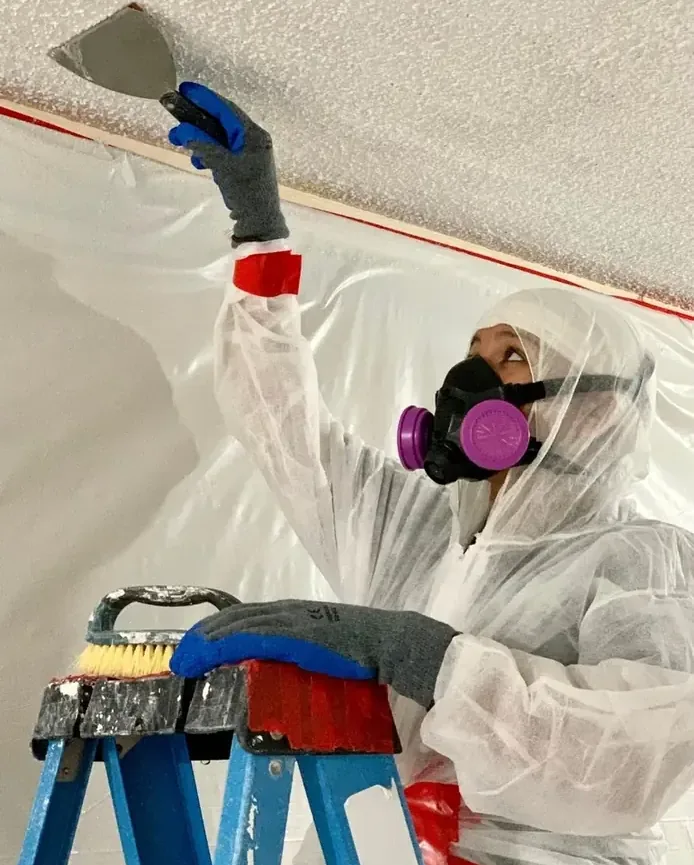
Ceiling Leak Water Damage
An overhead stain can conceal unstable material and wet wiring. The contractor protects the room below before opening and drying the affected assembly.
Ceiling Leak Water Damage details ›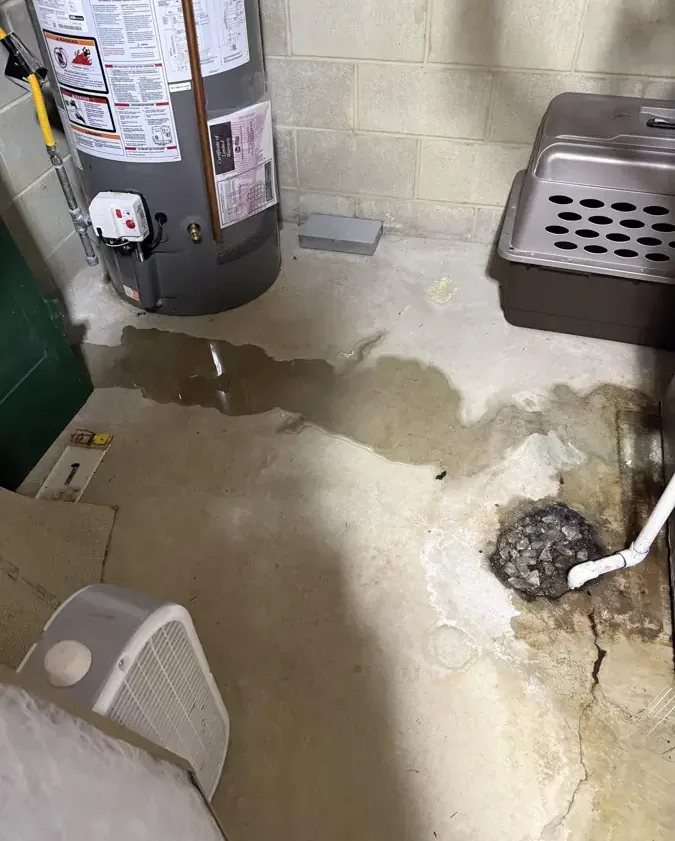
Water Heater Leak Cleanup
Tank water spreads around stored contents and wall bottoms. Safe heater isolation comes before extraction and moisture checks across the surrounding room.
Water Heater Leak Cleanup details ›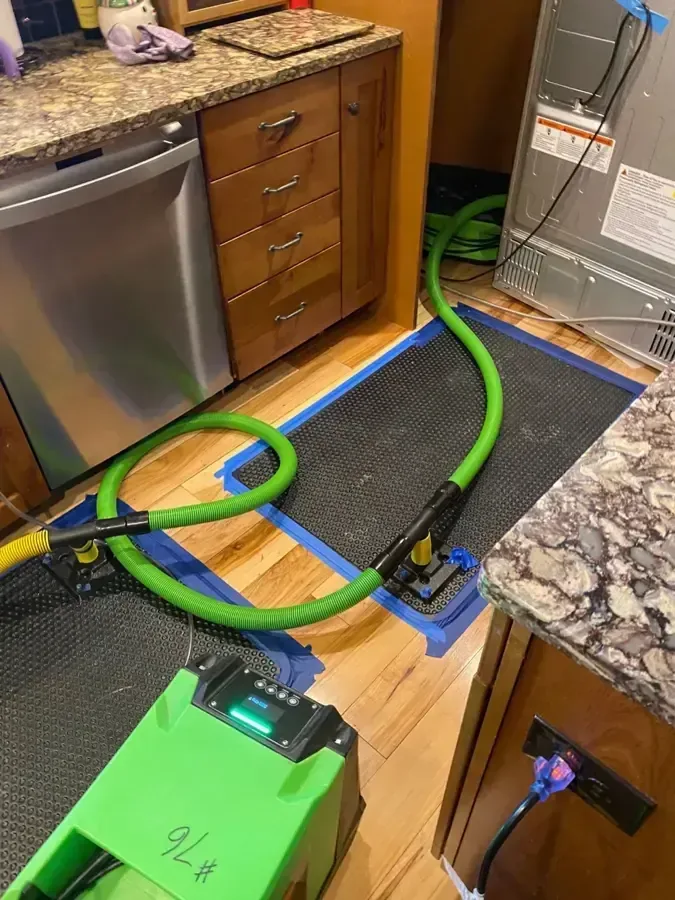
Appliance Leak Water Damage
Dishwasher, washer and refrigerator leaks can hide beneath flooring. Cabinet bases and adjoining finishes need inspection beyond the appliance’s visible footprint.
Appliance Leak Water Damage details ›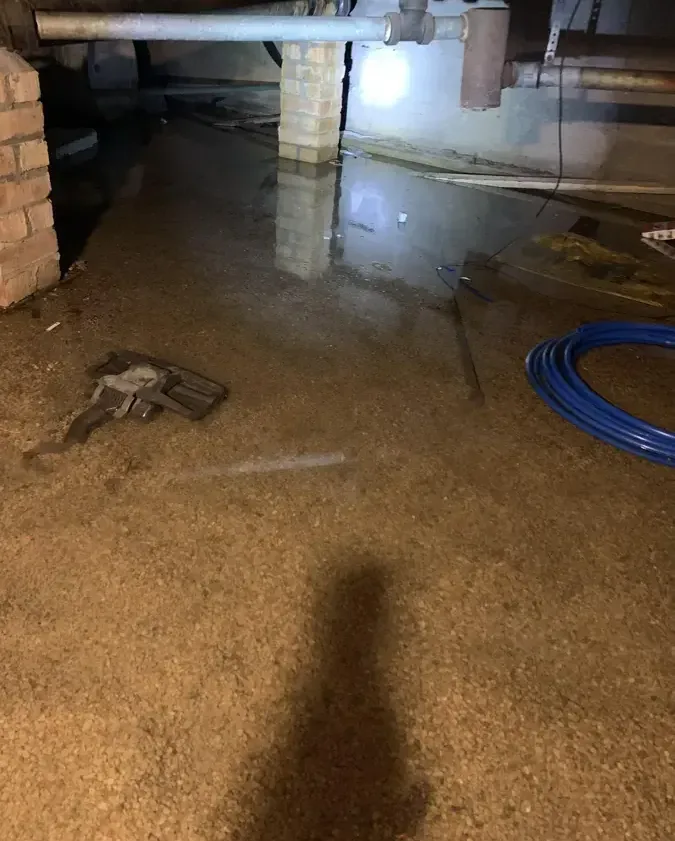
Crawl Space Water Removal
Underfloor water calls for safe access and a source assessment. The team pumps accumulated liquid and checks insulation, joists and the subfloor above.
Crawl Space Water Removal details ›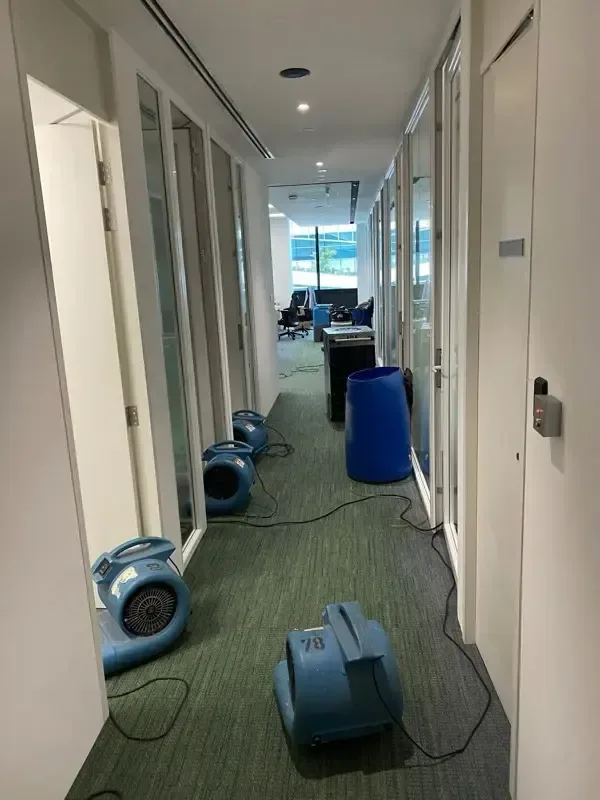
Structural Drying and Dehumidification
Air movement and dehumidification address absorbed water after extraction. Repeat material readings direct equipment adjustments and establish the documented drying endpoint.
Structural Drying and Dehumidification details ›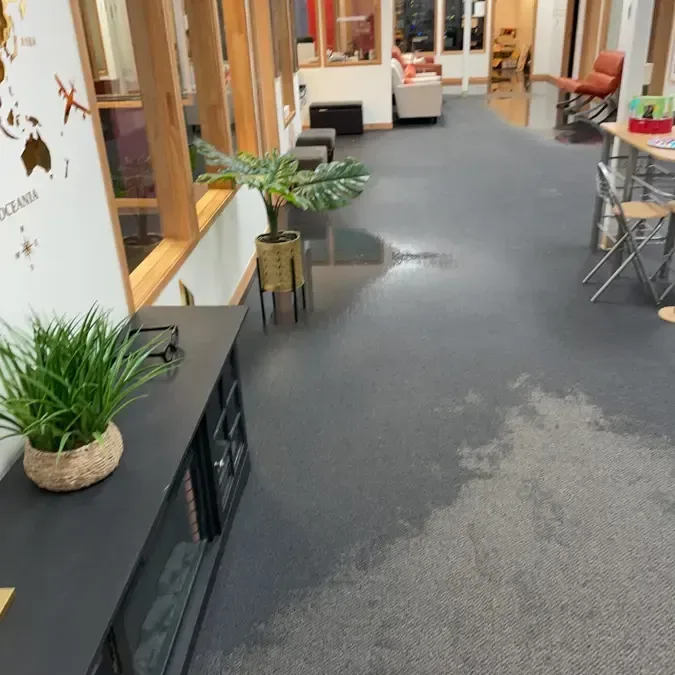
Commercial Water Damage
Workplaces need protected access routes and a contents record. The contractor coordinates room-by-room extraction and drying with management’s building-access needs.
Commercial Water Damage details ›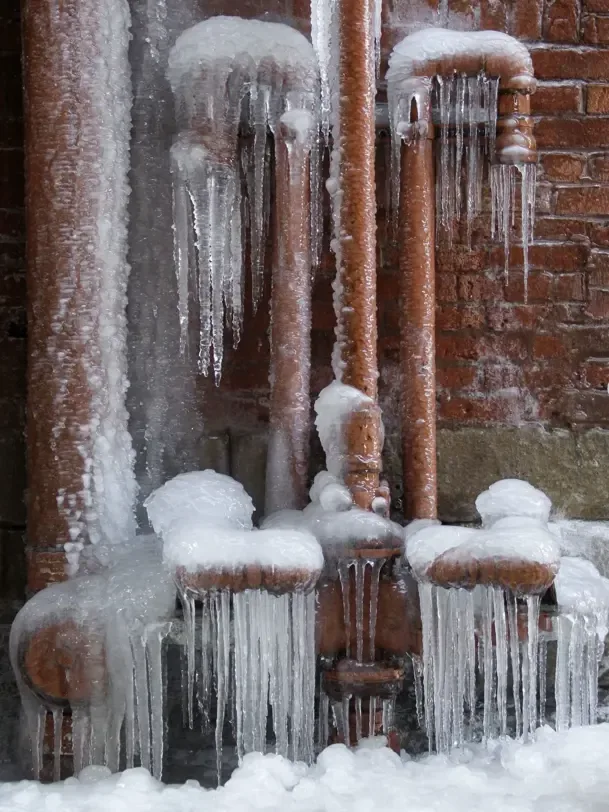
Frozen Pipe Water Damage
A thaw can release water through a split pipe. The restoration team follows the resulting cavity damage after a plumber addresses the source.
Frozen Pipe Water Damage details ›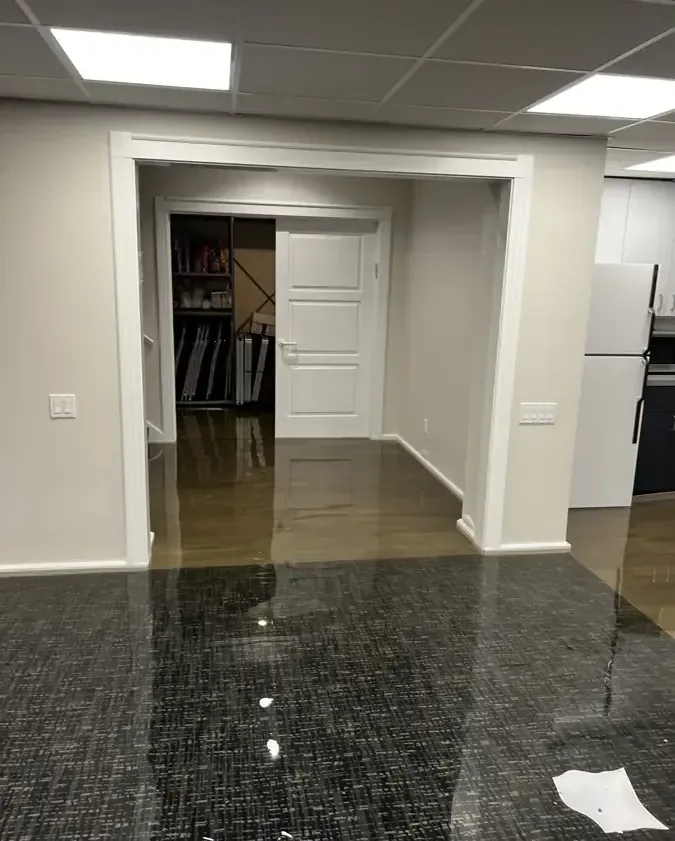
Basement Water Removal
Lower-room water needs electrical clearance and source identification. Finished walls, storage areas and floor layers receive checks after controlled pumping or extraction.
Basement Water Removal details ›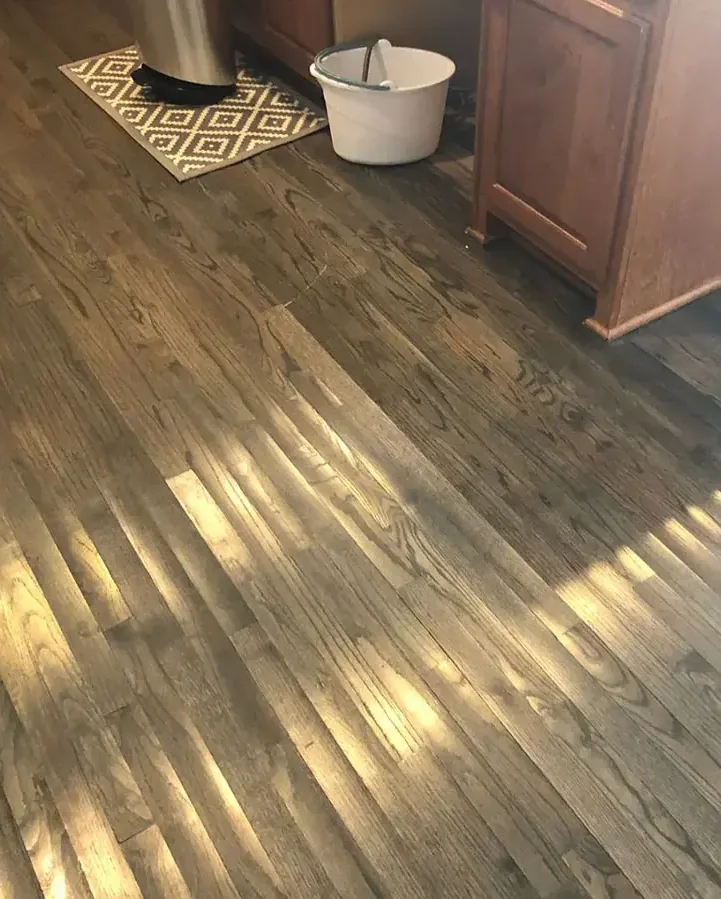
Hardwood Floor Water Damage
Wet boards and subfloor need separate readings before repair choices. The technician tracks moisture while a flooring specialist evaluates later refinishing or replacement.
Hardwood Floor Water Damage details ›What to do while the water is still moving
Keep the route dry
Household members stay away from wet outlets, appliances and breaker panels. A qualified electrician handles affected circuits before the crew uses nearby power.
Stop a safe source
A reachable dry shutoff can stop a supply escape. Nobody should cross standing water or reach past unsafe equipment to operate a valve.
Protect reachable belongings
Small items can move from a safe position. Heavy furniture, wet electronics and contaminated contents need assessed handling rather than hurried movement through the room.
Record the first condition
Photos taken from dry ground preserve the water height, entry point and affected finishes. The household notes when the problem first appeared.
Describe the rooms
The response team needs the source, affected levels and any sewage or overhead hazards. Those details help plan safe access and the first assessment.
Water damage dried to the IICRC S500 standard
The technician measures affected material and selects a suitable dry reference. Water category and material class shape access and equipment, while repeat readings show whether retained structure is ready for repairs.
Assess the source
The response team checks ongoing entry, electrical hazards and contamination. A clear room inventory establishes where the water traveled before any material leaves the building.
Remove liquid and damage
The crew extracts accessible water, assesses porous finishes and documents removal. Appropriate cleaning prepares retained surfaces for the controlled airflow used during drying.
Dry the retained structure
Air movers and dehumidifiers support moisture release from the exposed assembly. The technician adjusts placement and access when repeat readings identify a slow area.
Verify and record
Material readings establish the endpoint and remaining repair needs. The household can coordinate replacement finishes with a clear account of the inspected and dried components.
Water damage help across Belmont and nearby communities
Neighborhoods and local reference points
ZIP coverage
Nearby towns and cities
One call reaches Belmont water damage pros, 24/7
Describe the affected rooms, the source and any electrical or overhead concerns. The response team uses that information to plan a safe assessment of the water loss.
The contractor checks the property’s actual materials and access. The moisture survey and source investigation direct the room-by-room work inside the building.
(888) 629-3140Discuss the property and wet roomsWhat a water damage dry-out looks like in Belmont
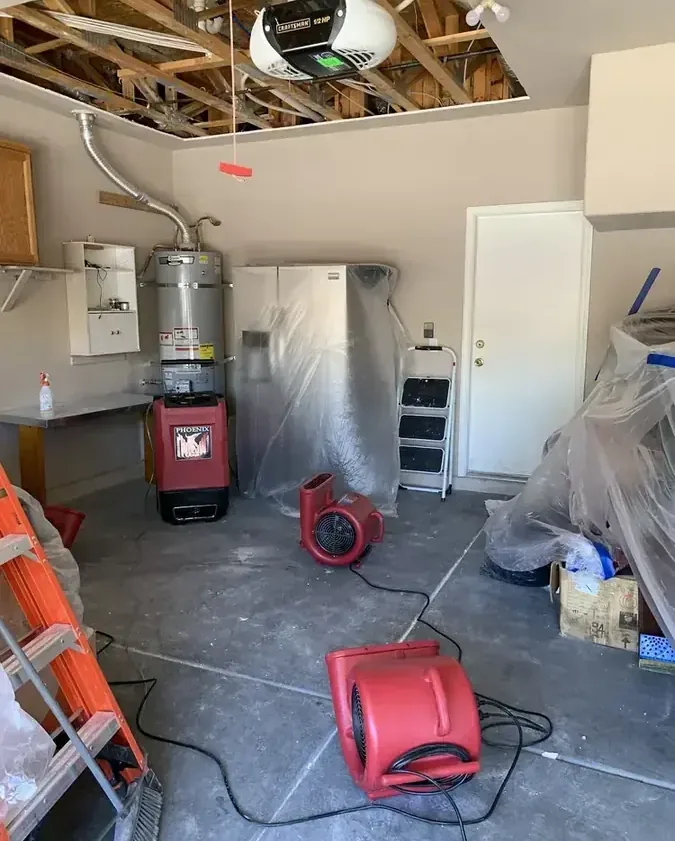
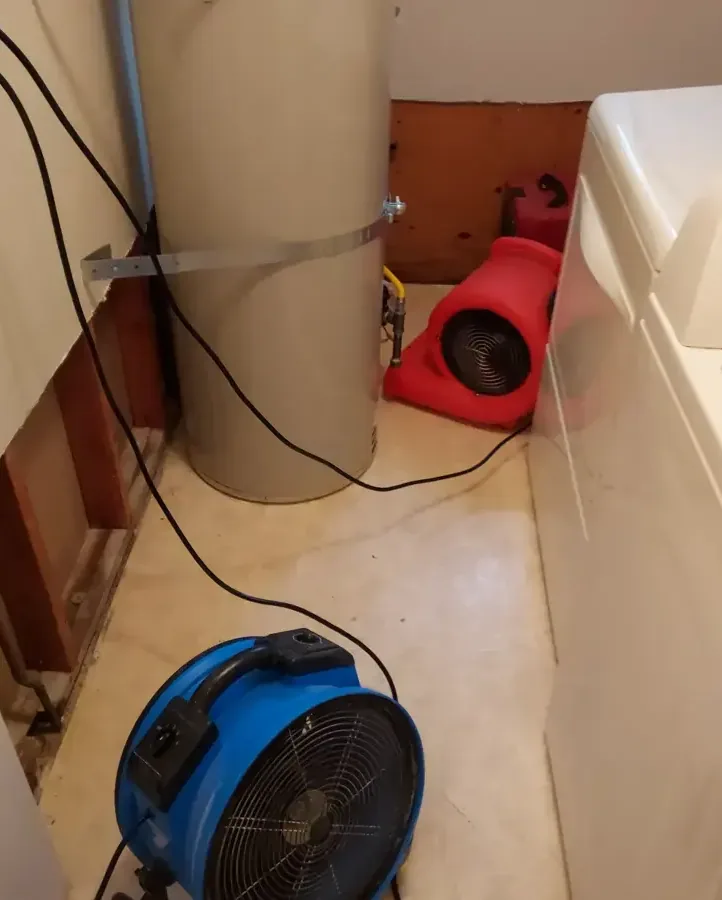
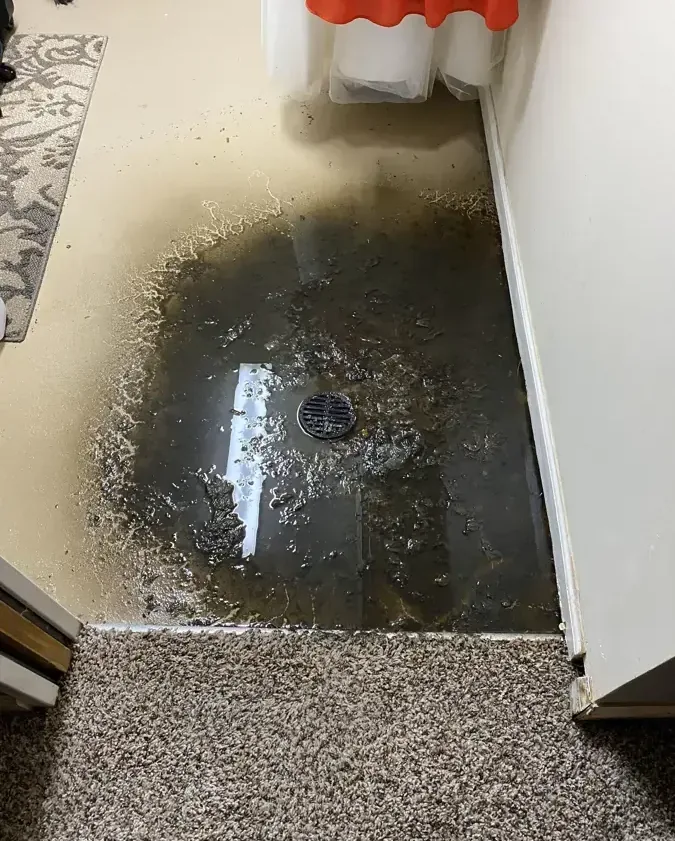
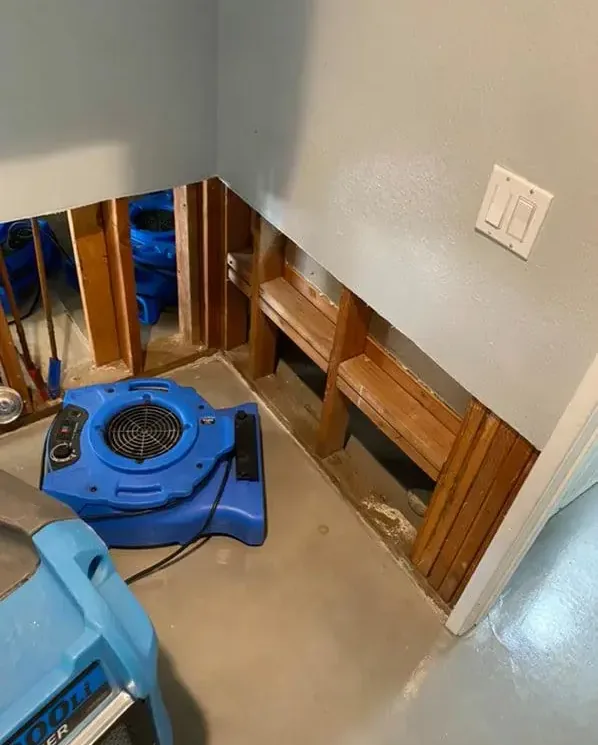
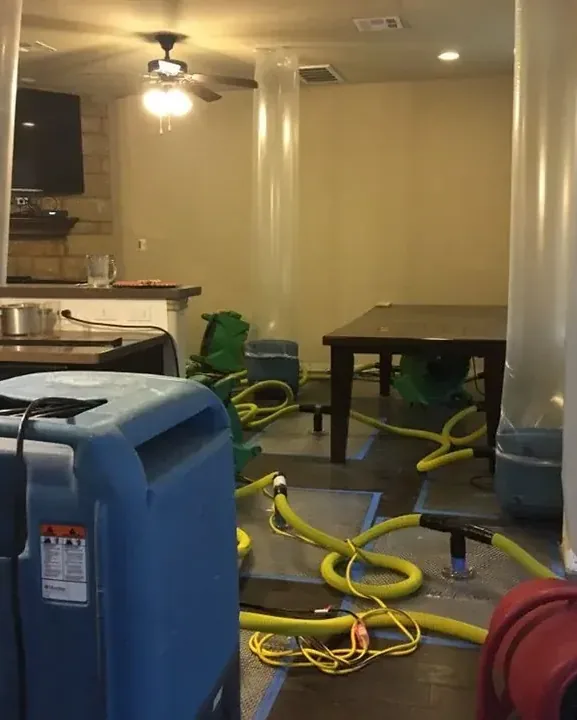
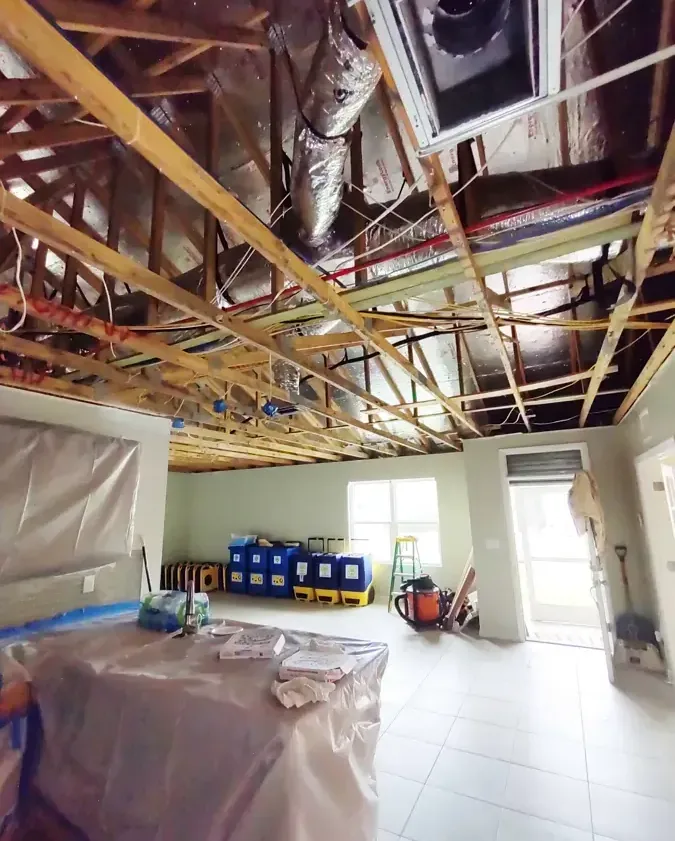
How a water loss is handled
Rapid local response
Active water receives urgent attention. The response team checks source status and safe entry before placing equipment, keeping the first decisions tied to the household’s actual conditions.
IICRC S500 drying standard
The technician uses moisture mapping, material references and controlled drying. Equipment remains connected to measured progress rather than the appearance of a surface or a fixed calendar.
Claim-ready documentation
Photographs, removal notes, equipment records and daily readings explain the mitigation work. The household checks policy terms with its insurer and retains source-repair information separately.
Local water experts
The inspection considers the property’s actual layout around familiar areas such as Belmont Hill and Concord Avenue. Local names orient coverage while the observed source directs the work.
Documentation for your insurance claim
The contractor records the loss before removal changes the room. A useful claim file ties source observations, material decisions and daily drying progress to the work performed.
- Timestamped photographs before opening wet finishes
- A moisture map with repeat test locations
- Water category and material-class observations
- Daily readings and equipment placement records
- An itemized mitigation scope and repair handoff
Check the policy directly
The household asks its insurer how the policy treats the actual cause, including sewer backup or outdoor flooding where relevant. The contractor supplies the restoration record without deciding coverage.
Plumbing or appliance repair, drying and finish replacement can receive different treatment. Keeping those scopes separate makes the work and remaining decisions easier to understand.
What does water damage restoration cost in Belmont, MA?
A contained residential dry-out commonly ranges from $1,000 to $5,000, while contaminated or extensive losses can exceed $10,000. Water category, affected area, material access and drying delay shape the scope; source repair and rebuilding are separate.
Contained water loss
$1,000 to $2,500
- Accessible extraction
- Small drying zone
- Material readings
Several wet assemblies
$2,500 to $5,000
- Controlled openings
- More equipment
- Daily documentation
Complex contaminated loss
$5,000 to $10,000+
- Porous removal
- Protected cleanup
- Wider drying footprint
These are planning ranges, not a quote. The contractor’s inspection identifies the actual wet materials and work required. A detailed scope separates extraction, cleaning, drying and replacement finishes.
Water damage help in nearby towns
Water damage questions before repairs

Belmont Dishwasher Leaks Beneath Wood Flooring
Belmont dishwasher leaks beneath wood floors: following water behind cabinets, checking boards and subfloor, and planning drying before floor repair decisions.

Belmont Sewage in a Finished Basement
Belmont sewage basement cleanup: separating contaminated rooms, recording damaged finishes, coordinating drain repair, and checking materials before rebuilding.

Arlington Ceiling Leaks Between Stacked Living Areas
Arlington ceiling leak cleanup for stacked living areas: coordinating room access, tracing water between floors, and documenting hidden moisture before repairs.
Water entry and drainage around Belmont
Clay Pit Pond, Wellington Brook and the town’s sewer and storm drain mains provide local context. Inside the building, the actual entry route determines cleanup and drying.
Connected waterways
Wellington Brook enters Clay Pit Pond; the pond outlet runs beneath Brighton Street. A household records the observed entry point when rainwater reaches a room.
Sewer and storm mains
The Highway Division maintains these municipal systems. A suspected main problem needs the appropriate town contact while the restoration crew assesses the interior damage.
Finished lower rooms
Wall coverings, storage and flooring can conceal absorbed water. The technician checks each layer after extraction rather than stopping at a cleared concrete surface.
Overhead water paths
Roof or upper-floor leaks can follow framing before staining a ceiling. The crew checks connected cavities and electrical fittings before opening damaged material.
Indoor plumbing escapes
A heater, appliance or supply pipe can feed water beneath finishes. Source repair and measured drying need coordination before the room returns to ordinary use.
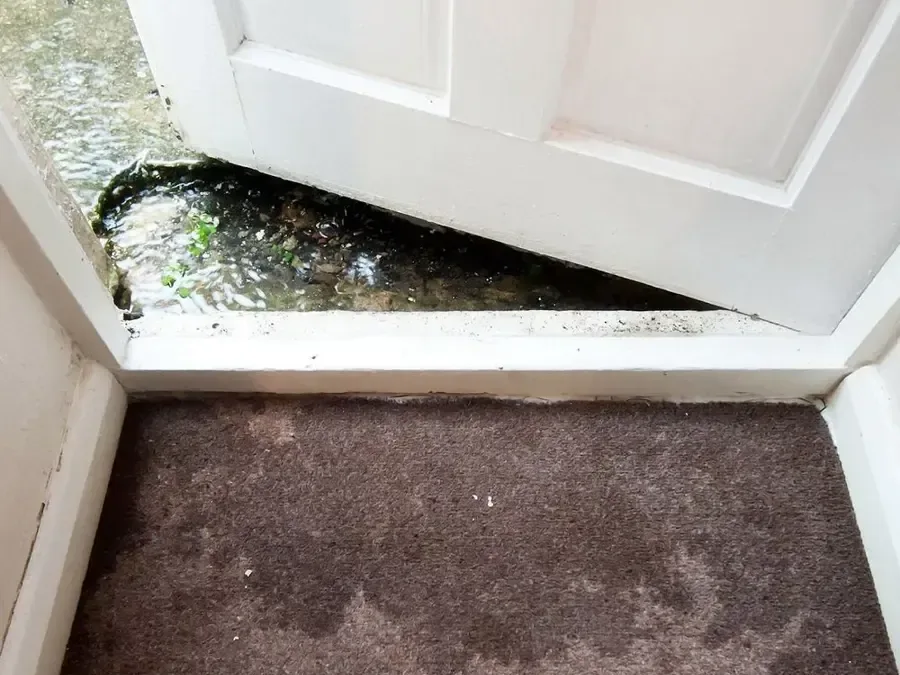
June 2021: WCVB reported sewage entering a finished basement from a municipal sewer blockage. The loss highlights the value of recording source details and checking sewer-backup policy terms.
Belmont water damage restoration questions
What should happen first after water appears indoors?
The household keeps clear of wet electrical equipment and stops a supply leak only at a safely reachable valve. The response team checks the source, safe access and affected rooms before extraction. A plumber or other appropriate trade handles the failed equipment.
Does extraction mean the building is dry?
Extraction removes accessible liquid. Flooring, wall bottoms and framing can still hold absorbed moisture. The technician measures those materials and sets controlled drying, with repeat readings showing when retained components reach a suitable goal.
How is sewage cleanup different?
Sewage is Category 3 water from the start. The crew isolates the affected area, removes contaminated porous material and cleans suitable surfaces before drying. Household members avoid contact and keep fans off in untreated contaminated rooms.
How long does structural drying take?
The duration depends on the wet materials, access, water load and response to equipment. Contained losses can dry within several days, while dense or concealed assemblies need longer. The contractor tracks readings instead of promising a fixed finish date.
What does the IICRC S500 standard contribute?
The standard supports professional assessment, water categorization, material evaluation and documented drying. The technician uses a moisture map and appropriate references to judge progress. Equipment placement follows the assembly and the measured load rather than a generic room setup.
Can a wall stay closed after a leak?
The contractor checks the material and its ability to dry. Some cavities need controlled access or insulation removal, while sound accessible material may remain. The team records the reason and location before repair work hides the original condition.
Does insurance cover every water loss?
Coverage depends on the policy and source. A sudden supply escape, sewer backup and outdoor flooding can receive different treatment. The household checks terms with its insurer, while the contractor supplies photographs, material decisions and drying records.
What changes the restoration price?
Water category, affected area, concealed access and the amount of absorbed moisture shape the mitigation scope. Contaminated finishes and difficult contents handling can add work. Source repair and replacement finishes should appear separately from extraction and drying.
Can furniture return before the equipment leaves?
The crew explains which areas can accept belongings safely. Heavy items can block airflow or conceal test locations, so the household coordinates movement with the technician. Wet contents also need their own assessment before they return against a drying wall or floor.
Which nearby places receive service?
Coverage includes the main town and Arlington, Waltham, Cambridge, Somerville and Winchester. The response team checks the property location and access when discussing the loss. Each building receives a source and material assessment suited to its actual conditions.
Water inside? Start with a clear restoration assessment
The response team checks the source, removes accessible water and documents the materials that need continued drying.
(888) 629-3140Begin with the wet-room assessment