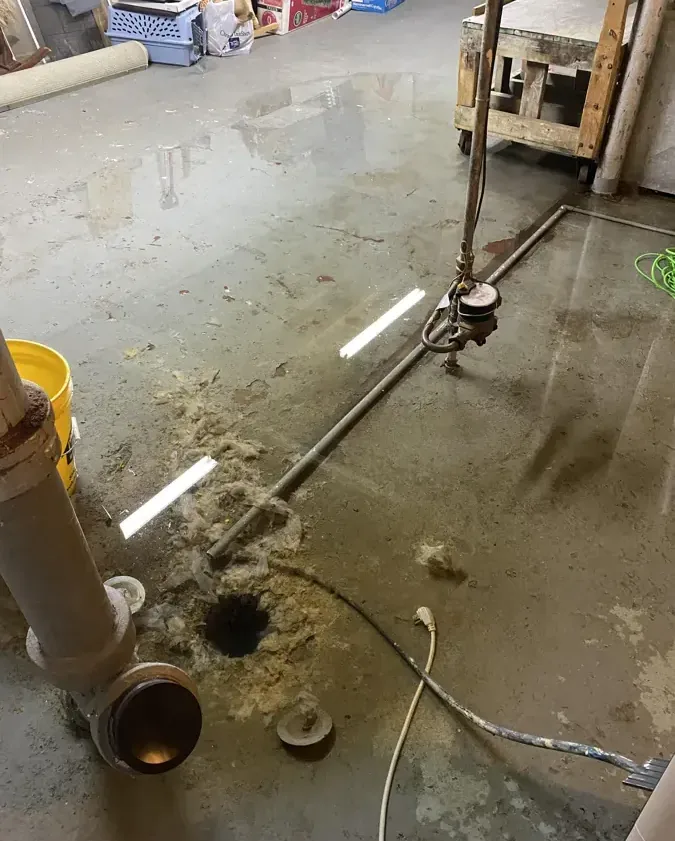
June 2021: sewage from a municipal sewer blockage entered a finished Belmont basement. That reported event brings a practical problem into focus: a room used for living or storage can become a contaminated work area. The immediate decisions concern access, the active drain problem, and the belongings and finishes touched by wastewater. A careful cleanup keeps those decisions connected without treating them as the same job.
Key takeaways
- Keep people and pets out of rooms reached by sewage.
- Describe backing fixtures and spreading water to the plumbing contact.
- Photograph affected contents from a clean, safe position.
- Separate drain correction, contaminated material removal, and drying records.
- Leave reconstruction until retained materials have been evaluated and dried.
Start at the boundary of the affected room
A basement stairway can become the route by which wastewater reaches an otherwise usable home. Shoes, boxes, and equipment passing through the affected room can carry contamination upstairs.
The first practical task is to identify a clean approach and prevent routine household traffic from crossing the wet floor.
An owner who finds wastewater around a drain should keep household members away while professional access is arranged. A wet room containing electrical equipment needs an appropriate safety assessment before entry.
Collecting belongings or taking closer photographs should wait when either the floor or the route to it is unsafe.
Belmont Center, Cushing Square, and Waverley Square are the town's major commercial centers, but the same access question applies to an affected home or workplace. The cleanup contact needs a description of the actual entrance, stairs, occupied rooms, and visible spread so equipment can reach the loss without crossing clean space unnecessarily.
- Identify the last dry point on the approach to the basement.
- Keep contaminated footwear and removed contents inside the controlled work area.
- Tell the crew about occupied rooms connected to the basement stairs.
Describe the drain problem separately from the wet finishes
The Highway Division maintains and repairs sanitary sewer and storm drain mains in Belmont. A property owner reporting a backup can explain which fixtures are affected and whether water continues to rise.
Those observations help the plumbing and municipal contacts understand the immediate drainage problem while the interior team plans access.
A cleared obstruction changes what happens next, but the existing wastewater still needs attention. Carpet, wall bottoms, storage containers, and furniture may have been exposed before flow stopped.
Sewage cleanup addresses those contaminated materials and surfaces while the drainage correction is recorded as its own part of the response.
The incident record should state when the backup was noticed, what activity preceded it, and which fixture first showed trouble. A short account of observations is more useful than a guessed pipe diagnosis.
If a plumber identifies the obstruction or performs a repair, that finding can be added with the service record.
Make a contents list before items leave the room
Finished lower rooms can contain soft furnishings, shelving, stored papers, exercise equipment, and personal belongings. Each item needs its own description of contact with the water.
A photograph of the entire room establishes arrangement, while closer images taken safely record the affected object and the surface beneath it.
A container that looks clean on top may have a contaminated base. Moving it onto a kitchen counter or into a living room transfers the problem into a new setting.
The restoration team can establish a sorting area and distinguish items awaiting evaluation from material already selected for removal.
Disposal decisions should remain traceable after the damaged room has been cleared. An owner can retain an inventory showing the item, location, visible condition, and disposition.
That record supports later conversations with the property manager or insurer, and it also prevents salvageable and discarded belongings from becoming mixed during a busy cleanup.
- Label photographs by room and object instead of relying on camera order.
- Keep removal notes with the corresponding contents entry.
- Record items that require a separate specialist assessment.
Open the finished layers that conceal contamination
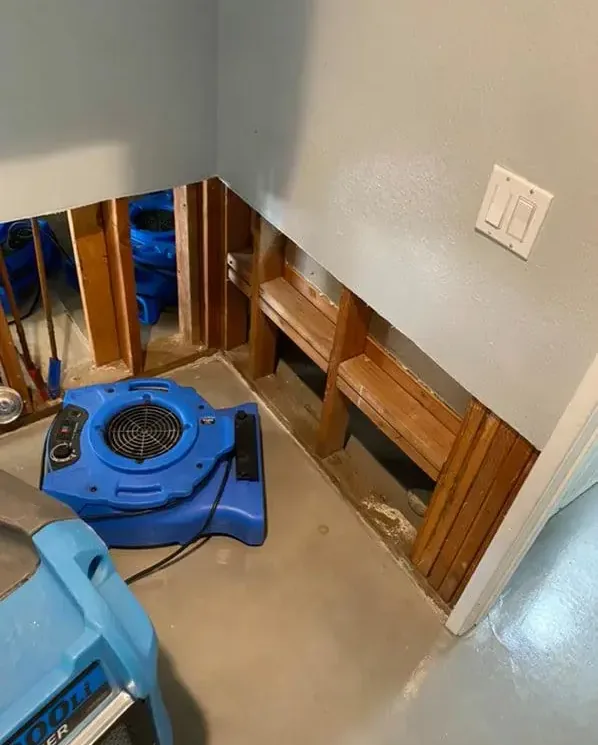
Visible wastewater may occupy only the center of the room while contaminated moisture has reached beneath flooring or behind wall trim. The inspection follows the contact path into accessible edges and cavities.
Removal decisions consider the material, exposure, attachment, and access needed to clean the remaining structure thoroughly.
Porous finishes and concealed insulation require particular attention after sewage contact. A surface wipe cannot reach the back of a panel or the underside of a floor covering.
The crew should explain which material will be removed, which surfaces can be cleaned, and how adjacent retained finishes will be protected during that work.
Photographs taken as layers are exposed become useful construction records. They show the extent of the opening, the condition behind it, and the remaining components that still require treatment.
This avoids a repair estimate based only on the small stain or wet patch visible before the room was opened.
Remove wastewater without spreading it into clean areas
Extraction equipment and removal routes must suit the contaminated room. Ordinary household cleanup methods can create additional contact points on handles, stairs, and storage surfaces.
The team should plan the route from the wet area to the exit and keep equipment handling consistent with the separation established at the start.
Water extraction reduces the liquid remaining on accessible surfaces, but cleaning still has to reach the exposed structure. Debris removal, cleaning, and evaluation of retained materials belong in the work record.
A room that has lost its standing water can still contain wet or contaminated layers awaiting further attention.
An owner can ask for a room by room account of what was removed and what remains in place. That conversation is especially useful when part of a finished basement will stay closed while the rest of the home is occupied.
The arrangement should preserve a usable clean route and a clear work boundary.
- Note the equipment route and the planned removal exit.
- Keep dirty hoses and tools away from household storage surfaces.
- Record newly discovered wet areas before expanding the work boundary.
Track the structure after cleaning is complete
Once the appropriate materials have been removed and retained surfaces cleaned, the drying plan addresses moisture within the remaining assembly. Framing, concrete, and other retained components do not all respond alike.
Readings at identified locations allow the team to follow progress in the same material over successive visits.
Structural drying should have a recorded endpoint for the materials that remain. Equipment placement, room conditions, and access can be adjusted when a measurement stops improving.
The owner benefits from an explanation tied to the specific wall or floor rather than a completion date chosen before the assembly is evaluated.
A dry looking room is an encouraging visual change, but finishing work needs a more complete handoff. The final record can identify the cleaned surfaces, retained materials, measurements, and open repairs.
Keeping those details together helps a reconstruction contractor understand what is ready and which portions still require attention.
Keep the loss file useful after the basement reopens
The June 2021 report concerns a particular sewer blockage and finished basement. A current owner needs a record of the present incident: source findings, affected rooms, work performed, and belongings evaluated.
That file lets later decisions follow the actual loss instead of an incomplete recollection of the first wet morning.
Plumbing invoices and cleanup records describe different work and should remain easy to distinguish. A drain service entry can document clearing an obstruction, while the restoration file describes contamination removal and drying.
Photographs linking the original room to its opened and finished condition make that distinction practical for anyone reviewing the project.
Before the space returns to ordinary use, the property contact should understand remaining restrictions and repair needs. Replacement trim, flooring, and wall finishes can then be planned around the completed mitigation record.
Household storage can return in an orderly way once the room is ready for the intended use.
Questions
Can stored boxes go upstairs during a sewage cleanup?
A contaminated box should stay within the controlled area until its handling is decided. A clean receiving area prevents wet cardboard and dirty container bottoms from carrying contamination into occupied rooms.
Does clearing a drain complete the restoration?
Drain service restores the drainage function being repaired. Interior work still addresses exposed contents, contaminated finishes, concealed moisture, and the condition of retained building materials.
What should an owner photograph first?
A safe overview showing the room arrangement is useful before individual belongings move. Later images can connect each affected object to its inventory entry and disposal or treatment decision.
When can new wall finishes be installed?
The repair handoff should identify completed cleaning and the drying condition of the retained assembly. The installer then has a clear basis for closing the opened wall.
Should the reported local incident be included in a new claim?
The current loss file should describe the current property and event. Its own observations, plumbing findings, invoices, and photographs provide the useful record for the parties reviewing that damage.