Frozen Pipe Water Damage in Belmont, MA
A frozen pipe can release water when the ice thaws and the split begins flowing. The response team checks source isolation, traces the thaw leak and dries affected rooms after plumbing repair.
(888) 629-3140Assess damage after the thaw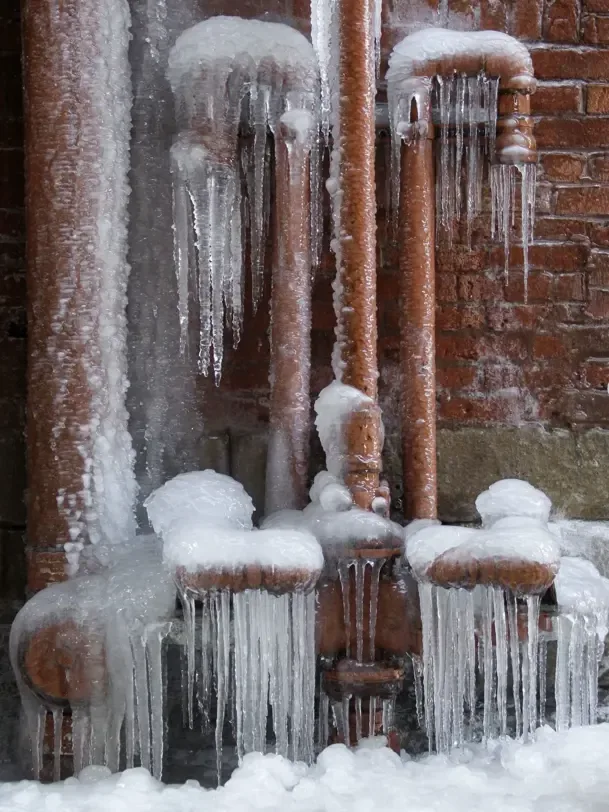
A pipe that stops flowing during cold weather can later leak through a split as it warms. The household needs safe shutoff and plumbing attention before the restoration crew addresses escaped water. Properties around Belmont Hill, Cushing Square and Waverley Square receive an inspection of the actual exposed pipe route and damaged materials. The contractor does not assume a particular local pipe age or a past neighborhood freeze event.
How frozen pipe water damage is handled in Belmont
Confirm the thaw-loss source
The technician reviews the household timeline and checks whether plumbing isolation is complete. A plumber addresses the failed section, allowing restoration work to proceed without continued water feeding the cavity.
Map connected wet rooms
The crew checks the pipe route, adjacent wall bases and accessible areas below. Measurements and photographs establish the footprint before controlled openings or contents movement change the visible pattern.
Extract and dry the assembly
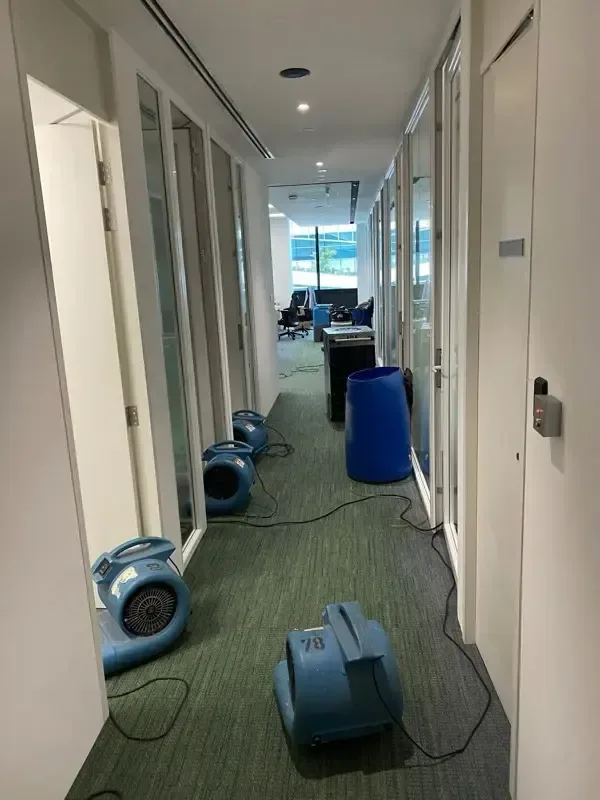
The operator removes liquid water, and the contractor assesses wet insulation and finishes. Airflow and dehumidification then target retained materials with safe power and access appropriate to the affected rooms.
Verify before closing access
The drying technician records endpoint readings and remaining repair needs. The household can coordinate insulation and finish replacement after the pipe repair and the material dry-out have both received attention.
Watch for water when flow returns
A thaw can reveal a failure that was hidden while ice restricted the pipe. The plumber evaluates the frozen section and repair needs. Household members avoid open flames and unsafe heating methods near plumbing, and never reach through standing water toward electrical controls. The restoration technician asks when flow stopped, when it returned and where water first appeared.
- The household notes affected fixtures and any new dripping sounds as the pipe warms.
- The response team checks whether the main supply remains safely isolated.
- The technician inspects the room below a concealed pipe route for delayed water appearance.
- The crew records the wet boundary before flooring or wall material is removed.
- The technician checks insulated sections beside the repaired break for residual water, using material readings to identify wet framing that remains concealed after the plumbing work ends.
- The contractor records the room conditions and any equipment interruptions during the dry-out, giving the household a practical explanation for changes in the measured material response over time.
A break near an exterior wall may send water along the assembly before it reaches the open room. Measurements help reveal that path.
Water still spreading?
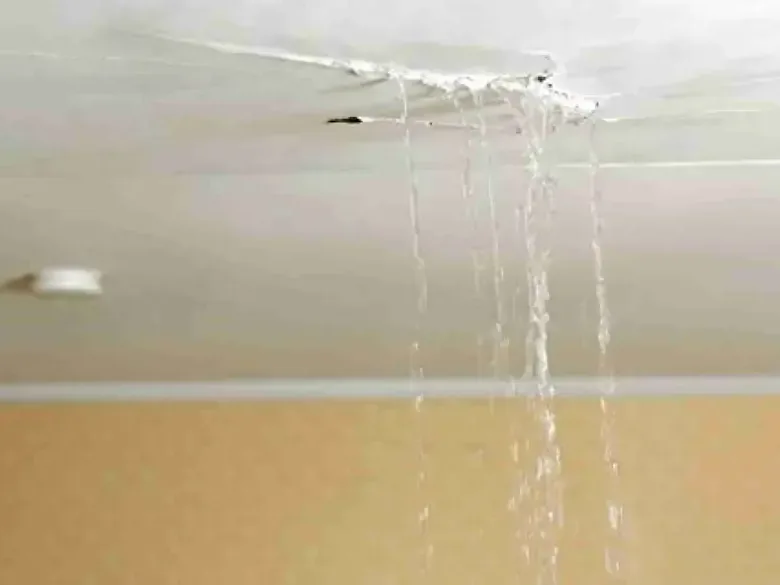
A thaw leak can leave water inside insulated cavities after service returns. The response team follows the pipe-loss footprint, documents affected materials and coordinates drying with the plumbing repair.
(888) 629-3140Review the thaw-leak footprintDry the cavities reached by the thaw leak
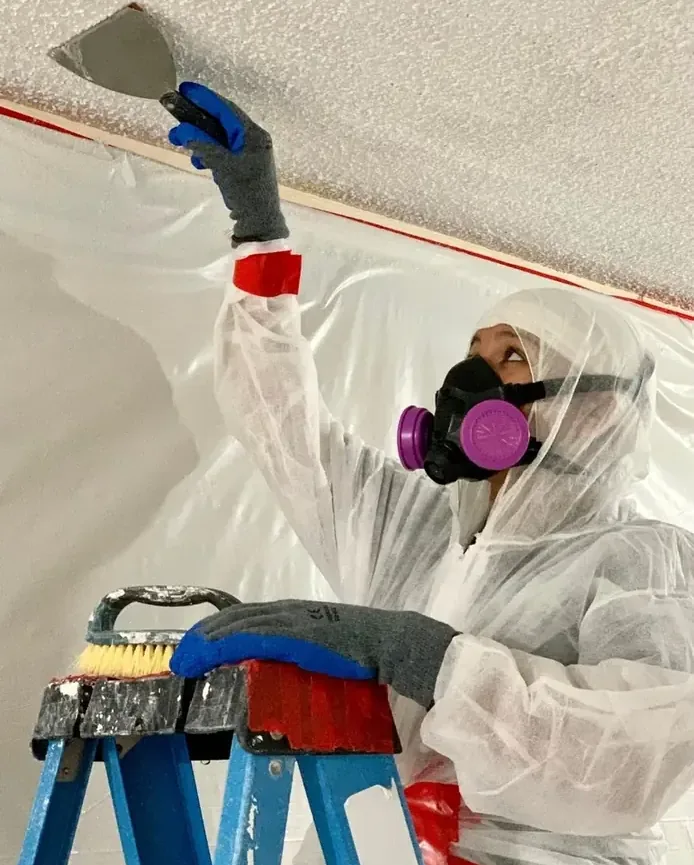
Source repair does not remove water from insulation, framing or the floor beneath the pipe. The contractor checks those materials and explains controlled access where the assembly restricts drying. Unsuitable insulation or damaged finishes need removal; retained timber receives direct moisture measurements and a suitable drying plan.
In a building near Belmont Center, the technician follows the actual connected rooms and service penetrations. The inspection includes the level below where water could have traveled. Equipment placement then supports evaporation from accessible wet surfaces while dehumidification removes the released moisture.
- The crew protects furnishings and clean rooms during opening and debris removal.
- Technicians compare wet timber with a suitable unaffected reference.
- The contractor keeps source access available until plumbing repair and drying checks are complete.
- The household discusses room temperature and equipment operation with the drying technician.
Ready.gov winter weather information provides cold-weather preparedness. EPA WaterSense offers household leak-awareness information alongside the property-specific plumbing assessment.
Keep the work area safe
The response team checks electricity, unstable surfaces and water contamination before opening wet materials. Household members keep children and pets away from affected rooms. A qualified electrician handles wet circuits. The cleanup crew sets containment when dirty water or debris could reach occupied space, then establishes a safe route for equipment and removed material.
Record the thaw loss before rebuilding
The drying team tracks retained materials after the pipe repair. The technician measures the concealed cavity after warmth and water service return. Daily readings show progress and help the contractor adjust equipment or access where moisture remains elevated. The repair trade receives a clear record before replacing the wall or floor finish.
Documentation for your insurance claim
The household preserves the timeline of lost flow, thawing and visible leakage together with the plumber's findings. The restoration contractor adds photos, material decisions and daily drying readings. Policy conditions determine coverage for a freeze-related loss, so the insurer evaluates the circumstances. The contractor documents the actual damage and work without promising that every repair cost qualifies.
First decisions for frozen pipe water damage in Belmont
Keep thawing methods safe
Household members avoid flames and improvised heating near the pipe. A plumber evaluates the frozen section and source isolation, while the restoration team focuses on water already released into the building.
Check when flow returns
The household watches from a safe position for new leakage after thawing. The technician checks connected rooms and the floor below because a split can release water away from the fixture that first lost flow.
Inspect insulated cavities
Wet insulation can hold moisture against framing after the supply is repaired. The contractor evaluates removal and access so retained timber can receive direct readings and appropriate controlled drying.
Retain the incident timeline
The household records when fixtures stopped and when water appeared. Combined with the plumber’s findings and drying records, that timeline helps describe the loss without substituting a general winter-weather story for actual observations.
What does frozen pipe water damage cost in Belmont, MA?
Frozen pipe water damage cleanup in Belmont often ranges from $1,200 to $6,800. Concealed access, wet insulation, multiple affected levels and drying delay influence the total. Pipe repair, insulation replacement and finish rebuilding are separate tasks.
Contained thaw leak
$1,200 to $2,600
- Limited extraction
- Pipe-route checks
- Focused equipment
Wet wall or ceiling cavity
$2,600 to $4,600
- Controlled access
- Insulation assessment
- Daily readings
Several rooms or levels
$4,600 to $6,800+
- Wider moisture map
- More removal
- Repair coordination
Category of water, square footage, material class and drying delay shape the scope. Belmont water damage cost calculator gives an estimate only.
Frozen pipe water damage across Belmont
Water damage service covers ZIP 02478, including Belmont Center, Cushing Square, Waverley Square and Belmont Hill. The restoration team assesses the actual wet rooms and access conditions before setting the extraction and drying scope.
Arlington, Waltham, Cambridge, Somerville and Winchester are also within the service area.
Related water damage services in Belmont
Frozen Pipe Water Damage questions in Belmont, MA
Why can a pipe leak only after it thaws?
Ice can temporarily restrict flow through a damaged section. As it warms, water may escape through the split. The plumber evaluates the pipe while the restoration technician checks the resulting damage. Restored flow should prompt attention to new drips, wet walls and connected rooms below the pipe route.
Should a frozen pipe be heated with a flame?
No. Household members should avoid open flames and improvised heating that can damage the pipe or surrounding material. A plumber can assess the frozen section and safe next steps. If water has escaped, the restoration team separately checks electricity, wet cavities and the source-isolation status before cleanup.
Does the pipe repair dry the insulation?
Repair stops the incoming water but leaves absorbed moisture in the building. The contractor assesses insulation and framing separately, removing unsuitable material and measuring retained components. Drying equipment needs appropriate access to the wet assembly, with readings showing whether it is ready for replacement insulation and finishes.
What if water appears downstairs later?
The technician checks the connected ceiling and wall route because water can take time to reach a visible surface. The moisture survey extends beyond the initial room, and the drying plan changes if another assembly is affected. The household should report new stains or dripping rather than assuming the original scope covers them.
What information helps describe a freeze-related loss?
The time fixtures stopped flowing, the period when water returned and the first visible leak help establish the sequence. The plumber’s diagnosis and photographs add detail. The contractor documents the actual wet rooms and materials instead of relying on a general weather account or an assumed pipe type.
When can the wall close after a thaw leak?
The source repair and retained material condition both need confirmation. The drying technician records moisture readings and identifies any remaining access needs. Replacement insulation and finishes follow that assessment, so the repair does not hide damp timber or leave an unverified section around the repaired pipe.
Complete the dry-out after the frozen pipe repair
The crew checks the rooms and cavities reached by the escape and records moisture before finishes return.
(888) 629-3140Arrange thaw-loss drying