Water Damage Restoration in Waltham
A spreading puddle, soaked ceiling or backed up drain needs a clear next step. Waltham property owners can arrange water removal and a drying assessment for affected rooms.
(888) 629-3140Discuss the wet rooms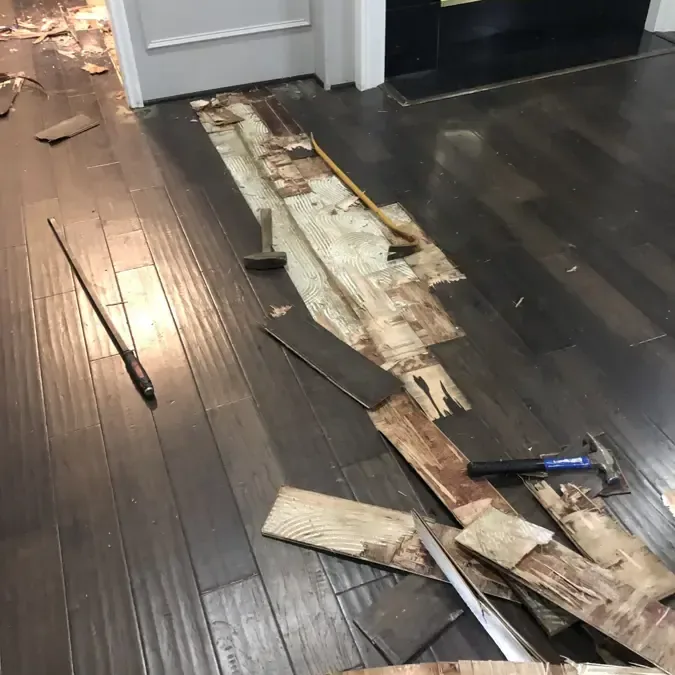
Understand what stays, dries or needs removal
An effective scope connects each action to a wet material or access problem. Owners should be able to follow the measurements, removal decisions and next repair steps for each affected space.
The source influences the cleanup approach
Supply water escape
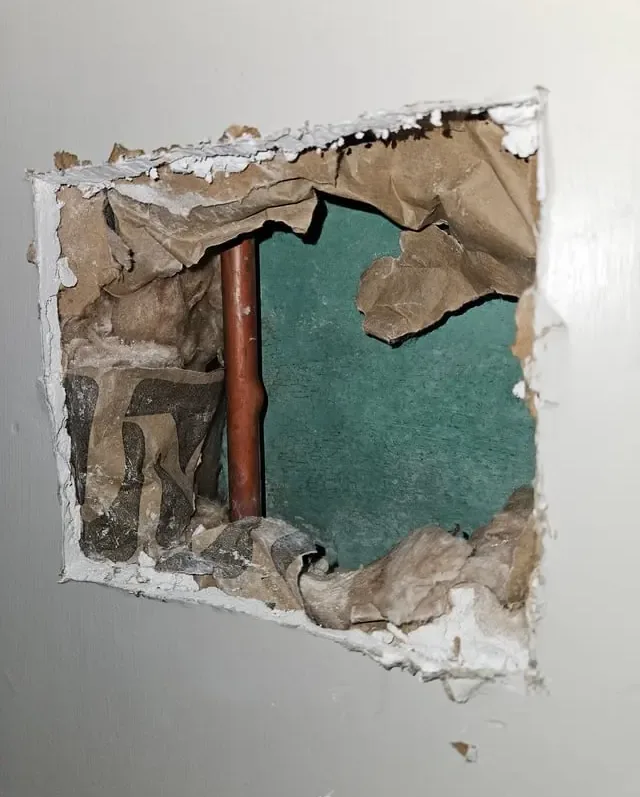
A fresh supply break needs isolation and a check of everything the water reached, including concealed cavities beyond the visible puddle.
Follow a pipe breakUsed appliance water
Discharge from an appliance can carry residues into cabinet bases and floor seams. The cycle and source help shape handling decisions.
Inspect appliance spreadWastewater entering rooms
Sewage requires separation from occupied space and assessment of contaminated porous materials. Routine surface drying cannot replace an appropriate cleanup plan.
Assess wastewater cleanupCleanup shaped around the source of water
Select the problem closest to the damage. Each service explains what gets inspected, which materials may need attention, and how removal connects with drying and repairs.
Water Extraction and Removal
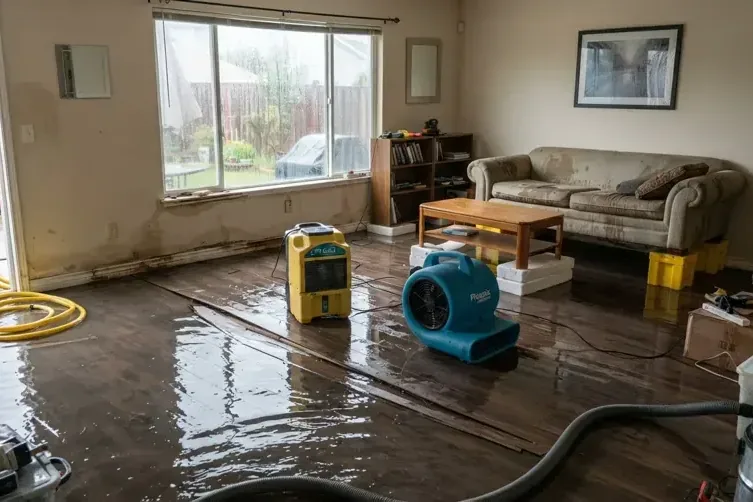
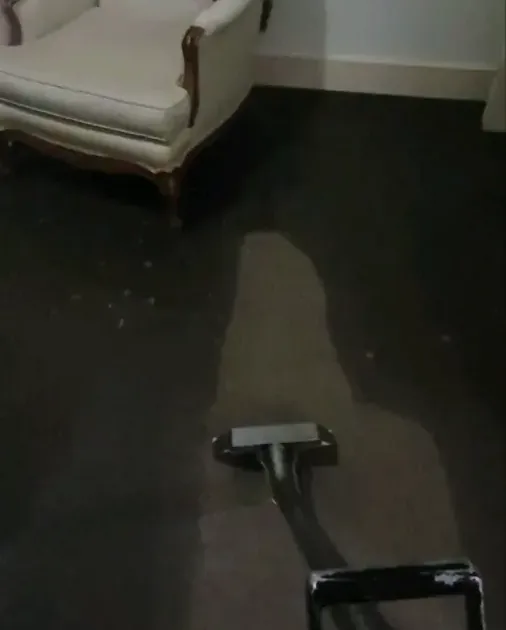
Standing water can move beneath furniture and through doorways. Extraction removes the accessible volume before wet edges and hidden floor layers are assessed.
Water Extraction and Removal details ›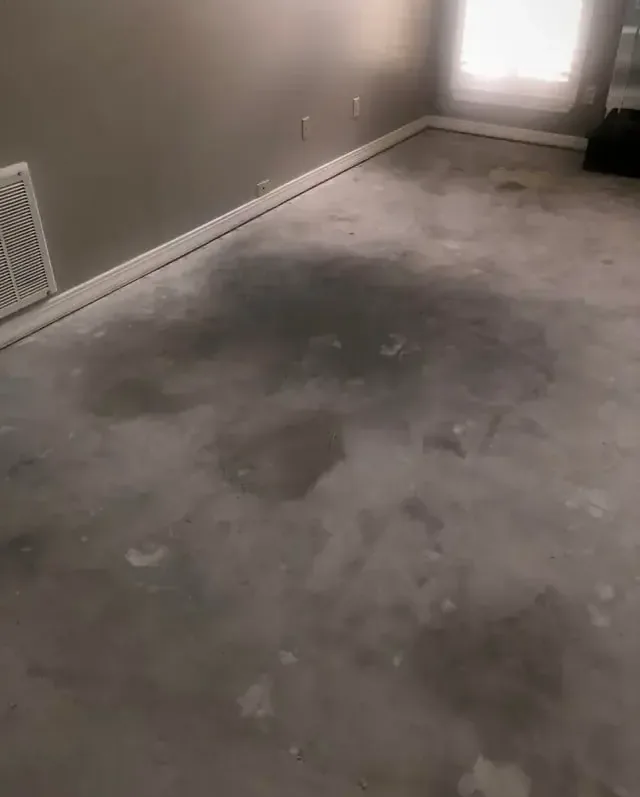
Slab Leak Water Damage
A damp concrete surface can hide a continuing supply leak. Source location and floor measurements help separate plumbing repair from recovery of wet finishes.
Slab Leak Water Damage details ›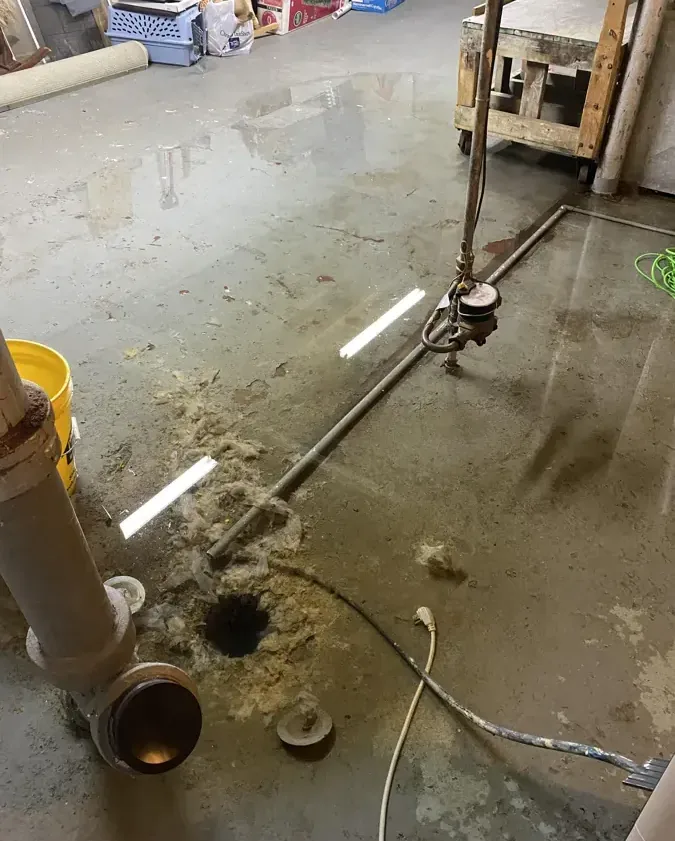
Sewage Backup Cleanup
Wastewater across a room requires restricted access and careful material decisions. Contaminated contents, floor surfaces and disposal needs shape the cleanup scope.
Sewage Backup Cleanup details ›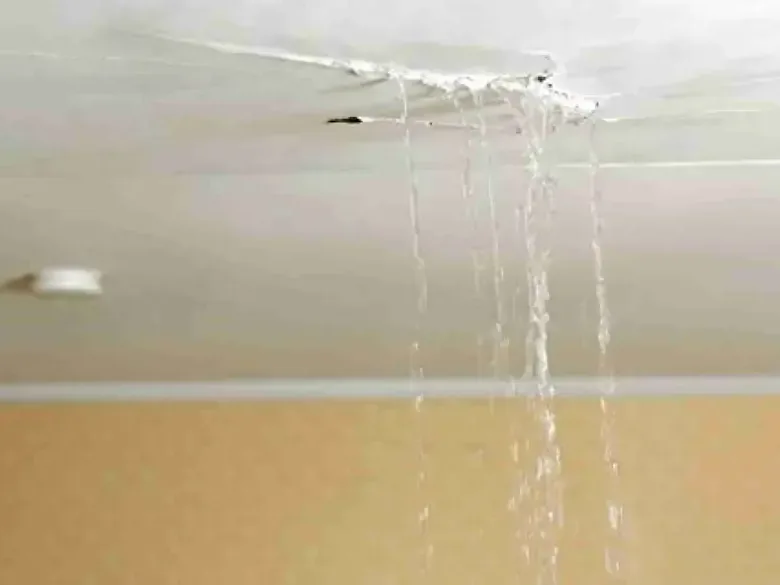
Burst Pipe Water Damage
A broken supply pipe can wet several rooms before isolation. Follow the route from the break through wall openings, ceilings and adjoining floors.
Burst Pipe Water Damage details ›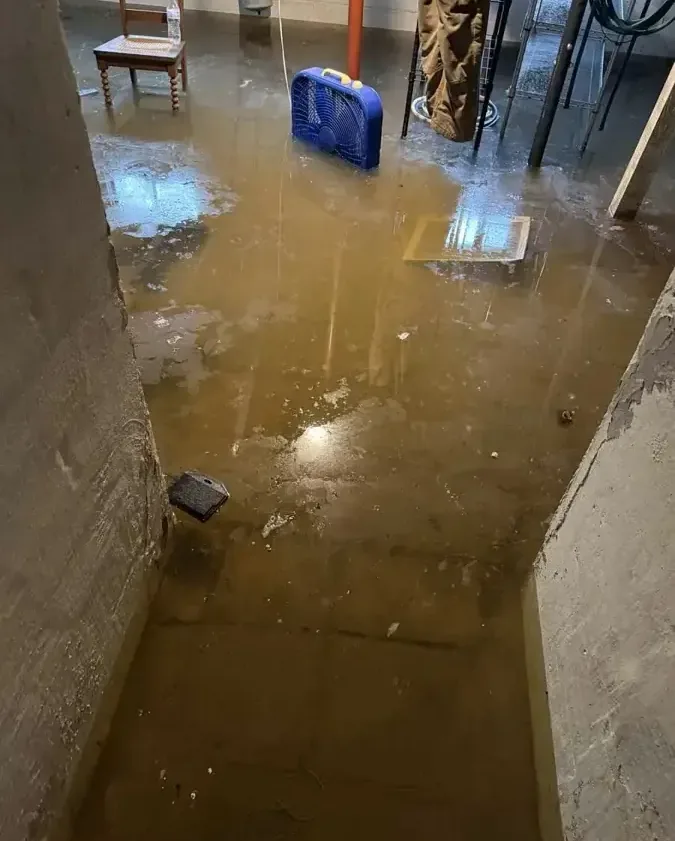
Storm and Flood Cleanup
Outdoor runoff brings dirt and debris indoors. Storm cleanup considers entry routes, deposited sediment and the condition of materials beneath standing water.
Storm and Flood Cleanup details ›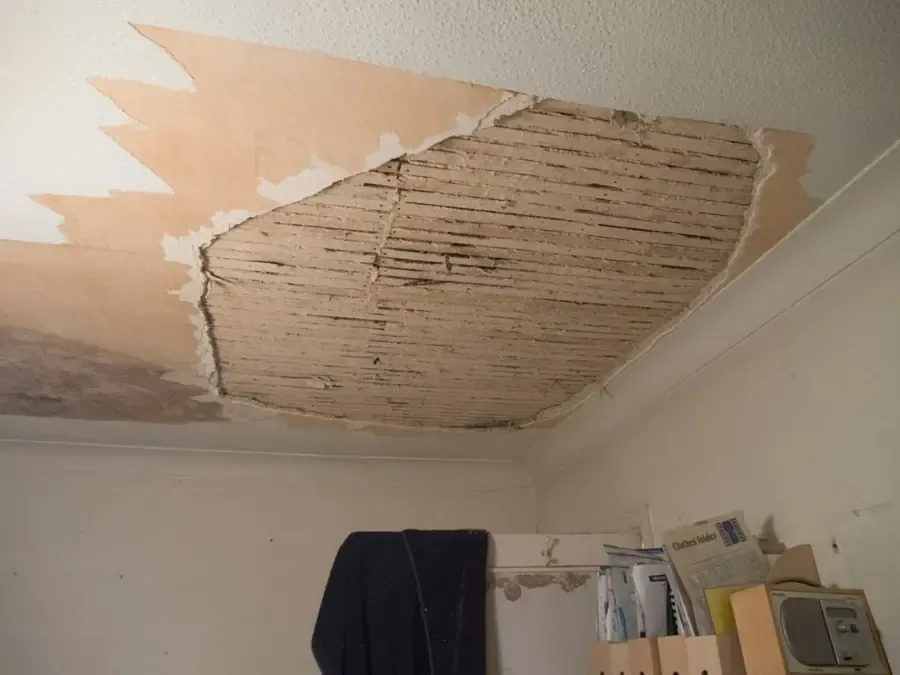
Roof Leak Water Damage
Roof entry can leave insulation wet above a small stain. Interior recovery follows the leak downward while a roofing professional addresses exterior repairs.
Roof Leak Water Damage details ›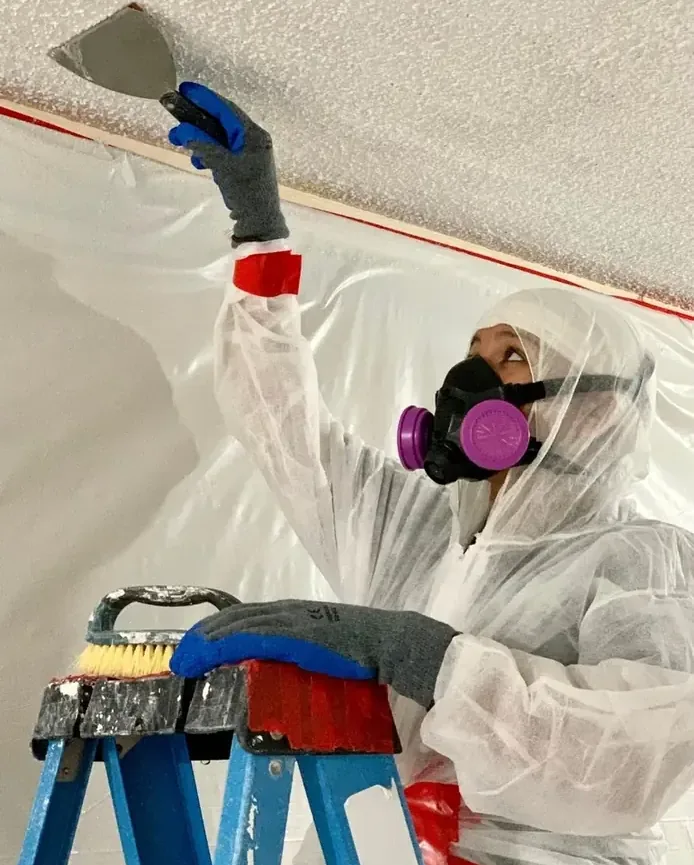
Ceiling Leak Water Damage
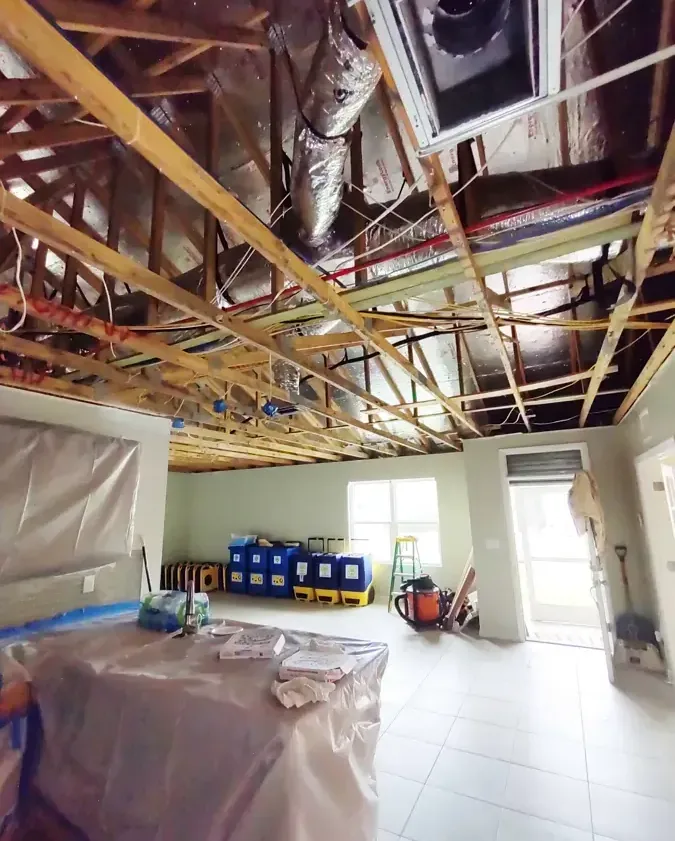
Sagging overhead material changes how a room can be entered. Ceiling work begins with a safe assessment of the cavity and supporting surfaces.
Ceiling Leak Water Damage details ›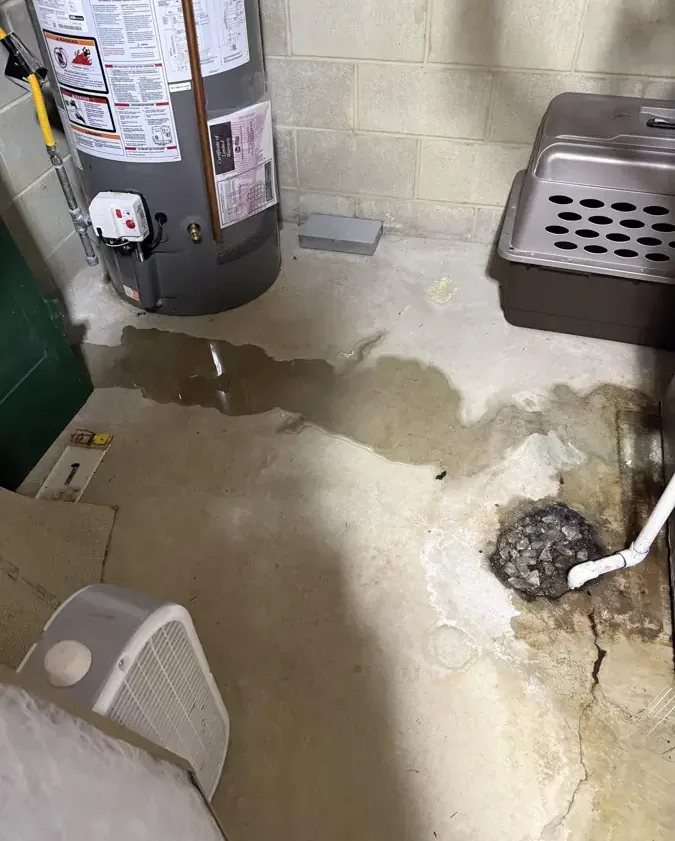
Water Heater Leak Cleanup
Water escaping a tank can reach storage and finished rooms. Cleanup addresses that spread while equipment isolation and replacement remain separate plumbing tasks.
Water Heater Leak Cleanup details ›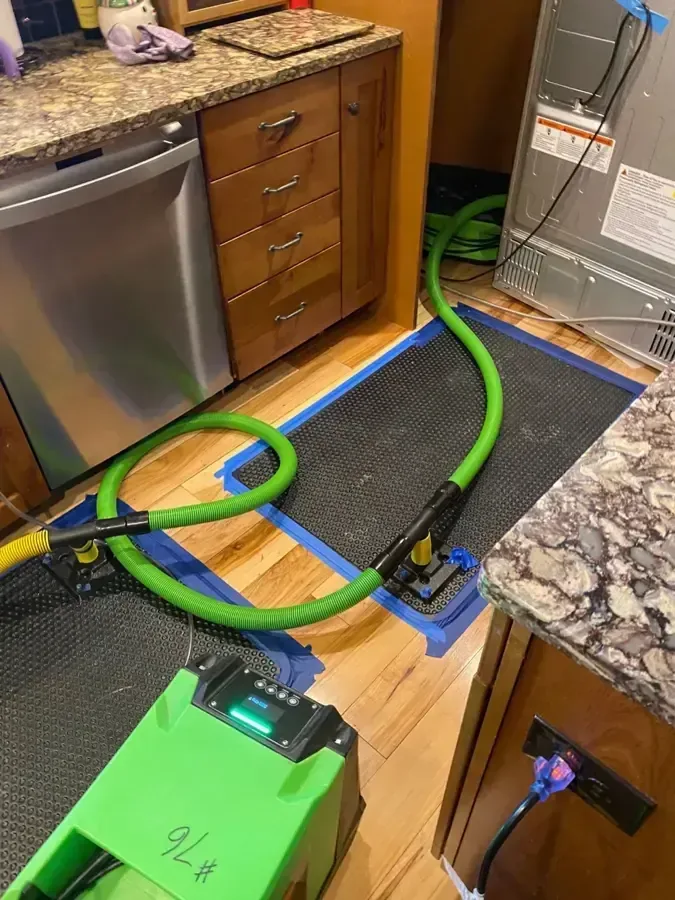
Appliance Leak Water Damage
A dishwasher or washer leak may disappear under cabinets. Inspection follows water behind the appliance and across flooring rather than stopping at visible puddles.
Appliance Leak Water Damage details ›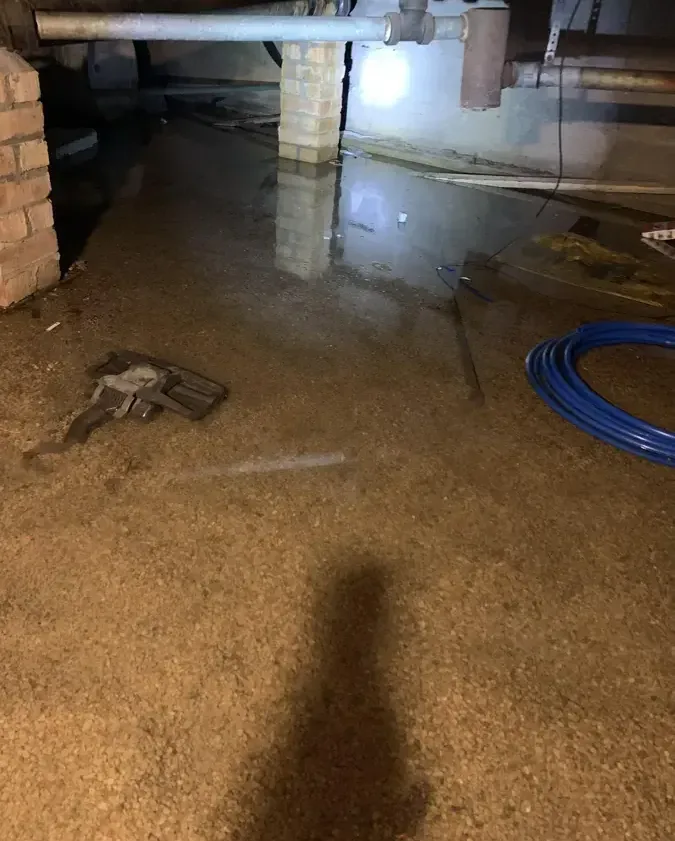
Crawl Space Water Removal
Where a property has an underfloor void, access matters. Removal planning considers standing water, low clearance, insulation and the condition of exposed timber.
Crawl Space Water Removal details ›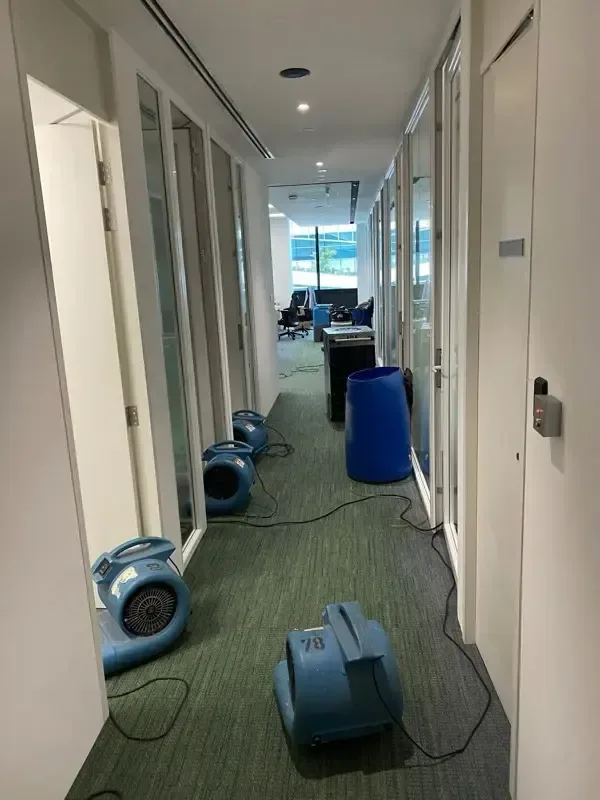
Structural Drying and Dehumidification
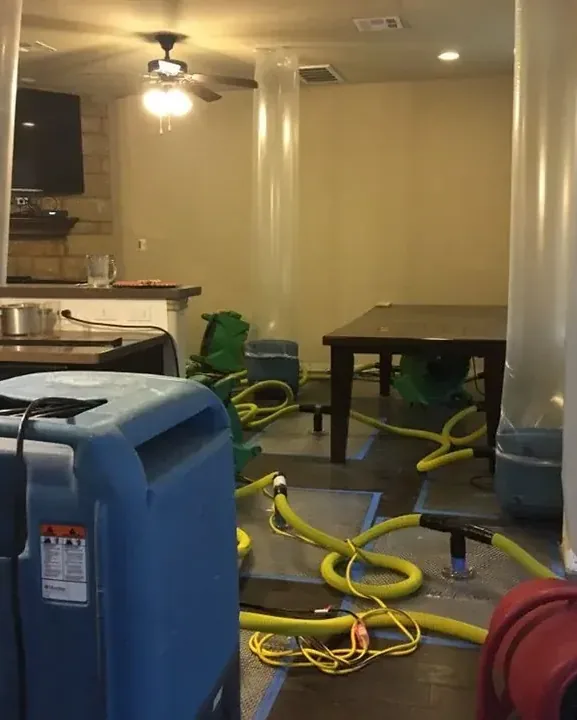
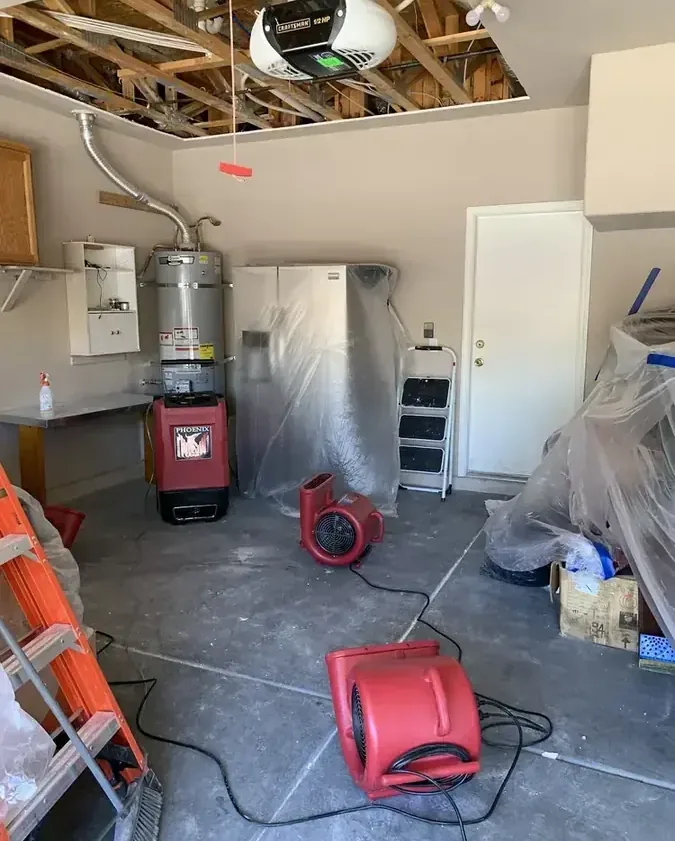
Dry surfaces can conceal damp assemblies. Measured drying tracks framing, wall materials and floor layers until the remaining repair work can be planned.
Structural Drying and Dehumidification details ›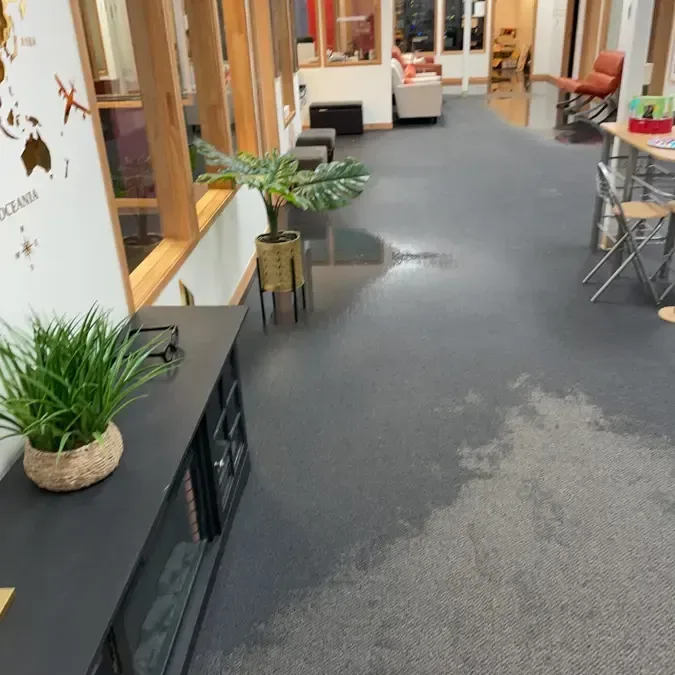
Commercial Water Damage
Wet stock, workstations and customer routes create different priorities. Commercial cleanup coordinates access, affected contents and equipment placement with the person managing the premises.
Commercial Water Damage details ›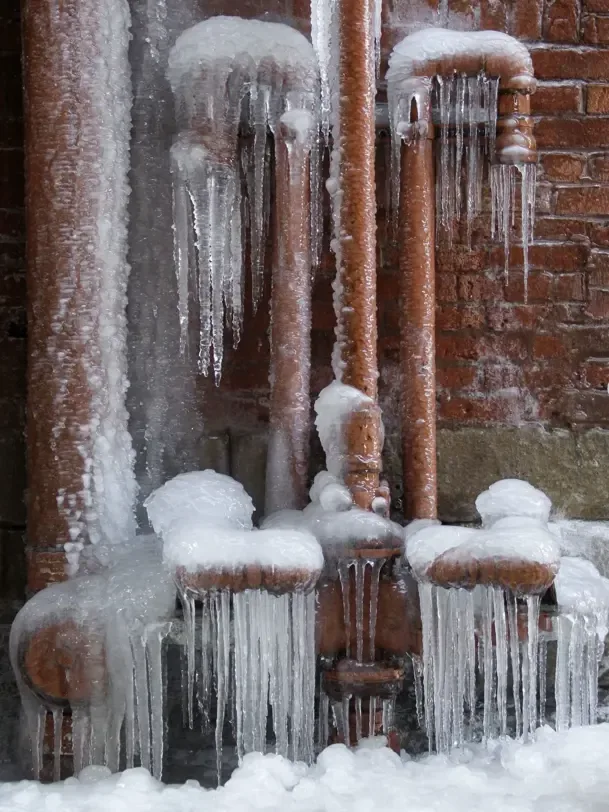
Frozen Pipe Water Damage
A frozen pipe may release water during thawing. Check the affected supply and nearby cavities before assuming that a quiet room has remained dry.
Frozen Pipe Water Damage details ›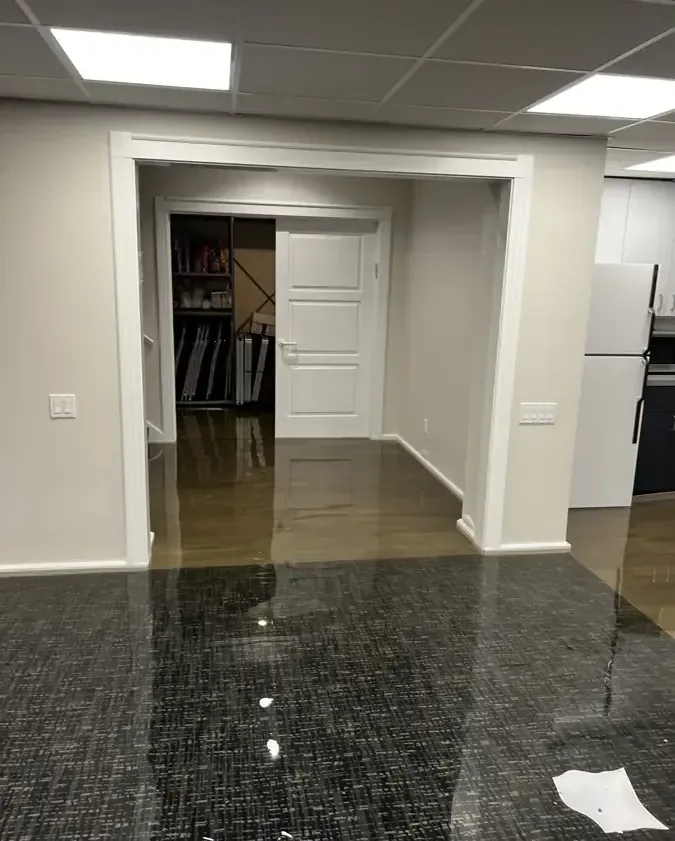
Basement Water Removal
Lower level water can surround utilities and storage. Safe access, the source of entry and the wet perimeter determine the approach to removal.
Basement Water Removal details ›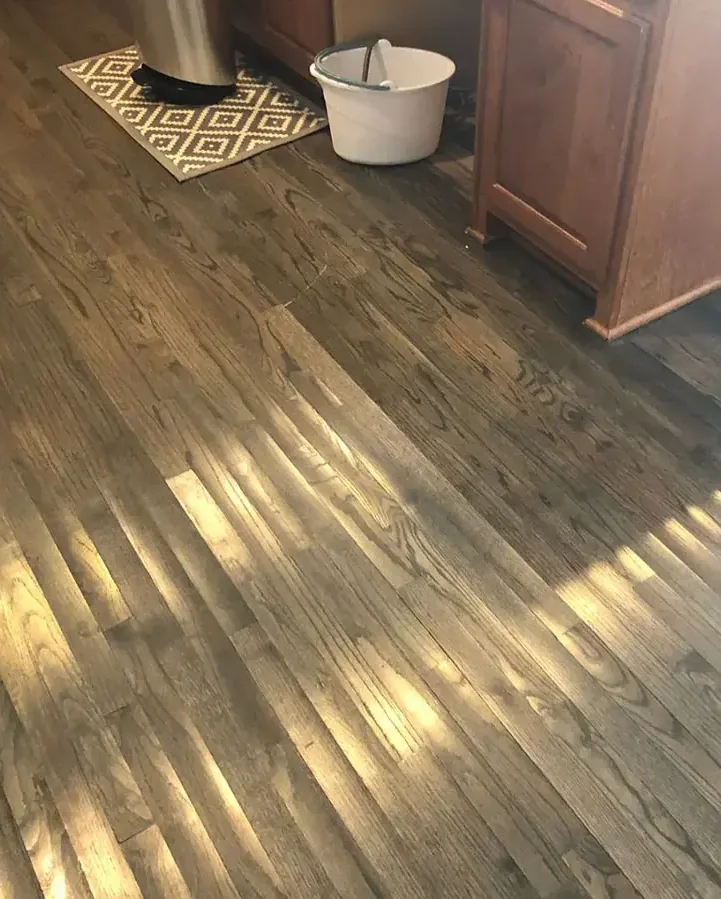
Hardwood Floor Water Damage
Raised board edges can reflect moisture beneath the finish. Floor recovery compares surface readings with the layers below before sanding or replacement decisions.
Hardwood Floor Water Damage details ›Make the next action safe and useful
Keep clear of hazards
Standing water near electrical equipment or a sagging ceiling calls for restricted entry. Keep occupants outside the affected area until the hazard is assessed.
Stop accessible water safely
An identified shutoff may limit a supply leak if it can be reached from dry ground. Avoid forcing a valve or entering water to reach it.
Protect a dry route
Move unaffected possessions only when access is safe. Keep a clear path for inspection, and avoid carrying wet items through clean rooms unnecessarily.
Record the visible change
Photograph the source area and damaged possessions from a secure position. Note when the problem was discovered and whether water is still entering.
Describe what happened
Explain the affected level, suspected source and any access restrictions when requesting cleanup. Mention dirty water, overhead damage or equipment exposed to moisture.
A sequence that follows the water
Cleanup starts with the active problem and progresses toward measurable recovery. Each stage should explain what has changed, what remains wet and which decisions are needed before the next stage begins.
Define the affected area
Inspection follows visible water and takes readings around the perimeter. Adjacent rooms and the floor below may need attention even when their finishes appear intact.
Remove accessible water
Extraction methods match the surface and available access. Contents are moved or protected as appropriate, and wet materials are evaluated before equipment is placed.
Dry retained assemblies
Air movement and dehumidification address the materials selected for retention. Follow up measurements show where the setup needs adjustment and where progress is continuing.
Document the remaining repairs
Closing notes identify completed cleanup, retained materials and items needing replacement. Those details help the owner discuss rebuilding with the appropriate repair contractor.
Water cleanup for Waltham properties
Neighborhoods and commercial streets
Listed ZIP areas
Other nearby service areas
Describe access before the cleanup visit
Properties around The Bleachery, Piety Corner and Roberts can present different access arrangements. Describe parking, the affected floor and any shared entrances when discussing the work.
A locked utility room, occupied business or shared stairway can affect setup. Identifying those details early helps organize a route for equipment and protected movement through the building.
(888) 629-3140Discuss access to the wet areaSee the kinds of work a wet room needs
How a water loss is handled
Material specific assessment
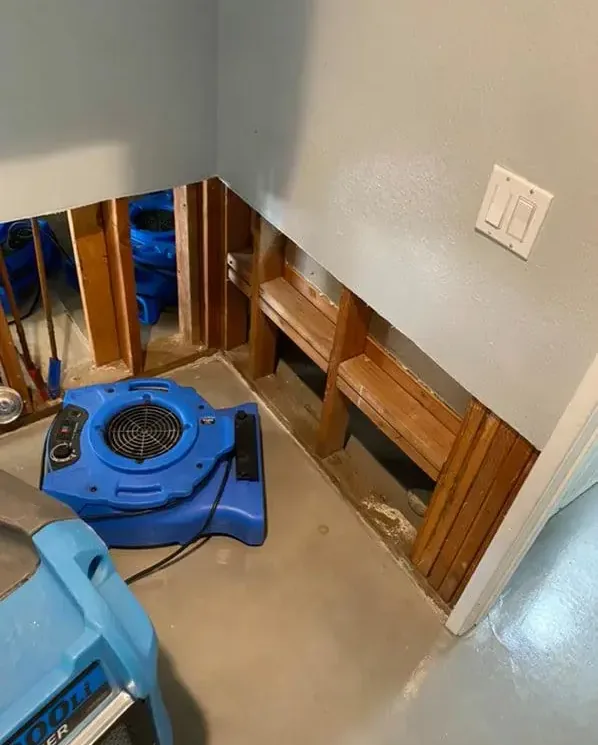
Wallboard, timber, carpet and concrete respond differently to water. Identifying the actual assembly helps explain why equipment placement or selective opening may vary between adjoining rooms.
Clear boundaries for work
The written scope should identify affected rooms, protected areas and items awaiting a decision. That distinction helps occupants understand access limits while cleanup and drying proceed.
Traceable moisture readings
Recorded readings allow later checks to be compared with the starting condition. A room looking brighter or feeling warmer is only part of the drying picture.
Repair planning after drying
Finish work follows assessment of the remaining materials. Keeping plumbing, cleanup and rebuilding tasks clearly described helps owners arrange the right work in a sensible order.
Prepare a useful claim record
Photos and clear notes can support an insurance discussion. Record the discovery and emergency actions, then keep the cleanup scope and invoices together as the work develops.
- Photos of the source and wet rooms
- Discovery date and observed water movement
- List of visibly affected household possessions
- Written cleanup scope and approved changes
- Invoices for mitigation and source repairs
When paying for cleanup directly
An owner paying directly can request a staged scope that explains immediate water removal, material access and drying. The estimate should identify decisions that may change after concealed areas are inspected.
Keep an agreed record of additions before they proceed. Separate urgent mitigation from optional finish choices so spending remains tied to the actual recovery work.
What can water cleanup cost in Waltham?
Planning ranges depend on the area reached, water condition and access to hidden layers. A limited wet room differs from connected cavities or contaminated finishes. An inspection should turn those differences into a written scope before work expands.
Contained room
$1,000 to $2,500
- Accessible wet floor
- Limited material opening
- Focused equipment setup
Connected interior
$2,500 to $5,000
- Adjoining wet rooms
- More cavity access
- Repeated moisture checks
Extensive recovery
$5,000 to $10,000+
- Broad material damage
- Complex contents handling
- Expanded drying area
These figures support initial planning. Source repairs, replacement finishes and unusual access needs should be identified separately so the owner can compare the proposed work with the damage.
Water damage help in nearby towns
Water damage questions before repairs
Waltham Roof Runoff and an Interior Ceiling Leak
Waltham roof leak cleanup: tracking rain from entry to ceilings, checking insulation and framing, and coordinating roof repair with indoor drying work.
Arlington Ceiling Leaks Between Stacked Living Areas
Arlington ceiling leak cleanup for stacked living areas: coordinating room access, tracing water between floors, and documenting hidden moisture before repairs.
Belmont Dishwasher Leaks Beneath Wood Flooring
Belmont dishwasher leaks beneath wood floors: following water behind cabinets, checking boards and subfloor, and planning drying before floor repair decisions.
Recognize the route into the building
The Charles River passes through the city, while runoff also travels from roofs and paved surfaces. Inside a property, locating the actual entry point determines the immediate response.
Runoff carries more than water
The Clean Stormwater Initiative addresses pollution prevention. City stormwater information describes debris, dirt and other pollutants moving with runoff, which matters when outdoor water enters a room.
Catch basins and indoor cleanup
The Water & Sewer Division maintains storm drain pipes and catch basins. Interior extraction and drying address affected building materials after the entry route has been assessed.
Commercial water sources
Moody Street has shops and restaurants. A leaking appliance in an occupied business needs assessment of surrounding finishes, stock and access before cleanup equipment occupies the work area.
Materials vary by property
The Lyman Estate and Gore Place are historic landmarks. At any affected building, inspection identifies the actual wall and floor construction before removal or drying decisions are made.
Wastewater needs separate handling
Municipal sewer pipes and sewage pumping stations are maintained by the Water & Sewer Division. Wastewater inside a property requires controlled access and a room specific cleanup assessment.
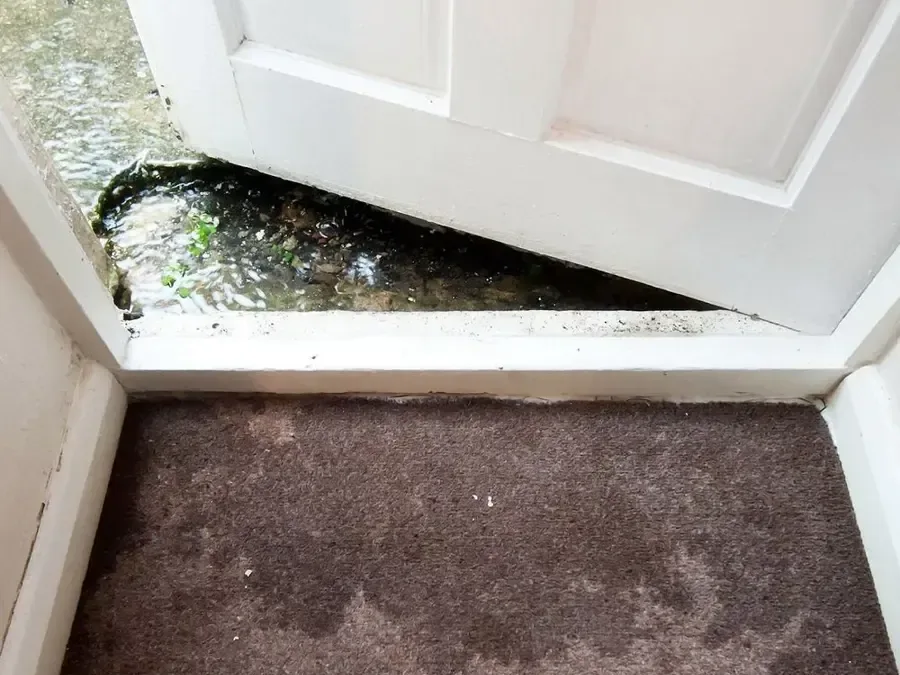
October 22, 2026: The city announced a water main shutdown near Main Street and Grant Street. That scheduled utility work is distinct from assessing a leak inside an individual building.
Questions before arranging water cleanup
What details are useful when requesting help?
Start with whether water is still entering and which floor is affected. Mention standing water, ceiling movement, a sewage smell or exposed electrical equipment. Safe access and the type of room help determine what should be assessed first.
Can a room look dry while materials remain wet?
Yes. Water can remain beneath floor coverings or inside wall cavities after the visible surface dries. Structural drying uses measurements and assembly inspection to locate remaining moisture and support decisions about equipment, material access and the next finish repairs.
Does nearby river access explain every basement leak?
The entry route needs investigation at the property. A basement may receive water from plumbing, a drain or outdoor entry. Identifying the source helps avoid treating different problems alike and directs the appropriate repair alongside interior cleanup.
Should possessions be moved before the visit?
Unaffected items can be moved when the route is dry and safe. Heavy furniture, contaminated belongings and anything near unstable ceilings should remain for assessment. Photos taken before movement can preserve a useful record of the room and its contents.
Is drying equipment enough after a sewage backup?
Sewage cleanup also addresses contamination and material suitability. Access restrictions, removal of affected porous items and cleaning of retained surfaces may be required before drying begins. The scope should explain those decisions alongside the removal of wastewater from the room.
Who decides whether an insurance policy covers the loss?
The insurer evaluates coverage under the policy and circumstances. Cleanup records can document observations, work and costs for that discussion. Owners should keep communications, photographs and repair invoices together and ask the insurer about its claim requirements.
Can an affected business remain open during cleanup?
That depends on the hazards and whether a usable area can be separated from the work. The manager should discuss customer routes, electrical safety and equipment placement. Access decisions should be reviewed when the affected area or cleanup scope changes.
When can new flooring or wall finishes be installed?
Replacement planning follows source repair and assessment of retained materials. The drying record should show the condition of the assembly beneath the new finish. Installing over trapped moisture can create another problem even after the room looks ready.
Are plumbing repairs included with water removal?
The scope should identify them separately. A plumber addresses a leaking pipe or failed appliance connection, while water removal and drying address the resulting damage. Coordinating those tasks prevents continued leakage from undoing the interior cleanup work.
How is the full cleanup price determined?
The affected area, material layers, water condition and access all influence the work. An estimate should name the rooms and tasks included. If opening a cavity reveals additional damage, the added work should be explained before the scope expands.
Make a clear plan for the wet rooms
Describe the water, the affected level and any immediate hazards to begin planning the next cleanup steps.
(888) 629-3140Request a room assessment