Roof Leak Water Damage in Waltham
The ceiling stain may sit far from the roof opening. Interior recovery follows moisture through the attic and ceiling assembly while the roofing repair addresses the path admitting water.
(888) 629-3140Assess the wet attic and ceiling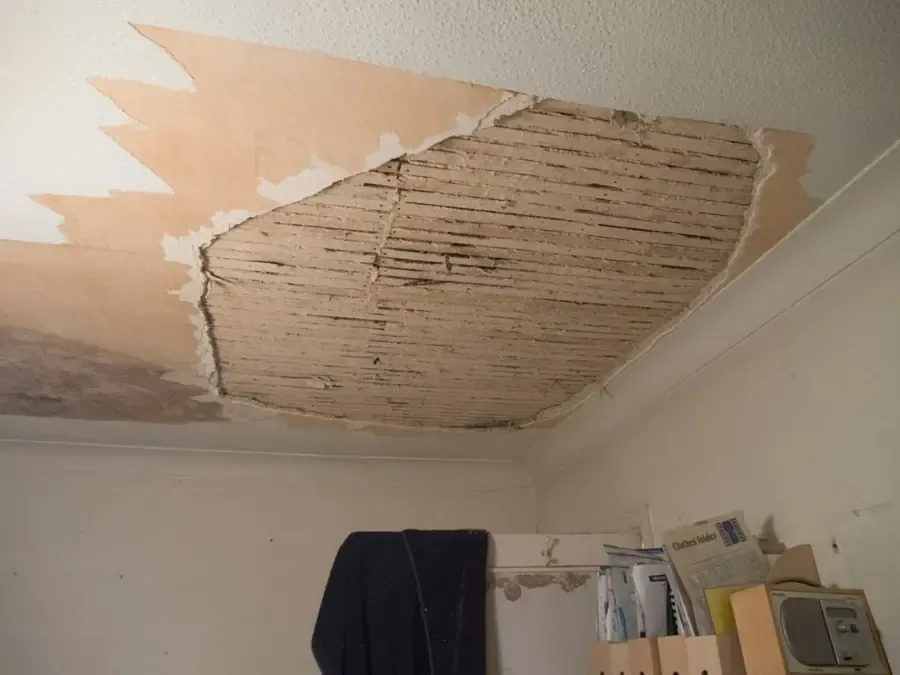
A ceiling stain that reappears after rain deserves more than a fresh coat of paint. Water entering through a roof can travel across framing or insulation before showing inside a Waltham room. Interior cleanup needs to follow that route, including material above the visible mark. The roofing professional addresses the exterior opening, while the interior assessment determines which wet layers need access, removal or monitored drying before the ceiling is repaired.
How roof leak water damage is handled
Connect the stain with the cavity
Inspection looks beyond the painted surface to determine the wet route above it. The assessor coordinates available roofing observations with interior readings and identifies areas requiring a safer or more direct inspection opening.
Protect the room before opening
Furniture and unaffected finishes are protected according to the removal plan. Access below unstable material is controlled, and the scope explains which ceiling or insulation sections need removal to expose the affected assembly.
Arrange drying above and below
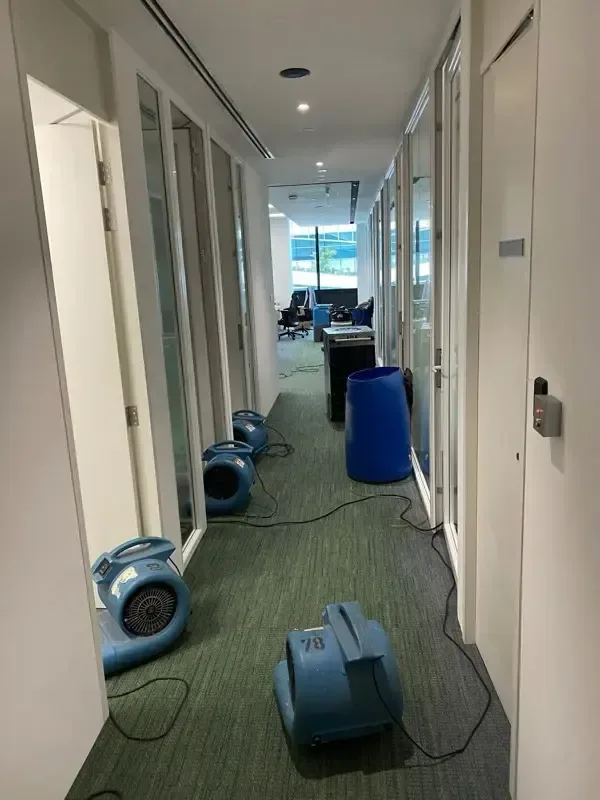
Equipment and airflow are selected for the retained materials and available cavity access. Readings track areas that may remain damp even after the drip stops, including framing or adjoining ceiling sections beyond the original stain.
Hand off a repairable assembly
The closing record identifies remaining moisture concerns, removed materials and the finish work still required. Roof repair status is kept visible in that handoff so interior reinstatement follows a resolved entry problem and assessed drying.
Look above the mark without creating another hazard
The city describes runoff from roofs as part of its stormwater system. Inside a building, the relevant question is where that water crossed the exterior and what it reached afterward. Owners should not climb onto a wet roof or step into an uncertain attic to investigate. Safe access, footing and the condition of the ceiling below should be established before anyone moves stored items or insulation.
Properties around Lakeview, Ellison Park and Cedarwood each need inspection of their own assemblies. Roof shape, ceiling material and access above the room are assessed inside the affected building. A report of where the first drip appeared, whether it changed with rainfall and which room sits below provides a useful starting point without disturbing an overhead area that may have lost strength.
- Note whether the stain expands after rain or continues dripping between weather changes.
- Keep furniture and occupants away from visibly sagging or separating overhead finishes.
- Describe any existing attic access and stored belongings that could obstruct inspection.
- Share roof repair observations with the interior assessor so the moisture route can be followed.
Water still spreading?
A roof leak can leave moisture above a ceiling long after rain ends. Describe the stain, attic access and roofing work already arranged so interior recovery can focus on the materials that still need attention.
(888) 629-3140Discuss Waltham roof leak damageInsulation can hide the extent of the wet area
The upper face of a ceiling can be wet while the lower surface shows only a small discolored patch. Insulation may also hold water against framing or finish materials. The work plan should distinguish material selected for removal from framing or other components intended to remain. Selective opening provides useful access when an intact finish prevents evaluation of the wet layer behind it.
Equipment placement must suit that access. Air moving through the room below may not reach an enclosed attic pocket or a cavity packed with wet insulation. The technician should explain where drying air can travel and which readings will be checked. That explanation helps the owner understand why an interior opening may remain after the roof has already been repaired and rainfall no longer produces a drip.
Keep the work area safe
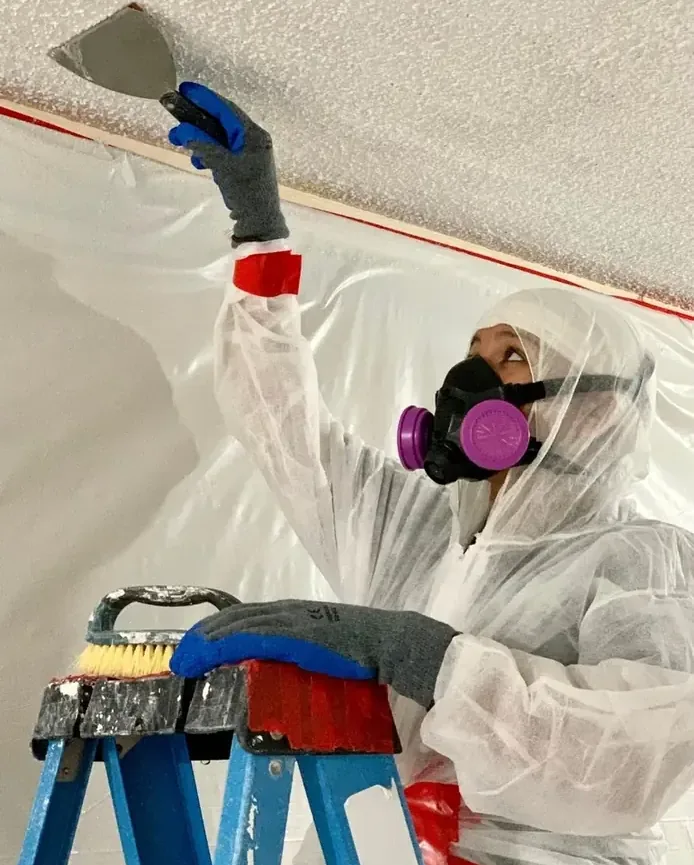
The response team checks electricity, unstable surfaces and water contamination before opening wet materials. Household members keep children and pets away from affected rooms. A qualified electrician handles wet circuits. The cleanup crew sets containment when dirty water or debris could reach occupied space, then establishes a safe route for equipment and removed material.
Plan ceiling repair around the retained materials
If overhead finishes are unstable, ceiling leak water damage work addresses safe room access and controlled material removal. Structural drying supports the retained framing and other damp assemblies. The repair handoff should identify the condition above the ceiling, not just the appearance of its painted face.
Keep the exterior and interior records together
Roof repair notes, photographs of exposed materials and drying observations can be kept in the same property file. Before insulation or finish layers are replaced, the contractors should know what was removed and why. This gives the completed ceiling a clear connection to the water entry problem that started the work.
First decisions for roof leak water damage
Leave wet roof access to professionals
Observe the interior from safe ground and avoid climbing to inspect an exterior leak during wet conditions. A roofing assessment can address entry while the cleanup discussion focuses on the room, attic access and damaged materials below.
Keep clear beneath weakened finishes
A bowed ceiling or loose plaster needs a restricted area underneath. Do not press on the surface or attempt to release trapped water; describe the visible shape and any active dripping when requesting an assessment.
Collect the rainfall observations
Note when the stain or drip appears and whether it changes during or after rain. Photographs taken safely from the room entrance can help connect the interior symptom with the roofing professional's investigation of the exterior opening.
Explain access above the room
Mention attic hatches, stored items and any prior roof inspection. Leave movement of insulation and uncertain ceiling materials for an assessed plan, especially where footing or electrical equipment above the room may be affected by water.
What does roof leak water damage cost in Waltham, MA?
Roof leak interior cleanup in Waltham varies with attic access, wet insulation and the size of the affected ceiling. These planning ranges cover damage recovery; roof repairs and final finish replacement should be specified as separate work where applicable.
Small ceiling area
$1,200 to $2,500
- Localized overhead damage
- Accessible wet section
- Focused room protection
Attic and ceiling loss
$2,500 to $4,000
- Wet insulation handling
- Framing moisture checks
- Cavity drying access
Several wet cavities
$4,000 to $6,000+
- Connected overhead spread
- Broader selective removal
- Multiple inspection areas
Category of water, square footage, material class and drying delay shape the scope. water damage cost calculator gives an estimate only.
Roof leak water damage across Waltham
Roof leak interior assessment can be arranged for homes and occupied properties in Gardencrest, Piety Corner and surrounding areas. Describe the room below, visible ceiling changes and any roofing repair already completed or scheduled.
The same service nearby: roof leak water damage in Belmont, Arlington, Cambridge.
Roof Leak Water Damage questions in Waltham, MA
Why is the roof opening not directly above the stain?
Water can follow framing, fasteners or other surfaces before reaching a ceiling finish. The interior mark shows where moisture became visible, not necessarily where it first entered. Roofing observations and inspection above the ceiling help connect those locations and define the affected materials between them.
Can the ceiling be painted once dripping stops?
Insulation and ceiling layers can remain wet after dripping stops. Those retained materials need assessment before closure or decoration. Painting should follow source repair and drying decisions so the finished surface covers an assembly that has been inspected, with remaining repair needs identified before the room is redecorated.
Does wet attic insulation always stay in place for drying?
Its condition, accessibility and the way it holds moisture affect that decision. The assessor should explain whether removal is needed to reach or dry nearby materials. Any insulation taken out should be listed in the repair handoff so replacement is coordinated before the ceiling is finished.
Should the owner put a container beneath a leak?
Only if it can be done from a safe position without approaching electrical hazards or unstable overhead material. A sagging ceiling calls for keeping the area clear. The safer priority is describing the condition and arranging assessment of the source and the material above the room.
Who handles the roof repair during interior cleanup?
The roofing professional addresses the exterior entry point, while interior mitigation addresses wet building materials and contents. The scope should identify how these tasks are coordinated. Sharing observations helps avoid closing a ceiling before the entry problem or retained moisture has received the necessary attention.
What if only the attic looks wet?
The ceiling below and adjoining framing may still need moisture checks. Water can spread beyond a visible wet patch in insulation, and the lower surface may take time to show a mark. Inspection should follow the actual assembly and record which areas are affected or remain outside the scope.
Assess moisture above the room
Keep away from sagging finishes while the overhead inspection and roof repair are coordinated.
(888) 629-3140Plan the interior ceiling recovery