Roof Leak Water Damage in Cambridge
A stain that returns with rain can begin far from the visible drip. Interior assessment traces the wet route through overhead materials while roof repair addresses the opening that admitted water.
(888) 629-3140Discuss rain through the roof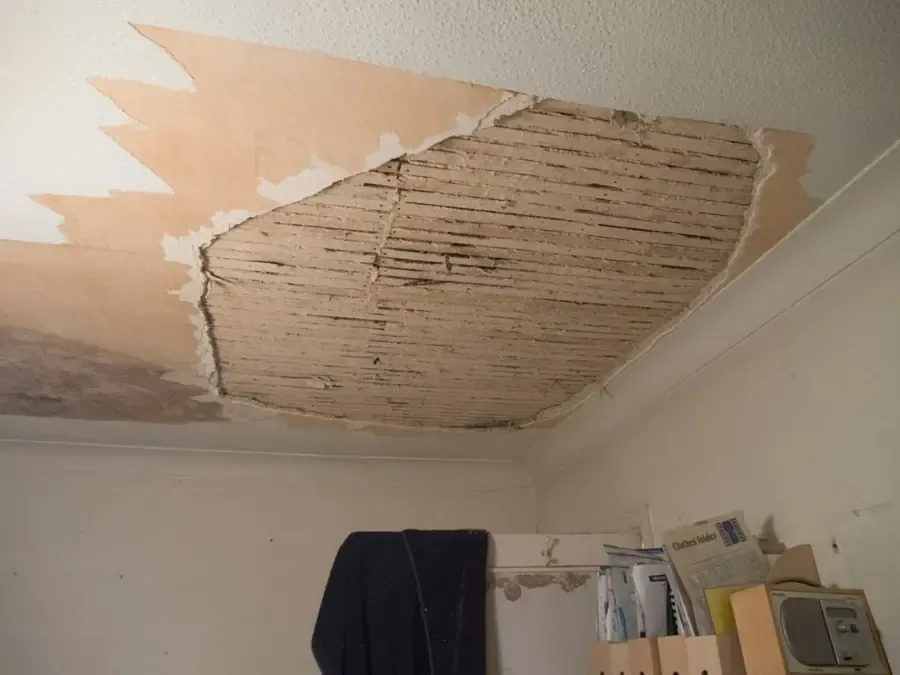
The ceiling mark is a starting point for inspection, not a map of the roof defect. Rain can travel along overhead materials before it becomes visible indoors. Cambridge identifies rooftops among surfaces that accelerate runoff, but roof entry and surface flooding require different repair decisions. A leak above a home near Harvard Yard, Fresh Pond or North Point needs its own route traced from the exterior opening to the wet interior assembly.
How roof leak water damage is handled
Confirm entry protection status
The initial assessment establishes what has been done at the roof and whether more water could arrive. Interior work is coordinated around that condition and any necessary access by the roofing trade.
Trace overhead saturation
Measurements and selective inspection follow the wet route through ceiling surfaces, insulation and adjacent framing. The plan records which materials are directly accessible and which require an opening for further evaluation.
Remove damaged barriers to drying
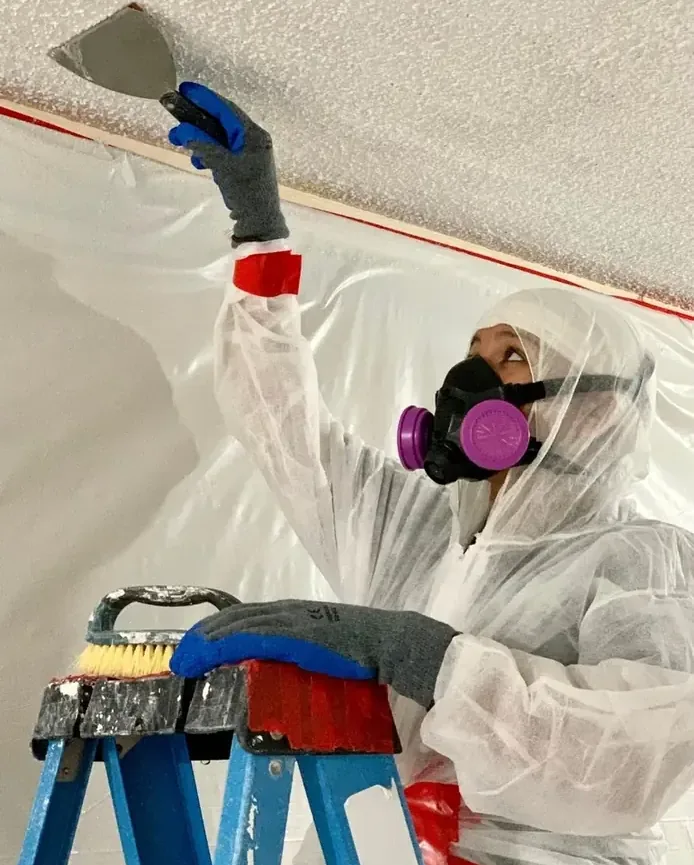
Unsound finishes and unsuitable wet insulation are considered individually. Exposing retained materials allows drying equipment to reach the assembly, while containment and room protection address debris from necessary overhead access work.
Confirm readiness for ceiling repair
The drying record identifies retained material conditions and remaining roof or interior tasks. Rebuilding proceeds from that information so a clean ceiling finish does not cover unresolved moisture or an unprotected entry route.
Make the room below safe to assess
Water adds weight to ceiling finishes and insulation. A bulging or sagging section should remain undisturbed until it has been assessed appropriately. Move occupants away from the overhead wet zone and report any affected light fittings or electrical equipment. Catching a drip can limit surface spread in a safe area, but it does not resolve wet materials above or establish that the ceiling is stable.
- Record whether the stain grows during rainfall or remains damp after the weather clears.
- Note adjacent walls and trim where water may have descended from the overhead cavity.
- Avoid pressing, puncturing or pulling at a softened ceiling from the occupied room.
- Tell the property contact about attic access restrictions before inspection or equipment delivery.
- Keep photographs of repeated staining together so the repair assessment can understand the pattern without relying on a newly painted or recently dried surface.
The roofing professional addresses entry protection and repair. Interior restoration addresses the resulting water damage, including material that may sit outside the direct route used to reach the roof defect.
Water still spreading?
A recurring roof drip needs an exterior repair and an interior moisture assessment that agree on the water's path. Describe the ceiling changes, affected walls and current roof protection so the wet assembly can be evaluated before it is covered again.
(888) 629-3140Assess the overhead rain damageCheck above and beyond the visible patch
Insulation can retain water against framing and ceiling surfaces. Nearby cavities may be wet even when the underside shows only a small mark. Assessment should identify the materials present and whether access allows them to be inspected and dried. A stained finish that remains firm may have different needs from a sagging section or a saturated layer hidden overhead.
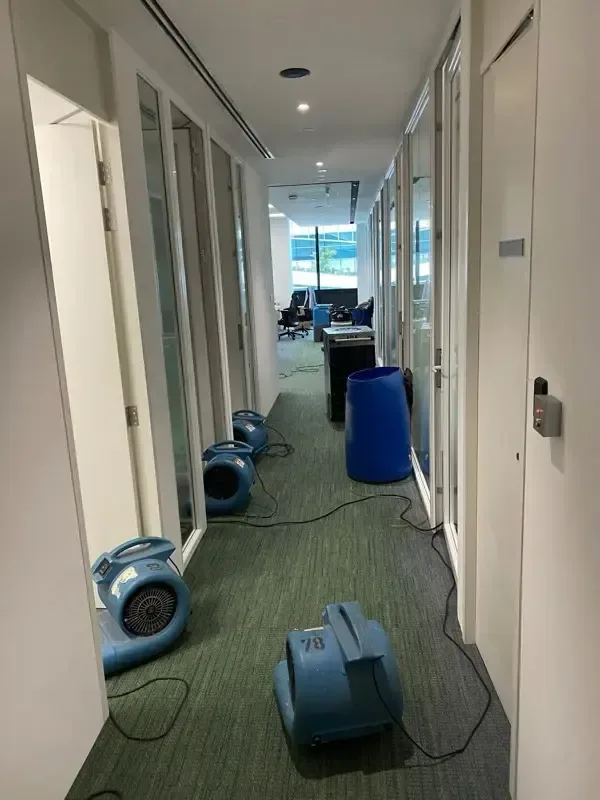
Ceiling leak water damage assessment focuses on the room-facing assembly and coordination with spaces above. When retained framing or adjacent walls need controlled moisture removal, structural drying establishes equipment placement and monitoring around the actual materials found.
- Assess insulation condition separately from the visible paint or plaster surface.
- Trace water along wall junctions where a roof leak leaves the overhead cavity.
- Document openings used for inspection before planning the replacement ceiling finish.
Keep the work area safe
The response team checks electricity, unstable surfaces and water contamination before opening wet materials. Household members keep children and pets away from affected rooms. A qualified electrician handles wet circuits. The cleanup crew sets containment when dirty water or debris could reach occupied space, then establishes a safe route for equipment and removed material.
Coordinate closure with the roof repair
New paint cannot stop a roof leak, and a repaired roof cannot dry a saturated ceiling on its own. Both tasks need completion in a useful sequence. Temporary exterior protection may allow interior work to begin, while the permanent repair remains a separate item in the handoff. Retained materials should be evaluated before replacement finishes conceal the assembly again.
Keep recurrence clues available
Dates of observed dripping, photographs and the roof contractor's findings help connect the interior loss to the repair. Keep that record alongside the drying notes. If moisture returns during later rain, the comparison gives the next assessment a clearer starting point than the ceiling stain alone and helps identify whether water is entering through an unresolved route.
First decisions for roof leak water damage
Clear the space beneath sagging material
Keep the wet overhead area out of normal use when finishes appear unstable. Do not climb into an attic or onto the roof to investigate a leak during unsafe weather or access conditions.
Arrange roof entry assessment
Contact the appropriate roof repair professional and explain when the leak appears. Interior cleanup planning needs to know whether entry is protected temporarily, repaired permanently or still open to additional rainfall.
Record the interior pattern
Photograph stains, wet wall junctions and floor pooling from safe positions. Notes about which marks changed during rain help connect the visible room damage with findings above the ceiling during inspection.
Plan access to hidden layers
Tell the assessor about storage, restricted attic openings and occupied rooms beneath the leak. Those details help arrange inspection and equipment without treating the ceiling's visible surface as the entire wet area.
What does roof leak water damage cost in Cambridge, MA?
Cambridge roof leak restoration ranges depend on the overhead area, insulation involvement and access to concealed cavities. The interior estimate should separate removal, drying and finish repairs from roof work. Inspection determines whether the visible patch represents a larger wet assembly.
Small ceiling area
$1,200 to $2,500
- Localized overhead inspection
- Limited finish access
- Focused moisture monitoring
Attic and ceiling loss
$2,500 to $4,000
- Insulation condition assessment
- Framing drying access
- Room protection planning
Several wet cavities
$4,000 to $6,000+
- Extended overhead tracing
- Multiple access openings
- Broader repair coordination
Category of water, square footage, material class and drying delay shape the scope. water damage cost calculator gives an estimate only.
Roof leak water damage across Cambridge
Roof leak damage assessments cover Cambridge buildings near Harvard Yard, Fresh Pond and North Point. Provide the room location, available overhead access and roof repair status so interior work can be planned around the entry condition.
The same service nearby: roof leak water damage in Belmont, Somerville, Arlington.
Roof Leak Water Damage questions in Cambridge, MA
Why is the stain away from the roof opening?
Water can follow framing, decking or other concealed surfaces before it drips onto the ceiling below. The visible mark therefore directs an investigation rather than identifying the exact defect. Roof findings and interior moisture checks need to be considered together when defining the repair and drying area.
Can a ceiling be repainted after the weather clears?
Clear weather may stop new entry while wet material remains overhead. Repainting should follow entry repair and a material assessment, including insulation or cavities where relevant. A finish that looks improved on the surface can still conceal moisture that affects the next coat or the ceiling assembly.
Should wet insulation always remain in place to dry?
Its condition, contamination and ability to dry within the assembly determine the decision. Insulation can obstruct access to wet framing or hold moisture against ceiling finishes. The assessment should explain whether it can remain, requires removal or needs replacement as part of the interior repair scope.
Does roof repair include the room damage?
The roof trade's scope may focus on the exterior defect and protection. Interior extraction, material removal, drying and finish replacement are separate tasks unless explicitly included. Ask for the responsibilities to be written clearly so the ceiling and wall damage receive attention after the entry is repaired.
What if the ceiling begins to bulge?
Keep people and belongings away from the area beneath it and report the change promptly. Avoid pushing or puncturing the material. An appropriate assessment should address stability and electrical concerns before anyone works below the wet section or attempts to collect water directly underneath it.
Which records help if the stain returns later?
Keep photographs from the original leak, dates of observed rain-related dripping, the roof repair findings and the interior drying record. Together they show the earlier water path and completed work. That history helps a later inspection focus on the actual recurrence rather than guessing from fresh paint damage.
Discuss the wet attic materials
Share the roof repair findings alongside the room symptoms to help coordinate access and the next drying decisions.
(888) 629-3140Assess roof leak damage