Roof Leak Water Damage in Somerville
A ceiling stain that returns with rain needs more than a fresh coat of paint. Interior cleanup follows the roof entry path through insulation, framing and the finish below.
(888) 629-3140Discuss the rain damaged ceiling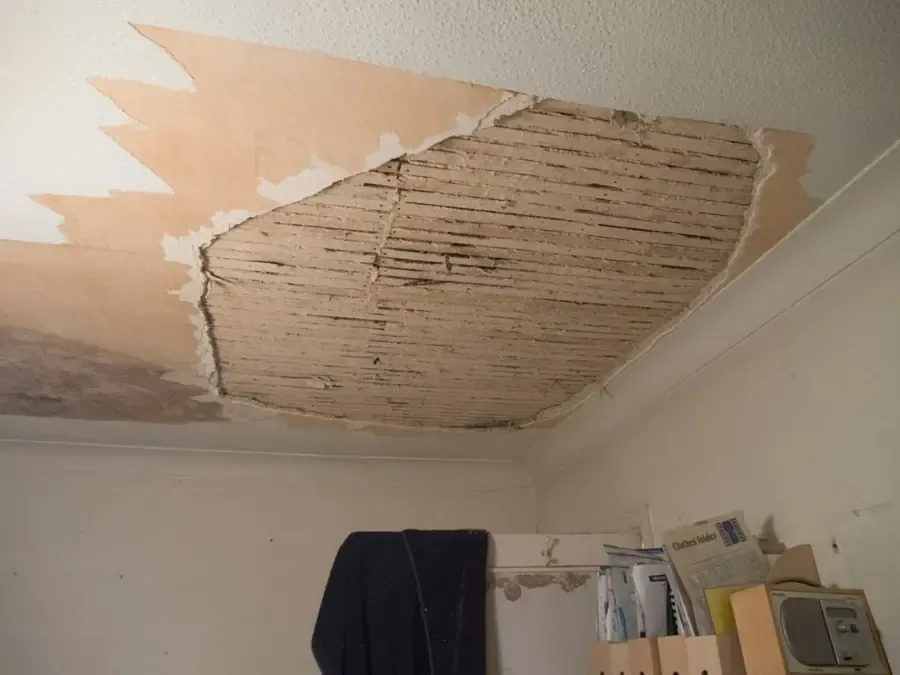
The place where a roof leak becomes visible indoors may be below a longer route through the building. Water can follow framing before reaching a ceiling joint or wall edge. Somerville residential building growth continued into the 1940s, so an interior assessment needs to identify the actual materials and any layers concealed behind the finish. Plaster, drywall, insulation and timber need decisions based on their present condition. The roof repair stops entry; the interior work deals with moisture already held inside the assembly.
How roof leak water damage is handled
Connect exterior entry with interior spread
The assessment considers the roof repair status alongside ceiling and wall observations. Moisture checks extend beyond the obvious stain to identify related wet materials and establish where further access would be useful.
Address unstable or saturated layers
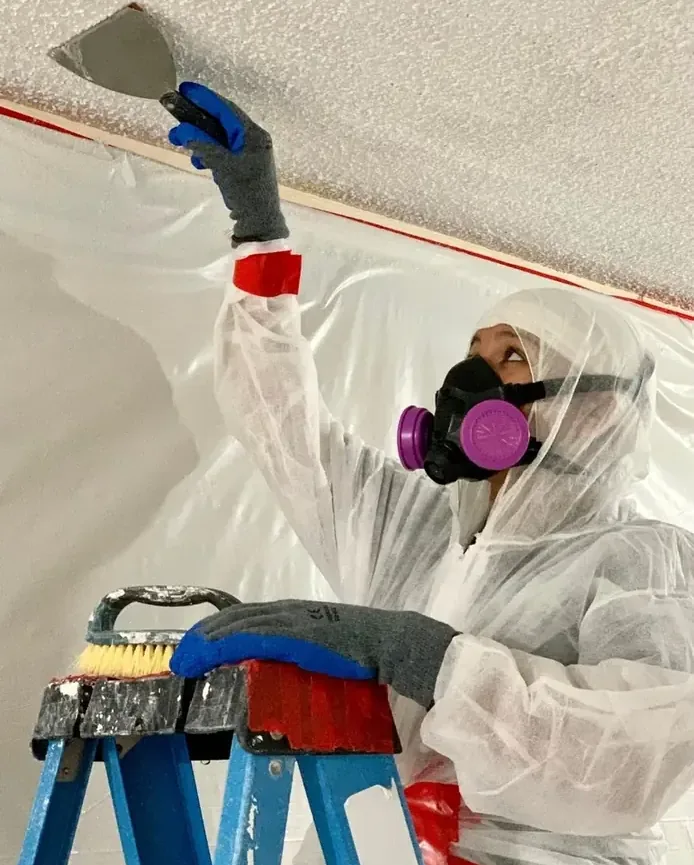
Damaged ceiling sections and unsuitable insulation receive attention where their condition prevents safe inspection or drying. Removal is planned around the affected assembly, with protection for the room and belongings beneath the work.
Dry accessible framing and finishes
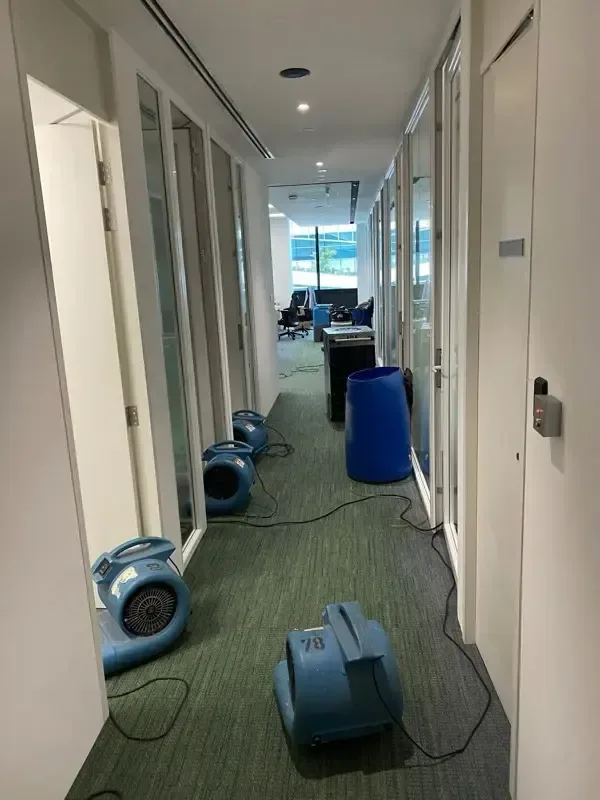
Equipment and openings are arranged to reach the materials left in place. Repeated checks show whether the cavity and adjacent finish are responding, allowing the plan to change where moisture remains concealed or uneven.
Prepare the interior repair handover
The completion discussion identifies drying observations, remaining openings and reconstruction needs. Roofing records stay distinct but available so the owner can coordinate a patched ceiling with correction of the original water entry route.
Read the stain as a starting point
A stain helps locate the symptom, but the inspection should extend around it and above it where safe access exists. Note whether discoloration returns during rain and whether dripping continues after the weather clears. Soft, cracked or sagging overhead material requires the area beneath it kept unused. The owner should describe these changes before anyone attempts to move furniture under the affected section.
- Record when the ceiling first changed appearance and whether the mark expands during rainfall.
- Identify any accessible attic opening without entering an unsafe or obstructed overhead space.
- Keep stored belongings away from dripping water when relocation can be done safely.
- Include nearby wall tops and ceiling corners in the interior moisture assessment.
- Ask for the exterior entry repair and the interior drying work to be described separately.
- Retain photographs of wet insulation or exposed framing before replacement material closes the cavity.
Water still spreading?
Recurring ceiling marks after rain deserve an inspection of the layers above the finish. Describe the dripping pattern, visible ceiling condition and roof repair status so interior cleanup can be coordinated with the work outside.
(888) 629-3140Check the ceiling after rainfallUse selective access to reach the wet layers
The Old Powder House stands in Nathan Tufts Park, and Tufts University has a campus along the Somerville and Medford border. These landmarks help describe local locations, while every affected building still needs its own roof and ceiling inspection. Access can vary with the room layout and the assembly above it. A limited opening is useful only when it reaches the material requiring attention.
Insulation can hold water against adjacent components, and damaged ceiling material may need controlled removal before drying can proceed effectively. The scope should explain which parts can remain and which cannot. If a leak has reached a lower wall or room, ceiling water damage cleanup covers related interior concerns. Work should follow the moisture route beyond the first opening.
- Check the exposed cavity rather than relying on the repaired roof alone.
- Inspect connected wall finishes where water has traveled down from the ceiling.
- Leave useful access available until the remaining materials have reached the intended condition.
Keep the work area safe
The response team checks electricity, unstable surfaces and water contamination before opening wet materials. Household members keep children and pets away from affected rooms. A qualified electrician handles wet circuits. The cleanup crew sets containment when dirty water or debris could reach occupied space, then establishes a safe route for equipment and removed material.
Close the interior only after the drying check
Drying equipment should serve the materials that remain wet, with readings used to assess progress. Structural drying explains how the remaining assembly is managed once unsuitable layers are removed. A stopped drip is encouraging, but the decision to patch the ceiling needs the framing, cavity and surrounding finish considered together.
Keep roofing and restoration records together
A useful handover pairs the roof repair description with interior photographs and drying observations. It identifies openings that still need patching and any finish replacement outside the cleanup scope. That record helps the property owner schedule reconstruction after the source and the resulting moisture damage have both received attention.
First decisions for roof leak water damage
Keep the area below clear
Avoid standing beneath sagging plaster or other visibly weakened ceiling material. Move routine activity to an unaffected room and describe the overhead condition when arranging an assessment of the roof related interior damage.
Note the relationship to rainfall
Record whether dripping begins during rain, persists afterward or appears only under certain weather conditions. Photographs of changing stain edges can help explain the interior symptoms to the roofing and cleanup professionals involved.
Arrange safe exterior attention
A roofing professional should assess the suspected entry point without the occupant attempting a wet roof inspection. Interior cleanup planning should account for whether the opening remains active and what temporary protection is present.
Protect the inspection information
Keep photographs of the ceiling, affected belongings and any accessible cavity observations together. Avoid concealing stains with paint or closing openings before the wet insulation, framing and surrounding finish have been evaluated for drying.
What does roof leak water damage cost in Somerville, MA?
Somerville roof leak cleanup estimates depend on affected ceiling area, wet insulation and the access needed above the room. These ranges support planning for interior restoration; exterior roofing repairs and final decoration should be clarified as separate project items.
Small ceiling area
$1,200 to $2,500
- Localized wet finish
- Limited cavity inspection
- Focused equipment placement
Attic and ceiling loss
$2,500 to $4,000
- Wet insulation handling
- Framing moisture checks
- Broader access needs
Several wet cavities
$4,000 to $6,000+
- Connected overhead spaces
- More damaged materials
- Extended interior drying
Category of water, square footage, material class and drying delay shape the scope. water damage cost calculator gives an estimate only.
Roof leak water damage across Somerville
Roof related interior assessments include ceiling finishes, accessible overhead spaces and connected walls. The building's actual assembly and available access determine the cleanup plan, with exterior source correction coordinated through the appropriate roofing professional.
The same service nearby: roof leak water damage in Belmont, Cambridge, Arlington.
Roof Leak Water Damage questions in Somerville, MA
Can a roof repair leave the ceiling needing cleanup?
Stopping rain entry does not remove water already absorbed into insulation, framing or ceiling finishes. The interior needs its own assessment after the roof is addressed. The drying scope should identify retained wet materials, necessary openings and any damaged finish that must be removed before the room is repaired.
Why can the indoor stain sit away from the roof opening?
Water can travel along framing or another surface before reaching a visible joint in the ceiling. The stain therefore helps direct inspection without defining the full route. Assessment above and around the mark can identify wet layers that would be missed by patching only the discolored interior section.
Should a homeowner enter the attic during an active leak?
Access should be considered in light of footing, overhead hazards and electrical exposure. A wet or obstructed space needs professional assessment rather than an improvised inspection. Information about the location of an attic opening is useful even when the occupant cannot safely reach the material above the ceiling.
Will insulation always have to be replaced?
Its condition, saturation and effect on surrounding drying determine the decision. Some material may remain suitable, while other sections need removal to expose wet framing or eliminate a damaged layer. The written scope should explain the proposed treatment instead of assuming the entire overhead assembly needs the same action.
Can the stain be painted once it feels dry?
The cavity needs direct moisture checks alongside inspection of the exposed ceiling surface. The source repair and the moisture remaining above the finish need check before decoration. Painting belongs after the affected assembly has been assessed and any necessary removal, drying or patching has been completed in the proper sequence.
What should be retained for the repair discussion?
Keep roof repair notes, photographs of the ceiling and any images of exposed insulation or framing. Add the cleanup scope and drying observations when available. Together these records show the path from source correction to interior restoration and help distinguish completed work from finish repairs that still need scheduling.
Discuss concealed roof leak moisture
Keep the space beneath loose overhead material clear while the affected assembly is assessed.
(888) 629-3140Plan the interior roof leak cleanup