Ceiling Leak Cleanup in Somerville
Drips from above can signal water held inside a ceiling assembly. Safe cleanup starts by keeping the area underneath clear and finding the source before damaged material is opened or replaced.
(888) 629-3140Discuss a wet ceiling assembly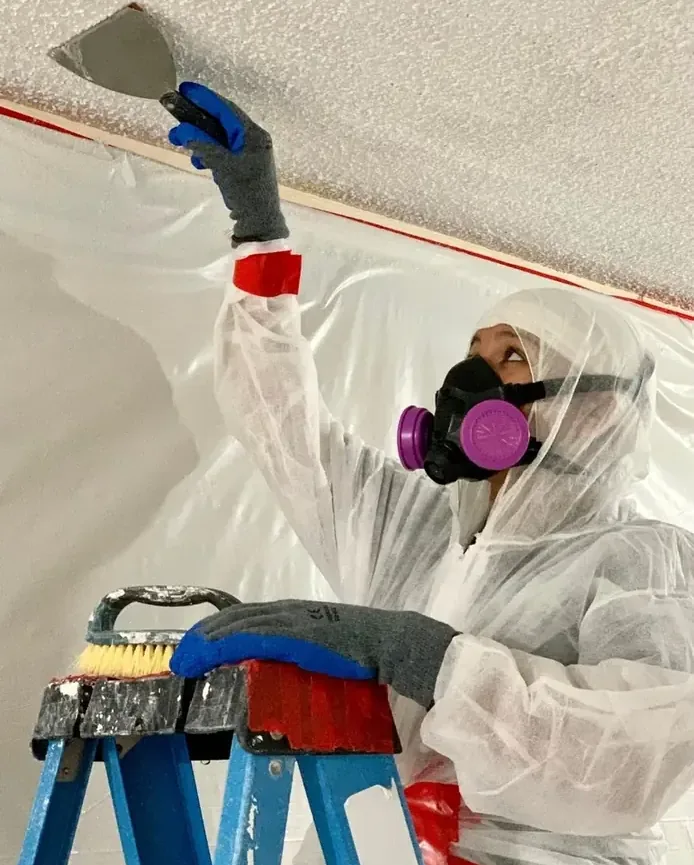
A ceiling can collect water before it releases a visible drip. Bulging paint, soft drywall or loose plaster changes the safety of the room beneath it, even when little water has reached the floor. Somerville's residential building growth continued into the 1940s, and an overhead assessment should identify the actual ceiling materials rather than presume a uniform assembly. The inspection begins with the source above the room and follows moisture through framing, insulation and connected wall surfaces before a repair opening is closed.
How ceiling leak water damage is handled
Assess overhead condition and source
The initial inspection considers ceiling stability, electrical exposure and the likely water route. Nearby walls and accessible spaces above the room help define where moisture checks and controlled access will be useful next.
Protect and open the affected area
Room contents and the removal route are accounted for before damaged ceiling material is handled. Openings are selected to address unstable finishes or reach the wet layers that require inspection and treatment inside.
Manage moisture inside the cavity
Remaining framing and suitable finishes receive a drying arrangement matched to the available access. Conditions are checked during the work so a dry looking room below does not obscure moisture still held above it.
Explain the reconstruction boundary
The handover identifies the treated ceiling area, materials removed and repairs still outstanding. Drying observations support the decision about closure, while the replacement finish and decoration are distinguished from the completed moisture treatment work.
Give the stain a source and a boundary
An upstairs fixture, supply pipe or roof entry can produce a similar looking mark from below. The inspection needs to establish which route is active and how far moisture extends. Notes about when dripping occurs can help: a change during fixture use suggests a different investigation from a change during rain. The room should remain protected from unstable overhead material throughout that process.
- Report sagging, cracking or material separating from the ceiling before entry into the affected room.
- Identify plumbing fixtures or accessible spaces above the visible mark when their location is known.
- Photograph stain edges from a safe position so later changes can be compared.
- Keep electrical fixtures near the wet area out of ordinary use until safety is addressed.
- Check wall tops and room corners that may receive water traveling beyond the most visible ceiling patch.
- Coordinate the source repair with interior access so wet materials are not hidden by a new finish.
Water still spreading?
Overhead water damage needs a safe inspection of both the stain and the layers above it. Describe any sagging, nearby fixtures and activity associated with the leak so source repair and interior cleanup can be coordinated.
(888) 629-3140Discuss overhead material safetyOpen the ceiling for a defined purpose
Gilman Square sits at the junction of Medford Street, Pearl Street and Marshall Street. Describing a property's location is useful for arranging access, but the work above a room depends on the assembly found there. A ceiling opening may serve several purposes: removing unstable material, reaching wet insulation or exposing framing for inspection. Each purpose should be explained before the affected area is enlarged.
Controlled removal also needs protection for the room beneath it. Contents, flooring and the route used to carry material out should be considered together. If a plumbing rupture caused the damage, burst pipe cleanup follows the release through adjoining spaces. A ceiling assessment should include the possibility of water running down a partition rather than remaining only overhead.
- Expose enough of the wet assembly to assess the remaining materials directly.
- Separate unsuitable insulation from framing that may be retained and dried.
- Record the opening and nearby readings before replacement materials conceal the cavity.
Keep the work area safe
The response team checks electricity, unstable surfaces and water contamination before opening wet materials. Household members keep children and pets away from affected rooms. A qualified electrician handles wet circuits. The cleanup crew sets containment when dirty water or debris could reach occupied space, then establishes a safe route for equipment and removed material.
Make drying serve the overhead assembly
The Old Powder House is in Nathan Tufts Park. Buildings around city landmarks still require individual attention to the materials above their rooms, including any concealed layers that restrict airflow. Structural drying supports the next stage once the source and unsafe finish are addressed. Equipment must reach the remaining moisture, and observations should show how the assembly responds.
Plan the patch after the assessment
A ceiling repair should follow a clear check of source correction, drying and outstanding reconstruction. The owner needs to know whether the opening is waiting for more moisture treatment or is ready for a finish contractor. Photographs of the exposed cavity, material decisions and final observations help carry that information from cleanup into the next stage of work.
First decisions for ceiling leak water damage
Move activity outside the room
A wet ceiling with visible sagging or loose material needs the area underneath kept clear. Avoid placing containers or moving furniture directly below unstable sections while an assessment of overhead conditions is arranged.
Describe what happens above
Identify known fixtures, rooms or attic access above the stain. Note whether water appears during plumbing use or rain, without opening the ceiling or entering an unsafe overhead space to investigate the source.
Preserve safe visual details
Photograph the affected ceiling from an unaffected doorway or other safe position. Include wall corners and nearby fixtures so the inspection can compare the mark with potential routes through the surrounding building assembly.
Coordinate source and finish work
Keep the plumber or roofing repair information available for the cleanup assessment. Discuss when the cavity can be closed only after the wet insulation, framing and ceiling edges have received the necessary attention.
What does ceiling leak water damage cost in Somerville, MA?
Somerville ceiling cleanup costs change with overhead access, wet insulation and the extent of connected damage. The planning ranges cover interior work of increasing complexity; source repair and final ceiling replacement need clear treatment in the overall estimate.
Small overhead leak
$900 to $1,800
- Ceiling damage
- Focused source assessment
- Accessible cavity checks
Wet cavity and insulation
$1,800 to $3,000
- Insulation removal needs
- Exposed framing treatment
- Protected room access
Connected ceiling areas
$3,000 to $4,500+
- Broader overhead spread
- Adjoining wall inspection
- Expanded drying setup
Category of water, square footage, material class and drying delay shape the scope. water damage cost calculator gives an estimate only.
Ceiling leak water damage across Somerville
Ceiling assessments consider the occupied room, accessible space above it and connected wall surfaces. Source information and safe entry arrangements help define the interior cleanup plan for residences and business premises throughout the city.
The same service nearby: ceiling leak water damage in Belmont, Cambridge, Arlington.
Related water damage services in Somerville
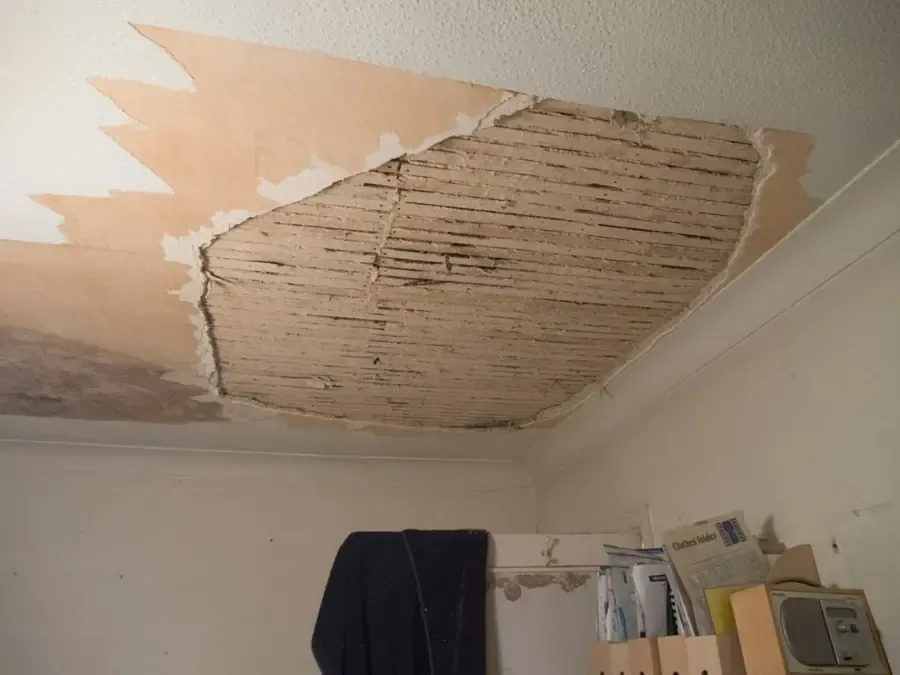
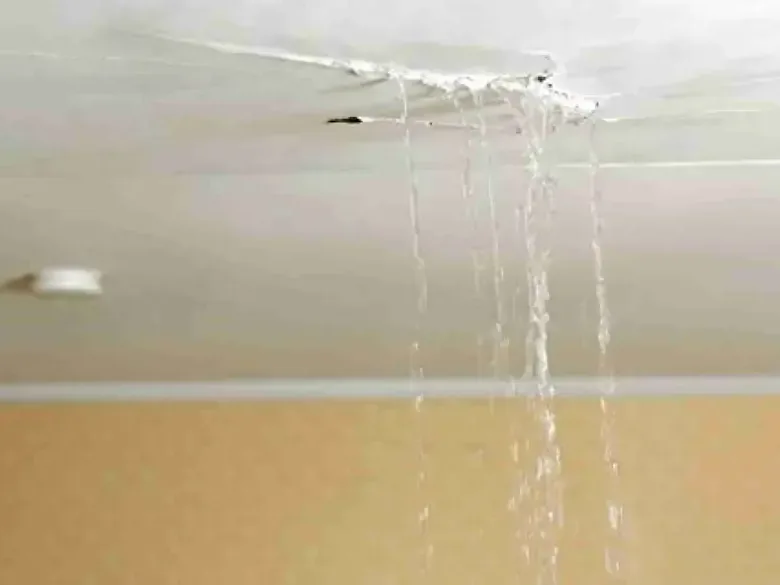
Ceiling Leak Water Damage questions in Somerville, MA
Why keep people away from a sagging ceiling?
Water can weaken ceiling materials and collect above the visible surface. Sagging or separation needs assessment before the space beneath is used normally. Keep activity out of the affected area and describe the condition when arranging help, especially if water has reached light fixtures or other electrical components nearby.
Can the source be identified from the stain alone?
The mark shows where water became visible, while the entry may be elsewhere above it. Fixture use, rainfall patterns and accessible overhead observations help direct the investigation. The cleanup plan should connect that source assessment with inspection of the wet ceiling layers and any adjoining walls reached by the release.
Is a small opening always enough for drying?
The opening needs to provide useful access to the affected materials. A small inspection hole may reveal wet insulation or a wider cavity problem that requires additional work. The proposed scope should explain how the selected access reaches the remaining moisture and why any further ceiling removal is necessary.
What happens to the furniture below the work?
Contents need protection or relocation based on overhead safety, contamination and available access. Moving belongings should not require someone to stand beneath unstable material. The work plan should identify a safe sequence for protecting the room and a removal route that keeps affected debris away from clean furniture and flooring.
Can a ceiling be patched after the dripping stops?
A stopped drip indicates a change in water flow, but insulation and framing may still retain moisture. The source repair and cavity condition need check before patching. Closing the assembly too early can hide unfinished drying, so the decision should follow the assessment of materials that will remain above the new finish.
Which information should the finish contractor receive?
The contractor should know the extent of removal, the source repair status and the moisture observations relevant to the exposed assembly. Photographs taken before closure help explain hidden details. A clear handover also separates any remaining drying work from patching, texture matching or decoration that belongs to the reconstruction stage.
Check the wet cavity
Keep normal room activity away from loose or weakened ceiling sections until assessment.
(888) 629-3140Plan ceiling cleanup access