Burst Pipe Water Damage in Somerville
A pipe rupture can wet the inside of a wall before a puddle appears. After the supply is isolated, the important question becomes how far the release traveled through the building.
(888) 629-3140Discuss damage from a split pipe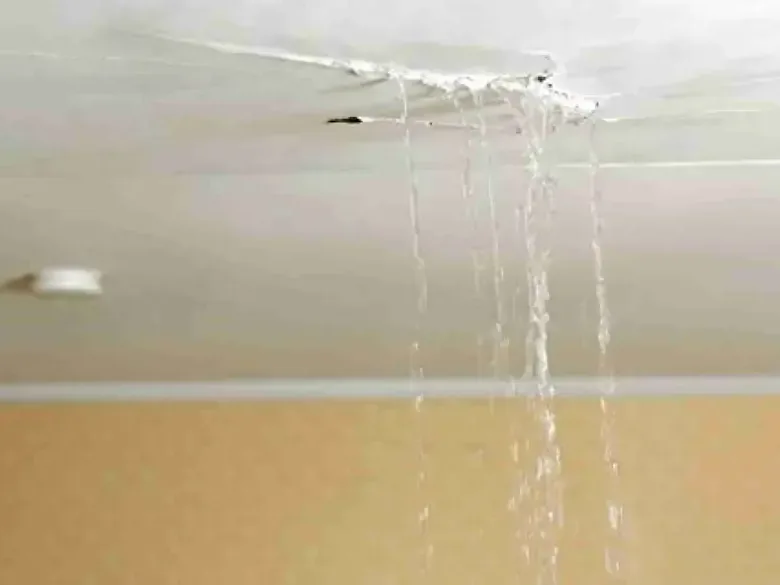
A repaired pipe may sit inside a wall that is still wet from top to bottom. Somerville's frozen-pipe guidance warns about plumbing within exterior walls where heat does not circulate, as well as pipes in unheated basements, garages and crawl spaces. After a rupture, the inspection needs to follow the escaped water rather than stop at the replacement fitting. In an affected room, that can mean looking behind trim, into adjoining cavities and at the ceiling below before the repair opening is closed.
How burst pipe water damage is handled
Establish the release route
The inspection starts at the pipe repair area and follows moisture through connected assemblies. Visible changes and readings are recorded together to define the affected rooms and identify any inaccessible layers needing attention.
Remove water and damaged layers
Accessible water is extracted, and materials that cannot remain are handled according to their condition. Limited openings provide access where necessary, with each removal tied to inspection, cleaning or the planned drying approach.
Dry the connected assembly
Equipment serves the remaining wet structural materials and accessible cavities. Conditions are checked repeatedly, and placement is adjusted when a layer responds differently from the exposed surface or an adjacent part of the room.
Coordinate closure and rebuilding
The final check links drying observations to the proposed reconstruction. The property owner receives a clear description of what has been treated, what plumbing work was separate and which finishes still need replacement afterward.
Follow the release through connected building layers
Water under supply pressure can reach surfaces beyond the first obvious stain. Insulation can hold it within a cavity while floor joints carry it into another room. A practical inspection traces the route downward and sideways, recording changes in material condition. The pipe location helps explain where the event began, but the restoration boundary comes from the surfaces and layers actually reached.
- Keep the repaired pipe opening accessible until nearby insulation and framing have been assessed.
- Look below the release for ceiling staining or moisture at the top of a partition.
- Check trim and closet corners connected to the affected wall rather than judging only its center.
- Identify any wet flooring that continues beneath cabinetry or into an adjoining finished room.
- Record the time of discovery and when the supply was isolated to help explain the sequence of events.
- Separate the plumber's replacement work from removal, drying and eventual restoration of surrounding finishes.
Water still spreading?
A repaired fitting leaves the surrounding wet assembly to be assessed. Describe where the pipe failed, which rooms changed appearance and whether a lower ceiling is involved so the cleanup can follow the full release path.
(888) 629-3140Discuss the burst pipe aftermathMatch the opening to the material that needs attention
Some assemblies can dry with limited access; others contain saturated insulation or damaged finish material that must be addressed directly. The reason for opening a wall should be clear to the property owner. An inspection near Prospect Hill, part of the Union Square area, still begins with the individual building and its actual wet surfaces. Neighborhood location does not replace a cavity assessment.
Once standing water is controlled, water extraction reduces the load on floor coverings and exposed surfaces. Remaining moisture within the structure needs a separate arrangement. Air movement across the room alone may leave a closed cavity poorly served. Equipment placement, access openings and repeated readings should work together, with changes explained as the assembly responds during drying.
- Assess whether wet insulation prevents useful access to the surrounding structural materials.
- Check the ceiling below before concluding that an upstairs room contains the entire loss.
- Keep a record of each opening so reconstruction can follow the completed drying scope.
Keep the work area safe
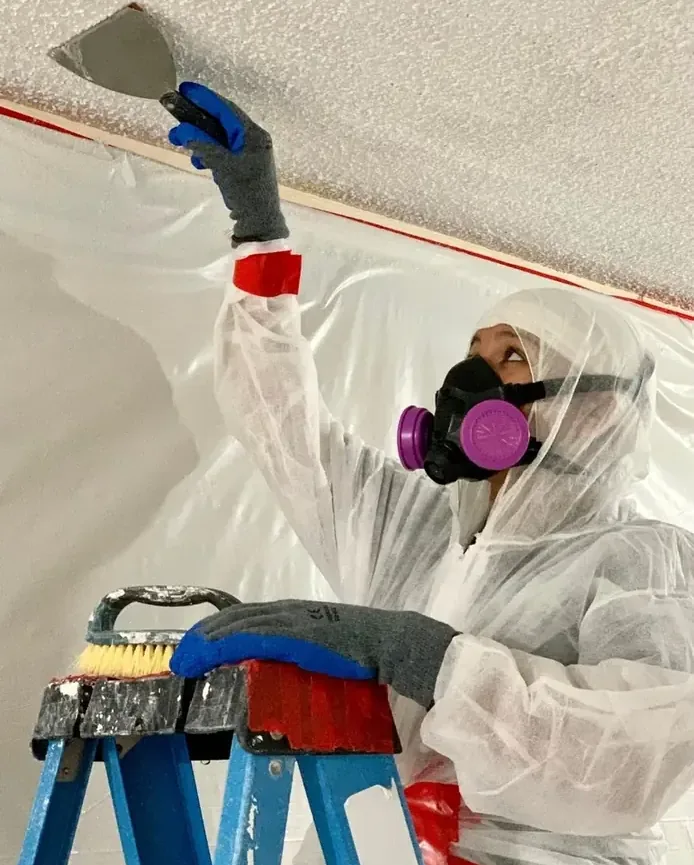
The response team checks electricity, unstable surfaces and water contamination before opening wet materials. Household members keep children and pets away from affected rooms. A qualified electrician handles wet circuits. The cleanup crew sets containment when dirty water or debris could reach occupied space, then establishes a safe route for equipment and removed material.
Keep the repair from concealing unfinished cleanup
Clarendon Hill is near Broadway and the Arlington border. For a property there, as elsewhere in the city, the handover should identify which rooms were inspected and why. A wet wall repaired cosmetically too early can hide moisture left behind. Ceiling leak cleanup covers the related overhead assessment when a pipe release has crossed into the room below.
A practical final walkthrough
Check the source repair, the affected material map and the latest drying observations together. Note any finishes removed and any reconstruction still outstanding. The owner should be able to distinguish a repaired plumbing component from a fully treated wall or floor, with photographs and readings supporting the next decision about closing the assembly.
First decisions for burst pipe water damage
Approach the shutoff safely
An accessible supply valve can limit continued release when reached from a dry location. Avoid crossing wet electrical areas, and arrange plumbing assistance if isolation cannot be performed without entering an unsafe space.
Keep clear of wet ceilings
Water from a pipe can collect above a lower room and weaken overhead material. Keep people away from sagging or dripping sections and report the ceiling condition when arranging the initial damage assessment.
Identify connected rooms
Describe the damaged pipe location together with nearby closets, adjacent rooms and any level beneath it. These details help the inspection follow moisture pathways beyond the visible staining to connected layers that may also need attention.
Preserve the plumbing repair details
Retain photographs of the failed component and information about the completed repair. Keep the wall opening available for assessment so cleanup and drying can be coordinated before new finish material covers the cavity.
What does burst pipe water damage cost in Somerville, MA?
Somerville burst pipe restoration costs vary with the spread through walls, floors and lower rooms. Planning ranges reflect the wet assembly rather than the pipe repair alone, with additional access or damaged insulation changing the work required.
Quickly isolated room
$1,000 to $2,500
- Limited water spread
- Accessible floor extraction
- Focused cavity checks
Walls and adjoining floor
$2,500 to $4,500
- Wet wall layers
- Connected flooring inspection
- Targeted material opening
Multiple levels
$4,500 to $6,500+
- Overhead damage assessment
- Several drying zones
- Broader finish removal
Category of water, square footage, material class and drying delay shape the scope. water damage cost calculator gives an estimate only.
Burst pipe water damage across Somerville
Pipe rupture cleanup considers the full interior path of the release, including adjoining rooms and lower ceilings. Access to the repaired component and surrounding materials helps establish a practical restoration sequence for each property.
The same service nearby: burst pipe water damage in Belmont, Cambridge, Arlington.
Related water damage services in Somerville
Burst Pipe Water Damage questions in Somerville, MA
Why inspect below a repaired upstairs pipe?
Escaped water can move through floor penetrations and collect above a lower ceiling. The upstairs surface may show less damage than the assembly below it. Inspection should therefore include connected lower rooms, with special attention to overhead staining, sagging material and moisture near the top of walls before normal access resumes.
Does every wet wall need complete removal?
The material condition and access requirements determine how much opening is useful. Limited access may allow inspection and drying of some cavities, while saturated insulation or deteriorated finishes can require more removal. The proposed work should explain why each affected section stays, opens or needs replacement after the pipe repair.
Can an exterior wall pipe burst in cold weather?
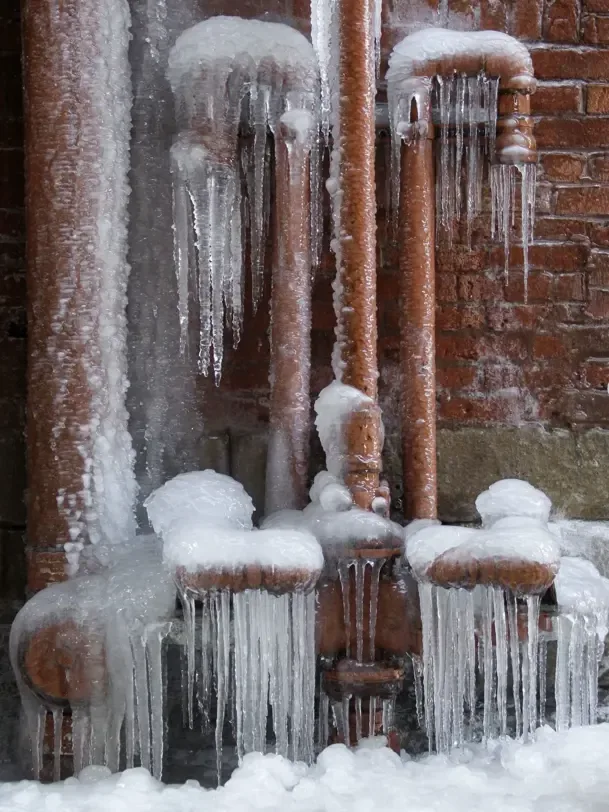
The city's guidance identifies pipes within exterior walls as vulnerable to freezing when heat does not circulate. It also identifies unheated garages, basements and crawl spaces. After a release, the plumber addresses the damaged supply component while the cleanup assessment follows escaped water through the actual wall and adjoining rooms.
What if the water disappeared before an inspection?
Visible water can move into absorbent layers or another part of the building. Photograph any staining and describe the original wet area, even if the floor later looks clear. Material checks can help identify moisture remaining beneath coverings, behind trim or inside a cavity near the failed plumbing component.
Should wet insulation remain behind the repair patch?
Insulation needs assessment for saturation, condition and its effect on access to surrounding materials. Leaving unsuitable wet material in place can prevent useful inspection and drying. The cleanup scope should explain any removal and keep the assembly open until the remaining structure has been evaluated for the next repair stage.
What records help coordinate the different trades?
Keep the plumbing repair description, photographs of the failed area and documentation of material removal and drying together. These records distinguish source correction from restoration of the building. They also show the reconstruction contractor which areas were opened and what remains to be restored after the moisture work has finished.
Check affected walls and floors
Keep photographs and the repair opening available while the drying needs of nearby materials are established.
(888) 629-3140Plan cleanup around the repaired pipe