Burst Pipe Water Damage in Arlington
A supply pipe failure can send water through several building layers before the valve is closed. The cleanup assessment follows those layers, including the occupied room beneath the original escape.
(888) 629-3140Discuss a broken pipe escape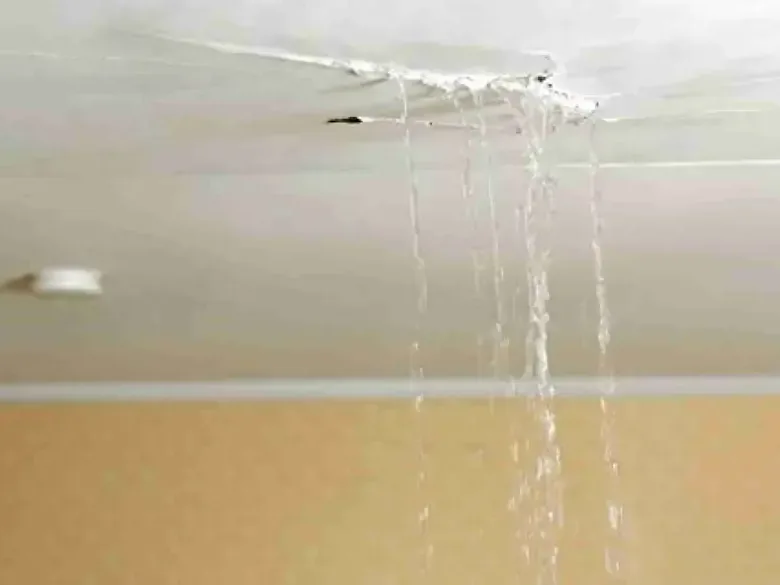
The room containing a burst pipe is only the starting point for assessing its damage. Water can follow wall cavities and flooring openings into the space below. Arlington's double- and triple-decker housing makes coordination between affected households especially relevant. For a property in Jason Heights, the first account should explain which level contains the pipe, where water appeared next, and whether anyone has noticed a changing ceiling or wet fixture beneath the escape.
How burst pipe water damage is handled
Establish source control
The assessment begins with the status of the failed supply and any plumbing work needed. Safe access and electrical concerns are addressed before restoration equipment is arranged within the affected rooms and connected lower spaces.
Inspect the connected levels
Moisture observations trace the escape through walls, flooring, and ceilings. Access to adjoining units is coordinated where needed so the full affected assembly can be documented before selective removal or drying decisions are made.
Remove damaged barriers
Unsuitable finishes and inaccessible wet layers are evaluated for opening. The purpose of each removal is recorded, helping distinguish damage repair from the access required for plumbing work and the exposure needed for effective material drying.
Verify retained building components
Framing and other suitable materials receive targeted drying with repeat observations. The handoff identifies source repairs, remaining access concerns, and material conditions so replacement wallboard or flooring is planned around the actual state of the assembly.
Build a vertical picture of the wet area
Closing a supply valve limits additional water, but it does not reveal what has already entered the structure. Inspection should connect the pipe location with adjacent walls, floor edges, and lower rooms. A stain appearing downstairs may sit away from the original failure because water traveled along a building member before dripping through. That route needs attention before a small patch repair is selected.
- Wall openings made for plumbing repair can also reveal wet insulation or adjacent framing.
- Floor seams and penetrations may direct water into the ceiling of the room below.
- Swollen trim can mark the path of moisture along the base of an interior partition.
- Shared hallways need checking when an upper escape has spread beyond a unit entrance.
- Electrical fixtures beneath the wet area require a safe assessment before the room is entered.
- Photographs should connect each affected level so the damage record explains the full interior route.
Arlmont Village and Morningside have their own properties and access arrangements. A clear room description is more useful than assuming a particular pipe material or wall construction from the neighborhood.
Water still spreading?
A broken supply pipe can leave damage above and below the first wet room. The assessment begins with source control, then follows the escape through the connected building layers and any neighboring occupied space.
(888) 629-3140Describe the pipe failureCoordinate pipe repair with selective material access
A plumbing repair stops the escape, while restoration determines which wet materials can remain. The repair opening may provide access to part of the problem, but moisture can extend beyond it. Damaged insulation, softened wallboard, or inaccessible layers may need separate removal decisions. The estimate should explain those decisions and distinguish water damage from the opening required to repair the pipe.
Where the lower ceiling has become wet, overhead leak cleanup addresses access and unstable finishes beneath the escape. A single inspection record can connect those findings to the upper room. This is particularly useful when occupants have different schedules or entrances, since an incomplete visit to the lower level can leave part of the moisture route unresolved before repairs begin.
- Affected occupants should know which rooms require inspection and who authorizes entry.
- Equipment placement should preserve a usable dry route through shared interior areas.
- Source repair notes and moisture observations should remain available together for the repair handoff.
Keep the work area safe
The response team checks electricity, unstable surfaces and water contamination before opening wet materials. Household members keep children and pets away from affected rooms. A qualified electrician handles wet circuits. The cleanup crew sets containment when dirty water or debris could reach occupied space, then establishes a safe route for equipment and removed material.
Dry the connected assembly before closing it
Once exposed, retained framing and floor layers can receive a drying arrangement matched to their condition. Structural drying and dehumidification uses material observations to track progress through the affected assembly. Finishing the visible wall opening is a later decision, after the source repair and the materials behind that finish have been reviewed and documented for the next trade.
Account for damage beyond the first room
The homeowner's record should list every affected space, including lower ceilings and adjoining closets. Photos, access notes, and the condition of removed materials help explain why cleanup extends past the failed pipe. A repair plan based on that connected record is easier to understand than separate estimates that never describe how the rooms became wet.
First decisions for burst pipe water damage
Reach a valve only safely
A known shutoff may stop the water when it is reachable from a dry location. Residents should avoid entering standing water or unstable rooms to search for a valve and should arrange appropriate plumbing assistance.
Alert affected occupants below
A lower household may encounter water before learning about the broken pipe upstairs. The property manager should coordinate communication and access so wet ceilings, fixtures, and shared rooms are assessed as part of the same escape.
Keep clear of sagging finishes
A bowed ceiling or loose wall material can be unstable. The room beneath it should remain restricted, and household members should avoid puncturing the finish or moving furniture under the damaged area during the initial response.
Describe the water route
Useful notes identify the pipe room, the first visible spill, and any damage on another level. Safe photographs help preserve the conditions before plumbing access or selective material removal changes the appearance of the affected space.
What does burst pipe water damage cost in Arlington, MA?
Burst pipe cleanup in Arlington has planning ranges of $1,000 to $6,500+. The affected levels, wet cavity access, and retained materials shape the estimate. Plumbing repair and finish reconstruction should be separately identified before the work proceeds.
Quickly isolated room
$1,000 to $2,500
- Limited interior spread
- Accessible wet surfaces
- Focused cleanup footprint
Walls and adjoining floor
$2,500 to $4,500
- Connected wet layers
- Selective cavity opening
- Broader drying arrangement
Multiple levels
$4,500 to $6,500+
- Upper floor escape
- Lower ceiling damage
- Coordinated household access
Category of water, square footage, material class and drying delay shape the scope. water damage cost calculator gives an estimate only.
Burst pipe water damage across Arlington
Burst pipe assessments include homes in Jason Heights, Arlmont Village, and Morningside. An initial report should name the affected level, the pipe's current status, and any lower room needing coordinated access for inspection.
The same service nearby: burst pipe water damage in Belmont, Winchester, Cambridge.
Related water damage services in Arlington
Burst Pipe Water Damage questions in Arlington, MA
Is the cleanup complete when the pipe is repaired?
Repairing the pipe stops the source but leaves the water already inside the building. Wall insulation, framing, and floor layers may still be wet. Restoration assessment should follow those materials through adjoining rooms and lower ceilings before the property is considered ready for finish repairs.
Why can a lower ceiling stain appear elsewhere?
Water can move along framing or pass through openings before reaching a visible surface. The stain may therefore sit away from the failed pipe. Inspection should connect the upper escape to the lower damage and check the intervening materials instead of limiting work to the mark itself.
Should a homeowner puncture a swollen ceiling?
Residents should stay away from a swollen or sagging ceiling and avoid trying to release water through it. The finish may be unstable, and electrical components may be involved. Safe access and controlled removal need assessment before anyone works beneath or disturbs the affected overhead area.
How are separate households included in the assessment?
The property manager can arrange access to each affected unit and communicate restrictions on shared rooms. The inspection record should link the damage across levels. This helps ensure that a pipe repair upstairs and a ceiling repair downstairs are based on the same observed water route.
Can wet wall insulation remain behind new wallboard?
The material condition and drying access need evaluation before the cavity is closed. Saturated or unsuitable insulation may require removal to expose adjacent components. The decision should be documented with the retained framing condition so a fresh wall finish does not conceal unresolved moisture in the assembly.
What should the homeowner keep after the work?
Source repair details, photographs from each affected level, material removal notes, and drying records provide a useful history. Estimates should identify cleanup separately from reconstruction. These documents help the next trade understand the opening and support any discussion with the insurer about the reported loss.
Discuss the affected building levels
Mention wet fixtures, a changing ceiling, or another household below the source when arranging the inspection.
(888) 629-3140Plan the connected room cleanup