Burst Pipe Water Damage in Winchester
A broken supply pipe can send water behind finishes before a puddle reveals the problem. Isolate the release safely, then trace the path through connected wall, ceiling and floor assemblies.
(888) 629-3140Discuss damage from a broken pipe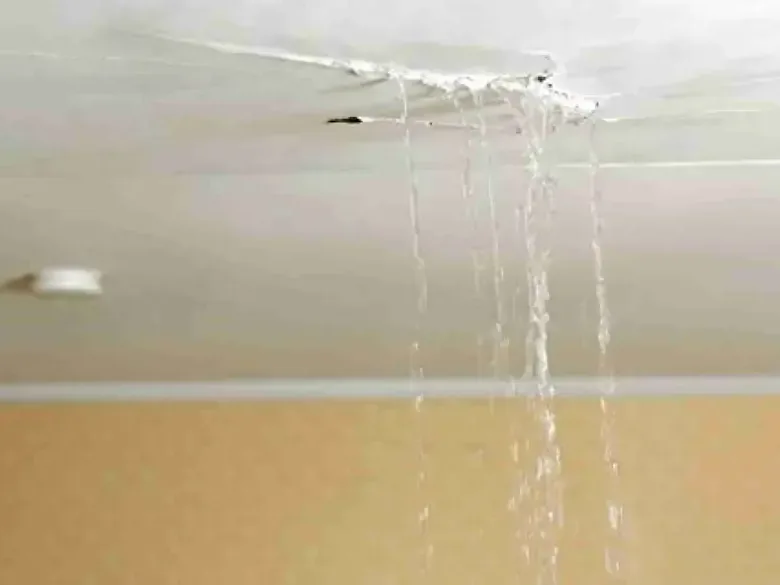
The first visible water may be a ceiling drip even when the break is inside a wall above it. Pressurized water can strike nearby surfaces, collect in a cavity and then escape through a different opening. Stopping the supply limits the release, but it does not reveal the full wet area. The inspection should reconstruct the route from the repaired pipe to each affected finish rather than treating the first puddle as the whole loss.
How burst pipe water damage is handled
Trace the pipe footprint
Inspect outward and downward from the failed connection, comparing visible wet areas with concealed assembly routes. Mark affected materials so removal decisions follow the full release instead of a single surface stain.
Remove collected water
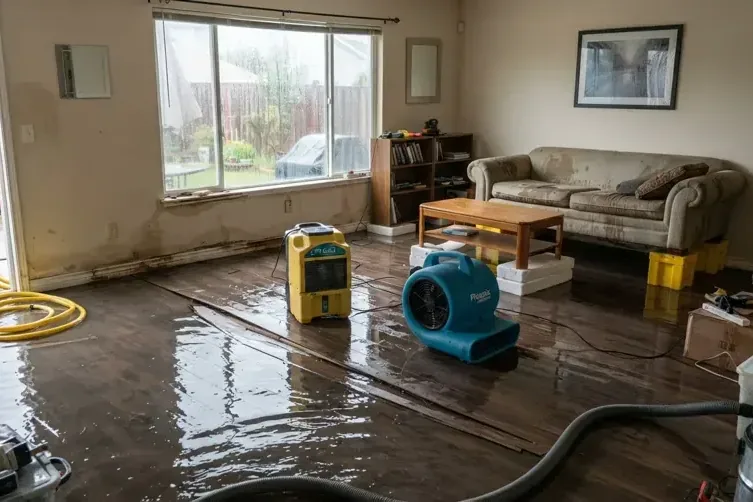
Extract accessible pooling and identify saturated contents or finishes that obstruct inspection. Record removed items and establish protected equipment routes before opening cavities where more water may have accumulated out of sight.
Open and dry selectively
Coordinate necessary access with the pipe repair, then dry suitable retained materials. Monitor framing, wall bases and floor layers individually because their moisture response can differ even within the same damaged room.
Review the reconstruction boundary
Document the final drying assessment and the openings left for repair. Include any separate continuing water source, remaining damaged finishes and plumbing completion information before the space is handed over for reconstruction.
Map the release vertically and across room boundaries
For a Winchester property near Wedgemere Station, the Griffin Museum of Photography or the Waterfield Road corridor, the essential details are the same building-specific observations: where the pipe failed, what was wet first and which rooms sit beneath or beside it. A location reference helps describe access. The restoration decisions come from the actual layout and the moisture found within it.
Inspection can include the opposite face of a partition, the ceiling below the break and the flooring beneath wet trim. An apparently dry room may share a cavity with the damaged area. Record those connections before removal so the owner can understand why an opening extends past the surface stain or why an adjoining closet belongs in the drying scope.
- Mark the repaired pipe location and preserve available photographs of the original release.
- Check the lower edge of each affected wall for moisture collecting behind trim.
- Inspect ceiling changes below the failure without standing under bowed or loosened material.
- Look beneath accessible floor edges where water could have followed seams into another room.
- Separate belongings damaged by direct spray from those affected by water pooling afterward.
Water still spreading?
A repaired pipe can leave a hidden trail of wet materials. Describe the break location and each room that changed so the inspection can connect the plumbing repair with extraction, cavity access and drying.
(888) 629-3140Review the burst pipe footprintCoordinate plumbing completion with material access
The pipe repair and the drying plan should support each other. The plumbing professional needs access to the failed section, while restoration may need additional access to wet insulation or trapped floor layers. Explain each opening before expanding it. A small repair hole can leave a much larger cavity wet, particularly when water collected away from the visible break.
After the source is controlled, water extraction may be needed where the release pooled. Saturated insulation or damaged finish material should be assessed separately from framing that may be retained. Removal decisions should reflect condition and access, with the affected surfaces photographed before they are concealed by equipment or temporary protection.
Keep the work area safe
The response team checks electricity, unstable surfaces and water contamination before opening wet materials. Household members keep children and pets away from affected rooms. A qualified electrician handles wet circuits. The cleanup crew sets containment when dirty water or debris could reach occupied space, then establishes a safe route for equipment and removed material.
Close the repair only after reviewing the assembly
Drying should be measured at meaningful points along the water path. A warmer room or a lighter stain cannot show whether the plate beneath a partition has dried. Keep readings tied to locations and materials so a stubborn wet area prompts a specific adjustment rather than a general extension of equipment use.
Winchester's documented groundwater flooding mechanism is a separate issue if new seepage appears at the basement floor during this work. Note any continuing foundation entry rather than attributing all moisture to the repaired pipe. The structural drying plan should identify retained assemblies, monitoring locations and remaining repair needs. That record helps the reconstruction contractor close the correct openings with a clear understanding of the material condition.
First decisions for burst pipe water damage
Isolate a reachable valve
Close a known water supply valve only from a safe location. Avoid crossing standing water or reaching through wet electrical equipment, and arrange qualified plumbing attention for the broken section and supply restoration.
Keep clear below damage
Leave space beneath swollen ceiling material or wet light fittings. A bucket may collect drips from a safe position, but moving beneath an unstable overhead section to place it creates another hazard.
Record the release sequence
Write down which room showed water first and whether another level became wet later. Save photographs of the failed pipe if available, together with the repair findings and the observed shutoff status.
Protect the inspection route
Move small dry items away from safe access paths without disturbing wet finishes. Describe narrow stairs, fixed cabinets or occupied adjoining rooms so the cleanup can be organized around the actual building layout.
What does burst pipe water damage cost in Winchester, MA?
Burst pipe cleanup in Winchester varies with the release path and the number of assemblies affected. These planning ranges address water-damage work; the estimate should clarify plumbing repair, finish replacement and any additional access required for concealed moisture.
Quickly isolated room
$1,000 to $2,500
- Limited release footprint
- Accessible wet surfaces
- Focused extraction work
Walls and adjoining floor
$2,500 to $4,500
- Connected cavity access
- Several wet materials
- Expanded drying measurements
Multiple levels
$4,500 to $6,500+
- Overhead and floor damage
- Broader equipment placement
- Coordinated repair openings
Category of water, square footage, material class and drying delay shape the scope. water damage cost calculator gives an estimate only.
Burst pipe water damage across Winchester
Requests from the Manchester Road corridor, Cross Street area and other town locations should include the level of the pipe break. Mention rooms below the release and any restricted access to the damaged assembly.
The same service nearby: burst pipe water damage in Belmont, Arlington, Somerville.
Related water damage services in Winchester
Burst Pipe Water Damage questions in Winchester, MA
Does repairing the broken pipe complete restoration?
The repair stops the source, while restoration addresses water already inside the building materials. Wet insulation, concealed wall edges and floor layers can remain affected afterward. The owner should receive separate information about plumbing completion and the drying or removal needed along the full release path.
Why check a room beneath the visible damage?
Water can collect inside a wall or floor assembly and travel downward before emerging. The room below may have ceiling moisture even if its floor looks untouched. Inspection of connected assemblies helps establish the real boundary and prevents a repair from concealing material that still needs attention.
Should a wet ceiling be punctured to drain it?
A bowed or softened ceiling can release material and water unpredictably. Keep the space beneath it clear and arrange assessment by personnel equipped to control the opening. Any drainage or removal should account for electrical exposure, overhead stability and the materials lying inside the cavity.
Can wet insulation remain behind the repaired wall?
Its condition, saturation and access determine the decision. Some insulation can obstruct drying of surrounding materials or require removal because it has deteriorated. The scope should explain what was inspected, why a layer is retained or removed and how remaining framing will be assessed before closure.
What if the water reached another floor covering?
Inspect the transition and accessible underlying layers instead of stopping at the doorway. Water may continue beneath a finish while the top surface appears less affected. Flooring decisions should reflect material condition, trapped moisture and access, with any additional removal explained in the restoration record.
How should the pipe loss be documented?
Keep the failure photographs, source repair findings, affected room images and moisture locations together. Record which finishes were removed and which were retained for drying. This creates a coherent account of the release, the work performed and the remaining reconstruction tasks for the owner or insurer.
Arrange a connected room inspection
Keep the release history and repair findings available when discussing the work needed behind wet finishes.
(888) 629-3140Discuss walls and floors affected