Structural Drying and Dehumidification in Winchester
A room can feel comfortable while its building materials remain wet. Structural drying uses material readings, controlled airflow and moisture removal to assess the assembly rather than relying on surface appearance.
(888) 629-3140Discuss material drying progress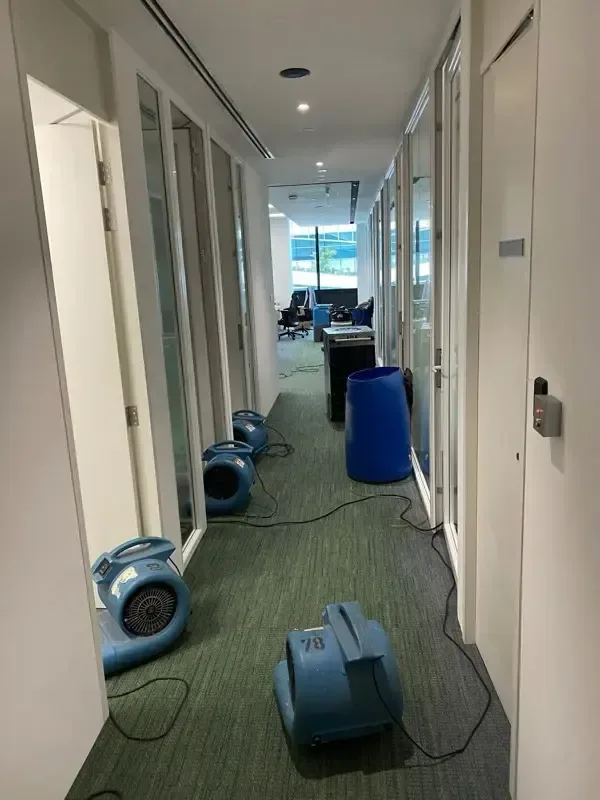
The sound of drying equipment cannot show what is happening inside a floor or partition. Useful progress comes from comparing material readings at known locations and understanding the assembly around them. A wet wall plate, dense floor layer and exposed ceiling member may respond differently in the same room. The drying plan should explain those differences and give the owner a clear account of why equipment or access changes during the work.
How structural drying and dehumidification is handled
Establish comparison points
Measure affected materials and suitable comparison areas, then mark the locations for repeat checks. Record assembly type and accessible layers so later readings can be interpreted in the context of the actual building.
Arrange moisture removal
Select equipment placement around the exposed wet surfaces and room conditions. Preserve useful air paths while keeping occupied areas and movement routes considered within the practical layout of the drying setup.
Check the material response
Compare repeat readings with source observations and equipment conditions. Investigate persistent wet pockets, discuss additional access where necessary and document the reason for changes instead of relying on a fixed setup throughout the job.
Explain readiness for repair
Summarize the retained assembly assessment and the finishes removed for access or damage. Identify unresolved source work and remaining reconstruction tasks so the owner can coordinate closure with a clear record of the drying stage.
Separate residual moisture from a continuing supply
Winchester identifies rising groundwater and underground springs as possible causes of basement flooding anywhere in town. When groundwater rises above the basement floor, it can push through small cracks. This creates an important distinction during drying: retained moisture from a completed release can decline, while active seepage keeps introducing more water. Record fresh entry separately from the readings in materials already affected.
The Aberjona River and its ponds occupy the central valley toward the Mystic Lakes. Near Wedge Pond or the Shore Road area, describe actual indoor observations when discussing a wet building. A source repair, visible re-entry point and material reading each answer a different question. Equipment should be adjusted with those findings in view rather than simply left operating because the room still feels damp.
Water still spreading?
Drying progress should be explainable in terms of the materials left in the building. Describe the wet assembly and source status to arrange a check of access, equipment placement and the readings needed for repair decisions.
(888) 629-3140Check retained material moistureGive equipment access to the affected assembly
- Identify the materials being retained and the concealed layers that limit their evaporation.
- Mark repeat measurement locations so later checks compare the same affected surfaces.
- Keep equipment routes and air paths clear of belongings moved during the cleanup.
- Check wet insulation or coverings that prevent useful access to the underlying assembly.
- Record changes in room conditions alongside the response of the retained building materials.
Air movement and dehumidification work together with suitable access. A fan facing a finished wall cannot be assumed to reach a closed wet cavity behind it. Selective opening may be needed to expose the surfaces being dried. The reason for that opening should be explained in relation to the moisture pattern, retained material condition and progress already observed.
Keep the work area safe
The response team checks electricity, unstable surfaces and water contamination before opening wet materials. Household members keep children and pets away from affected rooms. A qualified electrician handles wet circuits. The cleanup crew sets containment when dirty water or debris could reach occupied space, then establishes a safe route for equipment and removed material.
Use the record to decide the next action
When readings stall, revisit the source status, equipment arrangement and assembly layers. The useful response might be a different air path, more access or attention to fresh entry. An unchanged setup should not become the automatic answer to every slow area. Document the adjustment and compare the subsequent response at the marked locations.
The water extraction page covers collection before drying, while basement cleanup addresses continued lower-level entry. At handoff, explain retained material condition and remaining finish repairs in plain terms. The repair contractor needs to know which layers were removed, where openings remain and how the assembly was assessed before new finishes conceal it.
First decisions for structural drying and dehumidification
Clarify the source status
Tell the provider whether the leaking connection has been repaired or new seepage is still visible. Continuing entry changes the drying assessment and should be recorded separately from moisture remaining inside the affected materials.
Keep equipment pathways clear
Avoid placing storage, furniture or coverings in front of the arranged airflow. Ask about safe movement routes around cords and hoses so normal household activity does not interrupt access to the surfaces being dried.
Report changes in the room
Mention fresh pooling, new stains or equipment interruptions as they occur. These details help distinguish a material that is drying slowly from an assembly receiving additional water or an altered operating setup.
Request a material explanation
Ask which layers are being monitored and what remains hidden behind intact finishes. A clear description of the assembly helps the owner understand why access, equipment or the repair schedule may need adjustment.
What does structural drying and dehumidification cost in Winchester, MA?
Structural drying in Winchester depends on the retained materials, access and moisture response during monitoring. The following planning ranges describe drying work; source repairs, extensive removal and replacement finishes need clarification when the property scope is prepared.
Small exposed assembly
$1,000 to $2,200
- Wet surfaces
- Focused equipment arrangement
- Repeat material readings
Several rooms or layers
$2,200 to $4,000
- Connected assembly checks
- Multiple drying locations
- Adjusted airflow paths
Dense concealed materials
$4,000 to $6,000+
- Restricted moisture release
- Selective access coordination
- Broader monitoring needs
Category of water, square footage, material class and drying delay shape the scope. water damage cost calculator gives an estimate only.
Structural drying and dehumidification across Winchester
Properties around the Skillings Field area, Cross Street and other town locations can describe retained wet materials when requesting drying help. Include previous removal work, current equipment and any continuing water entry observed indoors.
The same service nearby: structural drying and dehumidification in Belmont, Arlington, Somerville.
Related water damage services in Winchester
Structural Drying and Dehumidification questions in Winchester, MA
Why does the room feel dry before the wall is ready?
Air conditions can improve while moisture remains inside dense or concealed materials. A surface touch does not measure a wall plate or the layer beneath a floor finish. The drying assessment should compare readings in the affected assembly and explain which materials still need attention before reconstruction.
What is the purpose of dehumidification during drying?
As moisture leaves wet materials, it enters the surrounding air. Dehumidification removes moisture from that air as part of the controlled drying arrangement. Its usefulness depends on suitable placement, room conditions and access to the wet surfaces, so equipment operation should be considered alongside material readings rather than in isolation.
Can the owner switch equipment off when the room is empty?
Changes to the arranged setup can affect material progress and the record used to assess it. Discuss comfort, noise or access concerns with the provider before changing operation. If an interruption occurs, report it so the next reading can be interpreted with the actual equipment conditions in mind.
Why might a wall need opening after drying begins?
Initial readings may reveal a concealed wet pocket or a finish that restricts evaporation. If the material response remains poor, selective access can allow inspection and drying of the underlying layer. The provider should explain the finding and the purpose of the proposed opening before expanding the work.
Does more equipment always produce a better result?
Equipment needs to suit the assembly and the conditions around it. A closed wet cavity or continuing groundwater entry may require access or source work rather than simply another unit. Progress should be evaluated through material readings and the response to specific adjustments in the drying plan.
What should a drying completion record contain?
Useful information includes the monitored locations, retained materials, changes made during work and the closing assessment. It should also identify removed finishes, remaining openings and any unresolved source issue. That record helps the owner and repair contractor coordinate reconstruction around the actual condition of the assembly left in place.
Arrange a measured drying assessment
Keep new seepage and equipment changes visible in the record while the assembly is monitored.
(888) 629-3140Discuss the next drying decision