Basement Water Removal in Winchester
Water at the bottom of the stairs needs an access and source assessment before collection. Track where it enters, protect the route below and inspect the finishes hidden by the pooled water.
(888) 629-3140Discuss water in the lower room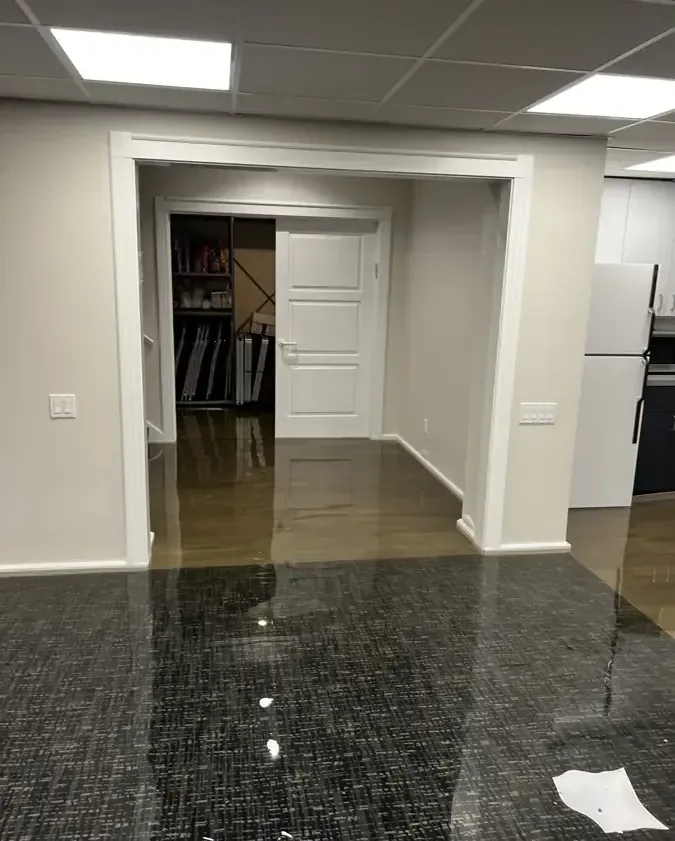
A basement can collect water from several directions while offering only a narrow route for inspection and equipment. Before going downstairs, consider electrical exposure, hidden floor obstacles and the condition of the stair landing. Describe what is visible from safe access and arrange assessment of the room. The removal plan should account for the water source and depth as well as the contents, wall finishes and floor coverings it may have reached.
How basement water removal is handled
Survey the lower room
Check safe access, water condition and the visible entry points. Identify wet contents and finished assemblies before selecting removal equipment, with attention to the space needed for stairs, hoses and material handling.
Collect and expose the floor
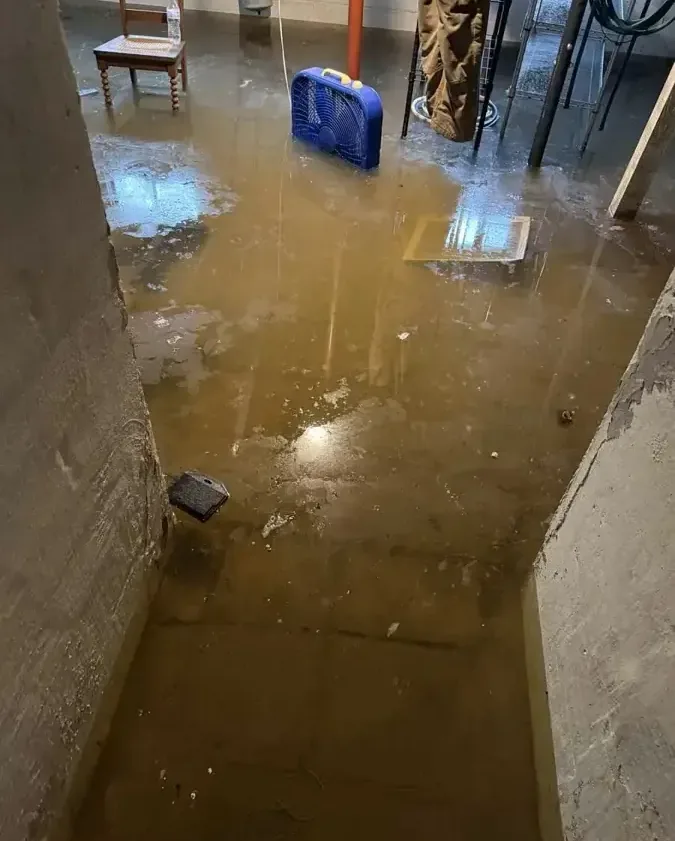
Remove accessible standing water and organize affected contents so the floor can be inspected. Photograph hidden wet areas as they emerge, including seams, drains and the base of partitions or fixed storage.
Assess remaining materials
Evaluate floor coverings, lower wall layers and retained structural surfaces after collection. Explain removal where condition or access requires it, then arrange drying around the actual assembly and any continuing foundation seepage.
Check the return to use
Document the drying assessment and unresolved source concerns before belongings return to floor level. Identify replacement finishes and remaining openings so the owner can coordinate basement repairs without covering material that still needs attention.
Groundwater can keep the room receiving water
Winchester states that rising groundwater or underground springs can cause basement flooding anywhere in town. Groundwater above the floor level can push through small cracks in floors or foundations. Street drainage and Aberjona River flood projects address different mechanisms from existing groundwater flooding. For the affected basement, record fresh seepage at the wall or floor even if the larger outdoor flood has already receded.
The Aberjona River and Horn Pond Brook are significant surface-water sources, with Wedge Pond also subject to surface flooding. A lower-room inspection should distinguish water arriving through an exterior opening from water emerging through the foundation. That distinction helps organize source attention alongside collection and avoids treating recurring entry as a simple drying delay.
- Describe the accessible stair or doorway and any electrical equipment near the wet area.
- Record the first entry point before furniture movement or removal changes the visible pattern.
- Inspect storage at floor level, including the undersides of boxes and enclosed shelving bases.
- Check whether floor coverings conceal wet padding, seams or another absorbent layer beneath them.
- Observe the room after collection for renewed seepage at the original or another location.
Water still spreading?
A wet basement needs more than a clear patch at the bottom of the stairs. Describe entry points, affected storage and continuing seepage so collection and material drying can be planned around the whole lower room.
(888) 629-3140Check the basement water patternClear the floor while preserving the damage record
Wet stored belongings can obstruct equipment and hide the floor boundary. Photograph affected groups before moving them, and establish a route that does not carry dirty water through dry living spaces. A finished lower room may require different material access from an open concrete area. Explain the removal decisions for carpet, trim or wall edges in relation to their actual condition.
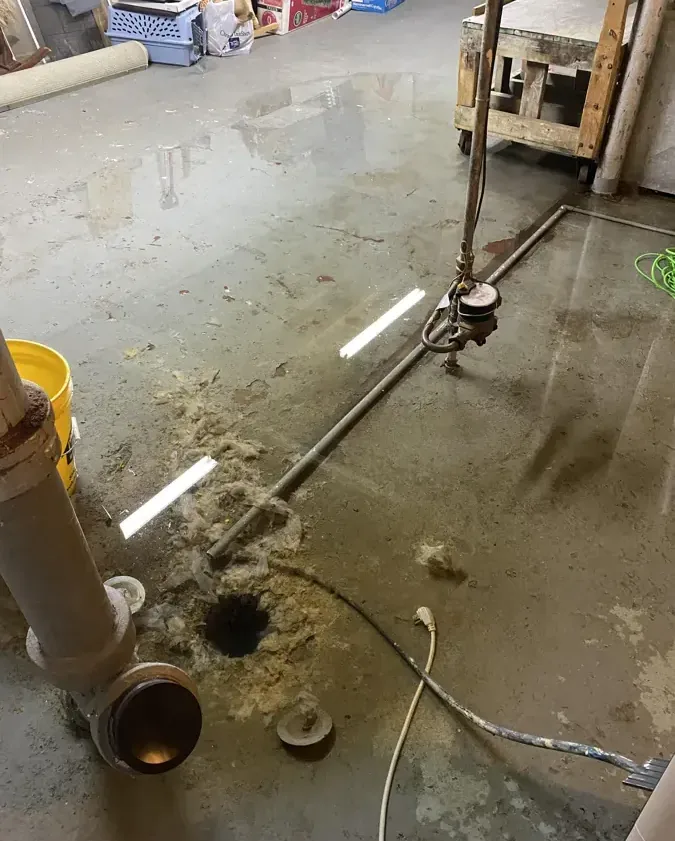
If a drain backup is involved, the sewage cleanup service addresses the additional handling and cleaning needs. Outdoor water with sediment also needs a condition-based approach. The color or apparent clarity of a puddle should not be the only basis for choosing how contaminated contact is handled.
Keep the work area safe
The response team checks electricity, unstable surfaces and water contamination before opening wet materials. Household members keep children and pets away from affected rooms. A qualified electrician handles wet circuits. The cleanup crew sets containment when dirty water or debris could reach occupied space, then establishes a safe route for equipment and removed material.
Check what remains wet after pumping
A cleared basement floor makes inspection easier, but moisture can remain behind baseboards, in wall framing or beneath floor coverings. Structural drying should follow the retained assemblies and any continuing entry. Equipment placement needs to respect the stair route and the limited space around stored contents.
The completion record should identify where water entered, what was collected or removed and which materials remained for drying. List ongoing seepage separately from reconstruction needs. Before the owner returns storage or replaces finishes, the lower room should have a clear handoff covering retained material condition, remaining openings and any additional source work still required.
First decisions for basement water removal
Assess access from above
Stay out of water near electrical equipment or an obscured stair landing. Describe visible conditions from dry footing and arrange the appropriate safety assessment before entering the lower room or reaching for stored items.
Identify the observed entry
Report water at a floor crack, wall joint, doorway or drain as specifically as possible. Mention whether it continues arriving after rain stops so the provider can distinguish existing pooling from a continuing source.
Keep wet storage separated
Avoid carrying soaked boxes or furnishings through dry rooms without a handling plan. Photograph affected groups and move only safely reachable dry belongings that would otherwise obstruct access to the basement stair or doorway.
Record recurrence after removal
If water reappears, note its location and whether the amount or route has changed. Those observations help revise the source response and drying plan instead of treating repeated pooling as an unexplained continuation of the original loss.
What does basement water removal cost in Winchester, MA?
Basement cleanup in Winchester depends on water condition, finished materials and the access route below. These planning amounts increase with concealed or contaminated contact; ongoing source work and reconstruction should be addressed separately in the estimate.
Unfinished accessible area
$1,000 to $2,500
- Open floor collection
- Limited finish removal
- Initial entry assessment
Finished lower room
$2,500 to $4,800
- Wet covering inspection
- Lower wall access
- Retained assembly drying
Extensive or dirty-water loss
$4,800 to $7,500+
- Controlled contents handling
- Broader material removal
- Expanded cleaning scope
Category of water, square footage, material class and drying delay shape the scope. water damage cost calculator gives an estimate only.
Basement water removal across Winchester
Requests from Shore Road, the Skillings Field area and other town locations should describe the basement entrance and observed entry points. Mention finished rooms, stored contents and whether water is still arriving during the assessment.
The same service nearby: basement water removal in Belmont, Arlington, Somerville.
Related water damage services in Winchester
Basement Water Removal questions in Winchester, MA
Can groundwater flood a basement away from the river?
The town identifies groundwater and underground springs as possible causes of basement flooding anywhere in Winchester. When groundwater rises above the floor, water can enter through small foundation cracks. Record the actual entry location and have it assessed alongside the removal needs inside the affected lower room.
Why can water return after pumping is complete?
Collection removes the water already inside, but it does not necessarily stop the source. Continuing groundwater pressure, a plumbing release or another entry route can refill the floor. Note the new water location and timing so the source response and interior work can be adjusted together.
Should basement storage be moved upstairs immediately?
Dry items near safe access may be relocated, but soaked contents need a handling plan that protects dry living areas. Photograph affected groups first when possible. Heavy wet furniture, contaminated boxes and items near electrical hazards should remain undisturbed until the room and movement route have been assessed.
Does an unfinished basement need drying after removal?
Exposed surfaces and any retained timber or contents can remain wet even without finished walls or carpet. The assessment should identify the actual materials involved and any continuing seepage. Drying needs depend on those conditions, rather than simply on whether the room has decorative finishes.
How does a drain backup change the basement work?
A sewage release requires controlled access and attention to contaminated materials, cleaning and disposal. The affected footprint may include tracked water and absorbent wall or floor edges. The plan should explain that handling separately from ordinary collection and drying so the room is assessed according to its actual water condition.
What should be reviewed before basement finishes are rebuilt?
Confirm the source status, cleaned surfaces and retained material assessment. Check removed coverings, wall openings and remaining repairs with the reconstruction provider. Any ongoing seepage needs to stay visible in that handoff so new finishes and returned storage do not hide a water route that still requires attention.
Arrange a lower level assessment
Keep the stair route clear and record returning water while the source and removal needs are evaluated.
(888) 629-3140Discuss the affected basement finishes