Sewage Backup Cleanup in Winchester
A drain backup makes the route through the room part of the cleanup. Keep people outside the affected area while the source, contaminated surfaces and disposal needs are assessed.
(888) 629-3140Discuss contaminated room cleanup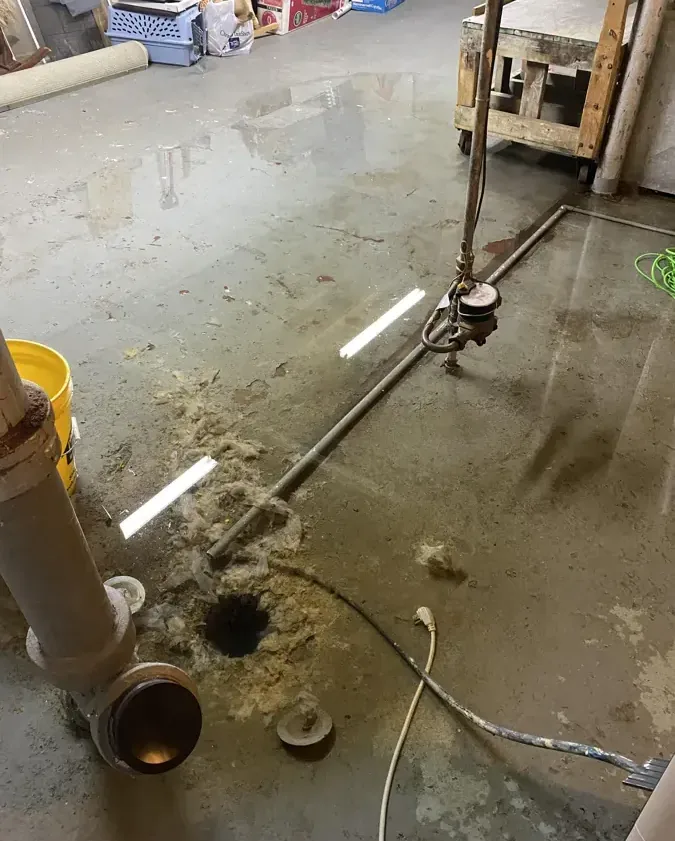
Water rising from a floor drain or overflowing from a backed-up fixture needs a different response from a small supply spill. The concern extends beyond the visible pool to splashes, tracked residue and absorbent materials at its edge. Keep household traffic out of the room and avoid moving wet belongings through dry living areas. The cleanup plan should establish a controlled route for entry, collection and disposal before the room is opened for routine use by occupants and visitors.
How sewage backup cleanup is handled
Define working boundaries
Inspect the visible discharge path and possible tracked areas. Establish entry and waste routes before equipment is placed, with the boundary adjusted when concealed contact becomes visible during material removal.
Collect and separate losses
Remove pooled liquid and evaluate contaminated contents and finishes. Record disposal decisions with photographs, keeping wet porous materials separated from hard surfaces that remain suitable for the planned cleaning work.
Clean accessible surfaces
Address residue at floor seams, lower walls and other contacted surfaces after removal creates access. The treatment approach should follow material condition and contamination rather than masking odor or appearance.
Dry and check the space
Measure retained materials after cleaning and arrange drying as needed. Check source repair status, remaining openings and the completed cleaning scope before the property owner coordinates replacement finishes or normal room use.
Resolve the backup while defining its footprint
Winchester has a municipal Water and Sewer Department. A property owner can report a suspected system issue while a qualified plumbing professional investigates the building's drain problem. The immediate account should describe which fixture or drain released water, whether additional use causes another overflow and where the discharge traveled. Responsibility for a particular connection should be established through the appropriate parties during that investigation.
Locations around Cross Street, Swanton Street and Muraco School can help identify the area when describing access. They do not change the inspection priorities inside the affected building. A narrow stair, finished lower room or shared passage can complicate movement of contaminated contents. Include those layout details early so the handling route can be planned around the actual property.
Water still spreading?
A sewage release needs a controlled cleanup path through the affected building. Report the drain or fixture involved, the rooms reached and any continuing overflow so material handling and source investigation can be coordinated.
(888) 629-3140Discuss a drain backup indoorsSeparate absorbent losses from cleanable surfaces
- Photograph affected floor coverings and contents before they are moved out of the contamination zone.
- Inspect wall bases and cabinet ends where dirty water contacted absorbent edges.
- Identify hard surfaces that remain accessible for thorough cleaning after loose waste is removed.
- Plan removal of affected porous materials according to their condition and contaminated contact.
- Keep bagged debris and cleaning equipment away from paths used by occupants.
A floor can look clearer after liquid collection while residue remains in seams and low points. Cleaning needs access to the surfaces that were actually exposed. Where a finish conceals contamination beneath it, the assessment should explain whether removal is necessary. Retaining a material should be a considered decision about its condition and cleanability, not simply a response to its appearance.
Keep the work area safe
The response team checks electricity, unstable surfaces and water contamination before opening wet materials. Household members keep children and pets away from affected rooms. A qualified electrician handles wet circuits. The cleanup crew sets containment when dirty water or debris could reach occupied space, then establishes a safe route for equipment and removed material.
Reopen the room through a documented sequence
Collection, removal, cleaning and drying each have a purpose. Running household fans across dirty surfaces before cleanup can move droplets or debris beyond the original area. Equipment placement should follow the contamination controls and the work sequence. Once the affected surfaces are accessible and cleaned, remaining moisture in retained materials can be addressed with an appropriate drying arrangement.
The basement removal page explains lower-level access concerns, while structural drying describes how retained assemblies are assessed after wet work. At handoff, the owner should receive a record of removed materials, cleaned areas and remaining repairs. Repeated drain trouble needs continued plumbing attention; finishing the room should wait until the source problem and the condition of the cleaned assembly have been reviewed.
First decisions for sewage backup cleanup
Keep the doorway controlled
Prevent children, pets and unnecessary visitors from entering the affected space. Avoid stepping through the water to retrieve ordinary belongings, especially when the room also contains electrical equipment or concealed floor hazards.
Pause affected fixture use
Stop using fixtures that appear connected to the backup until the drain problem is assessed. Describe which use triggered the release and whether water continues rising without additional activity inside the building.
Leave contaminated items grouped
Avoid carrying dripping rugs, boxes or soft furnishings into clean rooms. Photograph them from safe access and let the cleanup plan establish how affected contents will be handled, separated and removed.
Report the observed discharge
Tell the provider where dirty water emerged, the rooms it reached and any repeated overflow. Mention stairs or restricted exits that could affect the safe movement of collection equipment and bagged material.
What does sewage backup cleanup cost in Winchester, MA?
Winchester sewage cleanup planning depends on contaminated contact, disposal needs and access through the building. The ranges increase as porous finishes and connected rooms become involved; the drain repair and reconstruction scope should be specified separately.
Contained hard-floor area
$2,000 to $3,500
- Accessible contaminated surface
- Controlled liquid collection
- Focused cleaning work
Finished-room contamination
$3,500 to $6,000
- Affected porous finishes
- Separated debris handling
- Retained material drying
Several affected spaces
$6,000 to $9,000+
- Connected contamination footprint
- Broader contents assessment
- Expanded cleaning access
Category of water, square footage, material class and drying delay shape the scope. water damage cost calculator gives an estimate only.
Sewage backup cleanup across Winchester
Cleanup assessment is available across the town, including the Skillings Field area and Shore Road corridor. Give the affected level, discharge point and access restrictions when describing the building and contaminated room.
The same service nearby: sewage backup cleanup in Belmont, Arlington, Somerville.
Related water damage services in Winchester
Sewage Backup Cleanup questions in Winchester, MA
Can a homeowner start with a household wet vacuum?
Sewage can contaminate equipment, surfaces and the path used to empty collected liquid. The safer starting point is to restrict access and arrange an assessment of the discharge. Professional collection and disposal should be planned with the affected materials and the route through the building in mind.
Should fans be switched on immediately?
Fans should not blow across untreated sewage residue or contaminated debris. Air movement belongs within a controlled cleanup sequence, after the condition of the area and the surfaces needing removal or cleaning have been assessed. Drying retained materials follows the appropriate collection and cleaning work.
Does every affected item need disposal?
Material type, contaminated contact and cleanability determine the decision. Saturated porous items can present different problems from accessible hard surfaces. The assessment should document the reason for retaining or removing contents, with photographs and descriptions that allow the owner to understand what happened to each affected group.
Who should hear about a possible municipal problem?
The town has a Water and Sewer Department for municipal service questions. Report the observed backup and affected location, and arrange plumbing evaluation of the building's drain issue. Keep those findings with the cleanup record so source work and interior restoration can be coordinated clearly.
Why inspect behind the baseboard?
Water from a backup can reach absorbent wall edges or concealed floor seams beyond the visible pool. Inspection at those boundaries helps determine whether contamination is trapped behind a finish. Any opening should have a stated purpose and should connect directly to the observed water path.
What indicates the room is ready for repairs?
The source issue needs attention, contaminated material decisions need completion and cleaned retained surfaces need an appropriate moisture assessment. Check the written scope, removed finishes and remaining openings before rebuilding. A room looking cleaner or smelling different does not replace that documented sequence of work.
Arrange controlled sewage removal
Keep the affected doorway clear while the contaminated footprint and necessary cleaning access are assessed.
(888) 629-3140Check the contaminated area