Sewage Backup Cleanup in Somerville
Wastewater on a floor changes how the room can be used and cleaned. Restrict access first, then assess the entry point, contaminated contents and materials reached beyond the visible spill.
(888) 629-3140Arrange a wastewater cleanup assessment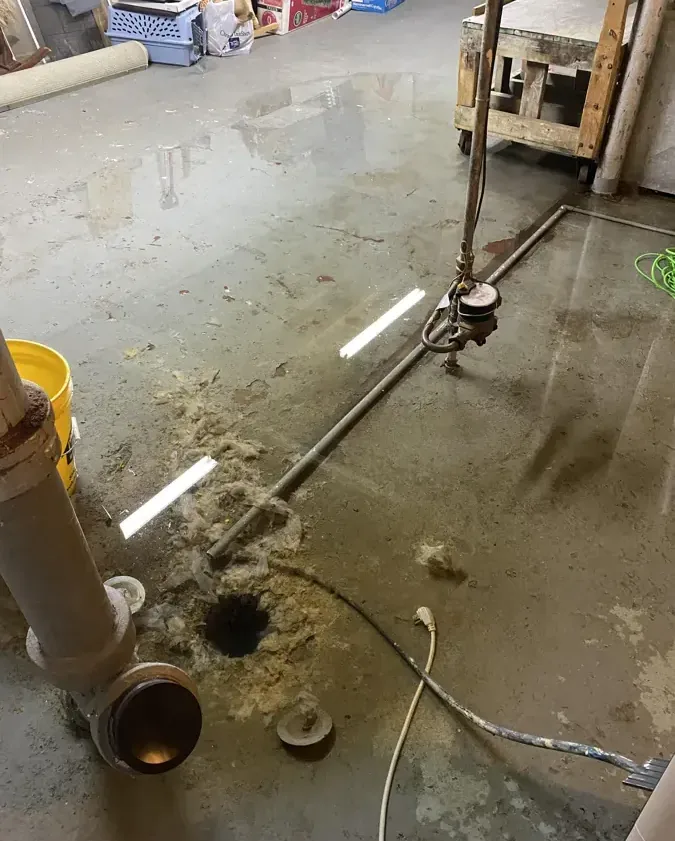
Most of Somerville is served by a combined sewer system. In normal operation, that system conveys wastewater and stormwater to the MWRA Deer Island Treatment Plant. Inside a building, a sewage backup needs a close examination of the fixture or drain through which it entered and every surface it reached. The immediate task is to keep the affected room separate from clean living or working space. Walking through wastewater, moving wet boxes and running household fans can complicate that boundary before cleanup begins.
How sewage backup cleanup is handled
Map contact and access
The inspection follows wastewater across floors and into absorbent materials. Clean areas, affected areas and the route for removal are defined before contents or equipment move through the property during cleanup.
Remove liquid and unsuitable materials
Wastewater is recovered with suitable equipment, followed by controlled handling of materials that cannot remain. Disposal decisions are recorded with attention to hidden contact beneath coverings, fixtures and stored belongings inside.
Clean exposed remaining surfaces
Accessible structural and hard surfaces receive cleaning after bulk contamination has been removed. The work sequence keeps clean equipment and supplies separated from the dirty side of the affected room throughout treatment.
Assess the remaining drying work
Once cleaning has reached the exposed assembly, moisture conditions determine the drying plan. The owner receives a distinction between completed cleanup, unresolved drainage work and finishes awaiting repair or replacement before normal use.
Use the actual spill to define the work area
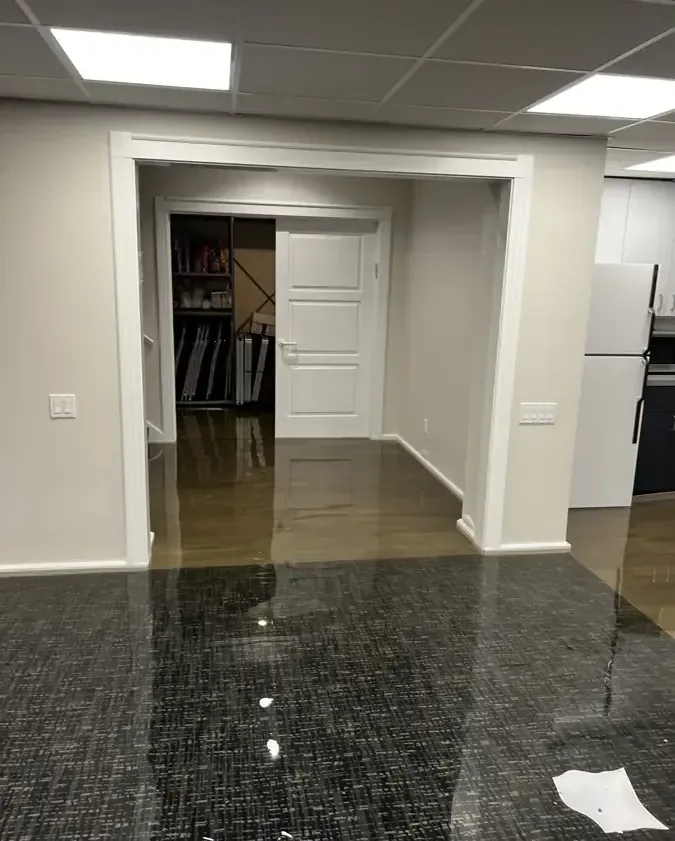
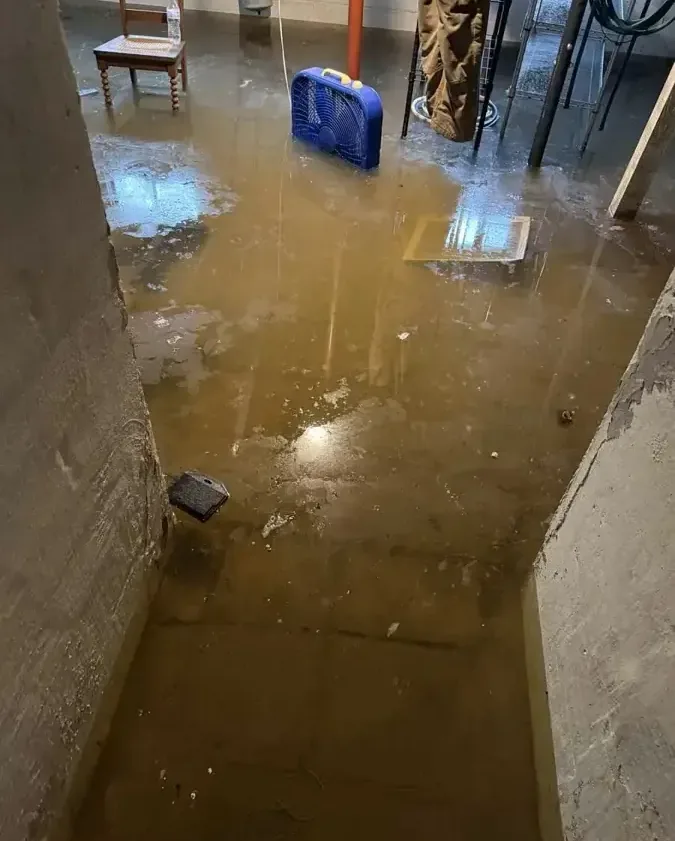
The visible pool may stop at a doorway while contaminated moisture continues beneath trim or a floor covering. Contents resting on the floor need individual assessment, especially absorbent storage, upholstered items and paper goods. Hard surfaces also require cleaning after wastewater removal. A drain repair can restore flow while leaving these interior cleanup tasks unfinished, so the scopes should remain clearly separated.
- Keep occupants away from the affected floor and avoid using it as a passage to clean rooms.
- Identify the lowest fixture or opening where wastewater first became visible inside the property.
- Leave portable fans off until the contaminated area and removal sequence have been assessed.
- Photograph exposed contents from a safe position without opening soaked containers or spreading their contents.
- Check the underside of movable storage and the wall contact areas hidden behind it.
- Plan a removal route that keeps discarded wet materials from contacting unaffected household belongings.
Water still spreading?
A sewage backup needs a defined work boundary before belongings are moved or air is circulated. Describe the overflowing fixture, the affected room and whether drainage remains restricted so cleanup and plumbing tasks can be organized.
(888) 629-3140Discuss the wastewater affected roomConnect removal with cleaning and disposal decisions
The city owns combined sewer overflow outfalls discharging to Alewife Brook and the Mystic River. July 22, 2026: an overflow was reported at SOM-001A into Alewife Brook. Indoor cleanup decisions come from the conditions at the building: where wastewater entered, what it touched and whether drainage remains restricted. A plumber investigates the relevant drain problem while the restoration scope addresses the contaminated interior.
Porous materials that cannot be adequately cleaned may require removal. That can include floor coverings, absorbent wall sections and stored contents, depending on exposure and condition. The scope should identify those decisions before drying begins. Basement water removal also considers lower room access and affected equipment when a sewage incident involves a basement.
- Separate cleanable hard surfaces from absorbent materials selected for controlled disposal.
- Document what was removed so the owner can track contents and reconstruction needs.
- Clean accessible structural surfaces before planning airflow through the remaining wet assembly.
Keep the work area safe
The response team checks electricity, unstable surfaces and water contamination before opening wet materials. Household members keep children and pets away from affected rooms. A qualified electrician handles wet circuits. The cleanup crew sets containment when dirty water or debris could reach occupied space, then establishes a safe route for equipment and removed material.
Restore a clear boundary between work and occupancy
East Somerville lies east of McGrath Highway between Washington Street and Broadway. Wherever the property sits within the city, the cleanup route needs to fit its entrances and occupied spaces. A compact interior may require careful staging of contents and equipment. The town service overview helps identify connected drying tasks after contaminated water and unsuitable materials have been removed.
Explain what remains after cleaning
The handover should distinguish completed wastewater removal from ongoing drying, drain repair and replacement finishes. Photographs of exposed surfaces and written disposal notes help make that sequence visible. Reoccupation decisions need to consider the condition of the affected area rather than whether the drain now empties normally or the original odor has become less noticeable.
First decisions for sewage backup cleanup
Keep the affected room separate
Close off ordinary foot traffic through the spill and use another route where available. People and pets should remain outside the contaminated space until the conditions and planned cleanup boundary are assessed.
Limit further fixture discharge
Avoid adding water through fixtures connected to the suspected drainage problem. Describe which fixture overflowed and whether other drains changed behavior so a plumbing professional can investigate the relevant part of the system.
Leave contaminated contents in place
Do not carry soaked belongings into clean living areas for sorting. Photograph them from a dry position and let the cleanup assessment determine a removal path and suitable handling for exposed materials.
Identify clean access and storage
Point out a dry entrance and an unaffected area where necessary supplies can be staged. Keep clean possessions outside the work route so removal of wastewater and discarded materials does not spread the loss.
What does sewage backup cleanup cost in Somerville, MA?
Somerville sewage cleanup estimates reflect contamination spread, porous material removal and access for controlled disposal. The ranges below are planning figures; drainage repairs and reconstruction should have their own clearly described scope alongside interior cleanup.
Contained hard-floor area
$2,000 to $3,500
- Limited wastewater spread
- Accessible surface cleaning
- Controlled waste removal
Finished-room contamination
$3,500 to $6,000
- Porous finish assessment
- Affected contents handling
- Exposed assembly cleaning
Several affected spaces
$6,000 to $9,000+
- Wider contact boundary
- Multiple disposal areas
- Extended drying needs
Category of water, square footage, material class and drying delay shape the scope. water damage cost calculator gives an estimate only.
Sewage backup cleanup across Somerville
Indoor sewage assessments account for the drain entry point, occupied rooms and available disposal route. Homes and commercial premises require the same clear separation between contaminated work areas and clean access through the building.
The same service nearby: sewage backup cleanup in Belmont, Cambridge, Arlington.
Related water damage services in Somerville
Sewage Backup Cleanup questions in Somerville, MA
Can ordinary household fans dry a sewage spill?
Household fans should stay off until the contamination and work area have been assessed. Moving air across untreated wastewater or exposed dirty materials can interfere with controlled cleanup. Bulk removal, disposal decisions and cleaning come before the remaining wet assembly is considered for a managed drying arrangement.
Does restoring drain flow complete the job?
A functioning drain stops only part of the problem. Wastewater may remain inside floor coverings, under fixtures or against wall bases after the blockage has been addressed. Interior cleanup needs a separate scope covering removal, cleaning, disposal and the moisture left in materials that will remain in place.
How are items on the floor assessed?
The inspection considers what each item is made from and where wastewater contacted it. Absorbent contents may need different handling from cleanable hard objects. Keep an inventory and photographs before disposal when practical, and avoid moving affected items through clean rooms while their treatment is still being decided.
What does the combined sewer system mean locally?
Much of the city uses a system that carries both wastewater and stormwater. That context makes drainage behavior relevant during a backup assessment. The indoor investigation still needs to locate the entry point, check fixture behavior and identify the actual surfaces contaminated within the property before cleanup is planned.
Can only the visible part of a floor be cleaned?
The visible spill is the starting point for inspection, but wastewater can reach concealed edges and layers. Trim, floor covering seams and objects resting on the floor need attention. Access may need to be opened where contamination extends beneath materials that prevent cleaning of the underlying surface.
What should be documented before the room is rebuilt?
Records should identify the source investigation, contaminated materials removed, surfaces cleaned and subsequent drying checks. They should also note unfinished drain repairs or remaining reconstruction. That information helps the owner understand the sequence and gives replacement contractors a clearer picture of the exposed assembly they will be restoring.
Plan controlled removal
Keep clean access available and leave exposed porous contents for assessment within the affected space.
(888) 629-3140Check sewage cleanup options