Arlington Sewage Backup Cleanup
Wastewater on an occupied floor requires a controlled boundary around the affected area. Shared entrances, lower rooms, and absorbent finishes all matter when planning safe cleanup and subsequent drying.
(888) 629-3140Discuss the backed-up drain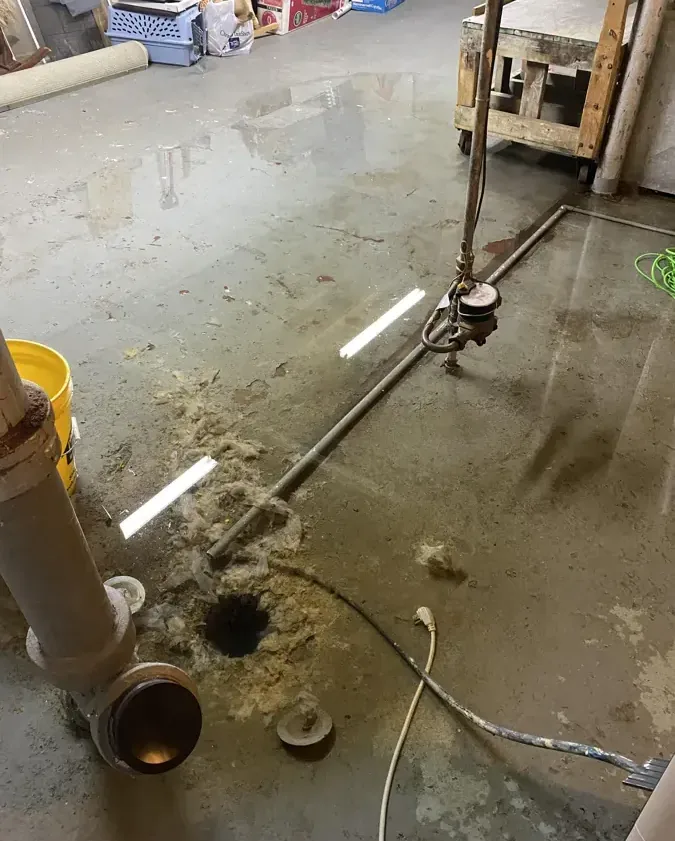
A backed-up drain can interrupt access to more than the room around it. Arlington has double- and triple-decker homes, where a shared stair or storage area may connect several households to the affected space. The cleanup boundary needs to account for that movement. In Kelwyn Manor, a useful initial report identifies the overflowing fixture, the rooms reached by wastewater, and any shared route that residents have already used.
How sewage backup cleanup is handled
Define exposure and access
The assessment identifies the backup location, wastewater spread, and paths used since discovery. That information sets the work boundary and helps distinguish contaminated surfaces from rooms that can remain safely separate during cleanup.
Remove wastewater and unsuitable finishes
Accessible sewage water is collected using an appropriate handling plan. Porous materials are evaluated for removal, with photographs and notes preserving their condition before disposal and exposing the underlying surfaces for further assessment.
Clean reachable building components
Exposed surfaces receive cleaning suited to the contamination and construction. Joints, edges, and remaining inaccessible layers are reviewed so the scope accounts for residues beyond the open middle of the affected floor area.
Dry and document retained layers
Suitable building materials are dried after the contamination work. The handoff records removed items, retained components, moisture observations, and any remaining drainage or finish repairs before normal use of the affected room is reconsidered.
Keep contamination within a controlled work area
The first task is to prevent additional contact while the plumbing cause is assessed. Children, pets, and household traffic should remain away from wet surfaces. Footwear and moved objects can carry contamination into otherwise usable rooms. A closed door may help define a boundary, but the plan also needs a suitable path for equipment and removed materials that avoids occupied areas wherever practical.
- Plumbing use associated with the backup should stop until the cause is evaluated.
- Wet carpet and cushion need assessment for removal rather than ordinary surface drying.
- Cardboard storage and other absorbent belongings should be separated from clean household contents.
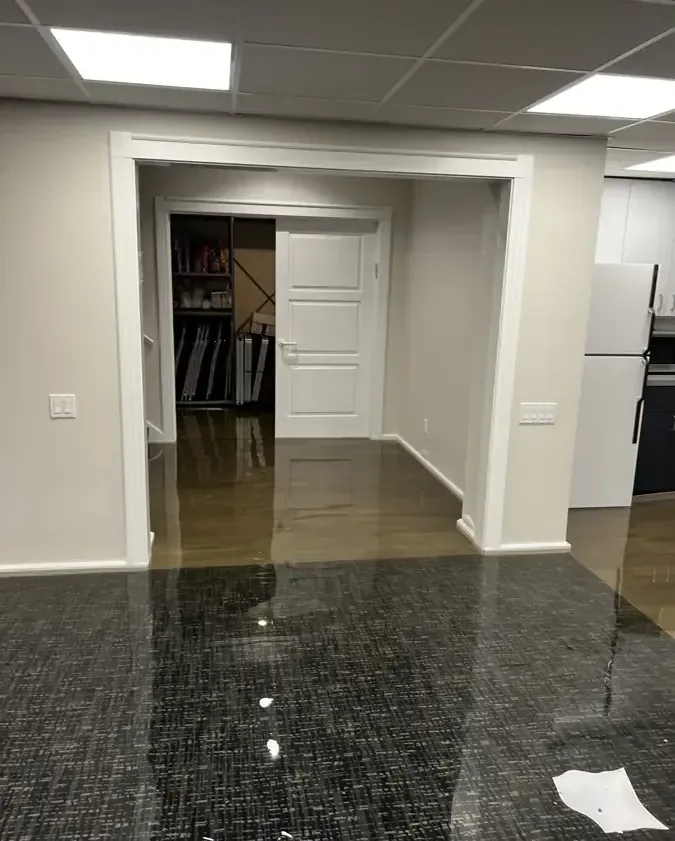
- Door thresholds deserve inspection where wastewater has crossed into an adjoining finished room.
- Shared access arrangements should be explained to the property manager before equipment or waste is moved.
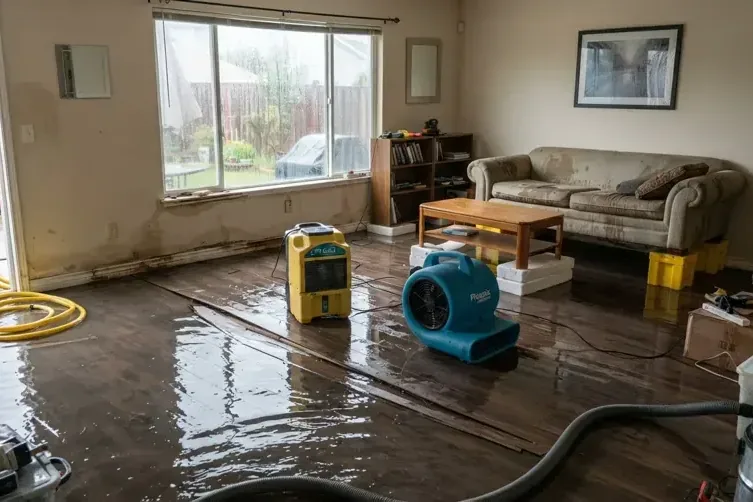
- Household fans should remain off while contaminated water and affected porous materials are being addressed.
North Union and Turkey Hill include homes with their own interior arrangements. The work boundary follows the actual spill and traffic route, with separate attention to rooms beyond it.
Water still spreading?
A backed-up fixture needs both plumbing attention and a controlled cleanup plan. The initial discussion should identify contaminated rooms, shared access, and any belongings moved through dry areas since the wastewater appeared.
(888) 629-3140Describe the sewage spillRemove affected materials before judging the remaining surfaces
Sewage exposure changes the decision about retaining absorbent finishes. A soaked porous layer may need removal to reveal a cleanable base beneath it. Hard surfaces can also have joints and edges that hold residues. Inspection should identify where cleaning can reach and where construction prevents adequate access, keeping material decisions clear in the estimate and the photographic record.
The drainage repair and the cleanup scope should remain connected throughout the work. Clearing a blockage does not remove wastewater from a room or restore a contaminated floor assembly. After water and unsuitable materials are removed, reachable surfaces are cleaned and evaluated. Only then does structural drying address moisture retained in suitable building components. Each stage has a different purpose in restoring a usable interior.
- Removal routes should protect dry living spaces from contact with contaminated debris.
- Contents need item-specific decisions based on material, exposure, and practical cleaning access.
- Lower wall edges may require attention when wastewater has reached absorbent finishes.
Keep the work area safe
The response team checks electricity, unstable surfaces and water contamination before opening wet materials. Household members keep children and pets away from affected rooms. A qualified electrician handles wet circuits. The cleanup crew sets containment when dirty water or debris could reach occupied space, then establishes a safe route for equipment and removed material.
Document the boundary and the return to use
The cleanup record should name contaminated rooms, removed finishes, cleaned surfaces, and any remaining work. A property manager can use that information to coordinate access among occupants. For broader damage questions, the Arlington restoration hub explains related services. The next repair decision should rest on the condition of the exposed building layers and the completion of the agreed cleaning scope.
Make household instructions specific
Residents need to know which entrance remains usable, which room is restricted, and whether plumbing use is still limited. Clear instructions reduce accidental tracking and keep necessary communication focused on the actual affected space. Reopening the room should follow assessment of cleaning, retained materials, and any equipment or repair work still present.
First decisions for sewage backup cleanup
Separate people from wastewater
Residents and pets should stay outside the spill and avoid touching affected belongings. A dry doorway can provide a place to describe visible conditions without walking through sewage or carrying it into another room.
Pause connected plumbing use
Further flushing or draining may add water to the affected area. The household should stop use of the involved fixtures pending plumbing assessment and tell other occupants when a shared drainage problem is suspected.
Notify the building contact
In a multifamily property, the owner or manager needs to know which shared areas and units are affected. Coordinated access helps the cleanup boundary include connected spaces rather than stopping at an occupied unit's door.
Preserve an uncontaminated route
Dry corridors should stay clear of wet belongings and cleanup debris. Residents should avoid carrying soaked boxes or rugs through living areas before the handling and disposal plan has been explained for the affected materials.
What does sewage backup cleanup cost in Arlington, MA?
Sewage cleanup planning in Arlington ranges from $2,000 to $9,000+. Contaminated floor area, porous material removal, disposal access, and cleaning requirements affect the estimate. Drain repairs and replacement finishes need their own clearly stated scope.
Contained hard-floor area
$2,000 to $3,500
- Limited wastewater footprint
- Reachable hard surfaces
- Controlled removal route
Finished-room contamination
$3,500 to $6,000
- Porous finish removal
- Exposed surface cleaning
- Retained layer drying
Several affected spaces
$6,000 to $9,000+
- Connected contaminated rooms
- Broader contents handling
- Complex access arrangements
Category of water, square footage, material class and drying delay shape the scope. water damage cost calculator gives an estimate only.
Sewage backup cleanup across Arlington
Cleanup planning is available for properties in Kelwyn Manor, North Union, and Turkey Hill. Reports should identify shared stairs, affected fixtures, and any occupied room that wastewater or contaminated belongings have reached.
The same service nearby: sewage backup cleanup in Belmont, Winchester, Cambridge.
Related water damage services in Arlington
Sewage Backup Cleanup questions in Arlington, MA
Should the household try to mop up sewage?
Residents should avoid contact with wastewater and affected materials. A mop can spread contamination across a larger surface and leave residues in joints or absorbent layers. The safer first action is to restrict access, stop contributing plumbing use, and arrange assessment of the backup and cleanup needs.
Can a wet carpet be dried after a backup?
Sewage exposure requires a different retention decision from an ordinary clean-water spill. Carpet and cushion can hold contamination beyond the visible surface. The assessment should address removal and the condition of the underlying floor, with the handling route planned to protect adjacent occupied rooms.
Why are household fans a concern during cleanup?
Air movement across contaminated water or disturbed residues can interfere with containment. Drying equipment belongs after the appropriate removal and cleaning work, positioned for the retained materials. Residents should leave household fans off in the affected space until the cleanup approach and access restrictions are established.
Does clearing the drain make the room usable?
Drain clearing addresses the plumbing obstruction. Wastewater, contaminated finishes, and wet building components still require their own cleanup assessment. The room's return to use depends on those conditions as well as safe access and any equipment remaining in place, not just restored flow through the fixture.
How should shared building areas be handled?
The property manager should coordinate notices and access for affected occupants. The inspection needs to include shared routes and any rooms reached by wastewater or tracked contamination. A clear boundary and removal path help keep the cleanup work from interfering with areas that remain separate and usable.
What records help explain a sewage loss?
Photographs of the spill boundary, lists of removed materials, plumbing repair details, and cleaning notes provide a useful account. The record should distinguish contaminated contents from retained building components. Insurers evaluate coverage under the policy, while these documents describe the conditions and the work actually performed.
Discuss contaminated room access
Keep household members outside the affected space while the source and handling requirements are assessed.
(888) 629-3140Arrange wastewater cleanup assessment