Water Extraction in Arlington, MA
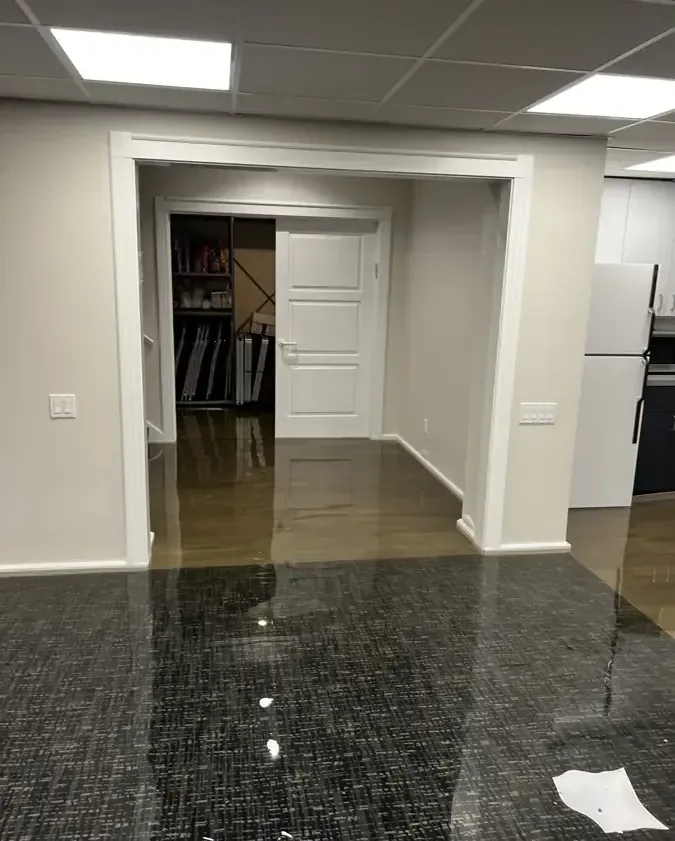
A puddle crossing a doorway can wet more than the visible floor. Extraction starts with safe access and a room map that follows the water through adjoining spaces.
(888) 629-3140Discuss standing water removal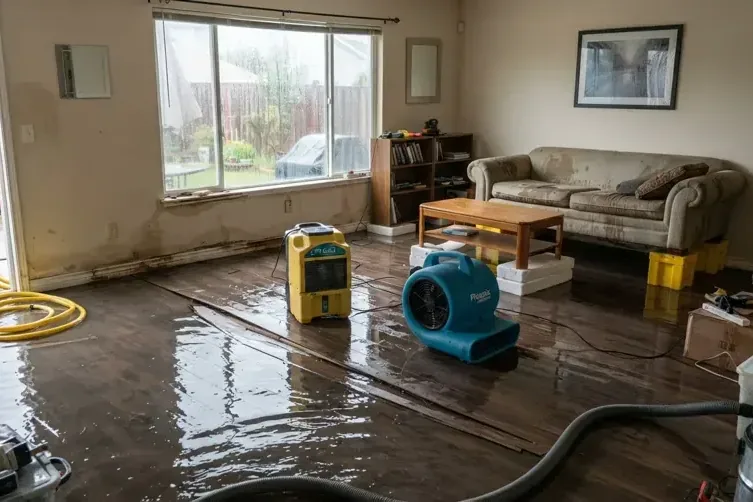
A wet hallway often reveals how far a water escape has traveled. In Arlington, single-family and multifamily layouts call for different access arrangements, but the inspection question remains practical: which rooms connect to the spill? A household near Robbins Farm Park may notice water at a doorway before finding the source in an adjacent room. An extraction assessment follows that route, marks wet floor coverings, and checks whether water has entered a wall base or traveled downstairs.
How water extraction and removal is handled
Assess the water footprint
The inspection identifies the apparent source, the type of water, and the accessible wet surfaces. Floor edges and neighboring rooms help establish the removal area before equipment is selected for the job.
Collect visible liquid
Extraction equipment removes standing water from reachable surfaces. Different floor coverings may require different tools, and the condition of carpet cushion or other porous materials affects whether they can remain in place.
Open the necessary access
Wet edges, trapped layers, and damaged finishes are evaluated for selective removal. The goal is to reach affected materials while keeping the reason for each opening clear in the written scope and photographs.
Check what remains wet
Measurements after removal help shape the drying arrangement. Notes identify retained materials and concealed areas needing further attention so repairs do not begin solely because the surface now appears clear of water.
Map the footprint before arranging removal equipment
The first useful sketch is a record of affected rooms, thresholds, and changes in floor material. Water on tile may be easy to see while moisture beneath a carpet edge remains hidden. The route for hoses also matters. Equipment should reach the wet area without blocking the dry stairway or forcing household members to walk through water. Electrical safety and the source condition come before access decisions.
- A doorway can connect wet carpet backing to a room that still looks dry.
- Furniture legs may conceal small pockets of water against a baseboard or cabinet.
- Floor registers deserve attention when an escape has crossed the edge of their openings.
- A lower ceiling may show the route taken through gaps around plumbing or flooring.
- Separate notes for each floor finish help explain why removal methods differ across the room.
- Contaminated water requires a different handling plan from a recent, controlled supply plumbing escape.
In Morningside, a useful first description names the wet room and its adjoining spaces. A neighborhood name helps locate the property; the interior layout determines the work.
Water still spreading?
Water across a doorway or beneath furniture deserves a closer assessment. A clear description of the source room, adjoining floors, and safe entrance helps organize extraction and identify the materials needing attention afterward.
(888) 629-3140Explain the standing waterExtraction is followed by a material decision
A removal tool collects accessible water, but a soaked assembly may hold moisture beneath the surface. Carpet cushion, composite flooring, and absorbent trim need their own assessment. Where materials remain suitable for retention, targeted structural drying can address the moisture that extraction leaves behind. Where contamination or physical damage makes retention unsuitable, removal provides access to the layers underneath.
The extraction record should distinguish the source room from the full affected footprint. This matters in double- and triple-decker homes because the household below may have a related ceiling problem. Access permission and a clear equipment route help keep those inspections connected. In North Union, that room-by-room account helps locate wet surfaces, describe the actual floor construction, and organize inspection of the affected rooms.
- Inspection readings should identify both the material tested and its location.
- Drying equipment needs suitable power and an unobstructed path through the room.
- Removed finishes should be documented before disposal so the damage record remains useful.
Keep the work area safe
The response team checks electricity, unstable surfaces and water contamination before opening wet materials. Household members keep children and pets away from affected rooms. A qualified electrician handles wet circuits. The cleanup crew sets containment when dirty water or debris could reach occupied space, then establishes a safe route for equipment and removed material.
Keep the recovery scope tied to remaining moisture
After standing water has been removed, the room should be checked for concealed wet edges and inaccessible layers. A clean-looking floor is only part of the assessment. The next written scope can explain which materials remain, where further access is needed, and how progress will be evaluated. For other causes or damage types, the town restoration overview connects the relevant cleanup options.
Information that makes the assessment useful
A homeowner can describe when the water was first seen, whether its source has stopped, and which rooms appear connected. Photographs taken safely from a dry entrance help preserve those first conditions. The resulting plan should make extraction, material handling, and subsequent drying understandable as separate parts of the same recovery.
First decisions for water extraction and removal
Avoid energized wet areas
Household members should stay outside standing water near outlets, appliances, or electrical equipment. A dry access point is needed before anyone evaluates hose placement or attempts to move contents from the room.
Identify continuing inflow
An accessible supply valve may stop a plumbing escape when it can be reached safely. Water entering from outside needs a different source assessment, particularly if the depth continues to change during observation.
Describe connected spaces
The initial description should include open doorways, changes in flooring, and any room beneath the spill. A property manager can help arrange inspection access where the water crosses between occupied units.
Leave a clear route
Dry corridors should remain available for assessment equipment and safe movement. Wet rugs or bulky furniture should only be relocated after the material condition and handling risks have been considered by the cleanup provider.
What does water extraction and removal cost in Arlington, MA?
Arlington extraction planning ranges extend from $500 to $4,500+ for accessible removal work. Connected rooms, contamination, equipment access, and trapped moisture can expand the scope, with drying and repairs described separately in the estimate.
One accessible room
$500 to $1,200
- Open floor access
- Limited liquid spread
- Focused equipment setup
Several connected rooms
$1,200 to $2,800
- Multiple wet thresholds
- Mixed floor coverings
- Broader removal footprint
Complex removal
$2,800 to $4,500+
- Restricted working space
- Difficult material access
- Extended water migration
Category of water, square footage, material class and drying delay shape the scope. water damage cost calculator gives an estimate only.
Water extraction and removal across Arlington
Extraction assessments cover households in Jason Heights, Brattle Square, and other town neighborhoods. The useful access details are the wet floor, the nearest dry entrance, and any connected room below the spill.
The same service nearby: water extraction and removal in Belmont, Winchester, Cambridge.
Water Extraction and Removal questions in Arlington, MA
Can a household vacuum collect standing water?
Equipment not designed for wet pickup presents an electrical hazard. Even suitable household equipment may leave water in carpet backing or inaccessible seams. A removal assessment should consider electrical conditions, the water source, and the full affected footprint before selecting any equipment for the room.
Why inspect an adjoining room that looks dry?
Water can cross a threshold beneath a floor finish while the upper surface remains unchanged. Checking the edge of that room helps establish the actual boundary of the loss. Readings and selective access can clarify whether the neighboring materials need drying or further attention.
Does extraction include repairing the original leak?
The source repair and the water removal are different tasks. A plumber may need to address a failed fitting while restoration handles wet building materials. The written work plan should explain how source control is coordinated and what remains for the appropriate repair trade.
Can carpet stay down during removal?
Retention depends on the water condition, the backing, the cushion, and access beneath the carpet. Some situations require lifting or removal to reach trapped moisture. The decision should address the complete floor assembly rather than only the appearance of the carpet fibers at the surface.
What information belongs in an extraction record?
A useful record names affected rooms, floor types, the apparent water source, and work performed. Photos before removal help explain the starting conditions. Material readings after extraction support the next drying decision and help distinguish water collection from later repair or replacement work.
When is a room ready for ordinary use?
The decision depends on safe access, contamination, the stability of finishes, and equipment still operating in the room. Removal of puddles alone may leave wet materials requiring further work. The provider should explain any access limits and the conditions needed before those restrictions are lifted.
Arrange a removal assessment
Mention any wet ceiling beneath the spill and whether the source is still releasing water indoors.
(888) 629-3140Discuss connected room damage