Basement Water Removal in Arlington
A flooded lower room needs more than a pump placed at the stairs. Safe access, the source of incoming water, and the condition of storage and finishes shape the removal and recovery plan.
(888) 629-3140Discuss the water below stairs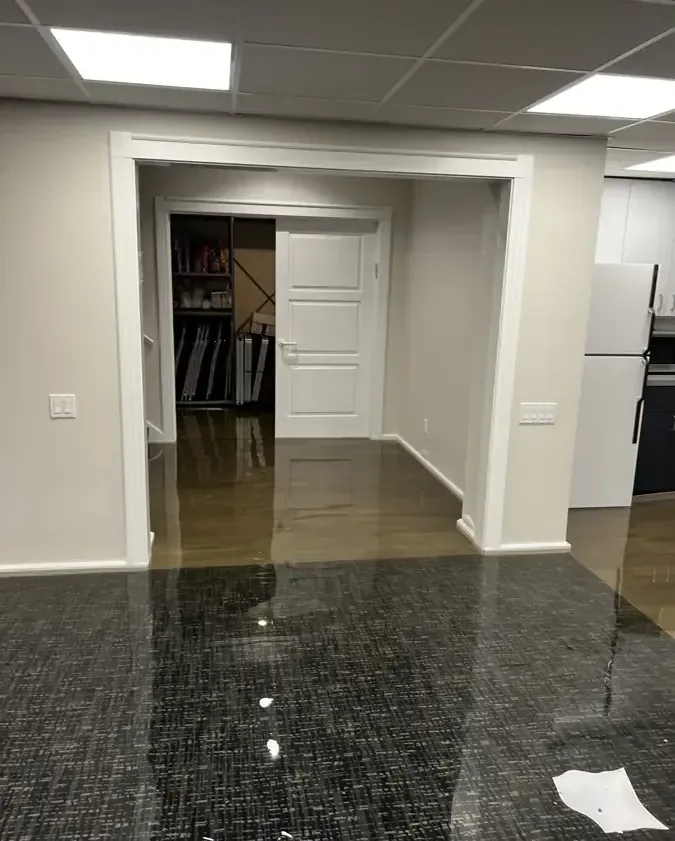
The stairs may be the only visible part of a flooded basement that remains dry. Before descending, an Arlington homeowner should consider electrical equipment, changing depth, and the condition of the room below. Mill Brook flows through town, and the town borders the Mystic River and Mystic Lakes. For an affected property, the useful investigation follows the actual water entry and the lower room's construction, keeping the removal decision connected to conditions inside and outside the building.
How basement water removal is handled
Evaluate entry and water conditions
The assessment considers lower access, electrical concerns, and conditions around the building. These observations inform removal planning and identify specialist attention needed before work proceeds in the flooded room or near equipment.
Remove water with controlled access
Accessible liquid is removed using methods suited to current conditions. Contents handling preserves dry circulation, while changes in depth or returning water are recorded so the approach remains appropriate to the source.
Inspect exposed perimeter assemblies
Cleared edges and wall bases are checked after obstructing items are handled. Inspection identifies retained wet materials and previously hidden routes connecting the flooded area with another room or a concealed building layer.
Prepare retained materials for repair
Drying addresses suitable components remaining in the lower room. The handoff describes source work, material decisions, and access concerns before replacement finishes or stored belongings return to the areas affected by water.
Assess the lower room before choosing a removal method
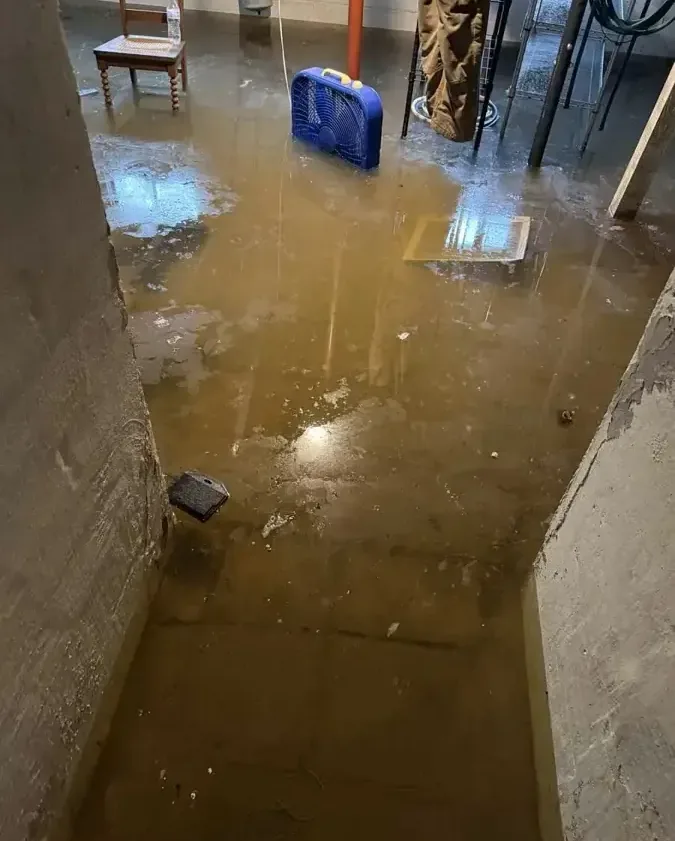
A basement can contain storage, finished space, equipment, or a combination of these uses. Each changes the handling plan. Standing water may conceal steps, debris, or damaged flooring, while equipment can make entry unsafe. The removal assessment should establish source conditions and the changing water level before pumping is arranged, especially where outdoor water remains around the building or continues entering the lower room.
- The stair route should stay clear so inspection equipment can reach the room without obstructing movement.
- Wet electrical equipment requires appropriate attention before residents or cleanup workers use the affected area.
- Storage stacked against walls may conceal water and prevent inspection of lower finishes or foundation edges.
- Finished partitions need checking at their bases when water has crossed the room or pooled behind contents.
- The report should identify whether water is still entering and where the apparent entry point is visible.
- Outdoor water conditions can affect removal planning and should be described before the pumping approach is selected.
Near Hills Pond, as in other town locations, a useful first record focuses on the doorway, opening, or plumbing involved. The actual entry path determines which source work accompanies the interior cleanup.
Water still spreading?
Water at the bottom of the stairs needs a careful access and removal assessment. Describe the apparent source, changing depth, and storage or equipment in the room so the cleanup plan accounts for the whole lower-level space.
(888) 629-3140Describe the flooded basement conditionsSeparate stored belongings from the building recovery
Boxes, furniture, and household equipment need item-specific decisions based on material and exposure. Moving everything upstairs can carry moisture or contamination into usable rooms. A suitable handling route and dry holding area should be established first. Once access improves, the inspection can reach wall bases and floor edges that were previously hidden behind stored contents, adding those observations to the cleanup scope.
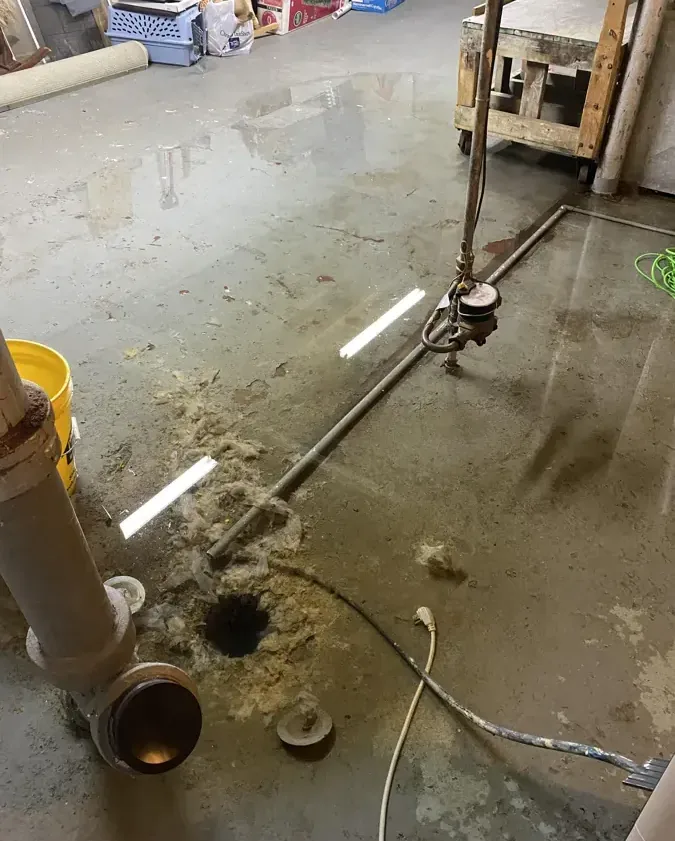
Where outside water carried debris indoors, storm and flood cleanup addresses cleaning and affected porous finishes. If the source involves a backed-up drain, sewage cleanup requires a contamination-focused approach. The basement's position beneath the living area does not replace the need to identify the water condition and evaluate the surfaces it reached.
- Photographs should show both the initial water and storage obscuring the perimeter surfaces.
- Removal of unsuitable wall or floor finishes may be needed to expose retained wet layers.
- Source repairs and material recovery should be described as separate parts of the work.
Keep the work area safe
The response team checks electricity, unstable surfaces and water contamination before opening wet materials. Household members keep children and pets away from affected rooms. A qualified electrician handles wet circuits. The cleanup crew sets containment when dirty water or debris could reach occupied space, then establishes a safe route for equipment and removed material.
Use the cleared room to inspect the full perimeter
After accessible water and obstructing materials are removed, the assessment should return to the room edges. Damp partitions, concealed seams, and lower storage areas may need attention beyond the central floor. Retained components receive an appropriate drying plan, with the record identifying affected materials and any continuing source issue before finish repairs or ordinary storage arrangements resume.
Prepare a lower-level repair sequence
The homeowner should receive a clear account of entry conditions, removed contents or finishes, and the materials remaining for repair. New floor covering or wallboard belongs after the relevant assembly has been assessed. Any exterior or plumbing work still affecting the room should be coordinated before replacement materials are brought into the space.
First decisions for basement water removal
Observe from a dry position
Residents should avoid descending into standing water when electrical equipment, depth, or footing is uncertain. The initial account can describe the visible stair area and whether water appears to be rising without entering the affected lower room.
Report continuing water entry
The cleanup contact needs to know whether the source appears to be plumbing, a drain, or an exterior opening. Changing outdoor conditions and returning water should be included so removal planning reflects the situation around the actual building.
Keep the stair route available
Dry access should remain clear of boxes and furniture. Contents movement from the flooded room needs a handling plan, especially where wet or contaminated items would otherwise pass through occupied living areas on their way to storage.
Identify hidden perimeter areas
A homeowner can describe storage or finished partitions that obscure the room edges. Those areas need inspection once safe access is established, helping the cleanup account for moisture concealed behind belongings rather than only the open central floor.
What does basement water removal cost in Arlington, MA?
Basement cleanup planning in Arlington ranges from $1,000 to $7,500+. Water condition, finished materials, contents handling, and access shape the estimate. Source repairs and replacement finishes should be clearly separated from removal and drying work.
Unfinished accessible area
$1,000 to $2,500
- Open lower floor
- Reachable perimeter surfaces
- Limited contents handling
Finished lower room
$2,500 to $4,800
- Wet floor coverings
- Affected partition bases
- Expanded drying scope
Extensive or dirty-water loss
$4,800 to $7,500+
- Contaminated porous materials
- Complex storage removal
- Broader cleaning access
Category of water, square footage, material class and drying delay shape the scope. water damage cost calculator gives an estimate only.
Basement water removal across Arlington
Lower-level assessments serve properties throughout town, including homes near Mill Brook and Hills Pond. Reports should explain stair access, water depth changes, stored belongings, and the apparent route by which water entered the basement.
The same service nearby: basement water removal in Belmont, Winchester, Cambridge.
Related water damage services in Arlington
Basement Water Removal questions in Arlington, MA
Should water be pumped out as quickly as possible?
Removal needs assessment of source conditions, the building, and the water around it. A flooded lower room may require a controlled approach rather than an improvised pump setup. The initial inspection should consider changing depth, exterior conditions, electrical hazards, and safe access before selecting how the water will be removed.
Can residents carry wet boxes into the living room?
Wet contents should have a handling plan and a suitable holding area. Moving them through occupied rooms can spread water or contamination and may leave hidden damage against the basement wall unexamined. Material and exposure determine whether an item can be retained, cleaned, or needs a disposal decision.
Why inspect the perimeter after the floor is cleared?
Storage and finishes can conceal moisture at wall bases and floor edges. Once the open floor is clear, those locations may become reachable for the first time. A perimeter inspection helps define the retained wet assembly and any source route that was hidden behind belongings during the initial response.
Does an unfinished basement still need drying?
Exposed construction can retain moisture even without decorative finishes. Timber, wall components, and stored contents need assessment according to their actual condition. Water removal addresses accessible liquid, while drying decisions concern the materials remaining in the room and whether moisture has reached connected building layers or spaces.
How does drain backup change the cleanup?
Wastewater requires access restrictions and contamination-specific handling. Porous finishes and belongings may need removal, while reachable surfaces require cleaning before retained materials are dried. The source should be identified before ordinary household cleanup or fan use is considered in the affected basement or its connected rooms.
When can storage and finishes return?
The room should be reviewed for source control, cleaning, retained material condition, and any remaining repair access. Returning boxes too early can obstruct observations or cover wet surfaces. The handoff should explain which areas are ready and which still need work before normal storage or finish installation resumes.
Discuss safe lower room access
Keep the dry stair route clear while water entry and the affected perimeter materials are assessed.
(888) 629-3140Arrange basement recovery planning