Storm and Flood Cleanup in Arlington
Mud at a threshold tells part of the story after outdoor water enters a home. The recovery plan must also account for concealed deposits, affected contents, and water held inside floor assemblies.
(888) 629-3140Discuss storm water entry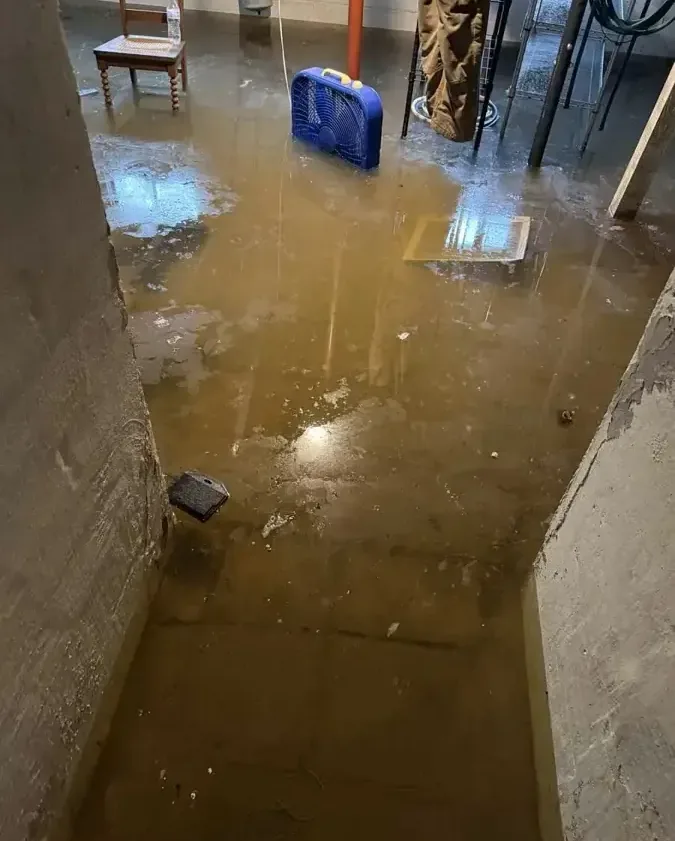
The useful starting point after a storm is the place where outdoor water crossed into the building. Arlington includes Mill Brook and Spy Pond and borders Alewife Brook, but the cleanup plan belongs to the affected property. A doorway, a lower opening, or another entry route can lead water into very different materials. The first assessment records that route and the dirt, debris, or damaged finishes left along it before deciding how the interior can be recovered.
How storm and flood cleanup is handled
Inspect entry and deposits
The initial survey traces visible water routes and records debris, affected finishes, and access hazards. This establishes the practical cleanup boundary and identifies areas needing closer inspection once standing water or obstructing contents are removed.
Collect water and debris
Removal work addresses accessible liquid and deposited material using a plan suited to the exposure. Unsuitable porous finishes are assessed for removal so the underlying surfaces can be reached for cleaning and further condition checks.
Clean exposed assemblies
Floor edges, joints, and other reachable surfaces are cleaned after the affected barriers are removed. The inspection records any area that remains inaccessible and explains whether additional opening is needed before drying work can be arranged.
Measure the retained base
Suitable materials receive drying and repeat observations before reconstruction. Source repair status and the condition of exposed layers are included in the handoff so finish installation follows the actual recovery of the affected interior assembly.
Read the entry trail before disturbing the room
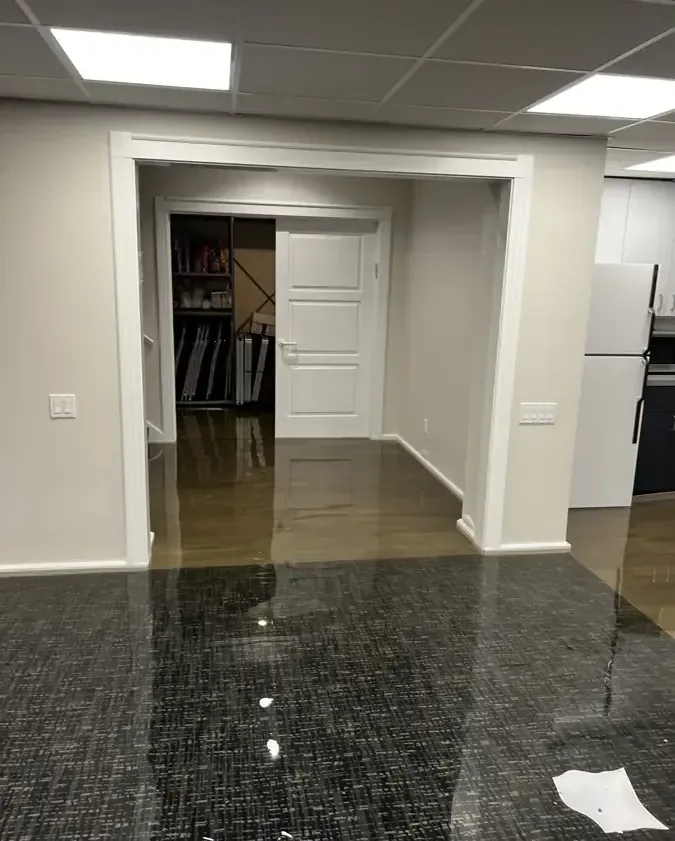
A visible deposit may mark where the water slowed down, while a wet seam shows where it continued beneath a finish. Photographs of these conditions help connect the exterior opening to the indoor damage. Residents should remain outside unsafe water and avoid shifting soaked belongings through dry areas. Electrical equipment and unstable materials can make a seemingly shallow flooded room unsuitable for ordinary household access.
- Thresholds should be photographed before debris is cleared from the apparent entry point.
- Floor coverings need inspection underneath when dirty water has traveled across their exposed edges.
- Storage containers may trap water against walls even after the open floor looks clear.
- Wet insulation and lower wall finishes require decisions about removal and access for cleaning.
- Belongings should be grouped by material and exposure before any salvage or disposal decision is made.
- Changing water levels need attention before removal equipment is selected or the working area is established.
Near Spy Pond Park, the same practical account begins with the building opening and the affected room. The exterior setting helps describe location; cleanup follows the observed interior route.
Water still spreading?
A storm entry trail can explain which rooms and building layers need attention. Describe the opening, deposited debris, and any water still entering so the assessment can organize removal, cleaning, and subsequent drying.
(888) 629-3140Describe the storm entry pointRemove deposits as well as visible water
Outdoor water can leave sediment in joints, under flooring, and behind trim. Pumping or extraction removes accessible liquid, while cleaning addresses what remains on reachable surfaces. Porous finishes may need removal when they retain contamination or prevent access. The estimate should identify these tasks individually so the homeowner understands why a room can need substantial work after the puddles have disappeared.
Where the affected space is below the main living area, basement water removal includes access and pumping considerations specific to that lower room. A separate exterior repair assessment may be needed to address the entry route. Interior restoration should record that unresolved source work so the repaired finishes are not scheduled while water continues to enter through the same opening.
- Cleaning methods should match the exposed surface and the condition of deposited material.
- Dry contents need a separate storage position from items awaiting an exposure assessment.
- Retained timber and subfloor layers require measurements after cleaning and removal work is complete.
Keep the work area safe
The response team checks electricity, unstable surfaces and water contamination before opening wet materials. Household members keep children and pets away from affected rooms. A qualified electrician handles wet circuits. The cleanup crew sets containment when dirty water or debris could reach occupied space, then establishes a safe route for equipment and removed material.
Rebuild from an exposed and assessed base
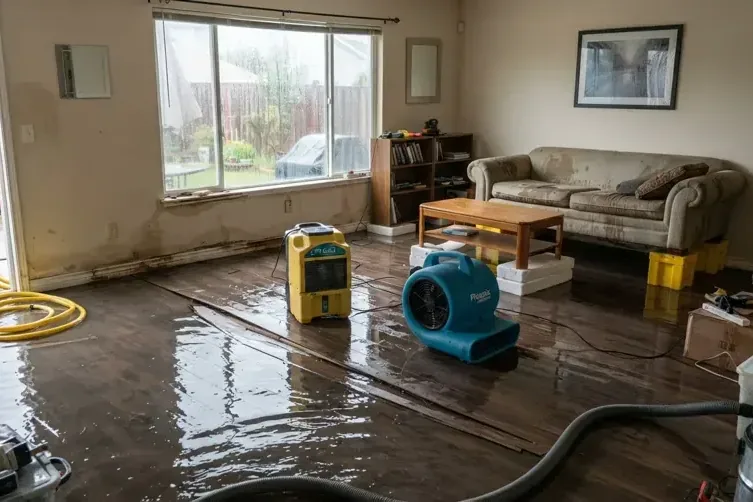
Once contaminated or damaged barriers are removed, the remaining assembly can be evaluated for drying. Dehumidification and material drying support that stage, with readings tied to specific locations. The repair handoff should describe the entry route, cleaning work, removed finishes, and retained materials. This gives the next trade a useful record of the room beneath its eventual new surface.
Separate cleanup records from exterior repair decisions
A homeowner may need different specialists for the entry opening and the damaged interior. Keeping photographs and task descriptions together helps coordinate those responsibilities. Any estimate should explain which work restores the wet room and which work addresses future entry through the damaged or vulnerable part of the building envelope.
First decisions for storm and flood cleanup
Remain outside unsafe floodwater
A flooded room may contain electrical hazards, debris, or unstable finishes. Residents should describe conditions from a safe location and avoid walking into water to collect belongings or search for the exterior entry opening.
Record the apparent entrance
A photograph from dry ground can show a wet threshold or visible debris trail. The initial account should also note whether water is still entering, since changing conditions affect the removal and access decisions.
Keep soaked contents separate
Belongings exposed to outdoor water should not be placed among dry household items. Their material and contamination need assessment before handling, cleaning, or disposal is planned for the affected room and adjoining usable spaces.
Arrange source and interior assessment
The building opening may need attention from a separate repair trade. Cleanup planning should connect that exterior issue with the interior damage and identify any continuing entry that prevents a stable drying arrangement from being established.
What does storm and flood cleanup cost in Arlington, MA?
Arlington storm cleanup planning ranges from $2,500 to $12,000+. Interior flooding extent, debris, porous material loss, and drying access drive the scope. Exterior entry repairs and replacement finishes should be priced separately from the cleanup tasks.
Limited entry area
$2,500 to $4,500
- Localized water entry
- Accessible deposited debris
- Focused surface cleaning
Finished lower rooms
$4,500 to $8,000
- Wet interior finishes
- Concealed floor deposits
- Expanded material removal
Extensive interior flooding
$8,000 to $12,000+
- Several flooded spaces
- Complex contents separation
- Broader assembly drying
Category of water, square footage, material class and drying delay shape the scope. water damage cost calculator gives an estimate only.
Storm and flood cleanup across Arlington
Storm cleanup assessments serve properties around Mill Brook and other town locations. A useful report identifies the building entrance reached by water, the affected floor level, and any continuing inflow or visible debris inside.
The same service nearby: storm and flood cleanup in Belmont, Winchester, Cambridge.
Related water damage services in Arlington
Storm and Flood Cleanup questions in Arlington, MA
Does a nearby waterway determine the cleanup plan?
The plan depends on what happened at the property: the entry opening, water condition, affected materials, and safe access. A waterway helps describe the surrounding location. The inspection still needs to follow the actual path indoors and document the surfaces reached before removal and cleaning decisions are made.
Can outdoor water be treated like a supply spill?
Outdoor water may carry dirt and other contaminants into the building. That exposure changes decisions about porous finishes, contents, and cleaning. The assessment should identify the condition of the incoming water and deposited material before applying a drying approach intended for a controlled indoor plumbing escape.
Why remove flooring after the visible water is gone?
Water and debris can remain beneath a floor finish or inside absorbent layers. Selective removal may be necessary to clean the base and reach retained materials. The reason should be explained in the scope, with photographs showing the affected assembly before finishes are discarded or further work begins.
Who repairs the opening where water entered?
The appropriate building repair trade addresses the exterior defect or damaged opening. Interior cleanup handles the water, deposits, and affected materials inside. The homeowner should receive clear descriptions of each responsibility so the repair schedule accounts for source work before new interior finishes are installed.
Should all wet contents be discarded immediately?
Contents decisions depend on material, exposure, and whether cleaning can reach the affected surfaces. A documented assessment helps separate recoverable items from unsuitable porous belongings. Residents should avoid moving contaminated objects into dry rooms while that decision is pending and preserve safe photographs for the damage record.
What indicates that reconstruction can be planned?
The entry problem, cleaning scope, retained material condition, and remaining moisture need assessment together. Drying observations should show what was assessed beneath the removed finishes. The repair handoff should also identify any unresolved exterior work or access concern that could affect the replacement materials or the room's return to use.
Discuss flooded room recovery
Keep the route to dry living areas clear while affected contents and materials await assessment.
(888) 629-3140Plan the interior flood assessment