Storm and Flood Cleanup in Cambridge
Rainwater crossing a doorway brings a different problem from a contained indoor spill. Cleanup needs to account for the entry route, carried debris and the building layers reached below the water mark.
(888) 629-3140Discuss stormwater entry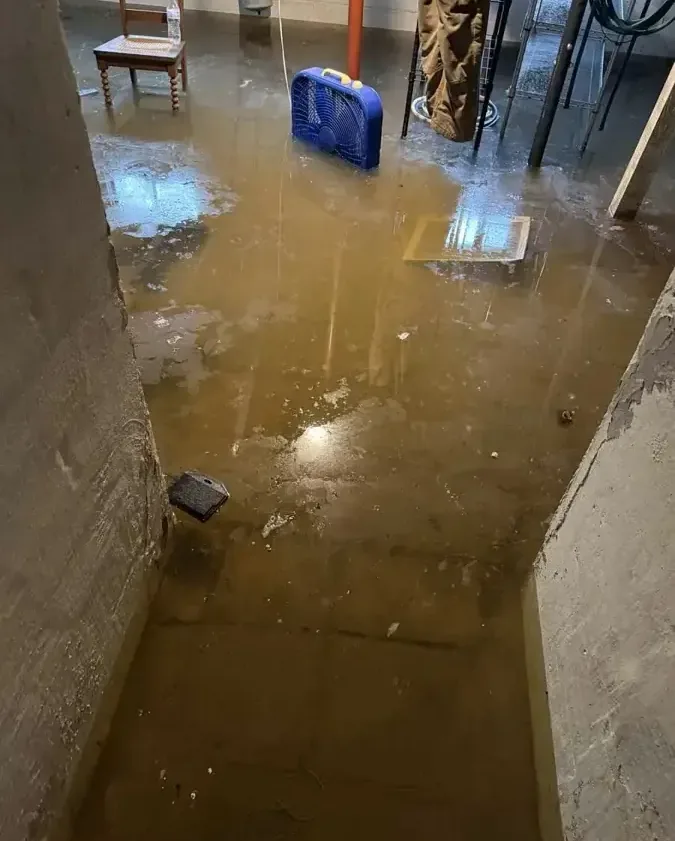
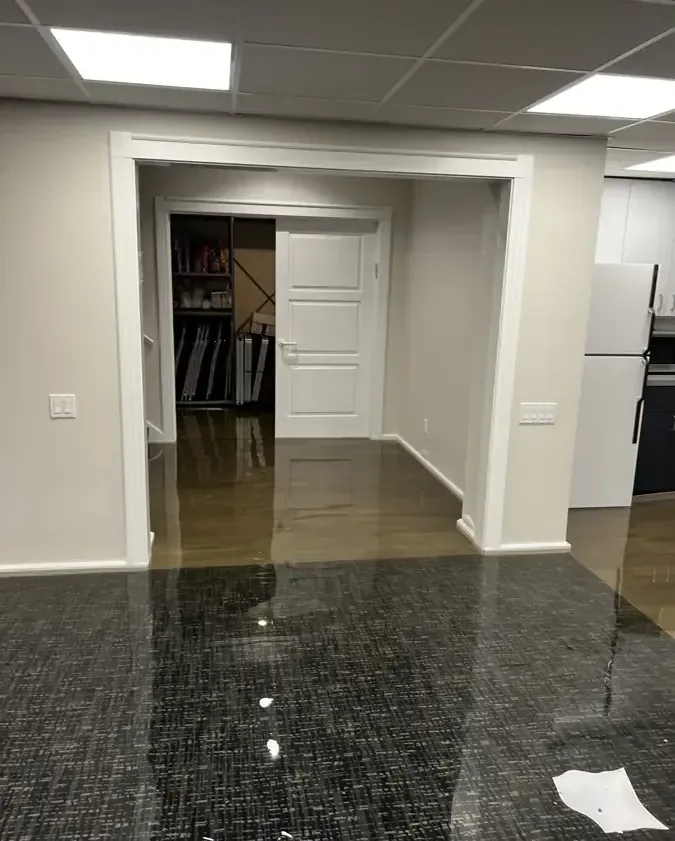
The water mark on a wall records only part of a flood's path. Outdoor water can carry debris through a doorway, collect under furnishings and soak materials below the visible mark. Cambridge storm drains discharge to the Charles River or Alewife Brook, and the city lies within the Charles River and Mystic River watersheds. Inside a building, the useful starting question is how the water actually entered and whether that route remains active.
How storm and flood cleanup is handled
Assess entry and indoor spread
The inspection links visible outdoor entry with the rooms, layers and contents affected inside. It notes additional drain involvement and establishes a work boundary suited to the actual water condition.
Remove water and deposited debris
Recovery clears standing water and settled material from accessible areas. Contents and finishes are handled according to contamination and damage, with routes arranged to protect unaffected portions of the building.
Clean and expose retained surfaces
Cleaning decisions follow the materials found beneath the water mark. Selective removal provides access to wet cavities where finishes prevent treatment or conceal absorbent layers that cannot appropriately remain in place.
Track drying and remaining repairs
Monitoring follows the retained assembly through drying. The closing record identifies completed interior work, replacement needs and unresolved entry repairs so the property owner can organize the next construction tasks.
Begin with the entry route and water condition
A doorway, lower opening and backed-up drain need different investigations. The city identifies paved surfaces and rooftops as contributors to rapid runoff and nuisance flooding. Record the observed route before debris is cleared or temporary protection changes the scene. Interior removal can then be coordinated with measures that reduce further entry, while any continuing outdoor hazard remains outside the cleanup work area.
- Keep occupants away from flooded areas with electrical equipment or visibly unstable building materials.
- Record sediment and debris patterns that show where water crossed into the room.
- Separate clean belongings from contents that contacted outdoor water before moving either group.
- Check low cabinets, thresholds and wall bases for absorbed water beyond the obvious puddle.
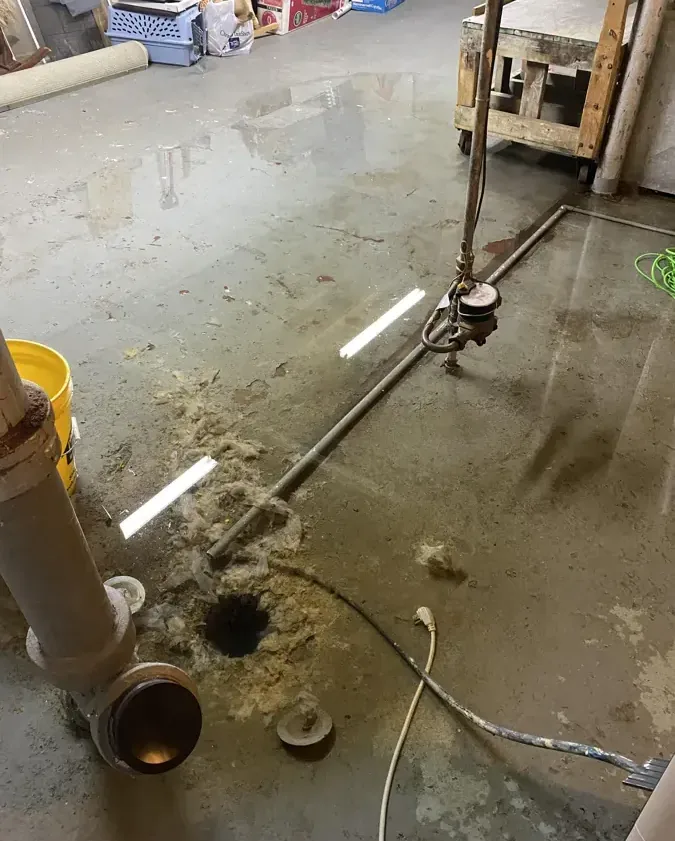
- Identify drains that overflowed during the event so plumbing investigation can accompany the exterior entry assessment where more than one source contributed to the loss.
The source description shapes material handling. A drying setup should follow suitable water recovery and cleaning, rather than treating stormwater as an ordinary spill that only needs airflow.
Water still spreading?
Outdoor water inside a room calls for more than clearing the puddle. Describe the entry point, deposited debris and affected finishes so the assessment can connect safe removal, cleaning and material drying with the repairs needed to reduce renewed entry.
(888) 629-3140Assess the storm entry pathPut neighborhood drainage into property context
A May 2022 city report described underground stormwater storage serving neighborhoods including The Port, Agassiz and Mid-Cambridge. It also listed Danehy Park among storage locations. Those projects belong to the wider drainage picture. A restoration inspection still follows the affected property's entry points, interior levels and finishes to decide where water removal, cleaning and selective material access are necessary.
Below-grade rooms often need a distinct access and pumping assessment. Basement water removal covers that stage. If a drain contributed wastewater, sewage backup cleanup adds the contamination and plumbing coordination that such a source requires. The written scope should distinguish those tasks when the indoor loss involves more than an exterior puddle.
- Photograph exterior entry clues only when the approach is safe and accessible.
- List affected porous finishes separately from exposed hard surfaces suitable for cleaning.
- Preserve a record of contents disposal and the condition that prompted each decision.
Keep the work area safe
The response team checks electricity, unstable surfaces and water contamination before opening wet materials. Household members keep children and pets away from affected rooms. A qualified electrician handles wet circuits. The cleanup crew sets containment when dirty water or debris could reach occupied space, then establishes a safe route for equipment and removed material.
Dry retained materials after the dirty work
Once water and debris are removed, the remaining assembly can be assessed more clearly. Wet insulation, floor underlay and low wall sections may prevent adequate access or cleaning. Decisions about retention should reflect both contamination and physical damage. Equipment placement then targets materials that can remain, with moisture readings tracking progress at boundaries where water collected or passed into adjoining rooms.
Plan for the next rainfall as well
The interior handoff should identify unresolved entry repairs and remaining exterior work. That list is separate from documentation of completed cleaning and drying. Keeping both visible helps the owner schedule repairs in a useful order, especially when interior finishes would otherwise be replaced before the route that admitted water has been addressed.
First decisions for storm and flood cleanup
Wait for a safe approach
Do not enter moving water or a flooded room with electrical concerns. Describe the affected level from a safe location and identify any occupants who need to avoid the wet access route.
Record how water entered
Note the opening, drain or threshold where entry was observed. Safe photographs taken before cleanup can preserve sediment patterns and water marks that help explain the event during the repair assessment.
Keep dirty contents separate
Avoid spreading wet boxes, rugs or furniture into clean rooms. A planned removal route allows affected belongings to be documented and evaluated without carrying exterior debris through the rest of the building.
Coordinate temporary protection
Explain whether water is still entering and which protective measures are already in place. Cleanup and entry control should work together so another period of rain does not immediately rewet exposed interior materials.
What does storm and flood cleanup cost in Cambridge, MA?
Cambridge storm cleanup planning ranges vary with entry depth, debris, contaminated finishes and the number of affected spaces. Interior restoration and exterior repairs may involve separate scopes. An assessment identifies which removal, cleaning and drying tasks belong to the loss.
Limited entry area
$2,500 to $4,500
- Localized debris handling
- Accessible surface treatment
- Focused material drying
Finished lower rooms
$4,500 to $8,000
- Porous finish evaluation
- Concealed layer inspection
- Contents removal coordination
Extensive interior flooding
$8,000 to $12,000+
- Multiple wet spaces
- Broader contamination control
- Complex repair handoff
Category of water, square footage, material class and drying delay shape the scope. water damage cost calculator gives an estimate only.
Storm and flood cleanup across Cambridge
Storm loss assessments serve Cambridge properties around The Port, Agassiz and Danehy Park. Share the observed entry route and affected level so indoor removal and material evaluation can be coordinated with necessary building repairs.
The same service nearby: storm and flood cleanup in Belmont, Somerville, Arlington.
Related water damage services in Cambridge
Storm and Flood Cleanup questions in Cambridge, MA
Is rainwater inside a building always treated as clean?
Water that traveled across outdoor surfaces can carry contaminants and debris into the room. The entry path and contact with building materials influence handling decisions. Assessment should identify that route before equipment is positioned or porous finishes are selected for drying in place.
What if both a doorway and a drain overflowed?
Each source needs investigation. Exterior entry repairs and drain clearance can involve different work, while their water may have mixed indoors. Tell the assessor about both observations so the cleanup boundary and contamination decisions reflect the entire loss rather than only the most visible entry point.
Does neighborhood stormwater storage eliminate a property's risk?
Municipal storage is part of the broader drainage system. The building's openings, interior levels and observed water route still determine the response to an actual loss. A property assessment focuses on those conditions and records any entry repairs needed before interior finishes are rebuilt.
Should muddy carpet be dried where it lies?
Carpet, pad and the floor underneath require evaluation for contamination and physical damage. Drying alone cannot remove deposited dirt or address every affected layer. The work scope should explain which materials can remain, which require removal and how the exposed assembly will be cleaned afterward.
What photographs are useful after stormwater entry?
Wide room views, water marks, debris patterns and affected contents help establish the indoor extent. Exterior entry photographs are useful only when safely accessible. Keep those images with cleanup records and repair estimates so the water's route and the work performed remain easy to follow.
When should the exterior repair be finished?
Temporary protection and permanent repair timing depend on the entry condition and the responsible trade. They should be coordinated with interior drying and reconstruction. The handoff needs to identify unresolved openings clearly, because replacement finishes remain vulnerable if another rainfall can enter through the same route.
Discuss flood-affected rooms
The source description helps set the right handling approach for belongings and building materials below the water mark.
(888) 629-3140Arrange storm loss assessment