Storm and Flood Cleanup in Somerville
Rainwater inside a room can bring debris and leave concealed materials wet after the weather clears. Cleanup needs an entry assessment, controlled removal and a plan for the surfaces below the water mark.
(888) 629-3140Discuss storm water indoors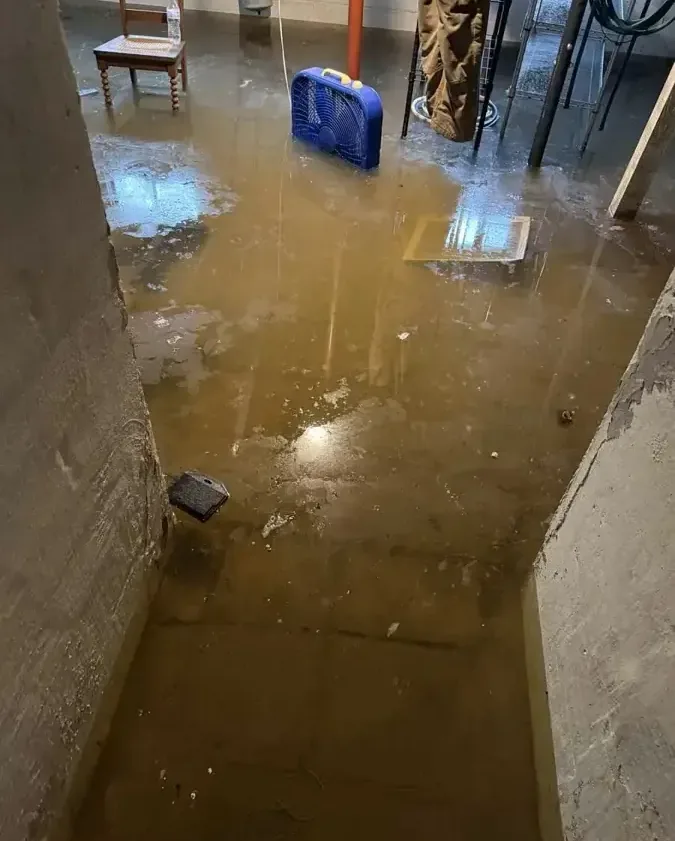
Somerville warns that leaves and trash clogging storm drains can cause street flooding. Catch basin cleaning is a municipal water and sewer service, while the interior of a flooded property needs its own assessment. The cleanup starts with the route water used to reach the building, the condition of that water and the rooms it entered. A water mark shows part of the event; moisture beneath a covering or inside a wall base may extend beyond the visible boundary after rainfall has stopped.
How storm and flood cleanup is handled
Inspect entry and water condition
The assessment records the apparent route, water spread and carried debris. Occupancy, electrical exposure and usable access help define the work boundary before the interior removal and cleaning sequence is selected.
Recover water and separate contents
Accessible water is removed while contents are sorted by contact and material condition. Unsuitable layers are identified for removal so sediment and moisture are not left concealed beneath coverings or against structural surfaces.
Clean the exposed wet assembly
Remaining hard surfaces and accessible structural materials are addressed after bulk water and debris removal. The cleaning scope follows actual contact, including recessed areas and edges that were hidden during the initial inspection.
Dry and check outstanding repairs
Equipment manages moisture remaining in materials that can stay. Rechecks support the completion discussion, while unresolved entry repairs and replacement finishes are recorded separately from the cleanup work completed inside the affected rooms.
Record the entry before changing the room
Photographs of thresholds, stair openings and visible sediment help explain the loss. The Mystic River forms a northern physical boundary of the city, and Alewife Brook forms a western boundary. For an individual property, the inspection follows the actual water path at the building. Doorway entry, drainage behavior and overhead leakage call for different repairs even when they occur during the same period of rain.
- Keep access restricted where standing water conceals the floor or reaches electrical equipment.
- Record any active entry from a doorway, wall joint or drain before cleanup alters the scene.
- Identify mud or debris on furnishings and along the lowest exposed part of each wall.
- Set aside photographs of storage areas to support decisions about affected contents and disposal.
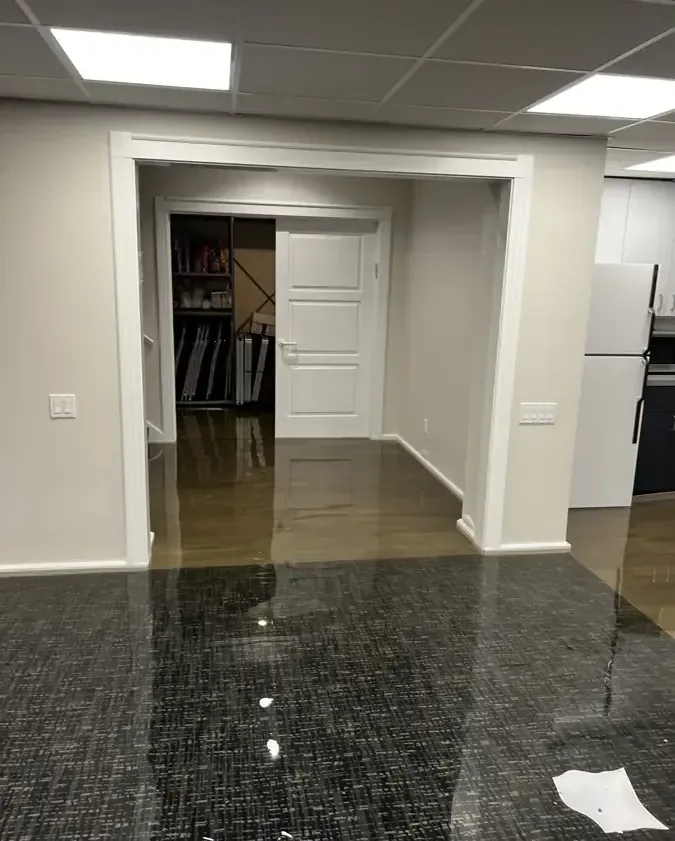
- Check adjoining rooms where a continuous covering may hide water moving beneath the finished surface.
- Arrange attention to the entry problem so interior drying is not repeatedly interrupted by renewed water.
Water still spreading?
Storm water can leave a room wet beneath its visible surfaces. Describe the entry route, any mud or debris and whether water continues returning so removal, cleaning and drying can be planned around the actual loss.
(888) 629-3140Check the storm affected roomsSeparate contaminated layers from the structure to be dried
Storm water can carry material from outside into the room. That makes its contact path important when deciding what can be cleaned and what must be removed. Sediment beneath a covering needs access, and absorbent contents require individual handling decisions. Extraction alone can leave residues behind, so the cleanup sequence should explain how the exposed surfaces will be cleaned before managed drying begins.
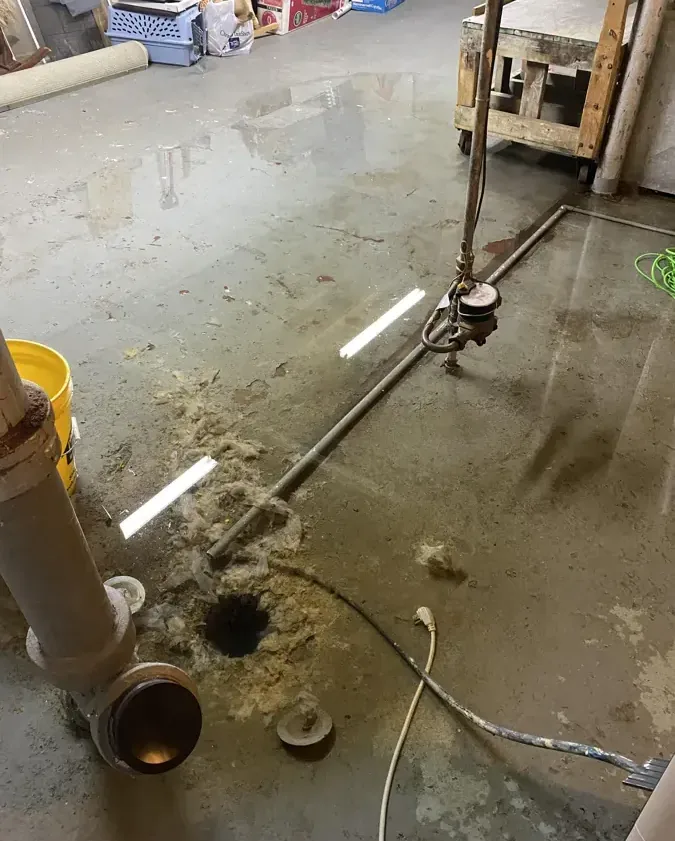
Most of the city is served by combined sewers conveying both wastewater and stormwater. If a drain contributes to an indoor loss, the assessment should include the character of the water and the plumbing route. Sewage backup cleanup addresses contamination handling when wastewater is involved. Basement water removal covers the lower room access and material concerns that often accompany collected water.
- Inspect contact beneath furniture and storage rather than stopping at the open floor.
- Remove unsuitable absorbent layers before expecting equipment to dry the remaining structure effectively.
- Document the exposed materials so the cleaning and subsequent drying stages remain understandable.
Keep the work area safe
The response team checks electricity, unstable surfaces and water contamination before opening wet materials. Household members keep children and pets away from affected rooms. A qualified electrician handles wet circuits. The cleanup crew sets containment when dirty water or debris could reach occupied space, then establishes a safe route for equipment and removed material.
Plan the return to use around completed work
Gilman Square is at the junction of Medford Street, Pearl Street and Marshall Street. An occupied property in that area needs a workable entrance and a dry route around any affected interior. Equipment, discarded materials and clean belongings should have distinct locations. The work plan also needs to distinguish interior restoration from drainage or building repairs intended to reduce another entry.
Check more than the cleared floor
When open water and mud have been removed, revisit the original water path and the layers below it. Retain records of material removal, cleaning and moisture checks. The final discussion should make clear whether the room is awaiting further drying, reconstruction or correction of an entry route before ordinary use can resume.
First decisions for storm and flood cleanup
Wait for safe interior access
A flooded room may conceal hazards beneath the surface. Keep the affected area unused until electrical conditions, floor stability and a safe route have been considered before belongings or equipment are moved inside.
Capture the entry pattern
Photograph visible water routes from a safe position, including marks at doors and walls. Note whether water entered with rainfall, through a drain or from above so the source investigation has useful context.
Keep dirty contents contained
Leave soaked storage and muddy furnishings within the affected boundary for assessment. Moving them across a clean floor can spread residues and make the cleanup larger than the area originally reached by water.
Arrange correction of renewed entry
Describe any continuing seepage or water that returns after removal. Interior work needs coordination with the appropriate drainage or building repair so drying can proceed without another release into the treated area.
What does storm and flood cleanup cost in Somerville, MA?
Somerville storm cleanup pricing depends on interior water spread, contamination, damaged finishes and access for debris removal. These planning ranges describe increasingly involved losses; correction of exterior entry routes and rebuilding can add separate work to the project.
Limited entry area
$2,500 to $4,500
- Focused surface cleanup
- Localized wet contents
- Accessible drying area
Finished lower rooms
$4,500 to $8,000
- Wet absorbent layers
- Sediment beneath finishes
- Broader material assessment
Extensive interior flooding
$8,000 to $12,000+
- Several affected rooms
- More disposal handling
- Complex drying access
Category of water, square footage, material class and drying delay shape the scope. water damage cost calculator gives an estimate only.
Storm and flood cleanup across Somerville
Storm intrusion assessments address homes and business interiors throughout the city. The visible entry route, affected floor and contamination contact determine the cleanup approach, with separate coordination for drainage or building repairs that remain necessary.
The same service nearby: storm and flood cleanup in Belmont, Cambridge, Arlington.
Related water damage services in Somerville
Storm and Flood Cleanup questions in Somerville, MA
Is rainwater inside a building treated like a supply leak?
The assessment considers where the water traveled and what it carried before entering the room. Runoff can bring debris and contamination into contact with floors and contents. That contact influences cleaning and removal decisions, so the cleanup should be based on the actual entry route and condition of the affected materials.
Should a floor covering stay down after muddy water recedes?
A covering can conceal sediment and moisture even when its upper surface appears cleaner. The inspection needs to consider the underside, adjacent trim and the material below it. Lifting or removal may be required where residues cannot be reached or where an unsuitable wet layer prevents cleaning of the structure.
What if water continues returning during the dry-out?
Renewed entry needs investigation because equipment cannot resolve an active building or drainage defect. Describe when the water returns and where it appears. The interior scope should be coordinated with source correction, and material readings should be checked again after the repeated inflow has been brought under control.
Does a river overflow record describe a particular property?
The building assessment follows its own entry points, observed water movement and affected materials. Photographs of doors, drains and wall joints help explain what occurred inside. The cleanup plan then addresses the actual contact path, with separate attention to any drainage or structural repair needed to prevent another entry.
Can dry belongings remain in adjoining rooms?
Unexposed belongings may remain where they can be protected from the work route and affected area. The plan should keep dirty material removal and clean storage separate. If a room must serve as equipment access, relocating portable dry items can simplify work without mixing them with storm affected contents.
What marks the end of storm cleanup?
The completion check should cover water removal, cleaning, disposal and the remaining moisture condition of materials kept in place. It should also identify reconstruction and entry correction still outstanding. A cleared floor alone leaves those questions unresolved, especially when water reached concealed edges or absorbent layers below the visible surface.
Discuss rainwater entry
Keep photographs of the original water marks and affected contents available for the cleanup assessment.
(888) 629-3140Plan interior recovery after rainfall