Basement Water Removal in Somerville
A flooded basement brings water, utilities and stored belongings into the same work area. Removal needs a safe route downstairs and an assessment of the source, contamination and materials below the visible water mark.
(888) 629-3140Discuss the basement water conditions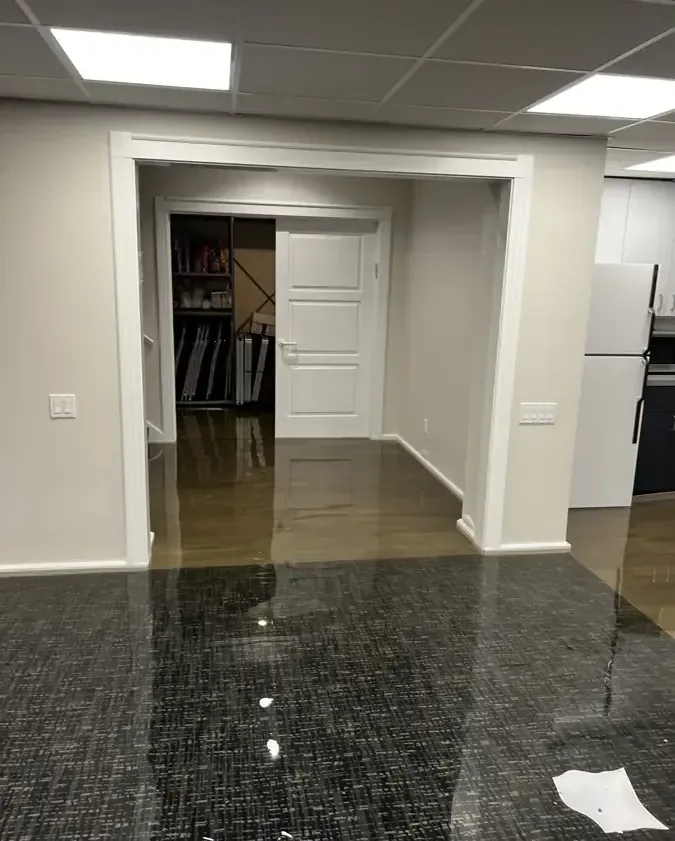
June 19, 2026: WHDH reported that a water main break near Union Square flooded a business basement. Lower rooms can receive water from different sources, so Somerville basement cleanup begins with the event at the actual property and the conditions inside. A drain backup, supply release or rainwater entry changes the cleanup sequence. The stairs, utilities and stored contents also affect safe access. Pumping clears visible water, while the walls, floor layers and belongings it reached still need assessment afterward.
How basement water removal is handled
Check source and lower room access
The assessment considers how water entered, whether it continues and which utilities or contents affect safe work. Entry routes and the contact boundary help define the removal sequence before equipment is placed downstairs.
Recover water and expose the floor
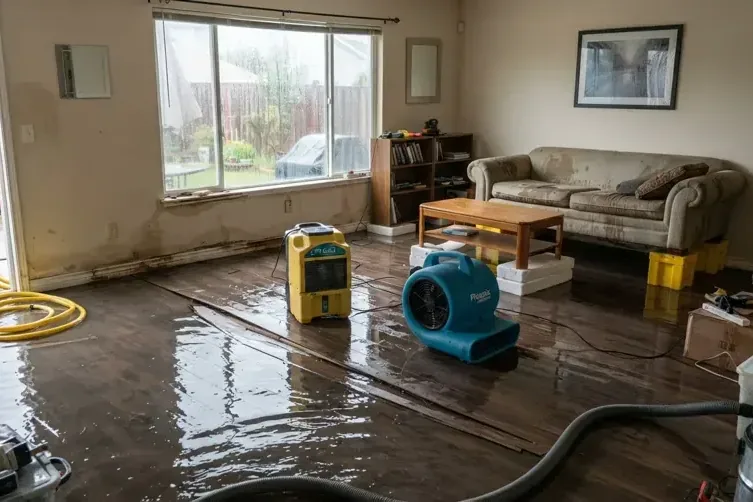
Accessible water is removed with attention to debris and contamination. Contents are handled through planned routes so the floor, wall bases and recesses can be inspected after the open water has been cleared.
Treat affected finishes and storage areas
Unsuitable materials are identified for removal, and exposed surfaces receive appropriate cleanup. Remaining floor and wall layers are evaluated for drying access, with separate decisions recorded for contents that contacted water at floor level.
Check retained materials and remaining entry
Repeat checks assess moisture left in the structure after removal and cleaning. The handover identifies source correction, drying observations and outstanding repairs before the room is restocked or replacement finishes conceal the surfaces again.
Make the lower room accessible for a proper inspection
Standing water can hide floor obstacles and contact equipment that normally sits safely in the basement. The occupant should describe these conditions without descending into an unsafe area. Once access is established, the inspection follows the room perimeter, storage contact points and any finished partitions. A puddle in an open section may connect with moisture beneath shelving or behind a covered wall base.
- Identify the stair or exterior entrance available for inspection and equipment movement.
- Report utilities or electrical components near the water without attempting to operate wet equipment.
- Record whether water enters continuously, returns during rain or rises through a drain.
- Photograph floor level belongings before handling changes their condition or original location.
- Check the bases of finished walls and the underside of contents resting in the affected area.
- Keep a dry staging area separate from wet storage and materials selected for removal from the room.
Water still spreading?
Basement water needs attention to the source, safe access and the materials hidden by storage. Describe the entrance, visible utilities and whether water continues returning so removal and drying can be planned around the actual lower room.
(888) 629-3140Discuss the flooded lower roomChoose the cleanup sequence from the source
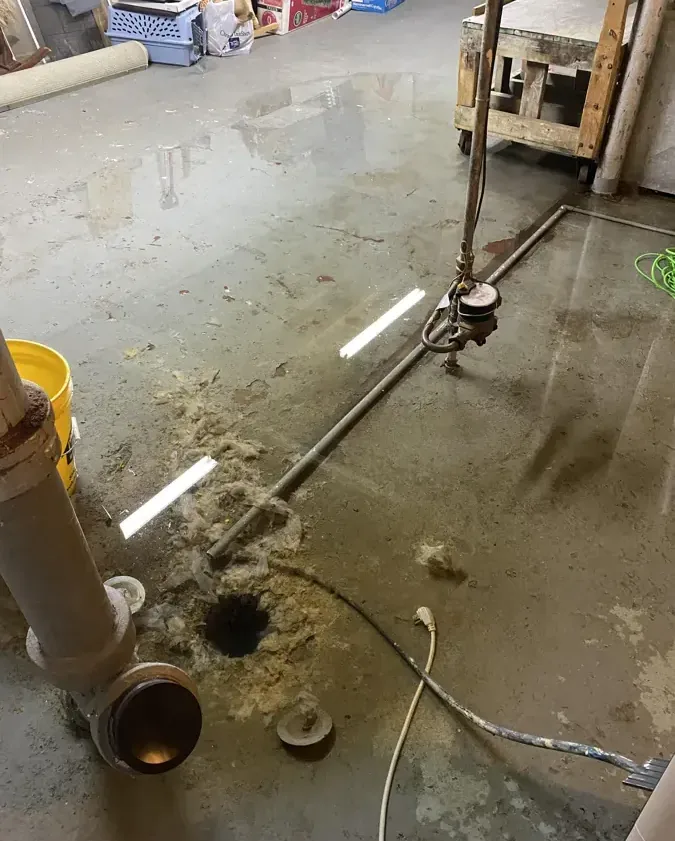
Most of the city uses combined sewers, and municipal warnings identify clogged storm drains as a cause of street flooding. The Mystic River forms a northern boundary and Alewife Brook a western boundary. Inside the property, the relevant question remains where the water entered and what it contacted. Sediment or wastewater changes cleaning and disposal decisions, while an active supply fault needs separate plumbing correction.
Sewage cleanup explains controlled handling when a drain backup contaminates the lower room. For a supply release, surrounding materials still need check after the pipe is repaired. Water removal should be followed by inspection of concealed floor edges, partitions and storage recesses. The scope can then distinguish suitable materials for drying from damaged or contaminated components that cannot remain.
- Inspect the exposed floor once water no longer obscures its condition or contact boundary.
- Clean residues before expecting equipment to manage moisture in the remaining structural materials.
- Check any recurring entry so another release does not undo work already completed below.
Keep the work area safe
The response team checks electricity, unstable surfaces and water contamination before opening wet materials. Household members keep children and pets away from affected rooms. A qualified electrician handles wet circuits. The cleanup crew sets containment when dirty water or debris could reach occupied space, then establishes a safe route for equipment and removed material.
Finish the room beyond the water mark
A lower room may contain both unfinished utility surfaces and finished living or working areas. Those materials need different treatment even when the same water reached them. Structural drying supports the retained assembly after removal and cleaning. Readings at wall bases, floor layers and accessible framing help determine what remains before belongings or finishes return.
Keep the storage decision separate from the building decision
A cleared floor does not decide whether a soaked carton, piece of furniture or electrical device can be used again. Contents need their own assessment and records. The final discussion should identify treated building materials, removed items and outstanding source or finish repairs so the owner can restore the room in an orderly sequence.
First decisions for basement water removal
Stay above unsafe water conditions
Avoid descending into a flooded lower room when electrical exposure, hidden obstacles or unstable footing remain uncertain. Describe the visible situation from the entrance and arrange assessment before attempting to retrieve belongings or operate equipment below.
Explain when the water arrives
Note whether the loss followed fixture use, a pipe failure or rainfall, and whether the water continues rising. That sequence helps direct the source investigation and identifies conditions that could affect removal or later drying.
Identify equipment and stored contents
Describe utilities, appliances and storage standing near the affected floor. Photographs from safe access can show the arrangement before removal begins and help distinguish dry belongings from items that contacted the original water spread inside.
Prepare a clean staging location
Keep a dry area available for equipment and unaffected portable items without moving soaked contents through it. A planned route for water removal and discarded materials helps keep the cleanup confined to the original affected space.
What does basement water removal cost in Somerville, MA?
Somerville basement cleanup pricing reflects safe access, water condition, wet contents and the extent of finished materials. These planning ranges cover increasing restoration needs; utility repairs, source correction and rebuilding should remain clearly identified within the overall scope.
Unfinished accessible area
$1,000 to $2,500
- Open floor removal
- Limited finish exposure
- Accessible perimeter checks
Finished lower room
$2,500 to $4,800
- Wet wall bases
- Layered flooring assessment
- Affected storage handling
Extensive or dirty-water loss
$4,800 to $7,500+
- Broader contamination contact
- More material disposal
- Complex drying access
Category of water, square footage, material class and drying delay shape the scope. water damage cost calculator gives an estimate only.
Basement water removal across Somerville
Lower room assessments include homes and business premises across the city. The actual basement layout, utilities, water source and stored contents determine safe access and the material treatment needed after the standing water is removed.
The same service nearby: basement water removal in Belmont, Cambridge, Arlington.
Related water damage services in Somerville
Basement Water Removal questions in Somerville, MA
Should a homeowner walk downstairs to inspect standing water?
A flooded basement can contain hidden obstacles and exposed electrical hazards. The initial description should come from a safe position when conditions are uncertain. Information about the entrance, visible utilities and water movement is useful without entering the room, and professional assessment can establish the access needed for removal and inspection.
Can the source be determined just because it rained?
The event timing helps direct investigation, but the property still needs an inspection of entry points and plumbing behavior. Water may arrive through a drain, building opening or a separate supply fault. The cleanup plan should follow the route and contact found inside the basement, with source correction arranged for the actual problem.
Does an unfinished floor need drying after pumping?
An exposed floor can retain moisture, and surrounding timber or wall materials may also have absorbed water. Pumping reveals the surfaces for closer assessment rather than completing every task. The remaining scope should identify materials that need drying and any residues requiring cleaning after the accessible standing water has been removed.
What happens to storage that sat on the wet floor?
Contents are assessed by material, contact and condition. Some items may be cleanable, while absorbent or damaged belongings may need disposal. Keep photographs and an inventory when practical, and avoid relocating soaked items into clean rooms before handling decisions are made so their retained water does not expand the affected area.
Why check wall bases above the original water level?
Absorbent materials can draw moisture beyond the visible contact mark, and concealed layers can remain wet after the exposed surface changes. The inspection should assess the affected assembly rather than use the water mark as an automatic cutoff. Limited opening may be needed where trim or coverings prevent useful examination of retained moisture.
What should be checked before the basement is restocked?
The room's remaining moisture, source repair status and any reconstruction need should be explained clearly. Contents decisions belong alongside that building check, especially for wet storage or equipment. Returning belongings too early can conceal untreated surfaces or obstruct access needed for further drying checks and completion of outstanding interior repairs afterward.
Check basement access and contents
Keep the stairs clear from a safe position and retain photographs of the original water and storage arrangement.
(888) 629-3140Plan the basement cleanup sequence