Structural Drying and Dehumidification in Somerville
After extraction, moisture can remain within framing, floor layers and wall cavities. Structural drying uses access, air movement and dehumidification together, with repeated material checks directing the work toward a documented finish.
(888) 629-3140Discuss the materials still wet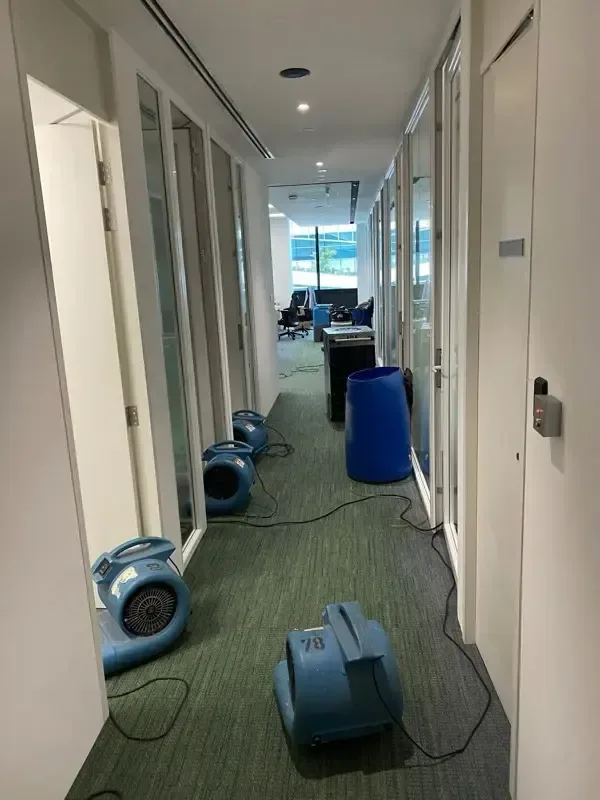
A room can lose its puddle long before its wall and floor assemblies finish drying. June 19, 2026: WHDH reported a water main break near Union Square that flooded a business basement. After a loss of that kind, the remaining question is what water reached beneath coverings and within wall bases. Somerville structural drying starts with those materials, using observations and readings to decide where equipment belongs and which concealed areas need access rather than treating an empty floor as the end of restoration.
How structural drying and dehumidification is handled
Establish the moisture map
The inspection identifies affected assemblies, accessible measurement points and conditions in suitable comparison areas. These observations define the drying needs and show where closed layers or unsuitable wet materials prevent useful treatment of the structure.
Arrange access and equipment
Air movement and dehumidification are selected around the materials remaining in place. Openings and equipment positions serve the wet assembly, while occupant access and temporary room restrictions are included in the practical work arrangement.
Check the response and adjust
Repeated observations track changes within the materials rather than relying on room appearance. Areas that respond slowly receive further check, and the equipment or access plan changes when the findings justify a different approach.
Document readiness for the next trade
The final check explains the condition of treated materials and identifies remaining repair tasks. Records of openings, measurements and equipment changes support the handover to reconstruction without treating finish replacement as part of completed drying.
Give each wet assembly a drying route
Air movement helps moisture leave an accessible surface, while dehumidification removes moisture from the surrounding air. An enclosed cavity may still need an opening before those processes can reach its wet layers effectively. Materials also differ in thickness, exposure and condition. The inspection should identify these differences so the drying arrangement serves the structure instead of simply filling the room with equipment.
- Record the affected materials and compare their condition with suitable unaffected areas when available.
- Identify coverings or insulation that obstruct useful inspection of retained moisture.
- Check where a wet wall connects with a floor or ceiling assembly.
- Keep the corrected source under check if readings or visible conditions suggest renewed water entry.
- Explain any opening needed to expose an assembly that remains wet despite an apparently dry room surface.
- Protect the equipment arrangement from casual changes that could interrupt the intended airflow or moisture removal.
Water still spreading?
Drying needs to reach the materials left wet inside the building. Describe the source repair, affected rooms and any concealed layers so the equipment and access discussion can focus on the assemblies that still require attention.
(888) 629-3140Check the remaining moistureRead progress from the material response
Davis Square has theaters, live music and nightlife, while Assembly Square is a large-scale retail area. Occupied interiors in these settings may need drying zones coordinated with business access. The equipment plan should account for movement through the property and explain which areas must remain undisturbed. That practical arrangement supports consistent drying and makes the temporary disruption easier for the building manager to organize.
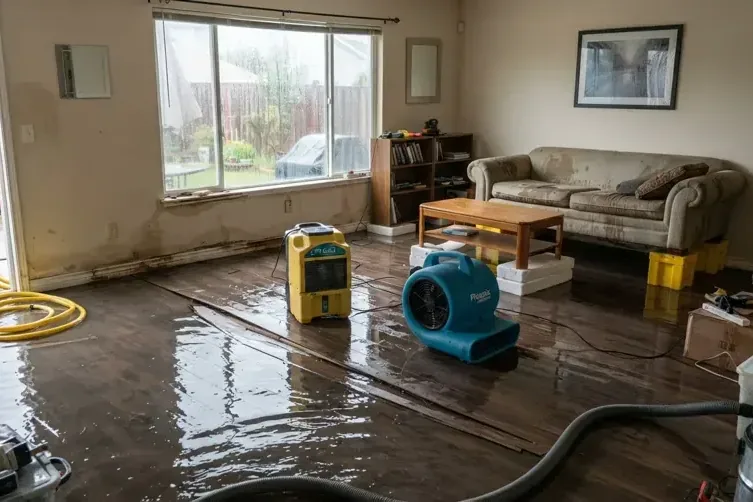
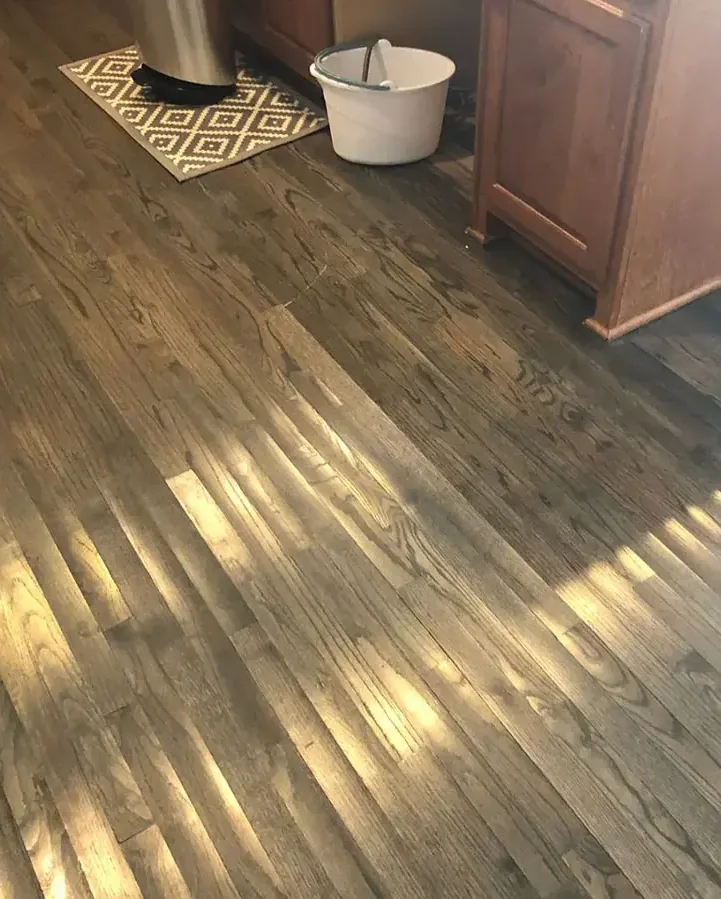
A lack of visible water is useful, but the material record needs to show what remains. Repeat checks can reveal a concealed layer drying more slowly than an exposed wall face. Equipment may be repositioned or access revised in response. When the affected assembly includes wood flooring, hardwood floor cleanup adds attention to the boards, underside and supporting substrate.
- Compare later readings with earlier observations at the same affected material locations.
- Check stalled areas for hidden moisture, restricted access or continuing water entry.
- Keep notes explaining changes to equipment placement or selective opening during the work.
Keep the work area safe
The response team checks electricity, unstable surfaces and water contamination before opening wet materials. Household members keep children and pets away from affected rooms. A qualified electrician handles wet circuits. The cleanup crew sets containment when dirty water or debris could reach occupied space, then establishes a safe route for equipment and removed material.
Make the completion discussion specific
Water extraction removes accessible water before this stage, while rebuilding returns the finished appearance afterward. Structural drying sits between those tasks. The handover should identify the treated assemblies, the observations supporting completion and any layers or repairs still outstanding. The owner can then coordinate reconstruction with a clear account of the moisture work.
Retain a useful record
Photographs of openings and equipment, together with material observations, explain what happened behind the finished surfaces. Keep those records with the source repair documentation. They help distinguish a room ready for rebuilding from a room that simply looks tidy after extraction equipment has been removed.
First decisions for structural drying and dehumidification
Keep the source correction documented
Provide the repair findings or describe any water that continues entering. Drying plans depend on a stable moisture source, and renewed leakage needs attention before equipment performance can be assessed meaningfully inside the affected assembly.
Describe the concealed building layers
Mention known floor coverings, insulated cavities or areas inaccessible during the first cleanup. These details help the assessment target materials that may remain wet after the exposed room surfaces have already changed in appearance.
Leave equipment arrangements intact
Avoid switching off or moving drying equipment without discussing the change. The placement serves a planned moisture route, and interrupted operation can make later material readings harder to interpret against the earlier drying observations.
Keep repair openings available
Do not cover exposed cavities or return obstructing contents before the drying check. Access may be needed for repeat measurements, equipment adjustments or treatment of layers that respond differently from the surrounding exposed surfaces.
What does structural drying and dehumidification cost in Somerville, MA?
Somerville structural drying costs depend on the number of wet assemblies, access restrictions and the response of retained materials. These planning ranges cover increasing drying complexity; removal, source correction and reconstruction should be clearly itemized where they are separate tasks.
Small exposed assembly
$1,000 to $2,200
- Wet materials
- Focused equipment setup
- Localized progress checks
Several rooms or layers
$2,200 to $4,000
- Connected material assessment
- Multiple drying positions
- Broader moisture tracking
Dense concealed materials
$4,000 to $6,000+
- Restricted cavity access
- Complex moisture retention
- More equipment adjustments
Category of water, square footage, material class and drying delay shape the scope. water damage cost calculator gives an estimate only.
Structural drying and dehumidification across Somerville
Material drying assessments serve affected residential and commercial interiors across the city. The remaining moisture, construction layers and available access determine the plan, with occupied routes and reconstruction timing considered alongside the equipment arrangement.
The same service nearby: structural drying and dehumidification in Belmont, Cambridge, Arlington.
Related water damage services in Somerville
Structural Drying and Dehumidification questions in Somerville, MA
Why are readings needed when the surface looks dry?
A visible surface can change before the material below it reaches the intended condition. Readings and direct observations help track retained moisture in the affected assembly. They also provide a basis for equipment adjustments and explain why drying continues in a room that no longer contains obvious standing water.
What do dehumidifiers contribute to the work?
Dehumidification removes moisture from the surrounding air as wet materials release it. That function works with air movement and useful access to the affected layers. An enclosed wet cavity may still need attention because equipment operating in the room cannot automatically reach every material hidden behind a covering or finish.
Can drying proceed with all finishes left in place?
That depends on material condition, contamination and whether adequate access exists. Some assemblies can be treated through limited openings, while others contain unsuitable layers or concealed moisture that requires removal. The assessment should explain each access decision and connect it to the actual wet material rather than a fixed room layout.
Why might equipment positions change during drying?
The response of the materials can reveal areas that need different airflow, improved access or further investigation. Repositioning should follow those findings and be recorded so the owner understands the reason. A consistent arrangement is useful, but the work needs to adapt when an affected layer responds differently from surrounding surfaces.
Should windows stay open while equipment runs?
The drying arrangement depends on the conditions the equipment is intended to manage. Changes to openings or ventilation should be discussed with the restoration professional so they support the planned environment. Uncoordinated changes can alter how the materials respond and make progress harder to assess against previous observations and readings.
What information supports the decision to rebuild?
The completion discussion should identify the materials assessed, relevant final observations and any unresolved moisture or source issue. Photographs of exposed layers help the finish contractor understand what was opened. Rebuilding can then be coordinated around the treated assembly rather than scheduled simply because equipment has been removed from the room.
Discuss a measured drying plan
Keep openings accessible and retain earlier cleanup observations for comparison during the material assessment.
(888) 629-3140Plan the next drying stage