Hardwood Floor Water Damage in Somerville
Raised board edges and changed joints can signal moisture beyond the floor surface. Assessment needs to consider the boards, their underside and the supporting layers before sanding, covering or replacement decisions are made.
(888) 629-3140Discuss changes in the wood floor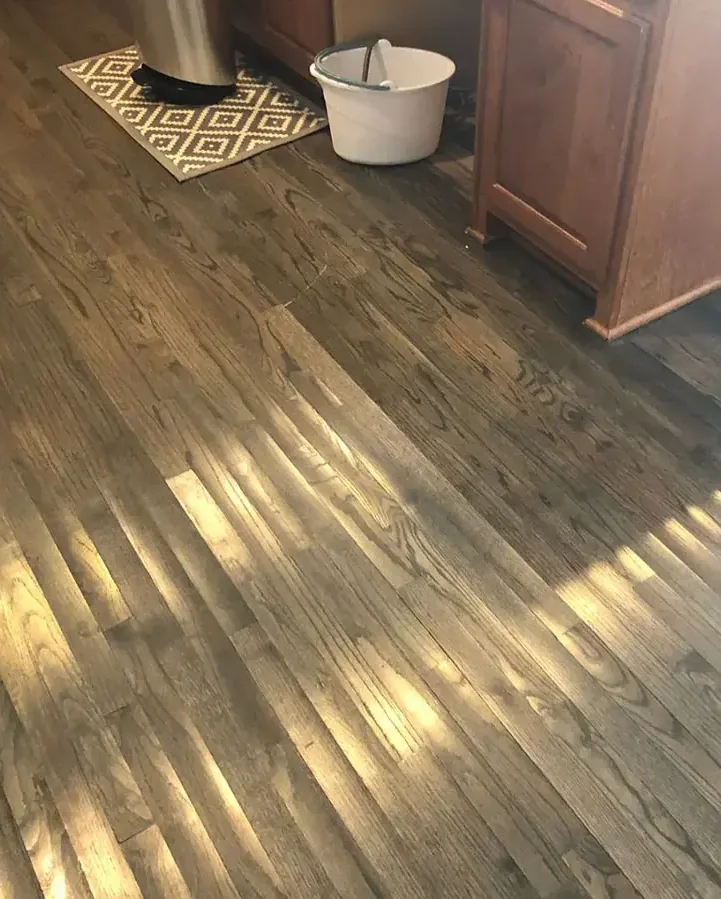
A wood floor can look almost clear after wiping while water remains beneath the boards. Raised edges, gaps or a changed surface profile need assessment of the whole assembly, including its support and any covering or adhesive below. Somerville residential building growth continued into the 1940s, but the floor at each property needs direct inspection of its actual construction. The restoration decision follows that construction, the water source and the present material condition rather than an assumption about flooring throughout the city.
How hardwood floor water damage is handled
Inspect boards and supporting layers
The assessment records visible movement, the installation found and moisture at locations. The source and contact path are checked alongside underside conditions so the wet assembly is understood beyond the appearance of the finish face.
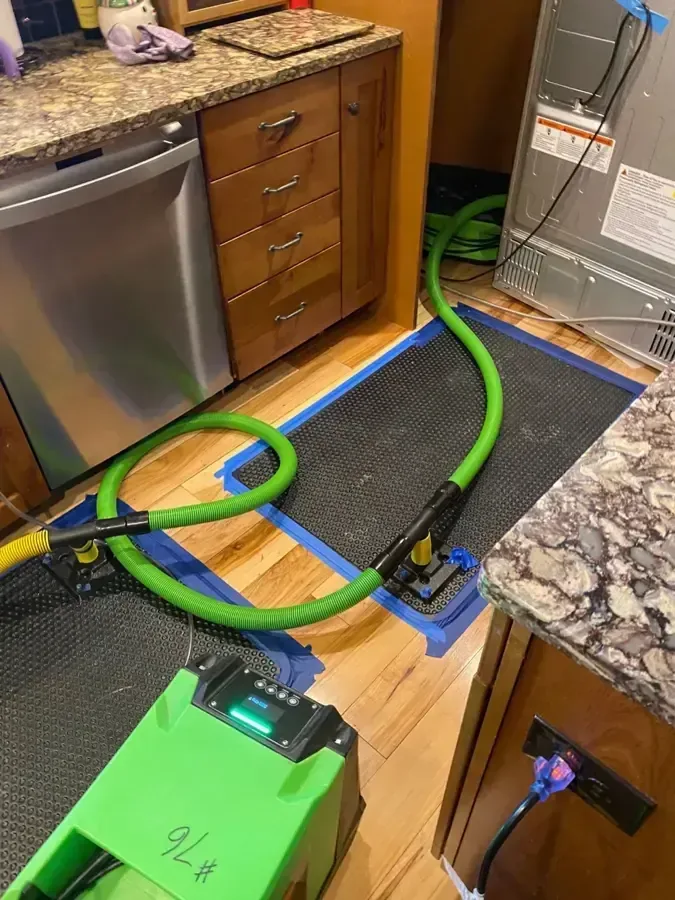
Choose extraction and access methods
Water is removed while the need for selective lifting or other access is evaluated. The plan explains how the retained boards and supporting materials can be reached, with damaged or unsuitable sections identified for handling.
Track the floor during controlled drying
Equipment serves the layers, and repeat observations follow both material moisture and visible condition. Changes in access or treatment are based on that response rather than a promise that every wet board will return to its earlier shape.
Prepare the flooring repair decision
The completion check identifies the condition of retained materials, removed sections and finish work. Records give the flooring professional a clearer basis for assessing replacement or refinishing after moisture treatment has reached the appropriate handover point.
Record the shape before trying to restore it
Photographs along board edges and room transitions help explain the changes caused by the loss. The inspection should check whether the affected flooring continues beneath cabinets or into adjoining rooms. A rug can conceal wet boards and slow useful assessment of the surface beneath it. Furniture contact points also deserve attention, especially where the visible water appeared to stop but moisture remains trapped below.
- Photograph raised edges and changed joints before sanding or other surface alteration is considered.
- Identify the original water source and whether the release has been brought under control.
- Check thresholds where continuous wood flooring connects the affected room to another interior.
- Inspect accessible underside areas and compare their moisture condition with the visible top surface.
- Keep heavy furnishings from concealing wet sections that still require readings or access for treatment.
- Discuss the floor's construction and existing damage before deciding whether sections can stay in place during drying.
Water still spreading?
A changed wood floor needs attention beneath the finish as well as at the raised edges. Describe the leak source, connected rooms and visible board movement so the assessment can consider the complete floor assembly before repair choices.
(888) 629-3140Check the affected wood flooringMake access serve the floor layers
Davis Square has entertainment venues, and Union Square was among the largest commercial areas in the early twentieth century. Whether an affected wood floor sits in a residence or occupied business, its own layers determine treatment. Access from an underside space may help inspect the support, while a concealed or damaged layer may require selective lifting from above. The reason for that opening should be clear.
Appliance leak cleanup addresses a common type of interior release where water can disappear beneath nearby flooring and cabinets. Once the source is corrected, extraction and drying choices should account for the board condition and subfloor. Equipment on the exposed surface cannot be assumed to address every enclosed layer, so observations need to follow the assembly through the treatment.
- Compare moisture conditions across the visible damage and connected floor edges.
- Consider the supporting layer separately from the finish face of the boards.
- Check whether retained coverings or cabinet bases restrict inspection of concealed water contact.
Keep the work area safe
The response team checks electricity, unstable surfaces and water contamination before opening wet materials. Household members keep children and pets away from affected rooms. A qualified electrician handles wet circuits. The cleanup crew sets containment when dirty water or debris could reach occupied space, then establishes a safe route for equipment and removed material.
Delay finish decisions until the moisture picture is clear
Ball Square developed with low-rise masonry commercial buildings. A floor assessment there still needs the specific installation and affected materials identified before a repair choice is made. Structural drying supports the retained assembly where appropriate. Sanding or installing another covering should follow the moisture check because an early cosmetic change can obscure the floor's response to drying.
Explain what can be retained and what cannot
Some damaged sections may remain candidates for drying, while others have condition or contamination concerns that require removal. The scope should state the reasons and identify any uncertainty that needs direct inspection through access. At handover, photographs and material observations help the flooring contractor evaluate the next finish or replacement work after the cleanup stage.
First decisions for hardwood floor water damage
Stop changes to the floor surface
Avoid sanding, covering or applying a new finish while the assembly is being assessed. Photographs of raised edges and joint changes preserve the original condition and help explain how the flooring responds during treatment.
Describe the water source and spread
Identify where the leak began and which adjoining rooms share the flooring. Note any cabinet edge or rug beneath which water disappeared so the inspection can check concealed contact rather than only the open floor.
Protect useful inspection access
Move portable belongings when safe, keeping wet heavy furniture for a planned handling decision. Leave affected edges and thresholds visible so material readings can follow the floor without obstructions during the assessment and drying work.
Coordinate with the flooring professional
Retain information about the installation if available and share cleanup observations before finish repairs begin. The board condition and substrate moisture need check together before replacement, refinishing or another covering changes the exposed floor assembly.
What does hardwood floor water damage cost in Somerville, MA?
Somerville hardwood cleanup estimates depend on affected board area, underside access and moisture within the subfloor. These planning ranges describe water damage treatment; sanding, matching replacement boards and final finishing should be separately explained within the restoration project.
Limited accessible area
$1,200 to $2,400
- Localized board assessment
- Open edge access
- Focused floor drying
Connected wood-floor rooms
$2,400 to $3,800
- Continuous flooring spread
- Broader substrate checks
- Multiple treatment positions
Concealed layered moisture
$3,800 to $5,500+
- Restricted underside access
- Selective board lifting
- Complex retained moisture
Category of water, square footage, material class and drying delay shape the scope. water damage cost calculator gives an estimate only.
Hardwood floor water damage across Somerville
Wood floor assessments address the installation actually present in each affected property. Board condition, supporting layers and available access determine treatment, with residential room use or business occupancy considered while drying and later flooring work are coordinated.
The same service nearby: hardwood floor water damage in Belmont, Cambridge, Arlington.
Related water damage services in Somerville
Hardwood Floor Water Damage questions in Somerville, MA
Does cupping mean every board must be replaced?
Raised edges call for assessment of moisture and material condition across the assembly. Some sections may be suitable for controlled drying, while damage, contamination or installation constraints can require removal elsewhere. The decision should follow inspection of the boards and supporting layers rather than the surface shape alone at the first visit.
Why avoid sanding a wet floor immediately?
Sanding changes the surface before the floor's moisture response has been assessed. The boards and subfloor need check so the finish decision reflects their condition after treatment. A flooring professional can then evaluate the next repair step using the cleanup observations instead of working from a temporarily altered surface profile.
Can moisture remain beneath boards after wiping?
Water can enter joints and contact layers below the visible finish, where wiping cannot reach it. The underside and supporting material may therefore remain wet after the upper surface looks clear. Inspection should include connected edges and useful access points before the floor is treated as ready for ordinary coverings or furniture.
Will drying equipment always save the floor?
Retention depends on construction, exposure, contamination and existing material damage. Equipment is part of a treatment plan, while the floor's response determines what remains practical. The scope should explain the basis for attempting drying and identify sections that need selective lifting or replacement rather than promise a uniform result across all boards.
What if the flooring continues beneath cabinets?
Cabinet bases can conceal both the flooring and the edge of the water spread. The inspection should consider how those areas can be assessed without unnecessary removal elsewhere. Limited access may be required to check retained moisture, especially when visible board changes stop at a cabinet but the original release reached beneath it.
What records help with later refinishing or replacement?
Photographs of the original board changes, notes about removed sections and moisture observations help explain the treated assembly. Include the source repair status and any accessible subfloor findings. Those records allow the flooring professional to assess the next stage with a clearer understanding of what was wet and how the material was handled.
Discuss board and subfloor moisture
Keep sanding and new coverings on hold while the floor's retained moisture and material condition are evaluated.
(888) 629-3140Plan the floor restoration assessment