Hardwood Floor Water Damage in Cambridge
Raised edges and changed seams are visible clues, but a wood floor's underside matters just as much. The assessment checks the boards and supporting layers before choosing drying, repair or replacement.
(888) 629-3140Discuss the changed wood flooring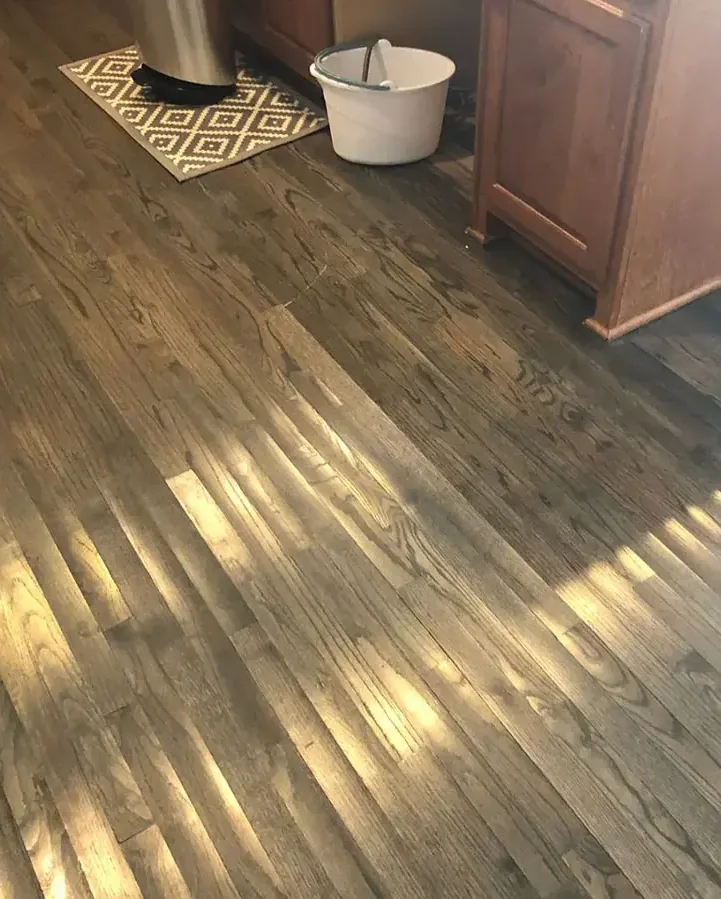
A board edge that lifts after a leak signals a change across the floor assembly, but appearance alone does not settle the repair. Moisture can remain beneath the finish while the top feels dry. In Cambridge homes near Harvard Yard, Fresh Pond and Danehy Park, inspection needs to identify the installed flooring and supporting layers. The source, exposure and physical condition determine whether drying can preserve the floor or selective removal is necessary.
How hardwood floor water damage is handled
Identify flooring and supporting layers
The inspection records the floor type, visible movement and source conditions. It compares relevant material readings and notes layers or fixed contents that restrict access to the underside of the affected boards.
Select retention or removal areas
Decisions reflect contamination, physical damage and the ability to reach trapped moisture. The scope explains which boards can remain for drying and which openings are needed to inspect or treat the supporting assembly.
Dry and monitor the floor assembly
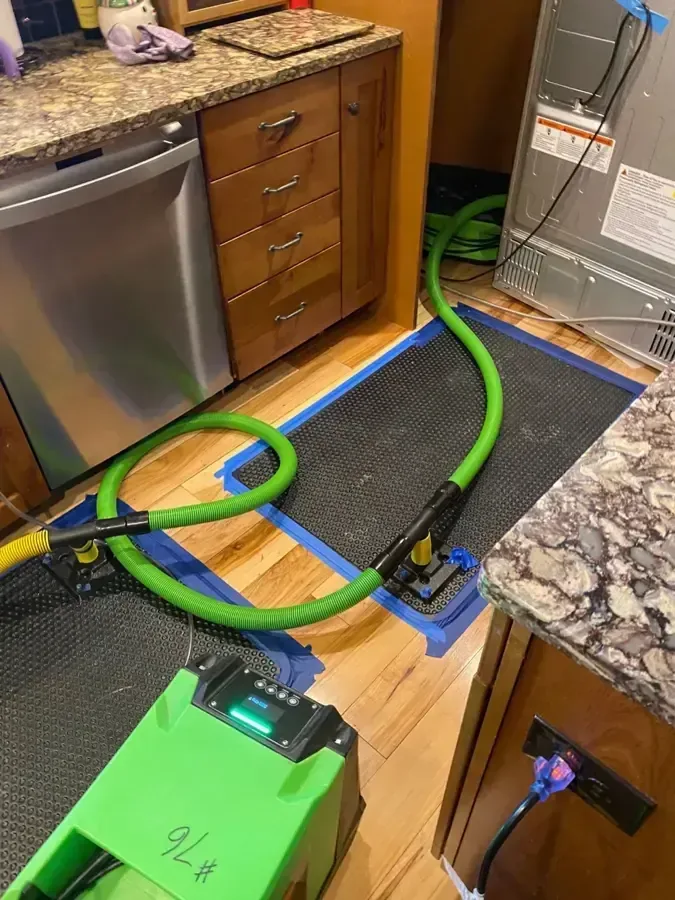
Appropriate equipment targets retained wet layers, with observations tracking both moisture and physical condition. Adjustments respond to the floor's progress so a dry upper surface does not conceal continuing saturation underneath.
Handoff to the finish repair trade
The final record identifies retained substrate conditions, removed sections and remaining board damage. Refinishing or replacement can then be planned around the assessed assembly and the requirements of the selected repair system.
Evaluate the board and the material beneath it
Wood flooring responds to differences in moisture. Inspection should compare affected areas and suitable reference locations, while accounting for the actual floor type. The visible boards may sit over layers that dry differently or restrict access. A continuous covering can also carry the loss beyond the original spill. The assessment must follow that spread before repair work changes the surface or conceals the underside again.
- Photograph raised edges, separated seams and changed thresholds before moving furniture or beginning repairs.
- Record the source and whether water remained beneath rugs, appliances or cabinets.
- Check adjacent room transitions where the same floor assembly continues beyond the visible damage.
- Avoid sanding, sealing or installing a new covering while the moisture condition remains unresolved.
- Identify access from below where available, since the supporting layers may need inspection even when the upper surface can be reached easily.
A drying decision should account for contamination as well as shape. A physically intact board can still be unsuitable to retain when the water condition or inaccessible layers prevent appropriate treatment.
Water still spreading?
Changed wood flooring needs an assessment of the boards and the layers supporting them. Describe the water source, visible movement and nearby cabinets or thresholds so the drying and repair decisions can address the entire affected assembly before sanding or replacement begins.
(888) 629-3140Assess the wood floorChoose drying access around the assembly
Targeted floor drying can help when the material and source conditions support retention. Equipment needs a practical way to remove moisture from the affected layers, with monitoring that shows whether the setup is working. Selective removal may be needed for damaged boards, inaccessible wet material or contamination. The scope should explain that choice in relation to the specific floor rather than promising the same outcome for every wood surface.
When the source came from nearby equipment, appliance leak assessment helps identify concealed water beneath cabinets or machines. Slab leak restoration addresses suspected moisture below a concrete-supported finish. Those findings should inform the floor drying and repair plan.
- Track material changes alongside the moisture observations rather than relying on appearance alone.
- Keep the affected floor accessible while equipment and monitoring points remain in use.
- Separate damaged finish repair from decisions about retaining the supporting floor layers.
Keep the work area safe
The response team checks electricity, unstable surfaces and water contamination before opening wet materials. Household members keep children and pets away from affected rooms. A qualified electrician handles wet circuits. The cleanup crew sets containment when dirty water or debris could reach occupied space, then establishes a safe route for equipment and removed material.
Delay cosmetic work until the floor is ready
Sanding too early can remove material while the boards are still changing shape. A new coating can also restrict moisture movement before the assembly is ready. The flooring professional and restoration assessment should coordinate the timing of refinishing or replacement. Their handoff needs to identify the retained substrate condition, any removed areas and the intended repair system.
Make the retention decision understandable
An owner should know whether drying is being attempted to preserve serviceable boards or to prepare the substrate for replacement. Those are different outcomes. The closing notes should explain physical damage that remains after moisture reduction and identify the repairs still needed. That distinction supports realistic scheduling without treating a lower reading as a promise that every visible floor change will disappear.
First decisions for hardwood floor water damage
Record the floor's changed shape
Photograph cupping, lifted edges and altered seams from several safe positions. Include thresholds and furniture locations so the assessment can relate visible board movement to the water route and any concealed pooling nearby.
Explain the water exposure
Describe the source, when the spill was discovered and whether it traveled under cabinets or rugs. The water condition and exposure history help determine what inspection and material handling the wood floor requires.
Keep repair treatments on hold
Avoid sanding, applying coatings or covering the area before moisture assessment. Those changes can hide useful clues or interfere with drying, while the supporting layers may still need access beneath the visible boards.
Coordinate access above and below
Share any available entry to the floor underside and keep the upper affected area accessible. The assessment can then determine how measurements and equipment will reach the boards and supporting layers throughout the affected floor assembly.
What does hardwood floor water damage cost in Cambridge, MA?
Cambridge hardwood restoration ranges depend on the affected area, floor construction and access beneath the boards. Drying and cosmetic repair serve different purposes. The inspection should explain retention decisions and distinguish equipment work from sanding or replacement costs.
Limited accessible area
$1,200 to $2,400
- Localized board assessment
- Accessible substrate checks
- Targeted drying setup
Connected wood-floor rooms
$2,400 to $3,800
- Continuous floor inspection
- Threshold moisture comparisons
- Broader material monitoring
Concealed layered moisture
$3,800 to $5,500+
- Restricted underside access
- Selective removal decisions
- Detailed flooring handoff
Category of water, square footage, material class and drying delay shape the scope. water damage cost calculator gives an estimate only.
Hardwood floor water damage across Cambridge
Hardwood assessments serve Cambridge properties near Harvard Yard, Fresh Pond and Danehy Park. Describe the water source and changed board areas so inspection can follow the affected floor assembly through connected rooms and concealed layers.
The same service nearby: hardwood floor water damage in Belmont, Somerville, Arlington.
Related water damage services in Cambridge
Hardwood Floor Water Damage questions in Cambridge, MA
Will cupped boards always flatten as they dry?
The result depends on the floor material, exposure and physical damage. Moisture reduction can change the boards' condition, while lasting distortion or finish damage may still require repair or replacement. The assessment should explain whether drying aims to preserve the boards or prepare the supporting layer for replacement.
Why should sanding wait until moisture is reviewed?
Boards can continue changing shape as moisture redistributes and leaves the assembly. Sanding during that movement may remove material before the final condition is understood. Coordinate refinishing with the flooring professional and the drying record so cosmetic work follows the assessed state of the retained boards and substrate.
Can water remain under flooring that feels dry?
Yes. The upper surface can improve while underlay or subfloor material remains damp. Inspection and measurements should address those layers where relevant. A finish that looks ready for use is not enough to decide whether the entire assembly can be covered, sealed or repaired.
Does every wet wood floor need removal?
Retention depends on contamination, physical condition and drying access. Some floors can receive targeted drying, while others require selective or broader removal to reach affected layers. The written scope should connect that choice to the actual findings and explain any areas where access remains limited.
What if the same boards continue into another room?
The inspection should follow the continuous assembly across the threshold rather than stopping at the visible spill. Moisture can migrate beneath connected finishes. Comparing affected areas and suitable reference locations helps define the drying boundary and identify whether adjoining rooms need equipment, access or further material checks.
What should the flooring installer receive after cleanup?
The installer needs information about retained substrate conditions, removed areas and any physical damage still present in the boards. Include the source repair status and relevant drying observations. This connects the restoration work with the requirements of the intended finish repair and helps avoid covering an unresolved wet layer.
Discuss board and substrate conditions
A clear retention decision helps distinguish moisture removal from the finish work still needed to restore a usable floor.
(888) 629-3140Assess hardwood moisture damage