Slab Leak Water Damage in Cambridge
A damp patch rising through a floor deserves careful investigation before finishes are lifted. The repair path starts by locating the source and separating plumbing access from damage to surrounding materials.
(888) 629-3140Discuss moisture beneath flooring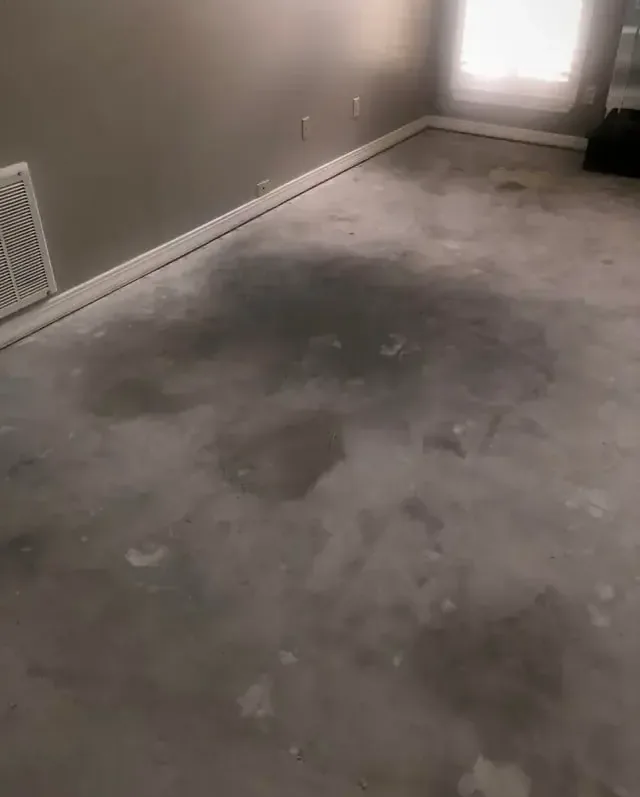
Repeated dampness in the same floor area can affect adhesive, underlay and wall bases before a large puddle appears. The first task is to establish where the water originates and which layers it has reached. A property near Fresh Pond, Harvard Yard or Danehy Park needs inspection of its own floor construction. Moisture measurements and plumbing investigation determine the depth of the wet assembly and the location of a concealed plumbing defect.
How slab leak water damage is handled
Map the affected floor
The assessment compares visible symptoms with measurements across the room and at adjoining partitions. It identifies the covering and supporting layers that must be considered before choosing removal or drying methods.
Align with plumbing findings
Source location informs the restoration boundary and the sequence of access work. The repaired component, surrounding concrete and any newly exposed finishes are documented as separate parts of the overall loss.
Expose and dry selectively
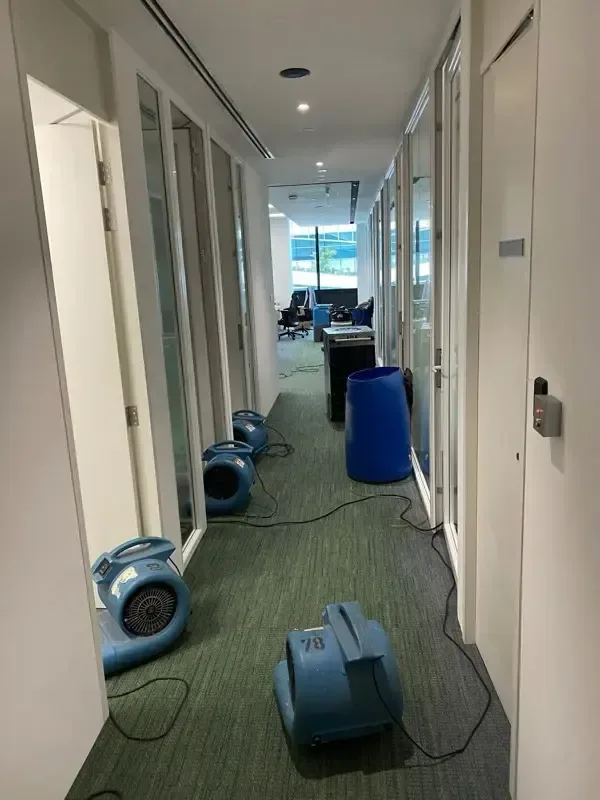
Appropriate openings allow trapped moisture to escape from retained materials. Equipment and monitoring respond to the assembly found, with changes made when measurements show an area is drying more slowly.
Assess finish readiness
The closing assessment records the condition of the floor and surrounding wall bases. Replacement work is coordinated around the retained substrate, required repairs and any material-specific requirements for the new covering.
Locate the release before choosing an opening
A plumbing investigation and a moisture assessment answer related but different questions. The plumber locates and repairs the failed component. Restoration checks how the release affected the floor and nearby finishes. Selective access should follow that information rather than a broad demolition decision based on a visible stain. Retaining sound material is useful only when the remaining layers can be assessed and dried.
- Mark the visible damp area and compare it with moisture readings beyond its edge.
- Record loose flooring, softened trim and adhesive changes to compare their locations with measured moisture.
- Identify furnishings that obstruct a continuous inspection path across the affected room.
- Keep source repair openings distinct from areas opened solely to reach wet building materials.
- Check wall bases beside the floor patch, since absorbed water can rise into adjacent finishes and remain after the visible surface has dried.
The repair record should identify the actual source discovered. That gives the drying assessment a reliable starting point and helps explain why a particular access opening was necessary.
Water still spreading?
A recurring damp floor needs a traced source and a clear account of the layers affected. Describe the patch, nearby wall changes and any plumbing findings so assessment can connect the repair opening with the wider drying needs of the room.
(888) 629-3140Assess the concealed floor lossInspect the layers that trap moisture
Concrete can hold moisture beneath an apparently improved surface. A covering may slow evaporation, while attached underlay or adhesive adds another layer to evaluate. The plan should describe the assembly found at the property and the practical route for drying it. Structural drying focuses on those material conditions after the leak has been controlled and accessible water removed.
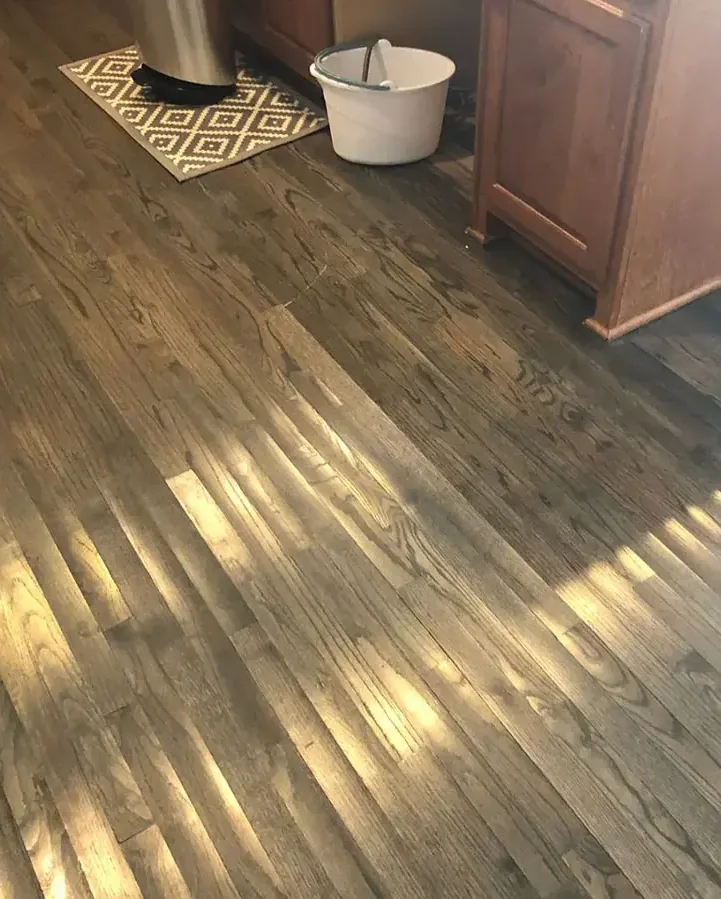
If wood boards cover the affected area, hardwood floor water damage assessment considers board movement and moisture below the finish. A buckled edge, loose covering or discolored wall base deserves documentation before replacement decisions. Different materials may need separate completion checks even when they were wetted by the same release.
- Concrete readings support decisions about retained coverings and the timing of replacement finishes.
- Adjacent partitions may need inspection even when the room has no standing water.
- Unopened floor sections should remain visible in the record as areas requiring further assessment.
Keep the work area safe
The response team checks electricity, unstable surfaces and water contamination before opening wet materials. Household members keep children and pets away from affected rooms. A qualified electrician handles wet circuits. The cleanup crew sets containment when dirty water or debris could reach occupied space, then establishes a safe route for equipment and removed material.
Plan the floor repair after drying
A dry room does not automatically mean a floor is ready for adhesive, underlay or a new covering. Repair planning should use the requirements of the proposed flooring system and the condition of the supporting material. If an access patch is part of the plumbing repair, that work also needs coordination with the finish installer so separate stages do not hide unresolved moisture.
Keep the decisions easy to follow
The owner should be able to distinguish leak location, plumbing repair, extraction, drying and finish replacement in the scope. Each step has its own purpose. Clear notes about removed material and retained layers make later changes easier to understand, especially when a small visible patch leads to a wider inspection beneath connected flooring or along the base of an adjoining wall.
First decisions for slab leak water damage
Note the pattern of dampness
Describe whether the patch returns after wiping, changes with water use or extends beneath furniture. These observations help direct the investigation without substituting for an actual assessment of the concealed source.
Limit use where appropriate
If a plumbing professional identifies a supply that should remain isolated, keep it that way until repair. Avoid covering the wet floor with rugs or stored contents that obscure further changes.
Preserve the damaged finish record
Photograph lifting seams, swollen trim and the room layout before access work begins. Keep samples or disposal records when requested by the owner or insurer, while avoiding unnecessary handling of damaged layers.
Coordinate the access plan
Ask how the plumbing repair opening relates to the restoration area. A focused plan should explain which finishes obstruct inspection and which can remain while the underlying materials are evaluated and dried.
What does slab leak water damage cost in Cambridge, MA?
Cambridge slab leak cleanup estimates depend on the affected floor area, concealed layers and access needed after plumbing diagnosis. The planning ranges below address restoration complexity. Source repair and replacement finishes should be distinguished clearly in the property estimate.
Limited floor opening
$1,500 to $3,000
- Small access area
- Nearby finish inspection
- Focused substrate drying
Connected floor areas
$3,000 to $5,000
- Continuous covering assessment
- Adjoining partition checks
- Broader moisture monitoring
Dense or concealed loss
$5,000 to $7,500+
- Layered floor access
- Complex material exposure
- Detailed finish coordination
Category of water, square footage, material class and drying delay shape the scope. water damage cost calculator gives an estimate only.
Slab leak water damage across Cambridge
Cambridge properties near Fresh Pond, Harvard Yard and Danehy Park can request assessment of suspected slab leak damage. The floor covering, access restrictions and plumbing findings determine how the affected room is inspected.
The same service nearby: slab leak water damage in Belmont, Somerville, Arlington.
Slab Leak Water Damage questions in Cambridge, MA
Does every damp concrete patch mean a plumbing leak?
Several water paths can produce a wet floor, including plumbing releases and exterior entry. The source needs investigation before the repair scope is selected. Observations about timing and water use can help, but the actual findings should determine whether concealed plumbing work is required.
Must the whole floor covering be removed?
Removal depends on the water condition, damage and whether the underlying assembly can be assessed and dried with the covering retained. A connected finish may require wider access than the visible patch suggests. The scope should explain why each area is being opened or kept.
Can a floor feel dry while the slab stays damp?
Yes. Surface evaporation can change how the room feels before moisture deeper in the assembly has fallen adequately. Material measurements and the proposed finish requirements help establish readiness. Covering the surface too early can trap moisture beneath the replacement flooring and create another repair problem.
Who decides where plumbing access should be made?
The plumbing investigation determines the location needed to repair the source. Restoration findings help identify separate openings required for wet materials. Coordination between those tasks reduces confusion about demolition and repair responsibilities, especially when the source opening is smaller than the total affected floor area.
Should furniture be moved away from the damp patch?
Movable contents can restrict inspection and keep moisture trapped against flooring. Move them only when access is safe and the items can be handled without damage. Photographs of their original position help document the water spread and any staining or swelling affecting their lower surfaces.
When can replacement flooring be scheduled?
Scheduling should follow source repair and an assessment of the supporting material's moisture condition. The selected flooring system may impose specific installation requirements. The final record should identify any unfinished access patches or wall repairs so those tasks can be coordinated before the new finish is installed.
Discuss slab moisture assessment
The next useful step is identifying what is wet beneath the finish and how it can be reached.
(888) 629-3140Plan the floor investigation