Structural Drying and Dehumidification in Cambridge
The puddle may be gone while the building still holds water. Structural drying focuses on retained materials, using measurements to direct airflow, humidity control and access until the assembly is ready for repair.
(888) 629-3140Discuss retained material drying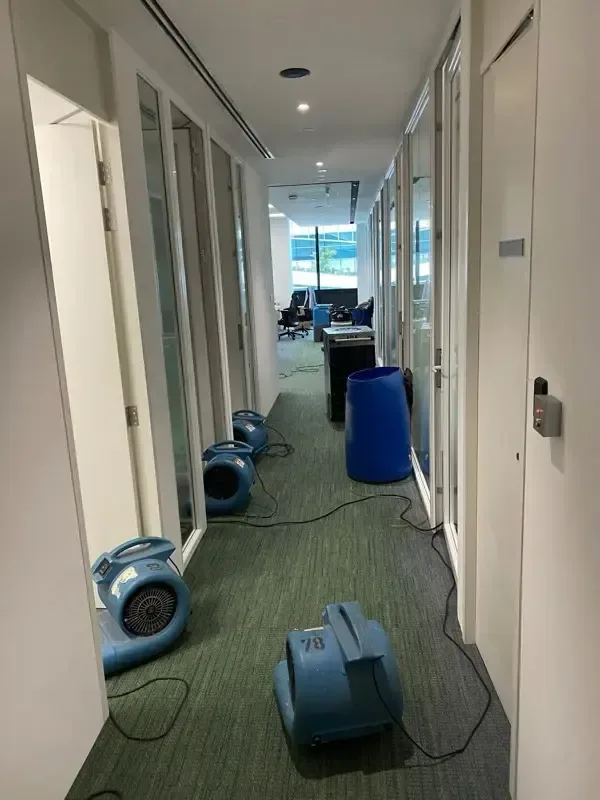
A quiet room with no visible puddle can still contain damp timber, wall layers or subflooring. Central East Cambridge is one of the city's oldest residential neighborhoods. Each wet interior there needs its materials identified individually, just as properties around Harvard Yard and Fresh Pond do. The assembly found during inspection determines how drying can reach the moisture and which measurements will show useful progress before repairs cover the area again.
How structural drying and dehumidification is handled
Build the initial moisture record
The survey identifies affected assemblies and selects relevant measurement points. Source status, access limitations and material condition are recorded together to establish what the drying setup must accomplish in the occupied space.
Arrange a targeted equipment setup
Air movement and dehumidification are placed around the exposed wet materials. Necessary access openings are explained in the scope, with equipment routes and room use arranged to support consistent operation and monitoring.
Evaluate changes and adjust access
Repeated observations show whether the assembly is responding evenly. Stalled areas prompt assessment of airflow, coverings or source conditions, and equipment or openings are adjusted to reach moisture that remains concealed.
Document the repair handoff
Final material observations are linked to the retained assembly and planned construction work. The record separates dried areas from damaged finishes requiring replacement and identifies any remaining restrictions before rebuilding closes the space.
Measure materials rather than the room's appearance
Air conditions influence evaporation, while material measurements establish the moisture condition inside each retained layer of the building. Moisture checks at selected material locations create a starting record. Later readings show whether the setup is working throughout the affected assembly. A slowly changing area may need a different equipment position, better access or further investigation of the water source before drying can proceed effectively.
- Identify retained floor layers and wall finishes instead of treating the room as one material.
- Include edges and junctions where water entered concealed spaces during the original release.
- Record equipment placement so adjustments can be related to changes in material readings.
- Check whether coverings or fixed contents obstruct evaporation from the affected surface.
- Separate drying decisions from physical repair decisions when a material remains distorted or damaged even after its moisture condition improves.
The initial record should also note source repair status. A hidden continuing release can undermine the drying setup, so unexplained moisture patterns deserve investigation rather than simply more operating time.
Water still spreading?
A dry-looking room still needs a material-based endpoint after water damage. Describe the source history, affected layers and work already completed so the drying assessment can establish useful measurements and a practical route toward repair readiness.
(888) 629-3140Assess the material drying planGive moisture a practical route out
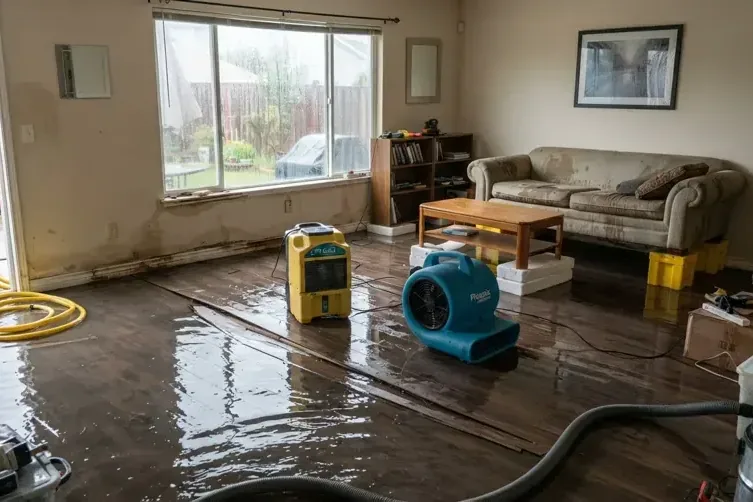
Air movers and dehumidification work together within the available room conditions. Airflow needs to reach the wet material, and moisture removed from that surface needs to be managed in the surrounding air. Openings may be necessary when a finish traps water inside the assembly. The scope should explain how those openings improve access and what repairs will be needed after drying.
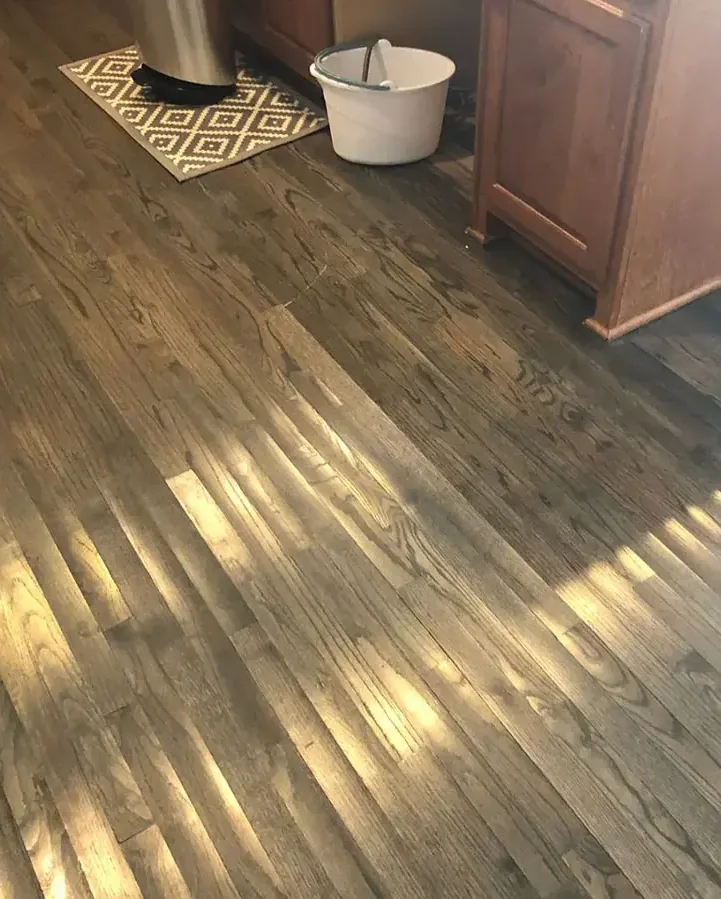
Water extraction handles recoverable liquid before the drying stage. Hardwood floor restoration adds material-specific questions when boards and their supporting layers are involved. The drying plan should connect those earlier findings with the surfaces that remain in the room.
- Keep equipment positions and operating arrangements consistent with the monitoring plan.
- Coordinate room use so stored items do not block the intended airflow.
- Record new access openings and any newly discovered wet layers during the work.
Keep the work area safe
The response team checks electricity, unstable surfaces and water contamination before opening wet materials. Household members keep children and pets away from affected rooms. A qualified electrician handles wet circuits. The cleanup crew sets containment when dirty water or debris could reach occupied space, then establishes a safe route for equipment and removed material.
Make the completion decision understandable
Drying duration depends on the source, assembly, access and actual progress. The owner needs a reasoned endpoint rather than a fixed equipment calendar. Measurements should be reviewed against the materials and planned repairs, with unresolved areas identified clearly. Final decoration or enclosure then follows the condition of the building instead of the date equipment first arrived.
Keep the final readings with the repair scope
The closing record links the original wet area to the retained materials and the work still required. It should distinguish completed drying from replacement of physically damaged finishes. That information helps the next trade prepare the area appropriately and keeps a newly installed surface from becoming the first sign that a concealed layer was never ready.
First decisions for structural drying and dehumidification
Explain the earlier water loss
Provide the source, rooms affected and any removal or plumbing work already completed. Drying assessment is stronger when it starts with the water path and known repairs rather than only the surfaces visible now.
Keep wet boundaries accessible
Move dry obstructions only where safe and avoid covering affected walls or floors with stored contents. Access to room edges helps establish useful readings and allows equipment to reach the materials selected for retention.
Share occupancy restrictions
Describe rooms that must remain in use and any shared access routes. The drying arrangement needs a practical equipment position and operating plan that accounts for the people using the building around it.
Hold finish work until assessment
Do not schedule closure solely because surfaces feel better. Coordinate wall, floor and trim repairs with the material assessment so retained layers are reviewed before new finishes limit access or trap remaining moisture.
What does structural drying and dehumidification cost in Cambridge, MA?
Cambridge drying ranges depend on material density, exposed area and access to concealed layers. Equipment needs follow the assembly and measured progress. The estimate should explain monitoring and openings separately from source repair and later finish replacement.
Small exposed assembly
$1,000 to $2,200
- Accessible material readings
- Focused equipment placement
- Progress checks
Several rooms or layers
$2,200 to $4,000
- Multiple assembly assessment
- Coordinated airflow positions
- Connected area monitoring
Dense concealed materials
$4,000 to $6,000+
- Restricted evaporation access
- Selective opening decisions
- Detailed completion assessment
Category of water, square footage, material class and drying delay shape the scope. water damage cost calculator gives an estimate only.
Structural drying and dehumidification across Cambridge
Structural drying assessments cover Cambridge interiors near Harvard Yard, Fresh Pond and surrounding neighborhoods. Share the original water path and completed repairs so material measurements and equipment planning begin with a clear account of the loss.
The same service nearby: structural drying and dehumidification in Belmont, Somerville, Arlington.
Related water damage services in Cambridge
Structural Drying and Dehumidification questions in Cambridge, MA
Why measure a wall after its paint feels dry?
The surface can lose moisture before the layers behind it. Readings and inspection at relevant points help establish the condition of the retained assembly. That information supports decisions about access and repair timing instead of allowing an improved surface feel to stand in for the whole wall.
Does every room need the same equipment arrangement?
Flooring, wall construction, room shape and access affect how moisture leaves a space. Equipment should respond to those conditions and the source history. A setup that works for an exposed surface may not reach a concealed layer, so monitoring helps identify where adjustments are needed.
Can occupants move equipment out of the way?
Equipment position is part of the drying plan. Moving or switching it off can change airflow and progress at the monitored materials. Discuss practical access needs with the restoration contact so the arrangement can be adjusted deliberately and its effect on the wet assembly can be reviewed.
How is the end of drying determined?
The decision follows assessment of the retained materials, relevant measurements and the requirements of the intended repairs. It should not depend only on the absence of a puddle or a fixed operating period. A closing record explains the material condition and identifies any unresolved areas.
Will drying remove every visible sign of damage?
Moisture reduction and physical repair are separate outcomes. Swollen panels, separated finishes or distorted flooring may still need replacement even after drying is complete. The assessment should identify those conditions so the owner can plan rebuilding without expecting the equipment to reverse permanent material changes.
What if a measured area stops improving?
The setup needs adjustment. Restricted access, an overlooked layer or a continuing source may explain the pattern. The response should be based on investigation and observations, with changes to access or equipment documented so the next readings can show whether the revised approach is reaching the moisture.
Discuss moisture monitoring needs
A clear record of retained assemblies helps connect equipment operation with the decision to begin rebuilding and finish repairs.
(888) 629-3140Assess remaining building moisture