Water Extraction and Removal in Cambridge
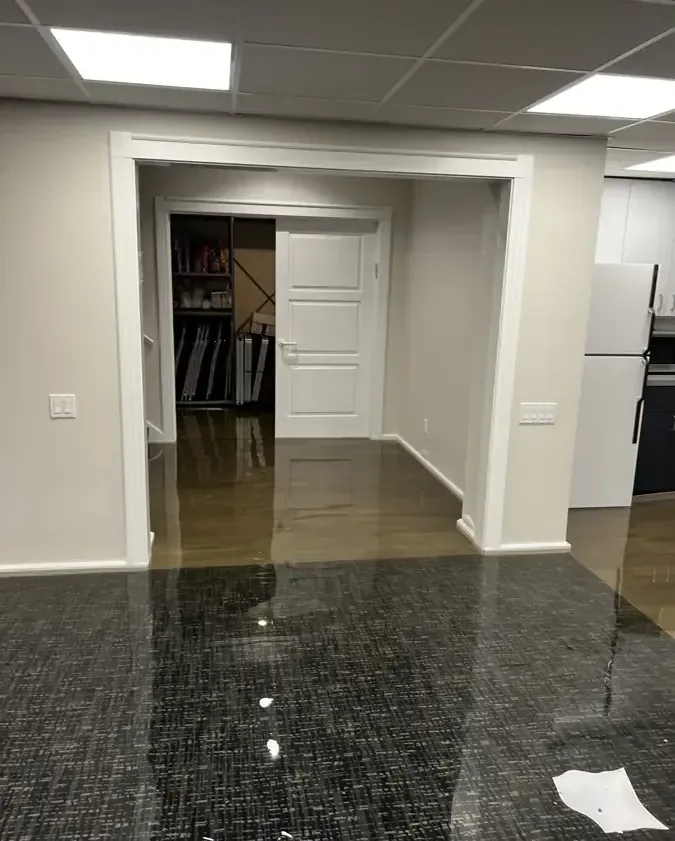
Water pooled across a room demands more than a mop. Extraction removes the accessible volume while inspection follows moisture into floor edges, adjacent rooms and concealed layers that remain wet.
(888) 629-3140Arrange standing water removal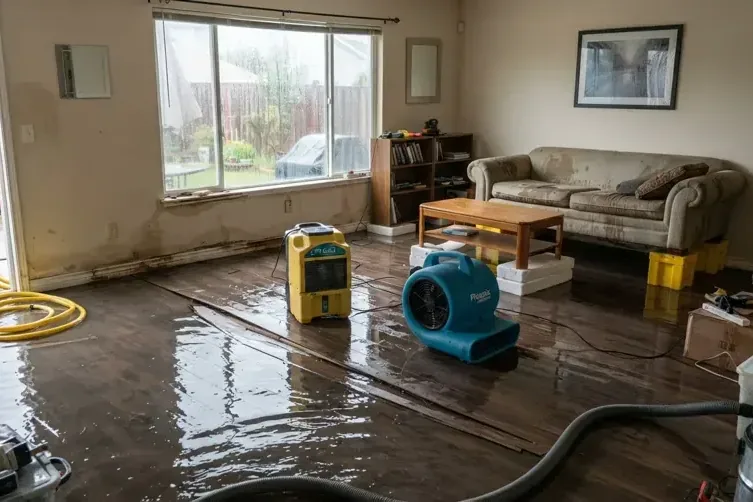
A puddle at the doorway shows where water has reached, not necessarily where the loss began. Extraction planning starts with the supply, drain or outdoor entry that is feeding the room. On October 19, 2025, a main break on 3rd Street near Bent Street affected six properties in East Cambridge. A building with indoor water needs its own source assessment, followed by a removal plan that matches the actual conditions inside.
How water extraction and removal is handled
Survey the accessible surfaces
The removal plan identifies floor finishes, water pockets and equipment access. It also records obstacles that prevent inspection beneath furniture or inside connected spaces before the setup is chosen.
Extract by surface type
Appropriate extraction tools recover liquid from open floors and suitable soft finishes. Handling changes when water contamination or damaged materials make retention inappropriate for part of the affected room.
Measure the remaining spread
After pooling is removed, moisture checks follow the room perimeter and adjacent layers. This step determines where equipment can dry materials in place and where better access is necessary.
Set the drying handoff
The remaining wet assemblies, planned equipment positions and monitoring needs are documented together. A clear handoff separates completed water removal from the longer task of preparing building materials for repairs.
Match removal equipment to the room
Open tile, carpet and a crowded storage area offer different access. The assessment identifies water depth, surface type, available power and a safe equipment route. Furniture legs and stacked belongings can conceal small pockets after the open floor appears clear. Extraction should reach those boundaries without dragging wet contents into dry rooms or sending dirty water through unaffected spaces.
- Visible pooling helps establish the starting area, while adjoining thresholds show possible migration routes.
- Saturated carpet needs evaluation of the backing and pad rather than surface suction alone.
- Water beneath movable contents can remain after the center of the room looks dry.
- Electrical equipment exposed to water needs an appropriate safety assessment before nearby work proceeds.
- Drain water and outdoor runoff require handling that reflects their contamination, including decisions about absorbent materials and the path used to remove them.
A useful record describes the source, affected rooms and visible materials before removal changes the scene. Photographs and a floor sketch help preserve that information for later repair decisions.
Water still spreading?
Water spreading through a room needs a source check and a removal plan suited to the surface. Describe the pooling, affected finishes and access conditions so the next steps account for hidden moisture as well as the visible spill.
(888) 629-3140Discuss extraction accessFollow the wet edge beyond the puddle
Water can move beneath a door casing or flooring transition into a room that seems unaffected. Inspection around Kendall Square, The Port or any other part of the city still depends on the building itself. Walls, floor layers and furnishings determine where moisture collects. Measurements along the perimeter help distinguish an accessible spill from a larger concealed loss.
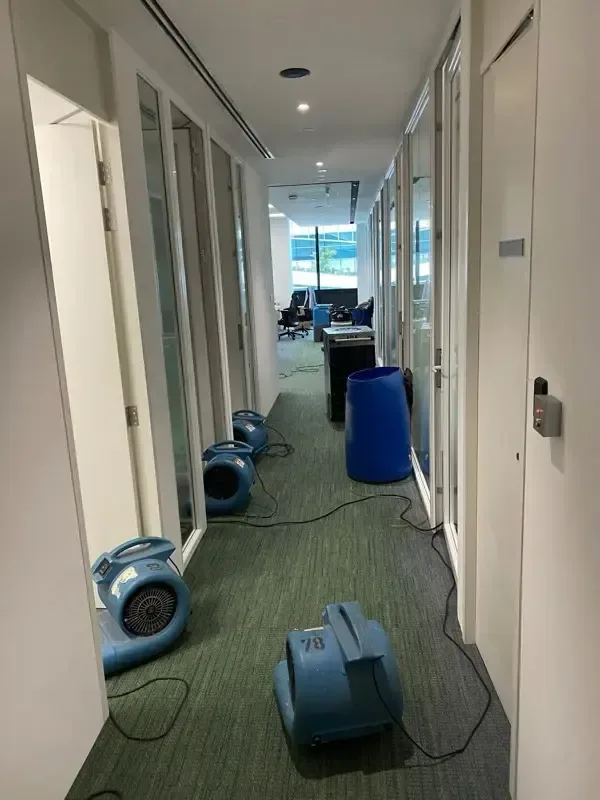
Extraction equipment removes recoverable liquid; retained building materials need separate moisture checks before they are ready for enclosure. Once the open water is gone, structural drying addresses retained moisture with controlled air movement and dehumidification. If timber flooring has changed shape, wood floor assessment adds attention to the boards and supporting layers.
- Check both sides of a threshold where water crossed between different floor finishes.
- Record wet base trim and adjoining wall surfaces before choosing selective access openings.
- Keep the furniture movement plan separate from decisions about disposing of damaged belongings.
Keep the work area safe
The response team checks electricity, unstable surfaces and water contamination before opening wet materials. Household members keep children and pets away from affected rooms. A qualified electrician handles wet circuits. The cleanup crew sets containment when dirty water or debris could reach occupied space, then establishes a safe route for equipment and removed material.
Know what the removal visit should establish
The completed extraction stage should leave a clear account of remaining wet areas. Some finishes can stay while they dry; others obstruct access or have suffered physical damage. An estimate should explain that distinction and identify any further source repair. The next equipment setup then responds to the materials that actually remain, rather than a general impression of how wet the room looked.
A handoff that supports repairs
Owners benefit from knowing which rooms have been checked, which layers remain inaccessible and where drying equipment will operate. In a shared building, the manager also needs to know about occupied routes and neighboring spaces that require inspection. Those details help keep extraction, source repair and reconstruction moving toward the same outcome without treating an empty floor as proof of completion.
First decisions for water extraction and removal
Describe the active water
Report whether the puddle is growing and whether the suspected source is a pipe, drain or outside entry. That distinction affects access precautions and the equipment needed for removal.
Protect the approach
Keep the route to the affected room clear without walking through water near electrical equipment. Move dry belongings only when doing so does not spread contamination or expose anyone to hazards.
Capture the initial condition
Photograph the water edge, affected contents and nearby walls from a safe position. Include doorways and adjoining rooms so the record explains how the water spread before extraction changes its appearance.
Arrange source control
A continuing release can refill a cleared room. Coordinate plumbing or building repairs alongside removal, and explain any shutoff that failed to stop the water during the initial assessment.
What does water extraction and removal cost in Cambridge, MA?
Cambridge extraction planning ranges reflect the accessible area and the difficulty of reaching water beneath contents or finishes. Contamination, connected rooms and concealed saturation can expand the work. A room inspection establishes which removal tasks belong in the estimate.
One accessible room
$500 to $1,200
- Open floor access
- Localized water recovery
- Edge moisture assessment
Several connected rooms
$1,200 to $2,800
- Threshold spread checks
- Multiple extraction positions
- Adjoining material inspection
Complex removal
$2,800 to $4,500+
- Difficult water access
- Contents movement planning
- Extended wet boundaries
Category of water, square footage, material class and drying delay shape the scope. water damage cost calculator gives an estimate only.
Water extraction and removal across Cambridge
Extraction assessment is available for Cambridge properties around Kendall Square, The Port and surrounding neighborhoods. Describe the affected level, entry arrangements and any connected rooms so removal planning reflects the building's actual layout.
The same service nearby: water extraction and removal in Belmont, Somerville, Arlington.
Water Extraction and Removal questions in Cambridge, MA
Can extraction begin while a repair is being arranged?
Some protective removal can proceed when access is safe, but an active source must be addressed. The plan should explain whether incoming water will continue to collect and how plumbing or exterior repairs will be coordinated with removal. Otherwise, cleared areas can become wet again.
Does a wet carpet always need replacement?
The decision depends on the water condition, exposure and physical state of the carpet and backing. Inspection also considers the pad and subfloor beneath it. Surface extraction alone cannot decide whether every layer is suitable to retain, so the scope should identify each affected component.
Where does water hide after the floor looks clear?
Common inspection points include thresholds, wall bases, cabinet edges and layers beneath a finish. The actual route depends on the room assembly. Moisture measurements at those boundaries help identify remaining saturation and shape the next drying stage after accessible liquid has been recovered.
Should a household vacuum be used on a puddle?
An ordinary household vacuum is not intended for water recovery. Water near electrical equipment also creates a separate access concern. Leave hazardous areas undisturbed and describe the pooling during the assessment so suitable removal equipment and a safe power arrangement can be selected.
What information helps with an apartment water loss?
The affected level, room locations and contact details for the property manager help organize access. Mention any neighboring space that may share the source or water path. Common routes used by occupants need planning when extraction hoses and drying equipment occupy the building.
What marks the end of the extraction stage?
The visible water has been recovered to the practical extent and remaining wet materials have been identified. That is a transition into drying, not an automatic repair clearance. The record should describe inaccessible areas, retained finishes and the next moisture checks needed before rebuilding.
Assess wet floor conditions
A clear description of the water path helps organize removal and the drying work that follows.
(888) 629-3140Assess the pooled water