Water Extraction in Somerville
Standing water obscures the condition of the floor beneath it. Extraction creates room for inspection, but the cleanup must also account for water held inside coverings and adjoining materials.
(888) 629-3140Arrange removal of standing water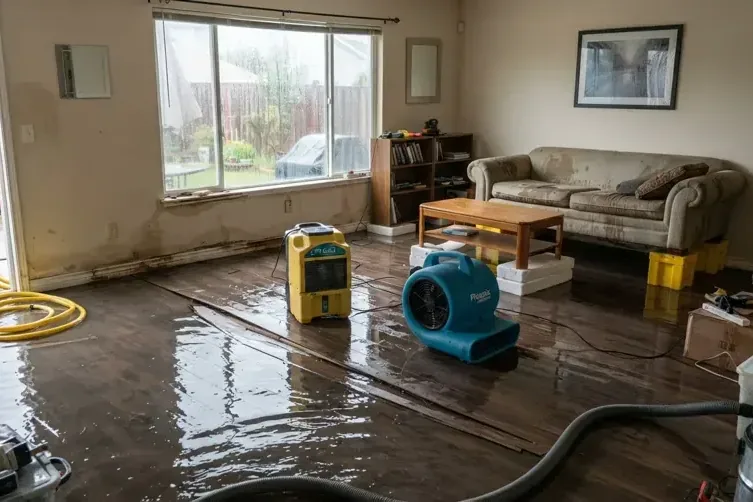
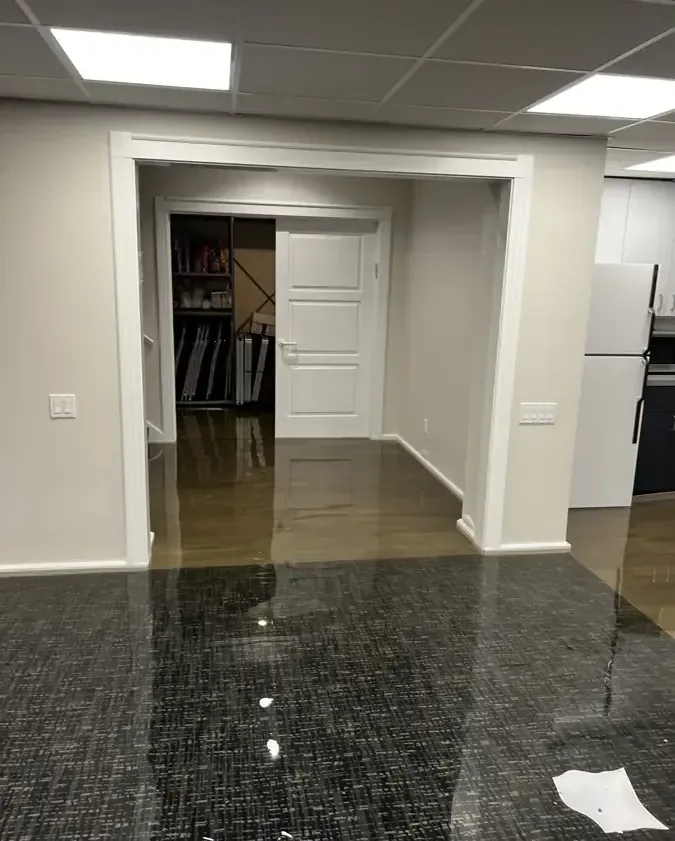
June 19, 2026: WHDH reported a water main break near Union Square that flooded a business basement. An event like that brings an immediate practical question: where can the water be removed safely while its source is being addressed? Somerville properties need an extraction plan that considers entry, electrical exposure and the route out of the building. The deepest puddle is only part of the work. Water can remain beneath furniture, inside carpet backing and against wall bottoms after the open floor has cleared.
How water extraction and removal is handled
Evaluate water and entry
The inspection identifies apparent source, contamination concerns and the affected floor layout. Access limitations are incorporated into the removal plan before equipment is carried through occupied parts of the property.
Recover the accessible water
Extraction proceeds across the affected surfaces with equipment suited to the water and debris. Recesses and transitions receive attention so isolated puddles do not remain behind the main removal path.
Revisit the room boundary
Once the floor is visible, the assessment extends beneath accessible edges and along wall bases. Saturated contents and floor layers are considered separately from moisture remaining within the structural materials.
Set the subsequent drying scope
The owner receives an explanation of areas still requiring treatment. Measurements, photographs and source repair status help define the next work rather than ending the job when open water disappears.
Start with the room that holds the water
The initial walkthrough establishes which surfaces are submerged and which access routes remain dry. A lower room calls for different equipment handling from an accessible ground floor. Contents blocking a doorway may need controlled relocation, and a saturated floor covering may need separate treatment. Equipment selection follows the water depth, debris and usable access rather than the room's appearance from its entrance.
- Check whether supply water is still entering before treating the puddle as a contained loss.
- Locate sockets, cords and appliances that may be exposed along the proposed removal route.
- Inspect door thresholds where water can disappear beneath a covering in the next room.
- Identify absorbent contents that keep releasing water onto a surface already extracted.
- Keep dirty water movement within the affected area and avoid dragging wet hoses across clean belongings.
- Record visible floor damage before extraction changes the appearance of the room and its contents.
For a business in Assembly Square, access arrangements also need to account for occupied retail space. Clear work boundaries help keep the wet area separated from public circulation during removal.
Water still spreading?
Standing water needs a clear route out and a plan for the materials it reached. Describe the room, current water level and any access restriction so the removal discussion starts with the conditions inside.
(888) 629-3140Discuss the pooled waterExtraction exposes the remaining moisture problem
A wand can remove water from an accessible surface without reaching every layer below it. Floor coverings, underlayment and wall bases need closer assessment once the water is gone. Where a covering prevents inspection or holds unsuitable material against the structure, selective lifting may be needed. That decision belongs in the scope, with the affected area described before work expands.
Furniture contact points deserve attention because a room may appear clear while moisture remains trapped underneath. Cabinet recesses and closets are similar concerns. The goal is a useful moisture map showing which materials need drying, cleaning or removal. Structural drying takes the work from accessible extraction to management of moisture still held within the building.
- Inspect floor edges again after the equipment has removed the open water.
- Compare the visible wet area with readings at connected wall and floor surfaces.
- Explain any opening required to inspect a layer that remains concealed beneath the finish.
Keep the work area safe
The response team checks electricity, unstable surfaces and water contamination before opening wet materials. Household members keep children and pets away from affected rooms. A qualified electrician handles wet circuits. The cleanup crew sets containment when dirty water or debris could reach occupied space, then establishes a safe route for equipment and removed material.
Organize a workable handover from removal to drying
Davis Square includes entertainment premises, where the available work route may be as important as the size of the puddle. The extraction scope should state which spaces have been cleared and which materials remain wet. It should also identify a continuing plumbing or drainage problem. Somerville cleanup services cover the related tasks when the loss extends beyond standing water.
Keep the next decision visible
Photographs taken before and after removal make the change understandable. Combine those images with notes about lifted coverings, separated contents and unresolved source work. A clear handover prevents an empty floor from being mistaken for a completed dry-out and gives the owner a practical basis for deciding what happens next.
First decisions for water extraction and removal
Stay on dry access routes
A flooded room should remain unused until electrical and floor safety have been considered. Keep children, pets and unnecessary foot traffic away from the water while the assessment is arranged.
Describe whether the water rises
Report any visible inflow, running fixture or renewed pooling after wiping. Those details help distinguish a contained spill from water that will return while the removal equipment is operating inside.
Clear a safe equipment approach
Dry items outside the affected room can be moved to make entry easier. Wet or heavy contents should remain for assessment when moving them would cross unsafe flooring or spread contamination.
Retain a record of belongings
Photograph accessible damage before contents are shifted, with attention to furniture feet and boxes on the floor. Keep a simple list of the items removed or set aside during extraction.
What does water extraction and removal cost in Somerville, MA?
Somerville extraction costs depend on usable access, the amount of affected flooring and the condition of the water. These planning ranges describe removal complexity; concealed wet materials or separate source repairs can change the overall scope.
One accessible room
$500 to $1,200
- Clear floor access
- Limited affected contents
- Localized water recovery
Several connected rooms
$1,200 to $2,800
- Doorway water migration
- Multiple floor surfaces
- Wider removal route
Complex removal
$2,800 to $4,500+
- Difficult interior access
- Debris handling needs
- Additional affected layers
Category of water, square footage, material class and drying delay shape the scope. water damage cost calculator gives an estimate only.
Water extraction and removal across Somerville
Water removal planning covers residences and business interiors across the city. The affected level, usable doorway and condition of the water determine the practical setup more directly than the neighborhood name.
The same service nearby: water extraction and removal in Belmont, Cambridge, Arlington.
Related water damage services in Somerville
Water Extraction and Removal questions in Somerville, MA
Is pumping enough for a wet carpet?
Pumping or surface extraction removes accessible water, while carpet backing and the material beneath it may remain wet. The carpet's condition, contamination and installation affect the next decision. Inspection after removal establishes whether further extraction, lifting or disposal is needed before the underlying floor can dry.
Can extraction start while a pipe is still leaking?
Source isolation needs to be coordinated with removal because continuing flow can refill the work area. Some situations require simultaneous protective measures, but a safe plan must account for the active release. The plumber's repair and the removal of escaped water should be tracked as separate tasks.
What happens to water beneath a cabinet?
An accessible floor can be extracted while a cabinet recess remains damp. The assessment should check the toe space, adjacent walls and flooring transitions. If access is inadequate, a limited opening may be needed to inspect and treat the affected layers without relying on the appearance of the exposed floor.
Will every wet item need to leave the room?
Contents are handled according to access, contamination and material condition. Some can be protected or moved to a dry area; others need cleaning or disposal decisions. Photographs and an item list help explain what was moved and why, especially when stored belongings blocked inspection of a floor edge.
Does removing standing water finish the cleanup?
Extraction is an early stage rather than the final material check. Walls, coverings and structural layers can retain moisture after the visible water is gone. The remaining scope should state what needs drying and how completion will be assessed before repairs or replacement finishes are scheduled.
What information helps describe a flooded business?
Identify the affected floor, available entrance and whether customers or staff remain nearby. Note any sensitive stock or equipment and whether water continues entering. Those details allow the work area and removal route to be discussed before equipment crosses an occupied space or a shared entrance.
Plan access for extraction
Include any ongoing inflow, damaged contents or electrical concern when explaining the affected area.
(888) 629-3140Check removal and drying needs