Burst Pipe Water Damage in Belmont, MA
A failed supply pipe keeps adding water until the source stops. The restoration team follows the escape through rooms, removes standing water and measures the concealed materials that remain wet.
(888) 629-3140Stop the spread from a pipe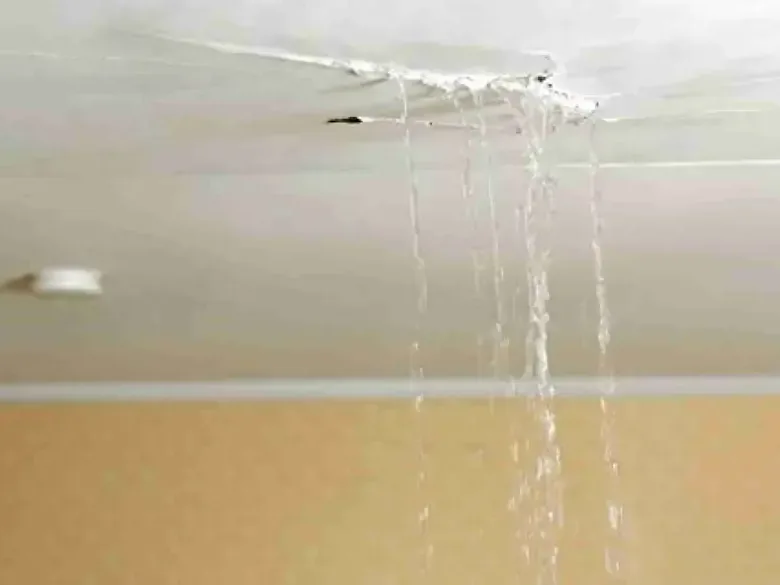
A split connection inside a wall can wet the room below before a household finds the original leak. The response team starts with safe supply isolation, then traces the damage through adjoining surfaces. In Belmont Center, Waverley Square and Cushing Square, the inspection follows the building's layout rather than assuming a particular pipe material or age. A plumber repairs the failed supply, while the restoration contractor documents and dries the resulting water damage.
How burst pipe water damage is handled in Belmont
Assess the active loss
The technician checks source status, electricity and the rooms reached by the leak. The household identifies the first observed water and any changes in flow so the team can prioritize safe entry.
Extract across the footprint
The operator removes liquid from affected floors and accessible layers. Water beneath furniture, thresholds and cabinet edges receives attention so the dry-out starts with the remaining absorbed load rather than a hidden puddle.
Dry opened assemblies
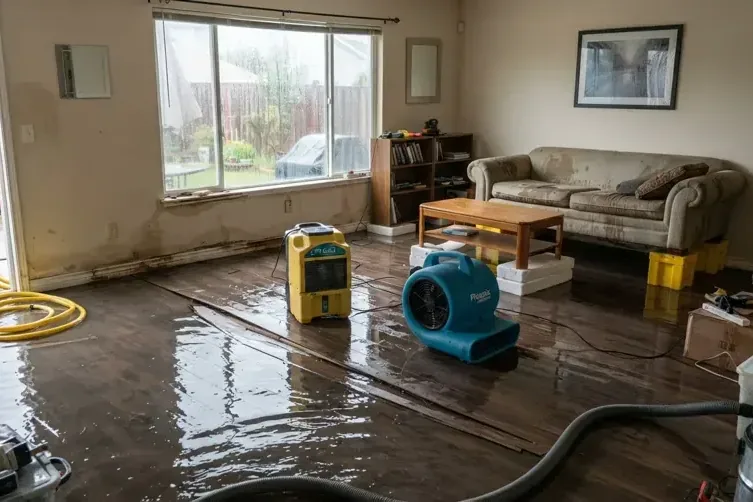
The contractor exposes necessary wet cavities and positions equipment around the materials that remain. Air movement and dehumidification work together, with protected routes keeping occupied areas separate from hoses and removed debris.
Record the endpoint
The crew logs material readings and explains any remaining repair needs. The record distinguishes successful moisture removal from cosmetic rebuilding, giving the household a clear handoff to the next trade.
Shut off the source and map the escape
The nearest safe shutoff may stop a single fixture leak; a larger break can require the main supply valve. Nobody should cross standing water or reach past wet electrical equipment to operate it. The technician records the likely time of failure, the rooms affected and whether water continued flowing after the household first noticed the problem.
- The crew checks the ceiling beneath the break and the floor on both sides of the wall.
- Technicians inspect baseboards and cabinet kick spaces where water can travel out of view.
- The plumber confirms source repair before the contractor closes access around the damaged pipe.
- The household photographs visible damage from a dry location and retains the repair information.
- The technician checks the underside of accessible floor penetrations where a supply escape can reach another room without leaving an obvious trail across the upper surface.
- The contractor keeps the plumber’s repair location separate from the mapped wet boundary, helping the household understand why drying may extend beyond the pipe opening itself.
Water from a supply starts differently from sewage, but contact, elapsed time and material conditions still influence its category. The crew assesses the actual loss before choosing retention or removal.
Water still spreading?
A stopped pipe can leave wet framing across more than one room. The response team traces the water path, removes accessible liquid and records the cavity conditions before repairs conceal them.
(888) 629-3140Trace the pipe-loss damageOpen wet cavities with a clear purpose
Painted drywall can hold water behind an apparently small stain. The contractor checks the cavity and insulation, explains access choices and removes damaged material where drying cannot reach it effectively. Opening a wall should expose the wet assembly needed for the work, rather than create a larger repair simply because the pipe sits nearby.
At properties near Belmont Hill, the same approach applies to each affected level: measure, inspect and document. The drying technician compares readings in wet timber with an unaffected reference. Equipment placement then targets evaporation from the exposed assembly while dehumidification removes that moisture from the room air.
- Workers separate wet insulation from framing that can remain after assessment.
- The contractor records openings before repair work hides the original water path.
- The crew checks floor transitions for water trapped beneath adjacent coverings.
EPA WaterSense leak information supports household leak awareness. Ready.gov describes precautions for water near electrical systems and occupied spaces.
Keep the work area safe
The response team checks electricity, unstable surfaces and water contamination before opening wet materials. Household members keep children and pets away from affected rooms. A qualified electrician handles wet circuits. The cleanup crew sets containment when dirty water or debris could reach occupied space, then establishes a safe route for equipment and removed material.
Track moisture after the plumber leaves
A repaired pipe ends the incoming supply, but the existing water still needs removal. The team extracts accessible liquid, sets drying equipment and records material readings on subsequent visits. A wall surface can feel dry while the bottom plate or floor beneath it remains wet. The technician adjusts airflow and equipment when progress slows.
Documentation for your insurance claim
The contractor records the source description, affected rooms, pre-removal photos and daily drying measurements. The household retains the plumber's diagnosis and repair record alongside the mitigation scope. The insurer evaluates coverage under the policy, including the cause of the break and resulting damage. Drying records explain the cleanup work without promising payment for the pipe or replacement finishes.
First decisions for burst pipe water damage in Belmont
Find a safe shutoff
The household operates a reachable dry valve if conditions permit. The response team checks the continuing supply and coordinates with a plumber so extraction does not compete with water still entering the room.
Check below the break
The technician inspects the level beneath the failed pipe and looks beyond the first stain. Joist bays, wall bases and adjoining floors can carry moisture away from the point where the pipe opened.
Preserve repair evidence
The contractor documents the wet assembly before closing access. A plumber’s description of the break and the household’s timeline help distinguish source repair from the extraction, drying and finish replacement that follow.
Confirm material progress
The drying team compares repeat readings with the initial map. A room becomes ready for the next repair stage when retained materials reach the drying goal, not simply when the pipe stops dripping.
What does burst pipe water damage cost in Belmont, MA?
Burst pipe water damage cleanup in Belmont generally ranges from $1,000 to $6,500. The number of wet levels, cavity access, floor coverings and drying delay shape the total; pipe replacement and rebuilding are additional work.
Quickly isolated room
$1,000 to $2,500
- Limited extraction
- Wall-base checks
- Small drying zone
Walls and adjoining floor
$2,500 to $4,500
- Controlled openings
- Insulation assessment
- Daily readings
Multiple levels
$4,500 to $6,500+
- Ceiling access
- Wider equipment setup
- Detailed loss record
Category of water, square footage, material class and drying delay shape the scope. Belmont water damage cost calculator gives an estimate only.
Burst pipe water damage across Belmont
Water damage service covers ZIP 02478, including Belmont Center, Cushing Square, Waverley Square and Belmont Hill. The restoration team assesses the actual wet rooms and access conditions before setting the extraction and drying scope.
Arlington, Waltham, Cambridge, Somerville and Winchester are also within the service area.
Related water damage services in Belmont
Burst Pipe Water Damage questions in Belmont, MA
What is the first step after a pipe bursts?
The household stops the supply at a safe, accessible valve and keeps away from wet electrical equipment. If reaching the valve requires crossing water or an unstable area, the response team helps establish safe access. A plumber repairs the pipe, and restoration work addresses the water already released.
Can the wall stay closed while equipment runs?
That depends on the assembly and measured moisture. The contractor checks insulation, framing and finish layers before selecting an approach. Some cavities need controlled access so wet material can dry or damaged insulation can leave. The technician checks whether the equipment reaches moisture inside the closed wall.
Is a repaired pipe enough to prevent further damage?
Source repair prevents continued leakage, but absorbed water can remain in flooring and wall components. The drying crew measures those materials and records progress toward a suitable goal. Prompt extraction and controlled drying help limit the period that the building stays wet after the plumber completes the repair.
Why does the room below need inspection?
Water can follow penetrations and joist bays before appearing as a ceiling stain. The technician checks the lower room and adjoining surfaces even when the original leak appears contained upstairs. This inspection helps define the full drying footprint and catches wet insulation or timber beyond the visible puddle.
Can belongings remain during a pipe dry-out?
Clean, dry belongings may stay outside the work zone when safe access and airflow allow. The crew moves or protects affected contents and documents their condition. Heavy furniture, electrical items and saturated storage boxes need careful handling so movement does not damage them further or carry water into clean rooms.
How does insurance documentation distinguish the work?
The plumber records the source failure and repair. The restoration contractor separately documents extraction, material removal, drying equipment and moisture readings. The household shares those records with the insurer, which evaluates the policy. Separating the tasks gives the insurer a clear record of each expense to evaluate.
Move from pipe repair to a documented dry-out
The drying crew measures the affected materials and explains which rooms need access, extraction or continued drying.
(888) 629-3140Arrange the pipe-loss dry-out