Crawl Space Water Removal in Belmont, MA
Water beneath a raised floor can wet insulation and timber out of sight. The cleanup team checks safe access, removes standing water and measures the underfloor assembly before planning drying.
(888) 629-3140Discuss water beneath the floor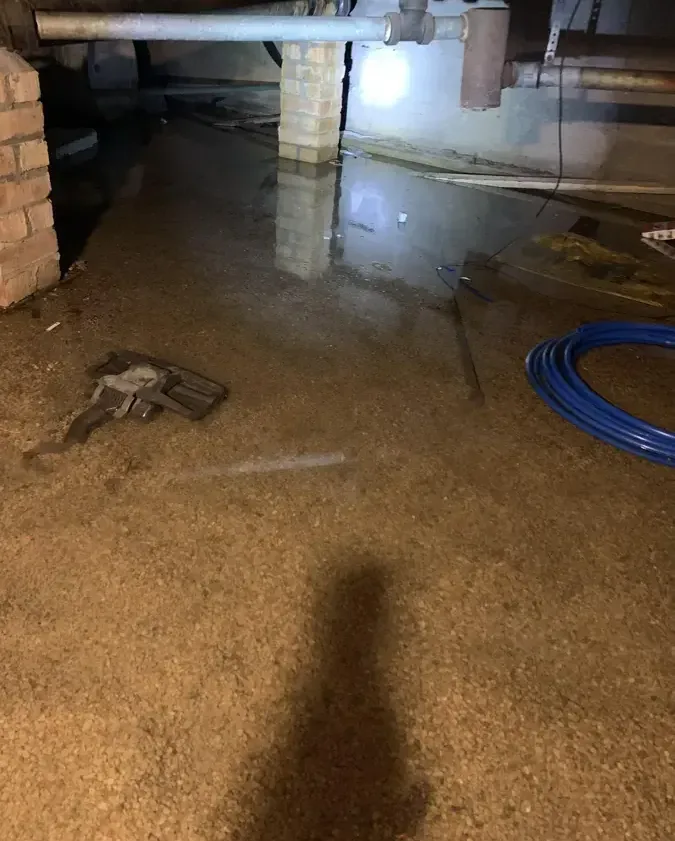
An underfloor void needs direct inspection when standing water or damp insulation appears beneath the living area. The contractor confirms that the property actually has an accessible crawl space and assesses the entry conditions. Service around Belmont Hill, Waverley Square and Cushing Square follows the inspected foundation layout. The team checks the water source, nearby utilities and the timber above rather than assuming that underfloor water is simply harmless ground dampness.
How crawl space water removal is handled in Belmont
Evaluate entry and utilities
The crew checks the opening, water conditions and visible hazards before selecting an approach. Safe power and equipment routing come first, with qualified trades addressing utilities that the water has affected.
Remove accumulated water
The operator pumps or extracts accessible standing water with the source conditions in view. Debris and contamination receive appropriate handling rather than becoming airborne through premature use of drying fans.
Expose wet structural material
The contractor assesses insulation and other underfloor layers, removing unsuitable material through a protected route. Technicians map moisture in retained timber and the underside of the floor before setting the drying arrangement.
Track the underfloor dry-out
The crew records repeat measurements at the affected components and adjusts equipment as needed. The final documentation supports insulation replacement and source repairs without treating a dry-looking ground surface as proof that the structure is dry.
Assess confined access before pumping
A low opening can conceal wiring, damaged supports and contaminated water. Household members should not crawl into a wet void to investigate. The response team evaluates whether safe entry is possible and chooses equipment for the available access. Ongoing plumbing leakage or outdoor entry needs source control alongside removal.
- The contractor checks the access opening and the route for equipment and removed insulation.
- Technicians identify visible utilities and arrange qualified attention for electrical concerns.
- The crew records water depth, sediment and the underside of the affected floor.
- The source investigation distinguishes a supply escape from drainage or wastewater entry.
- The crew identifies where removed insulation can leave the void without crossing clean household storage, then protects that route before handling saturated or contaminated underfloor material.
- The technician records accessible joist and subfloor test locations so later measurements describe the same components, making the drying trend clearer despite restricted visibility and low clearance.
Clay Pit Pond and Wellington Brook provide drainage context within town, but the property's actual entry route determines the cleanup plan.
Water still spreading?
Water below the living area needs a safe inspection of the void and the timber above it. The response team plans access, removes accumulated water and checks retained structure before insulation returns.
(888) 629-3140Review underfloor accessInspect insulation and floor framing separately
Wet insulation can hold moisture against joists or subfloor. The contractor evaluates its condition and removes unsuitable material so retained timber can receive appropriate drying. The underside of a floor may stay damp even when the room above feels normal. Measurements therefore include accessible joists, rim areas and the subfloor rather than relying on room humidity alone.
- Workers document insulation condition before removal and protect the debris route.
- The technician checks timber near plumbing penetrations and at the edge of the standing water.
- The crew avoids directing uncontrolled airflow across untreated contaminated material.
- The contractor explains access limits where an assembly cannot be safely reached.
After extraction and necessary cleaning, equipment supports moisture release from exposed structure. The EPA water pages and Ready.gov flood information provide general context for water hazards; the work sequence follows conditions beneath the inspected building.
Keep the work area safe
The response team checks electricity, unstable surfaces and water contamination before opening wet materials. Household members keep children and pets away from affected rooms. A qualified electrician handles wet circuits. The cleanup crew sets containment when dirty water or debris could reach occupied space, then establishes a safe route for equipment and removed material.
Keep source correction and drying connected
Pumping alone cannot solve repeated entry. The restoration team documents the observed source and coordinates with the appropriate repair trade. Drying readings then track the materials after the source is controlled. The contractor checks whether moisture remains where insulation or a barrier previously trapped it and adjusts equipment when progress slows.
Documentation for your insurance claim
The record includes safe-access observations, water source, affected insulation and timber, removal photographs and drying measurements. The household keeps plumbing or drainage repair findings with the mitigation scope. Coverage depends on the policy and cause of entry, so the contractor provides an itemized record rather than a payment promise or a claim about every property in the neighborhood.
First decisions for crawl space water removal in Belmont
Avoid entering a wet void
The household leaves underfloor entry to the assessed work plan. Low clearance, wet wiring and unstable surfaces can create hazards that are difficult to see through an access hatch or from the room above.
Identify the continuing source
The contractor records whether plumbing, outdoor water or another route feeds the space. Source correction and pumping need coordination so the void does not refill while exposed framing is beginning to dry.
Check the floor underside
The technician measures accessible joists and subfloor as well as the visible water. Wet insulation can conceal the actual material condition, making a direct assessment important before the assembly closes again.
Document access limitations
The response team explains where safe access ends and what additional work may be needed. A clear record identifies the inspected locations and any additional access the repair plan needs.
What does crawl space water removal cost in Belmont, MA?
Crawl space water removal in Belmont often ranges from $1,500 to $7,000. Entry clearance, water depth, contaminated insulation and wet timber influence the scope. Plumbing, drainage repairs and replacement insulation add separate work.
Accessible shallow water
$1,500 to $2,800
- Controlled pumping
- Basic moisture survey
- Limited equipment
Insulation and timber loss
$2,800 to $4,800
- Material removal
- Underfloor drying
- Repeat readings
Restricted or contaminated void
$4,800 to $7,000+
- Complex access
- Protected debris handling
- Additional cleaning
Category of water, square footage, material class and drying delay shape the scope. Belmont water damage cost calculator gives an estimate only.
Crawl space water removal across Belmont
Water damage service covers ZIP 02478, including Belmont Center, Cushing Square, Waverley Square and Belmont Hill. The restoration team assesses the actual wet rooms and access conditions before setting the extraction and drying scope.
Arlington, Waltham, Cambridge, Somerville and Winchester are also within the service area.
Related water damage services in Belmont
Crawl Space Water Removal questions in Belmont, MA
Should a household enter the crawl space?
A wet underfloor void can conceal electrical hazards, unstable material and contamination. Household members should remain outside while the contractor assesses safe access. A description from the hatch can help, but nobody should crawl through standing water to investigate the source or reach a pump or valve.
Does pumping dry the floor framing?
Pumping removes liquid from the void, while timber and insulation may retain absorbed moisture. The technician measures accessible joists and subfloor after extraction and plans drying for those materials. Direct timber readings show the condition of the structural assembly above the cleared ground.
Can wet insulation stay in place?
The contractor assesses saturation, contamination and the ability to dry the assembly. Unsuitable insulation needs removal so retained structure can receive attention. The crew documents the decision and checks material readings before replacement, avoiding a situation where new insulation conceals timber that remains damp.
Why does the source need attention during cleanup?
A plumbing escape or ongoing outdoor entry can refill the space while removal is underway. The restoration team records the observed route and coordinates the appropriate repair. Drying becomes effective when the continuing source is controlled and the remaining moisture load can steadily decrease.
Does every local home have a crawl space?
Foundation arrangements vary by property, and this service applies where an underfloor void exists and can be assessed. The contractor confirms the actual construction and access. The work plan follows that inspection, with no assumption about a neighborhood’s foundation type or the age of its materials.
What shows that the underfloor assembly is ready?
The drying technician records material measurements at accessible affected locations and compares retained components with suitable references. The contractor also notes any inaccessible area and remaining source repairs. Those records support the next insulation or building repair stage more reliably than appearance or a fixed number of days.
Bring hidden underfloor water into the drying plan
The contractor records source conditions, insulation decisions and moisture changes in the accessible floor assembly.
(888) 629-3140Arrange underfloor water assessment