Hardwood Floor Water Damage in Belmont, MA
Cupped or damp boards need more than a dry surface. The restoration technician checks the wood and subfloor, removes accessible water and tracks the assembly before refinishing or replacement decisions.
(888) 629-3140Check the wet wood layers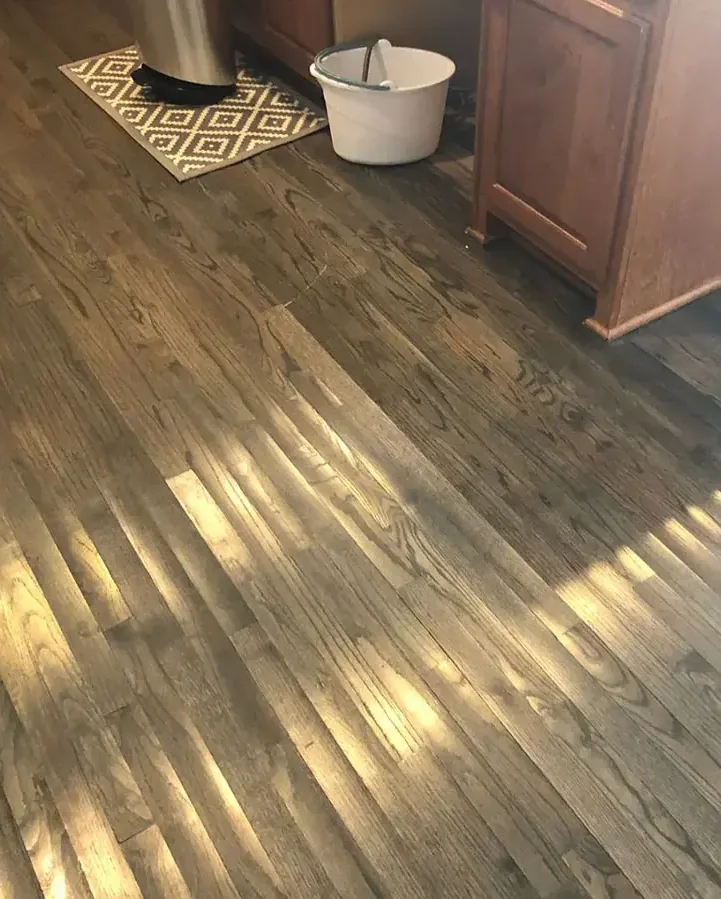
Wood boards can change shape when moisture differs between their upper and lower faces. The visible floor needs assessment together with the subfloor and adjacent materials. Hardwood damage service around Belmont Center, Cushing Square and Waverley Square follows the actual floor assembly and water source. The technician measures the wet boundary and explains retention options without promising that every cupped board will flatten or every finish can remain.
How hardwood floor water damage is handled in Belmont
Identify the floor system
The technician checks whether the floor is solid or engineered, the accessible subfloor and the water source. Reference readings and photos establish the starting moisture and visible condition before a method is chosen.
Remove liquid and expose access
The crew extracts accessible water and explains any required lifting or perimeter opening. Protection of adjoining finishes and contents keeps the work focused on the measured wet assembly.
Track both material layers
The drying team monitors boards and accessible subfloor while controlling humidity and air movement. Readings guide changes to equipment or access, especially where a covering or dense layer slows moisture release.
Coordinate the floor repair
The contractor supplies drying records to support the flooring specialist’s evaluation. Refinishing or replacement follows material condition and installation requirements, with no assumption that a dry-looking surface has completed the entire restoration.
Measure the wood and the layer beneath it
A surface wipe removes the puddle; material measurements reveal moisture beneath the boards. The technician compares readings across the affected floor with suitable unaffected wood and checks accessible subfloor areas. Species, construction, coverings and the water category influence the plan. Engineered and solid flooring can respond differently, so the contractor identifies the material before selecting a drying approach.
- The crew checks doorways and cabinet edges where water may have moved beneath the flooring.
- The technician records the pattern of cupping, swelling or separated finish before work begins.
- The contractor assesses contamination and damage that may make retention unsuitable.
- The household avoids sanding or applying a new finish while the moisture condition remains unresolved.
- The technician records the direction and extent of visible board changes before extraction, giving the flooring specialist a baseline to compare with conditions after moisture levels settle.
- The contractor checks the accessible subfloor near the boundary of the wet boards, ensuring the planned drying area includes layers that can continue feeding moisture into retained flooring.
At a property near Belmont Hill, the inspection still depends on the actual boards and subfloor. The flooring inspection identifies the wood and installation system.
Water still spreading?
A wet wood floor needs checks beneath the visible boards before a refinishing decision. The restoration team records the assembly, controls moisture removal and coordinates the material handoff with the flooring specialist.
(888) 629-3140Review the wood-floor moistureChoose drying access that fits the floor
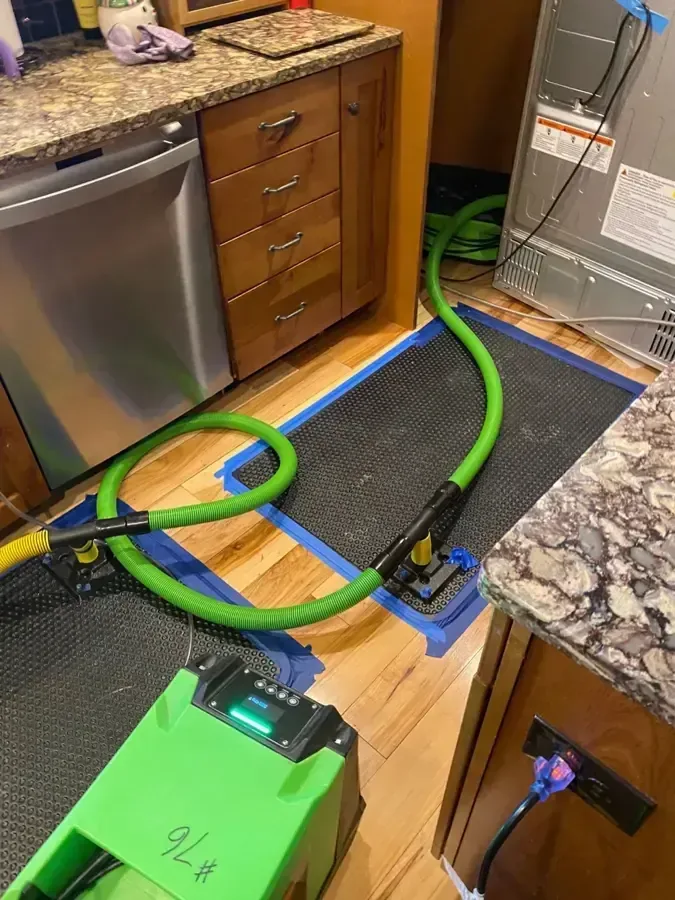
Specialized extraction or drying mats can help with suitable assemblies, while some losses require controlled lifting to reach trapped water. The contractor explains the method and its limits before work starts. Dehumidification supports moisture release, and repeat measurements show whether the floor and subfloor are responding together.
- The crew removes accessible liquid before relying on evaporation to address the remaining load.
- Workers protect adjoining finishes and contents during any necessary floor opening.
- The technician checks whether an impermeable layer prevents moisture from leaving the assembly.
- The contractor changes access or equipment when repeated readings show a stalled area.
The household should avoid forcing the floor dry with unplanned heat or altering the equipment. EPA water information and Ready.gov flood precautions provide general context for water losses, while the material assessment directs the floor-specific work.
Keep the work area safe
The response team checks electricity, unstable surfaces and water contamination before opening wet materials. Household members keep children and pets away from affected rooms. A qualified electrician handles wet circuits. The cleanup crew sets containment when dirty water or debris could reach occupied space, then establishes a safe route for equipment and removed material.
Let the floor condition guide refinishing
A wood surface can feel dry while the lower face or subfloor remains wetter. Sanding at that stage can create a finish problem as the boards later change shape. The drying contractor records moisture conditions and coordinates with the flooring specialist, who evaluates stability, remaining damage and the chosen repair system.
Documentation for your insurance claim
The file includes the water source, affected floor area, board condition, access method and repeated material measurements. Photos before removal preserve the original finish and visible changes. The household checks policy terms with its insurer. The contractor separates extraction and drying from later sanding, finish repair or replacement, documenting the reason for each proposed stage.
First decisions for hardwood floor water damage in Belmont
Record the floor changes
The technician photographs cupping, swelling and visible finish damage before extraction or lifting. Those observations establish a baseline alongside meter readings and help distinguish moisture change from permanent material damage.
Check the subfloor too
The contractor examines accessible layers beneath the boards and at the perimeter. Drying the upper face alone may leave a hidden moisture difference, so the work plan considers the complete affected assembly.
Delay cosmetic repairs
The household avoids sanding or refinishing until the flooring specialist evaluates suitable conditions. Moisture correction and appearance repair are separate decisions, and an early cosmetic step can complicate the eventual result.
Keep equipment coordinated
The drying crew explains mat placement, air movement and humidity control. Household members report access concerns before moving equipment so the technician can preserve the intended setup and maintain useful comparison readings.
What does hardwood floor water damage cost in Belmont, MA?
Hardwood floor water damage drying in Belmont often ranges from $1,200 to $5,500. Floor area, board construction, subfloor moisture and necessary access determine the restoration scope. Sanding, refinishing and replacement carry separate costs.
Limited accessible area
$1,200 to $2,400
- Moisture survey
- Focused extraction
- Controlled drying
Connected wood-floor rooms
$2,400 to $3,800
- More test locations
- Subfloor checks
- Equipment monitoring
Concealed layered moisture
$3,800 to $5,500+
- Controlled floor access
- Specialized methods
- Repair documentation
Category of water, square footage, material class and drying delay shape the scope. Belmont water damage cost calculator gives an estimate only.
Hardwood floor water damage across Belmont
Water damage service covers ZIP 02478, including Belmont Center, Cushing Square, Waverley Square and Belmont Hill. The restoration team assesses the actual wet rooms and access conditions before setting the extraction and drying scope.
Arlington, Waltham, Cambridge, Somerville and Winchester are also within the service area.
Related water damage services in Belmont
Hardwood Floor Water Damage questions in Belmont, MA
Can every cupped hardwood floor be saved?
No single outcome applies to every floor. The contractor considers the water category, board construction, damage and subfloor condition before discussing retention. Moisture correction may improve some changes, while other boards or finishes need replacement. The flooring specialist evaluates the final repair after the drying condition is established.
Why does the subfloor matter when boards feel dry?
Moisture beneath the boards can remain after the exposed face dries. The technician checks accessible subfloor areas and compares the layers rather than judging by touch. A persistent difference can affect shape and repair timing, so the drying plan follows the complete assembly and its response over time.
Should a wet floor be sanded flat immediately?
Sanding should wait until the flooring specialist evaluates moisture and stability. Boards can change shape as the lower layers dry, and premature sanding may create a later finish problem. The restoration team supplies material readings and the drying history so the cosmetic repair follows a sound assessment.
What do floor drying mats accomplish?
On suitable assemblies, specialized mats help remove moisture through the floor system. The contractor checks whether the construction and water conditions make that approach appropriate. Mats work within a broader plan that can include extraction, humidity control and access, with measurements confirming progress rather than the equipment alone proving success.
Does engineered wood need the same treatment?
Engineered flooring has a layered construction that can respond differently from solid boards. The technician identifies the product and checks damage, contamination and access before selecting a method. Some material may be unsuitable for retention, and replacement decisions should reflect the observed condition and the manufacturer’s installation requirements.
When can furniture return to the affected floor?
The contractor explains which areas have suitable conditions and which still need readings or repair access. Heavy furniture can obstruct equipment and conceal a damp area. The household coordinates replacement with the drying and flooring teams so the floor remains accessible until the relevant material and finish decisions are complete.
Set the floor repair on measured conditions
The technician tracks board and subfloor readings before the next sanding, finishing or replacement step.
(888) 629-3140Arrange wood-floor drying checks