Water Heater Leak Cleanup in Belmont, MA
A leaking tank can wet more than the utility area. The cleanup crew checks safe heater isolation, extracts escaped water and follows moisture beneath stored contents, flooring and adjoining walls.
(888) 629-3140Contain the tank-water damage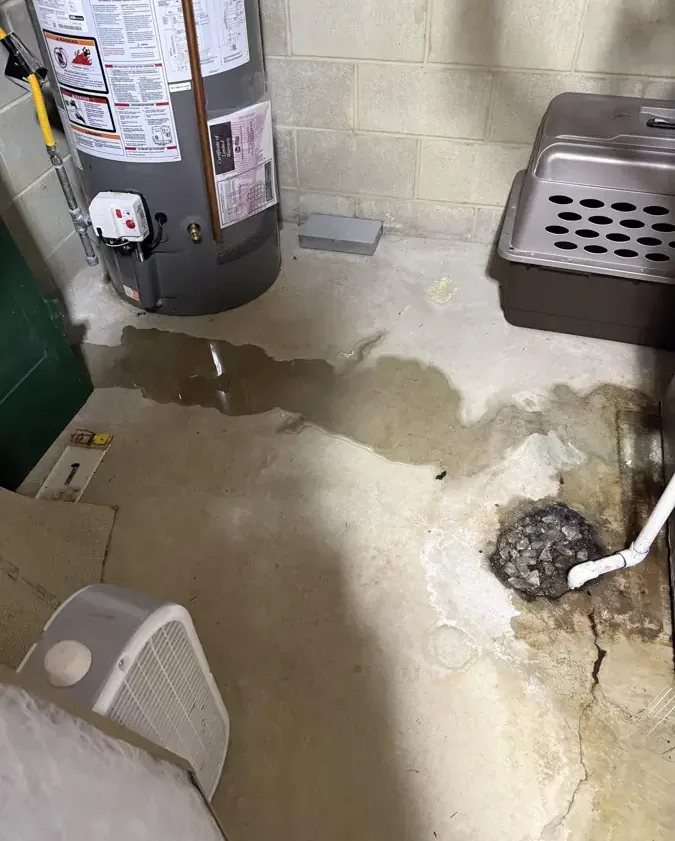
A heater leak can continue feeding water while the first puddle spreads under stored boxes or into an adjoining room. The technician checks the tank area and coordinates with the appropriate plumbing or appliance trade for safe isolation. Belmont properties near Waverley Square, Cushing Square and Belmont Center need an assessment of their own heater location and floor layout. The cleanup team avoids assuming that every tank sits in the same type of room.
How water heater leak cleanup is handled in Belmont
Confirm safe isolation
The crew checks whether water still escapes and whether heater service has made the area safe. The household describes the leak and nearby wet rooms before extraction equipment enters the utility space.
Extract and inventory
The operator removes accessible water while the team records affected contents and wall bases. Moving storage reveals the full floor boundary and helps distinguish wet materials from items that remain dry.
Dry adjoining assemblies
The technician selects equipment for the actual flooring and wall construction. Controlled openings address concealed moisture, while dehumidification and airflow support drying around the tank area and connected rooms.
Coordinate final placement
The contractor records endpoint readings and any remaining repair work. Heater installation and storage replacement can then proceed with an understanding of the dried footprint and the access needed for finish repairs.
Separate heater safety from water removal
Hot water, fuel connections and electrical components make a heater failure more than a routine spill. Household members stay away from wet controls and ask the appropriate professional to address the unit. The restoration crew checks safe access and the flow path before extracting water around the tank or moving nearby contents.
- The technician notes whether the tank, connection or another nearby fixture appears to be leaking.
- The household describes ongoing flow and any water reaching an adjoining room.
- The crew records wet storage containers, wall bottoms and floor coverings before movement.
- The service trade confirms safe heater isolation before restoration work proceeds around the equipment.
- The crew inspects the floor hidden behind stored containers before choosing equipment placement, ensuring the drying footprint includes water that collected away from the tank’s visible edge.
- The contractor records the safe access needed around the replacement unit so the heater service and final moisture checks can proceed without blocking each other’s work area.
The failed unit and resulting room damage require separate scopes. Replacing the heater does not remove moisture already held by the floor or walls.
Water still spreading?
A tank leak can leave wet storage areas and wall bottoms after the appliance work finishes. The cleanup team follows that spread, removes accessible water and keeps the drying footprint clear for repeat checks.
(888) 629-3140Review the heater-water spreadLook beneath storage and along wall bases
Boxes and shelving can hide the outer edge of a tank spill. The crew moves affected contents through a dry route where possible and inspects the surface beneath them. Water can wick into drywall and insulation at the floor even when the visible puddle remains shallow. The technician records those areas on the moisture map.
At a property near Belmont Hill, the inspection follows actual floor transitions and utility penetrations. The team checks adjacent finishes, cabinet bases and any lower room reached by the escape. Controlled access allows wet materials to dry or leave the assembly when retention is unsuitable.
- The contractor separates damp paper goods and porous storage items from unaffected contents.
- The extraction operator clears liquid around accessible equipment bases without disturbing unsafe connections.
- The technician checks flooring layers before selecting air movement and dehumidification.
EPA WaterSense provides household water-efficiency and leak information. Ready.gov flood precautions cover practical safety around water and electrical hazards.
Keep the work area safe
The response team checks electricity, unstable surfaces and water contamination before opening wet materials. Household members keep children and pets away from affected rooms. A qualified electrician handles wet circuits. The cleanup crew sets containment when dirty water or debris could reach occupied space, then establishes a safe route for equipment and removed material.
Finish the dry-out after the new heater is installed
The drying team needs access to the wet footprint even when the equipment replacement happens quickly. The contractor coordinates placement so a new unit or storage arrangement does not hide damp materials. Repeat readings show the condition of wall bases, timber and retained flooring as the room dries.
Documentation for your insurance claim
The record distinguishes the failed heater, its service or replacement and the resulting water damage. The cleanup contractor supplies photos, affected contents notes, extraction areas and daily moisture readings. The household checks policy terms with its insurer and retains the heater technician's findings. An itemized scope explains the restoration work without treating equipment replacement as automatically covered.
First decisions for water heater leak cleanup in Belmont
Avoid wet heater controls
Household members leave wet electrical or fuel-related controls to the appropriate service professional. The restoration team checks safe access and coordinates isolation before beginning removal around the failed heater and its connections.
Clear reachable belongings
Small dry items can leave the room from a safe position. The crew handles wet or heavy contents carefully, recording their condition and checking the hidden floor surface before storage returns.
Inspect beyond the tank
The technician follows moisture through doorways and around wall bottoms. A shallow tank spill can affect a wider assembly than the first visible puddle, especially under coverings or stacked belongings.
Keep the wet footprint accessible
The contractor coordinates the dry-out with heater replacement. New equipment and shelving should not obstruct material checks before the retained floor and walls reach their documented drying goal.
What does water heater leak cleanup cost in Belmont, MA?
Water heater leak cleanup in Belmont typically ranges from $800 to $4,000. The wet footprint, stored contents, flooring layers and wall access determine restoration costs. Heater repair or replacement and finish rebuilding are separate expenses.
Accessible utility floor
$800 to $1,600
- Liquid extraction
- Nearby moisture checks
- Limited drying
Adjoining finished room
$1,600 to $2,800
- Floor-layer access
- Contents movement
- Wall-base drying
Concealed extended spread
$2,800 to $4,000+
- Controlled openings
- More equipment
- Detailed records
Category of water, square footage, material class and drying delay shape the scope. Belmont water damage cost calculator gives an estimate only.
Water heater leak cleanup across Belmont
Water damage service covers ZIP 02478, including Belmont Center, Cushing Square, Waverley Square and Belmont Hill. The restoration team assesses the actual wet rooms and access conditions before setting the extraction and drying scope.
Arlington, Waltham, Cambridge, Somerville and Winchester are also within the service area.
Related water damage services in Belmont
Water Heater Leak Cleanup questions in Belmont, MA
Should the household touch a leaking heater?
Wet controls, hot water and fuel or electrical connections require caution. Household members should keep clear of unsafe equipment and contact the appropriate service professional for isolation. The restoration crew addresses the escaped water once safe access is established and records damage around the unit and adjoining materials.
Does a new heater solve the water damage?
A replacement stops the failed unit from continuing the loss, but it does not dry water already absorbed by the building. The technician checks flooring and wall bases, extracts liquid and monitors the remaining moisture. The installation and dry-out need coordination so new equipment does not conceal a wet area.
Why inspect storage beside the heater?
Containers and shelves can hide water beneath them and keep floor surfaces damp. The crew checks accessible storage items, moves them safely and records their condition. Porous contents need separate assessment from the structure. Clearing the footprint also allows the technician to measure the full affected floor area.
Can tank water reach another room?
Water can cross thresholds, follow floor slopes or move beneath wall finishes. The technician checks connected areas instead of stopping at the utility-room doorway. Moisture readings help define the actual boundary, including any lower ceiling or concealed floor layer affected before the source was isolated.
What if the heater sits on concrete?
Concrete still needs moisture assessment, and nearby drywall, timber or stored belongings can hold more water than the slab surface shows. The contractor removes accessible liquid and evaluates each affected material. Replacement flooring or storage should wait until the relevant surface and retained assembly meet suitable conditions.
What belongs in the restoration record?
The cleanup file includes the reported source, wet rooms, contents observations, photographs before movement and daily material readings. The household retains the heater service diagnosis separately. Those records distinguish unit replacement from extraction and drying, helping the insurer evaluate the submitted scope under the actual policy terms.
Dry the room as well as replacing the tank
The restoration crew coordinates material access with the heater service and records the retained floor and wall condition.
(888) 629-3140Arrange tank-leak water removal