Basement Water Removal in Cambridge
A basement can collect water from a pipe, a drain or an exterior opening. The removal plan starts with the source and safe access, then follows moisture into storage, partitions and finished floor layers.
(888) 629-3140Discuss the wet lower rooms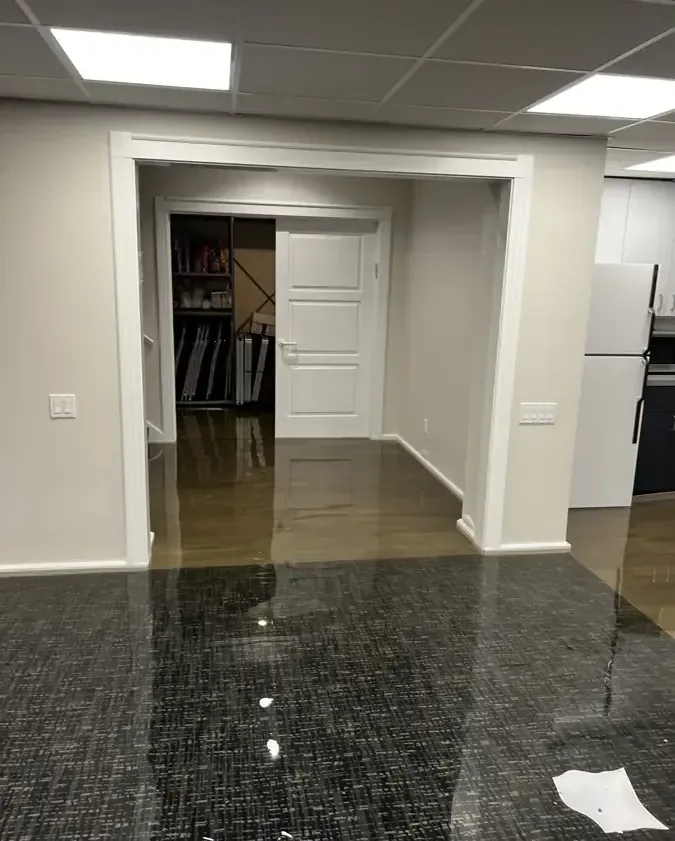
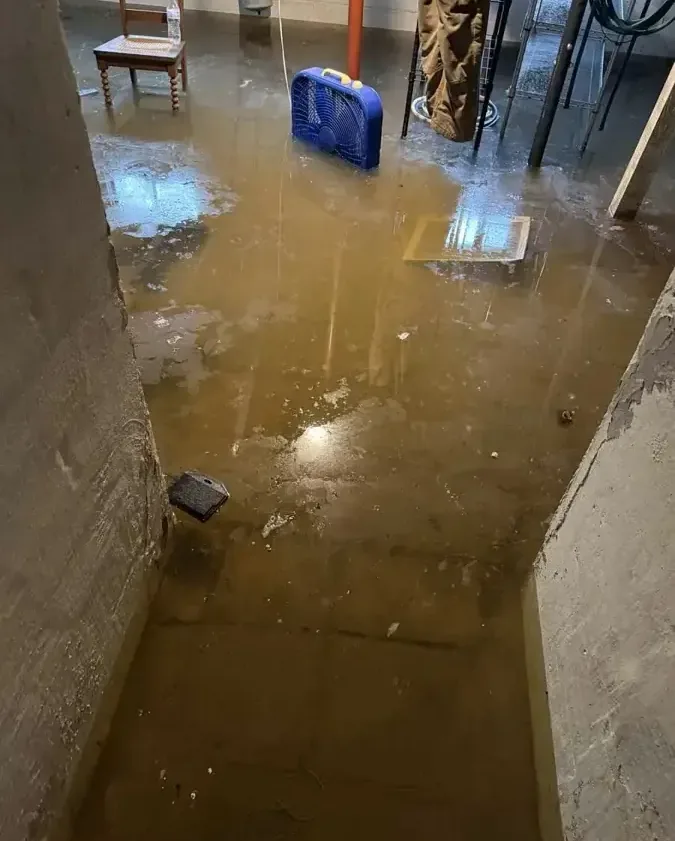
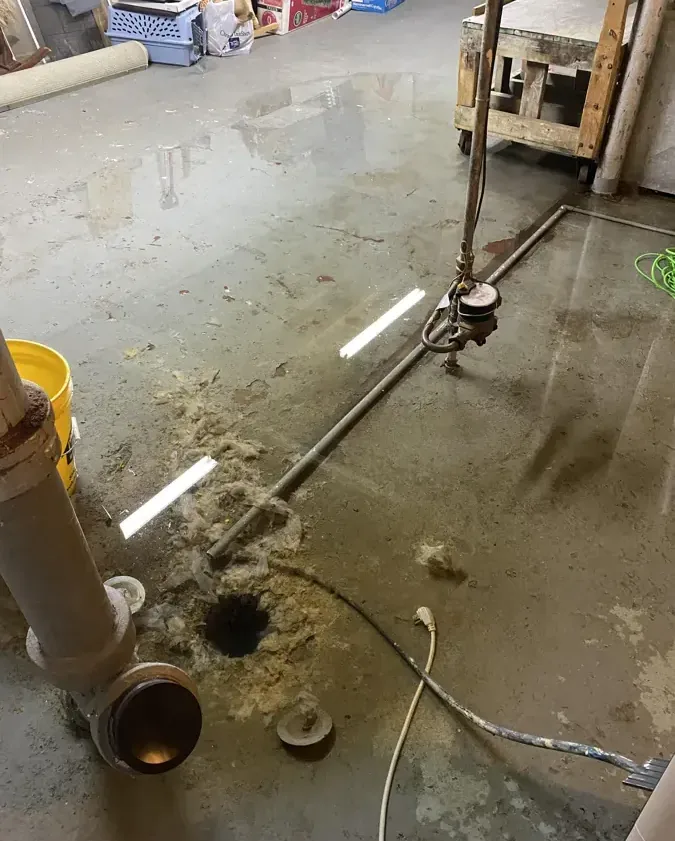
Water at the bottom of the stairs can conceal the route that brought it into the building. A burst pipe, overflowing drain and outdoor entry each need a different source response. Cambridge directs homeowners with sewage backups to a plumber or drain cleaner first, and requires backwater protection for below-grade living areas. The interior assessment should establish the actual water condition before choosing how to recover it or handle affected basement finishes.
How basement water removal is handled
Assess water condition and lower-level use
The survey identifies entry clues, contamination concerns and the materials present. Finished living areas, storage and utility equipment each add different access and handling decisions to the basement water removal plan.
Clear accessible pooling and affected debris
Recovery follows a route designed around stairs and occupied rooms above. Wet contents are documented and handled appropriately, while pockets beneath shelving or inside connected rooms are included in the removal boundary.
Evaluate finishes after the floor clears
Wall bases, coverings and concealed layers are checked for retained moisture and damage. Necessary access or removal decisions prepare the remaining assembly for cleaning and drying rather than simply improving the open floor's appearance.
Monitor and plan the room's return
Material observations establish drying progress and remaining repairs. The closing record identifies source work, replacement finishes and storage restrictions so the lower room can return to use around a clear completion sequence.
Make the lower-level approach part of the plan
Stairs, stored belongings and mechanical equipment can complicate access to pooled water. Keep occupants away from wet electrical equipment and avoid entering an area whose safety is unclear. The removal route needs room for hoses and for any damaged items leaving the basement. A clean landing above should remain separate from wet contents and debris, especially when drain water or outdoor flooding is involved.
- Identify whether the basement is finished, used for storage or shared with building equipment.
- Report active entry and the observed source before anyone begins moving affected contents.
- Photograph the water boundary and lower wall damage from a safe accessible location.
- Include closets and enclosed utility areas that may collect water beyond the open room.
- Keep disposal decisions documented so damaged belongings, contaminated packaging and removed building finishes remain distinguishable in the loss record.
A basement that appears nearly empty can still contain moisture beneath finishes or behind partitions. The inspection should not stop when the center of the floor is clear of liquid.
Water still spreading?
A flooded lower room needs a source-specific removal plan and a careful look at the layers left behind. Describe the entry route, basement use and affected storage so assessment can connect water recovery with cleaning, drying and the repairs still required.
(888) 629-3140Assess lower-level water removalUse drainage context without losing the property detail
The Port, Agassiz and Mid-Cambridge were identified as beneficiaries of stormwater storage in a May 2022 city report. Alewife was also a focus of flood resilience planning in that report. For an affected basement, the observed entry point remains the practical starting place. Record whether water crossed an opening, rose at a drain or escaped from interior equipment before cleanup changes those clues.
Storm and flood cleanup addresses outdoor water and deposited debris. Sewage backup cleanup covers contaminated drain releases and the coordination they require. The basement removal scope should incorporate the appropriate handling while identifying the floor and wall materials that can remain for drying.
- Inspect under shelving where cardboard and furniture bases may hide shallow pooling.
- Check both faces of accessible low partitions where water crossed the room boundary.
- Record the condition beneath floor coverings before deciding whether they can stay.
Keep the work area safe
The response team checks electricity, unstable surfaces and water contamination before opening wet materials. Household members keep children and pets away from affected rooms. A qualified electrician handles wet circuits. The cleanup crew sets containment when dirty water or debris could reach occupied space, then establishes a safe route for equipment and removed material.
Restore the lower room beyond pumping
After accessible water is removed, cleaning and material decisions prepare the room for drying. Finished walls, insulation and floor layers can retain moisture after open concrete appears improved. Equipment needs access to the retained assembly, and readings should track relevant material points. Source repairs and rebuilding remain visible in the scope so a cleared floor does not become the only measure of completion.
Keep storage from concealing the final condition
Returning boxes and furniture too early can block drying or cover an area still awaiting inspection. The handoff should explain which storage positions can be used again and which finishes need repair first. A clear room record helps the owner rebuild the usable space around the completed work rather than immediately hiding the lower wall and floor edges again.
First decisions for basement water removal
Describe the access from upstairs
Report the stair arrangement, visible water and any mechanical or electrical equipment in the affected area. Stay outside unsafe pooling while the assessment establishes an appropriate approach and equipment route into the lower level.
Identify the observed entry source
Explain whether water appeared at a pipe, drain, doorway or other opening. That information directs source investigation and handling decisions, particularly when dirty water may have contacted stored belongings or finished room materials.
Record contents in their wet position
Safe photographs of shelves, boxes and furniture help show the depth and spread before movement. Keep affected items separate from dry possessions so the removal route does not transfer contamination into clean living areas.
Coordinate the source repair alongside removal
A plumber, drainage specialist or exterior repair trade may need access while cleanup proceeds. Keep those responsibilities clear so the room is not refilled or newly exposed material rewetted during the removal and drying stages.
What does basement water removal cost in Cambridge, MA?
Cambridge basement removal ranges reflect access, finish type and water contamination. An open utility area differs from furnished lower rooms with concealed layers. The assessment should separate source repairs from removal, cleaning, drying and later reconstruction.
Unfinished accessible area
$1,000 to $2,500
- Open floor recovery
- Storage edge inspection
- Localized material monitoring
Finished lower room
$2,500 to $4,800
- Wall base assessment
- Floor covering decisions
- Retained assembly drying
Extensive or dirty-water loss
$4,800 to $7,500+
- Controlled contents handling
- Broad contamination assessment
- Complex access coordination
Category of water, square footage, material class and drying delay shape the scope. water damage cost calculator gives an estimate only.
Basement water removal across Cambridge
Basement assessments serve Cambridge properties in The Port, Agassiz, Alewife and nearby neighborhoods. Explain the lower room's use, observed entry point and stair access so removal planning includes both the water and affected finishes.
The same service nearby: basement water removal in Belmont, Somerville, Arlington.
Related water damage services in Cambridge
Basement Water Removal questions in Cambridge, MA
Can a basement be considered dry after pumping?
Pumping clears accessible liquid, but wall bases, insulation and floor layers may still contain moisture. The remaining assembly needs inspection and a drying plan. A useful completion record addresses those materials rather than relying on the appearance of the open floor after water removal equipment leaves.
Who should be contacted when water rises through a drain?
The city directs homeowners to a plumber or drain cleaner first for sewage backup. If the blocked connection to the public main cannot be cleared, the Sewer Division is the next contact. Interior removal and contamination handling should be coordinated with those findings so the source remains part of the plan.
Should stored boxes go back as soon as the floor clears?
Wait until the area underneath has been assessed and any drying access needs are understood. Boxes can hide wet edges or obstruct equipment. The handoff should identify which storage areas are ready and which remain open for material monitoring, cleaning or unfinished wall and floor repairs.
What changes when the basement is a living area?
Finished walls, insulation, flooring and furnishings add layers that can absorb water and conceal spread. The assessment needs to follow those assemblies beyond the puddle. Plumbing protection for below-grade living space also belongs in the source repair discussion, while existing damage receives its own cleanup and drying scope.
Can the original source be identified after water is removed?
It may be harder when entry clues have been cleared, so initial observations and safe photographs are useful. Record whether water appeared at an opening, pipe or drain. The appropriate trade should investigate the actual source, with cleanup records preserving the indoor extent and materials affected.
What belongs in the basement restoration handoff?
Include the source status, rooms checked, contents decisions, finishes removed and material drying observations. List any remaining entry repairs or rebuilding work separately. Those details help the owner coordinate the return of storage and room use without concealing wet layers or unfinished areas beneath new furnishings.
Discuss basement access and finishes
A record of the source and wet materials helps organize the room's return to use after the open water is gone.
(888) 629-3140Assess the basement water path