Sewage Backup Cleanup in Cambridge
Water rising from a drain changes the priorities immediately. Keep occupants away from the affected room while the blockage is investigated and contaminated surfaces, belongings and porous finishes are assessed.
(888) 629-3140Discuss a contaminated room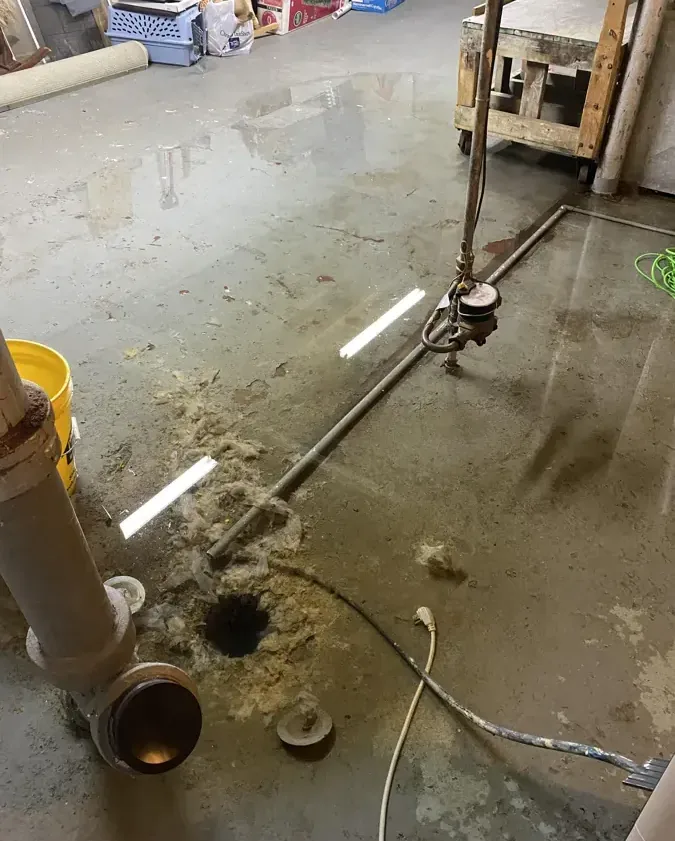
A drain backup can contaminate the floor long before water reaches the top of stored boxes or furniture. Foot traffic can then carry that material into clean rooms. Cambridge directs homeowners with a sewage backup to contact a plumber or drain cleaner first. If the contractor cannot clear the blocked connection to the public sewer main, the Sewer Division is the next contact. Interior cleanup needs its own scope alongside that drainage work.
How sewage backup cleanup is handled
Define the contamination boundary
The assessment follows water contact across the floor, wall bases and contents. It identifies a controlled route for equipment and disposal so unaffected rooms remain separate throughout the dirty-water work.
Remove water and unsalvageable material
Recovery and material handling reflect the source and exposure. Porous finishes that cannot be adequately cleaned are addressed separately from hard surfaces that can be reached and treated appropriately.
Clean the exposed assembly
Accessible surfaces receive cleaning suited to the material and contamination. Newly exposed cavities are inspected before drying equipment is arranged, preventing the work from simply blowing air across an untreated loss.
Dry and assess the room
Retained structural materials need moisture monitoring after cleaning. The handoff records completed work, removed finishes and any remaining drainage or rebuilding tasks before the affected space is returned to ordinary use.
Separate the dirty area from occupied rooms
The first boundary should account for the visible water and anything moved through it. Shoes, containers and equipment can spread contamination beyond the initial puddle. Keep children and pets away, stop using fixtures that worsen the backup and avoid directing household fans across the affected area. A safe work route helps remove water and damaged material without repeatedly crossing dry living spaces.
- Photograph the affected floor from a clean position before anyone moves wet contents.
- Identify absorbent items that contacted the water, including boxes, carpet padding and upholstered furniture.
- Keep the drain repair contractor informed if water returns after an attempted clearance.
- Inspect low wall finishes and cabinet bases where contaminated water could have been absorbed.
- Separate decisions about washable surfaces from those concerning porous materials, because drying alone does not resolve contamination within an absorbent item.
Owners are responsible for sewer and stormwater laterals connecting to public mains. That responsibility makes a clear record of the plumbing findings useful when deciding which repairs accompany the cleanup.
Water still spreading?
A sewage backup needs a controlled work area and a resolved drainage problem. Explain the fixtures involved, affected finishes and whether the water is still rising so the assessment can organize removal, material handling and the next cleaning decisions.
(888) 629-3140Arrange drain overflow cleanupConsider the system and the actual indoor source
The city has combined sewers that carry stormwater and wastewater together. Significant rainfall can produce overflows into the Charles River and Alewife Brook. An indoor loss still requires identification of its own entry route and drain condition. Near The Port, a backed-up fixture and outdoor water entering a doorway call for different source investigations even if both leave a wet lower room.
Cleanup of contaminated finishes follows the affected materials rather than the appearance of the water. Clear-looking liquid can still require careful handling when it came through a drain. Basement water removal addresses the lower-level removal stage, while structural drying supports retained materials after contamination has been addressed.
- Record the fixtures involved and whether drainage changed after the blockage was cleared.
- Explain how affected porous finishes will be removed or assessed before the room is reused.
- Include cleaning access beneath movable contents and around floor edges in the work boundary.
Keep the work area safe
The response team checks electricity, unstable surfaces and water contamination before opening wet materials. Household members keep children and pets away from affected rooms. A qualified electrician handles wet circuits. The cleanup crew sets containment when dirty water or debris could reach occupied space, then establishes a safe route for equipment and removed material.
Return the room to use in a deliberate sequence
Clearing the drain stops one part of the problem. Contaminated water removal, suitable cleaning and material decisions remain necessary inside. The room then needs drying appropriate to the retained assembly. A final walk-through should identify areas still awaiting repairs or replacement contents so normal use does not resume around an unfinished contaminated surface.
Discuss future protection with the plumber
Cambridge requires homeowners to install a backwater valve to protect below-grade living areas from sewer backup. That plumbing protection belongs in the repair discussion. It does not replace cleanup of the current loss, and the restoration scope should keep the two tasks distinct so the owner can follow what has been completed and what remains.
First decisions for sewage backup cleanup
Close off the affected area
Keep occupants and animals away from sewage water and wet contents. Avoid carrying items through clean rooms until the removal route and handling approach have been established for the contaminated area.
Contact the drainage specialist
Arrange a plumber or drain cleaner to assess the blockage. Explain which fixtures overflowed and whether water is still entering, then keep the cleanup assessment informed of the repair findings and restrictions.
Preserve a clean observation point
Take photographs without stepping into the water. Include low shelves, floor coverings and the affected drain so the initial extent remains clear when contaminated items are later moved or removed.
Share the building arrangements
Notify the owner or manager when the backup affects shared access or multiple occupied spaces. Identify clean entry routes, storage constraints and any occupants who need a different route while cleanup proceeds.
What does sewage backup cleanup cost in Cambridge, MA?
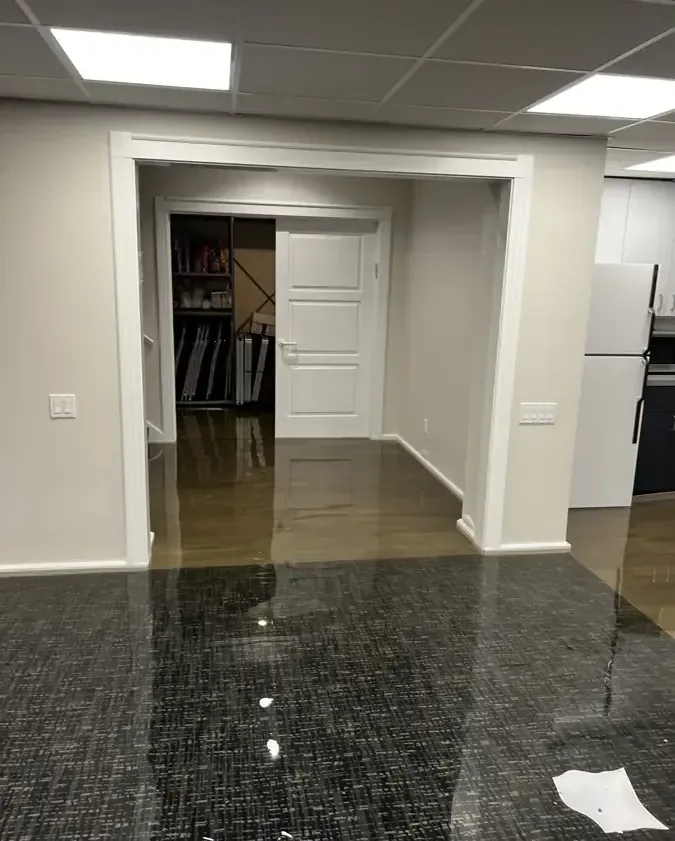
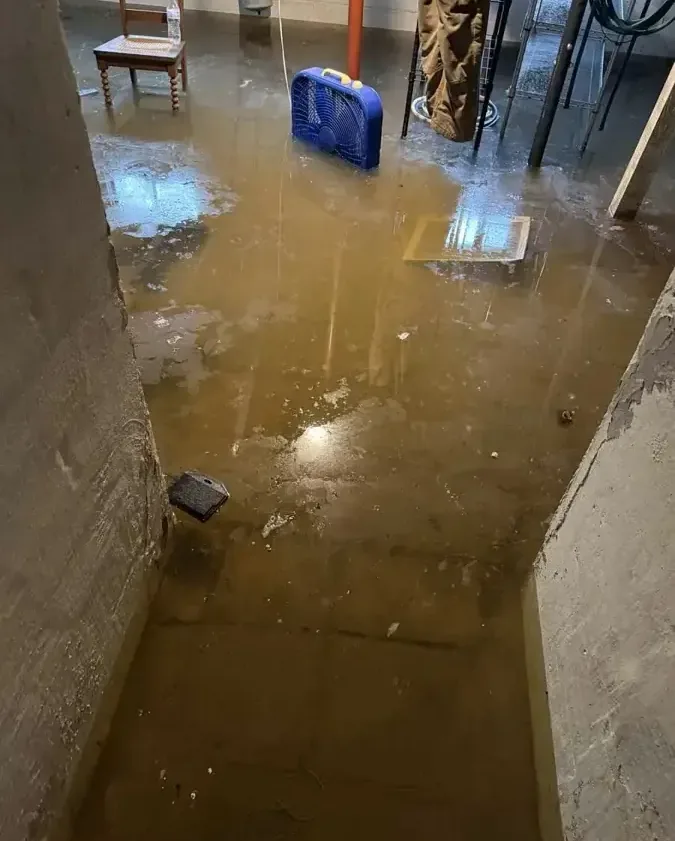
Cambridge sewage cleanup ranges depend on contamination spread, porous material removal and safe access. A hard floor with limited exposure differs from occupied rooms with absorbent finishes. Drain repair and rebuilding should be identified separately in the estimate.
Contained hard-floor area
$2,000 to $3,500
- Accessible surface cleaning
- Controlled water recovery
- Localized drying needs
Finished-room contamination
$3,500 to $6,000
- Porous finish assessment
- Contents handling decisions
- Exposed assembly cleaning
Several affected spaces
$6,000 to $9,000+
- Broader contamination boundary
- Multiple access routes
- Extended material removal
Category of water, square footage, material class and drying delay shape the scope. water damage cost calculator gives an estimate only.
Sewage backup cleanup across Cambridge
Sewage cleanup assessment covers Cambridge properties in The Port and other neighborhoods. Provide the affected room, drain contractor's findings and any shared access restrictions so contamination control can fit the occupied building.
The same service nearby: sewage backup cleanup in Belmont, Somerville, Arlington.
Related water damage services in Cambridge
Sewage Backup Cleanup questions in Cambridge, MA
Can the room be used after the drain clears?
Drain clearance resolves the obstruction but leaves any contamination already deposited indoors. Water removal, material assessment and suitable cleaning still need completion. The room may also contain wet structural layers that require drying before finishes are repaired and normal occupancy can resume safely.
Why should household fans stay off initially?
Airflow across untreated sewage water can disturb contaminated material and spread it beyond the original area. The first tasks are access control, water recovery and cleaning decisions. Drying equipment belongs in a coordinated plan after the affected surfaces and retained materials have been addressed.
What happens if the plumber cannot clear the connection?
The city's sequence is to contact the Sewer Division when a plumber or drain cleaner cannot clear the blocked connection to the public sewer main. Keep the plumbing findings available. Cleanup planning also needs to know whether the obstruction remains and whether additional water could enter.
Can wet cardboard boxes be kept?
Cardboard readily absorbs dirty water and is difficult to clean through its thickness. The contents require separate evaluation, especially when contamination reached absorbent items inside. Photograph the affected belongings before disposal where practical and keep contaminated packaging away from clean storage and occupied rooms.
Does a backwater valve remove the cleanup need?
A valve is plumbing protection intended to help prevent sewer backup into protected areas. It does not clean materials already exposed during a loss. Discuss its condition and suitability with the plumber while the restoration scope addresses the water, contamination and damaged finishes inside.
How should a lower room be documented?
Capture wide views showing the water path, then record affected finishes and possessions individually where access is safe. Retain the drain contractor's findings and cleanup scope together. This creates a clearer account of the obstruction, interior exposure and repairs than a photograph of the drain alone.
Discuss contaminated floor surfaces
Keep the room separate while plumbing findings and interior cleanup needs are brought together into a practical scope.
(888) 629-3140Assess sewage cleanup needs