Slab Leak Cleanup in Somerville
A damp patch over concrete raises questions about both plumbing and flooring. The repair route should follow the located leak, while cleanup addresses water already absorbed into the surrounding assembly.
(888) 629-3140Discuss moisture beneath the floor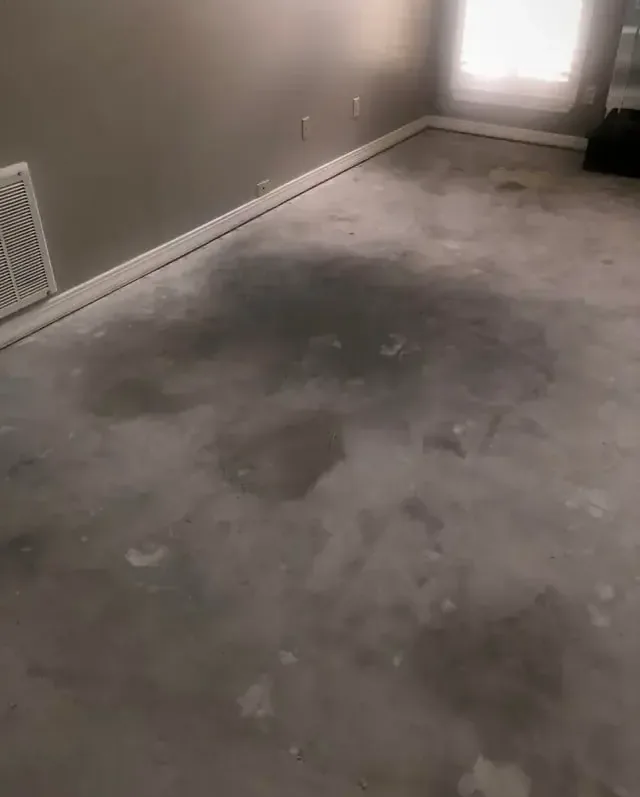
Cutting into a floor before locating a leaking pipe can turn a focused repair into a larger disruption. Somerville water services may contain lead, iron, galvanized steel, brass, plastic or copper. The city warns that non-copper services can corrode, leak or fail. A damp interior surface therefore calls for identification of the actual pipe and floor assembly before access is planned. The plumbing specialist locates the fault, and the cleanup assessment follows moisture that has already reached coverings, adhesive, trim or adjacent walls.
How slab leak water damage is handled
Inspect the floor assembly
The assessment establishes which layers are present and where moisture is measurable. Observations are compared with the plumber's location work to distinguish the source opening from the broader affected floor area.
Open only useful access
Selected coverings or trim are removed where needed to reach damaged materials. The purpose of each opening is documented so the scope remains tied to inspection, pipe repair or effective material drying.
Manage moisture beyond the pipe
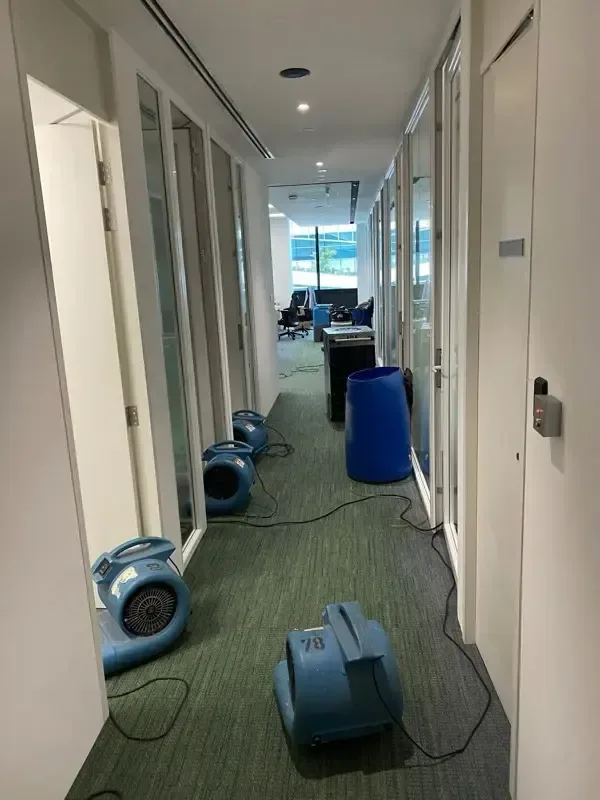
Once the source is corrected, equipment and access are arranged around remaining wet layers. Concrete, nearby framing and absorbent finishes receive separate attention because their drying behavior and replacement needs can differ.
Check readiness for coverings
The final assessment considers the exposed substrate and connected wall or floor materials. Outstanding reconstruction work is identified clearly, with records available for the contractor responsible for restoring the finished surface.
Separate the pipe location from the wet footprint
The wettest visible patch may sit beyond the leaking component because water travels along joints and beneath finishes. Record the full affected area, including thresholds into another room. A property around Teele Square needs the same direct inspection of its own construction as any other building. The square's low-rise masonry commercial buildings offer neighborhood context, while the floor itself determines the work.
- Identify whether the inspected surface is exposed concrete or a covering concealing another floor layer.
- Ask the plumbing specialist to mark the planned access area before surrounding finishes are removed.
- Check nearby wall bottoms where moisture can leave the floor assembly and enter absorbent materials.
- Keep samples or photographs of affected finishes when removal is needed for access and inspection.
- Check adjoining room readings so the repair opening does not become the assumed limit of the damage.
- Distinguish water remaining in concrete from a continuing plumbing release that needs further source correction.
Water still spreading?
A concealed floor leak needs an organized sequence from pipe location to finish replacement. Describe the damp patch, the floor covering and any completed plumbing inspection so the cleanup discussion starts with the actual assembly.
(888) 629-3140Check the wet floor assemblyCoordinate limited opening with a broader drying assessment
Where flooring must be lifted, the exposed layers provide a better picture of the moisture path. Adhesive, underlayment and wall bases may need different treatment from the concrete beneath them. An opening intended for pipe repair does not automatically provide adequate access for every wet material. The scope should explain which removals serve plumbing and which serve cleanup, with photographs showing the difference.
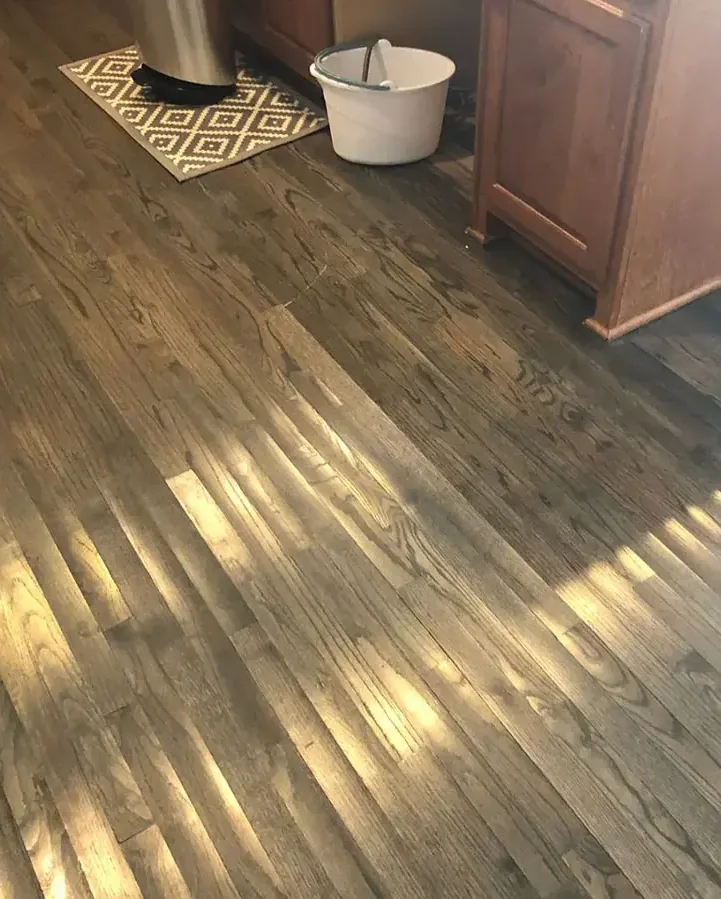
Magoun Square also developed with low-rise masonry commercial buildings. Occupancy and usable entrances can affect how floor access is scheduled in a commercial setting. The work area needs separation from foot traffic, and equipment placement should preserve a practical route around it. If wood flooring has absorbed moisture above the slab, hardwood floor assessment considers the boards and underside together.
- Protect clean floor surfaces along the route used to remove wet materials.
- Reassess the exposed concrete after the leaking plumbing component has been repaired.
- Keep the repair area accessible until the remaining moisture conditions have been checked.
Keep the work area safe
The response team checks electricity, unstable surfaces and water contamination before opening wet materials. Household members keep children and pets away from affected rooms. A qualified electrician handles wet circuits. The cleanup crew sets containment when dirty water or debris could reach occupied space, then establishes a safe route for equipment and removed material.
Choose replacement timing from the material condition
A surface can lighten as it dries while a deeper layer still holds moisture. The contractor responsible for replacement flooring needs the condition of the substrate considered before adhesive or coverings return. Structural drying and dehumidification can support the remaining work when the loss extends into surrounding assemblies. Measurements should be retained alongside the plumbing repair record.
Give the owner a usable scope
Ball Square's masonry commercial setting is another reminder that floor access may affect occupied premises. A written sequence should identify plumbing work, material removal, drying and finish replacement separately. That sequence makes it easier to coordinate trades and avoid closing a repair opening while adjacent building layers still need attention.
First decisions for slab leak water damage
Record the visible floor changes
Photograph damp patches, lifted flooring and discoloration before placing rugs or furniture over them. Include nearby wall edges so the inspection can compare the original appearance with conditions after source repair.
Arrange location of the plumbing fault
A qualified plumbing professional should investigate the suspected leak before the floor is cut. Provide details of water use changes and previously observed seepage so the investigation can follow the actual plumbing route.
Protect the proposed work route
Move dry, portable belongings outside the likely access area when safe. Keep heavy furniture and fixed cabinets for the inspection so unnecessary movement does not damage flooring or conceal the wet boundary.
Clarify the repair sequence
Discuss who handles the pipe, the wet materials and the replacement finish. Separating these responsibilities helps prevent the floor from being closed while concealed moisture still requires evaluation or additional drying access.
What does slab leak water damage cost in Somerville, MA?
Somerville slab leak cleanup pricing reflects access, affected floor layers and the reach of concealed moisture. These ranges help plan the restoration portion; pipe location, plumbing repair and replacement flooring should be identified separately within the overall project.
Limited floor opening
$1,500 to $3,000
- Focused access area
- Localized wet finishes
- Nearby wall checks
Connected floor areas
$3,000 to $5,000
- Several affected layers
- Adjoining room assessment
- Expanded drying arrangement
Dense or concealed loss
$5,000 to $7,500+
- Restricted substrate access
- Extensive hidden moisture
- More material removal
Category of water, square footage, material class and drying delay shape the scope. water damage cost calculator gives an estimate only.
Slab leak water damage across Somerville
Floor leak assessments consider the actual construction of each property, whether occupied as a home or business. Access arrangements, connected rooms and existing finishes help define the scope before any floor opening.
The same service nearby: slab leak water damage in Belmont, Cambridge, Arlington.
Related water damage services in Somerville
Slab Leak Water Damage questions in Somerville, MA
Does a damp concrete floor establish a pipe leak?
A damp surface prompts investigation of possible water routes, including plumbing and surrounding entry points. The floor construction and moisture pattern need direct assessment. A plumbing specialist can locate a suspected supply fault, while the cleanup inspection establishes which materials are wet and what access they require.
Must the whole floor be removed?
Removal should follow the affected layers and the access needed for repair or drying. A limited area may be sufficient in some situations, while water beneath a continuous covering can require wider work. The proposed scope should explain the purpose of each opening before removal extends into another room.
Can the repair opening stay damp after the pipe is fixed?
Yes. Correcting the plumbing stops the release, but concrete and nearby absorbent materials can retain water afterward. Repeated assessment helps distinguish retained moisture from renewed seepage. Floor replacement should wait for the appropriate substrate condition rather than proceed solely because the pipe repair has been completed.
Who owns the buried water service?
The homeowner owns the water service beneath the property. The city owns the section between the property boundary and the water main. Identifying which portion is involved helps organize the source repair discussion, while interior cleanup still needs its own assessment of affected finishes and building materials.
Can a floor covering hide the extent of damage?
Water can move beneath a covering and appear at a seam or room edge some distance from its entry into that assembly. Inspection should include connected surfaces and wall bottoms. A selective opening may be useful when surface readings and the visible patch do not explain the whole wet area.
What should be settled before new flooring goes down?
The source repair, remaining moisture condition and requirements of the replacement floor system should be checked together. Cleanup records help explain where materials were removed and where drying occurred. The replacement contractor can then assess the prepared surface before installing adhesive, underlayment or a new covering over it.
Arrange a slab moisture assessment
Keep the source repair record available alongside photographs of the original floor damage and surrounding room edges.
(888) 629-3140Discuss access beneath the finish