Hardwood Floor Water Damage in Arlington
Raised board edges show that a wood floor has changed, but the surface cannot describe every layer beneath it. Assessment measures the boards and supporting materials before selecting a recovery or replacement approach.
(888) 629-3140Discuss changes in the wood floor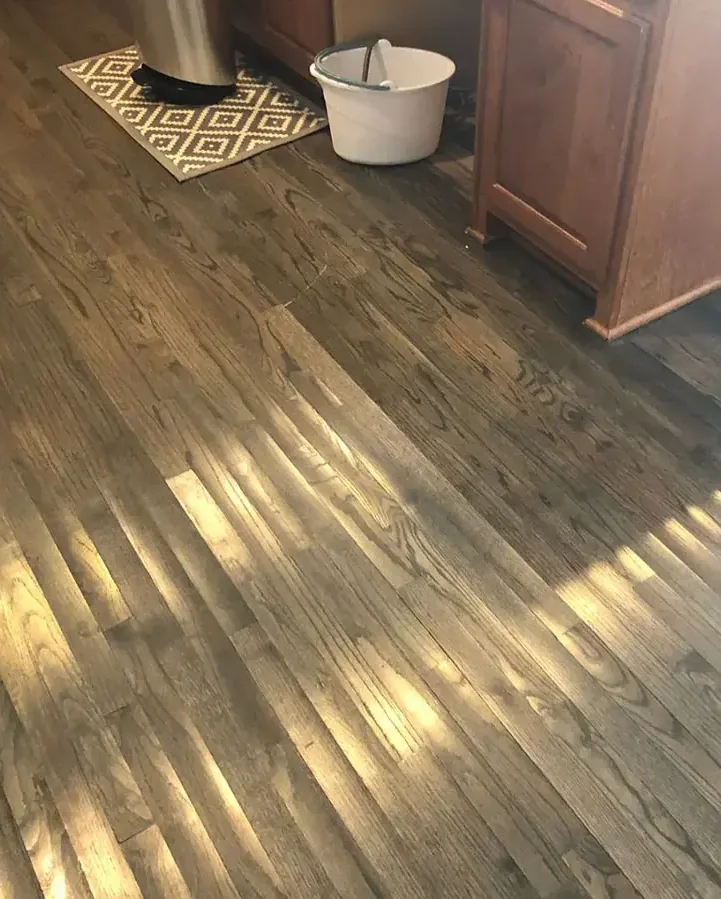
A ridge at a board edge can be the first noticeable change after a water escape. In Arlington, the assessment belongs to the floor actually installed at the property: its wood, finish, attachment, and supporting layers. A home in Poets' Corner may present a doorway transition, while a property near Old Schwamb Mill may have a wet area beneath furniture. Both situations call for inspection of the hidden assembly before a repair decision is based on the surface alone.
How hardwood floor water damage is handled
Map the visible floor changes
The survey records raised edges, transitions, and the water route. Measurements identify specific materials and locations, providing a clearer account of the affected floor than surface appearance or a general description of the room.
Evaluate access beneath the boards
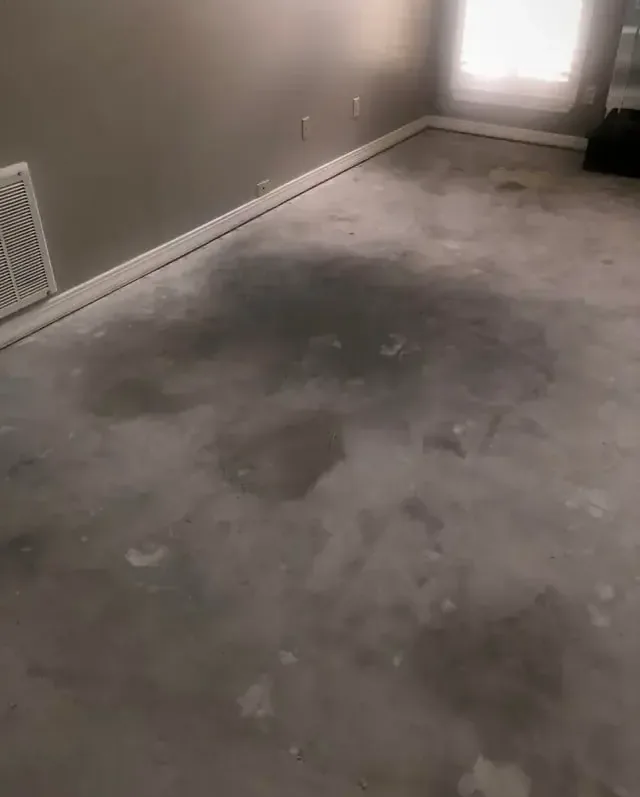
Construction and moisture observations determine whether concealed layers can be reached. Selective removal is considered when damage, contamination, or barriers prevent suitable drying, with the reason documented before the repair scope is finalized.
Dry suitable retained floor layers
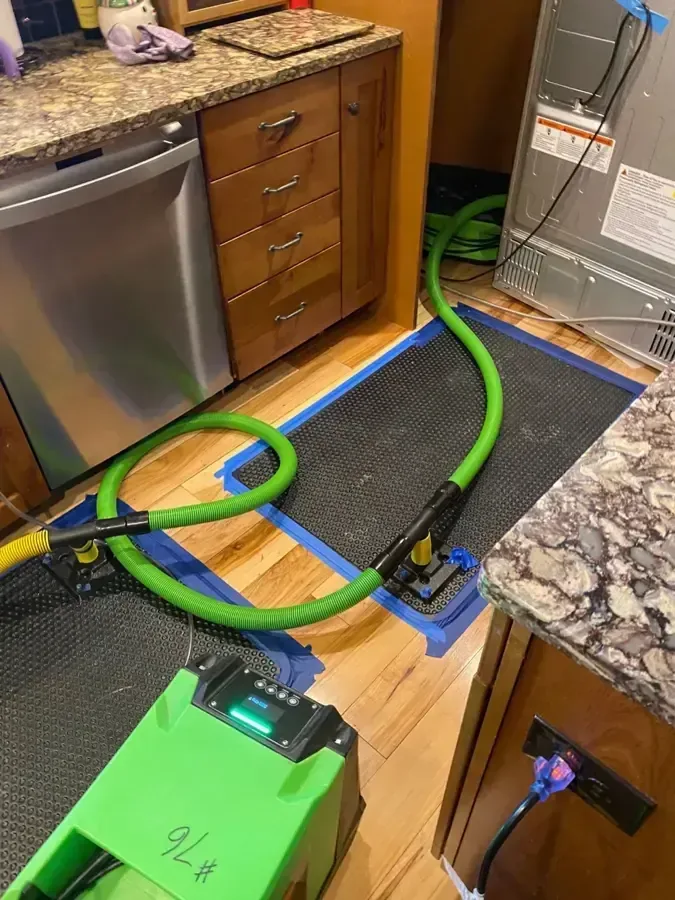
Equipment follows the accessible assembly and its condition. Repeat observations track boards and supporting layers separately where practical, helping determine whether progress reaches hidden moisture beneath the finish rather than only exposed surfaces.
Prepare the flooring decision record
The handoff identifies retained boards, exposed subfloor, and source repairs. The flooring professional can consider these findings alongside installation requirements when choosing repair or replacement after the affected assembly has been assessed for moisture.
Read the board changes alongside the layers beneath
Cupping, lifting, or gaps can help locate affected areas, but the measurements need to identify what is being tested. A board reading and a subfloor observation answer different questions. Water may remain beneath a relatively intact finish or at an edge where floor materials meet. The inspection should map those transitions and connect them to the source room, including adjacent areas that appear less visibly changed.
- Raised edges should be recorded before sanding or other surface repair alters their original condition.
- Rugs and furniture can conceal wet spots and should be handled only when access is suitable.
- Doorway seams may connect the visible damage with moisture beneath flooring in an adjoining room.
- Subfloor access can determine whether drying reaches the layer supporting the finished wood boards.
- The water condition matters when deciding whether a floor assembly is suitable to retain after exposure.
- Photographs and location notes help distinguish physical board damage from moisture that still needs removal or drying.
Near Robbins Farm Park, the same useful report describes which boards changed and where water began. The neighborhood identifies the location, while the installed floor construction directs the material assessment.
Water still spreading?
Changes at wood board edges deserve a look beneath the finish. Describe the water source, affected rooms, and visible lifting or cupping so the assessment can connect the boards with the condition of their supporting layers.
(888) 629-3140Discuss the changed floor boardsConsider retention and access together
A floor may be suitable for drying only if moisture can be reached without leaving damaged or contaminated layers enclosed. Selective board removal may be necessary where access is restricted or physical damage prevents retention. The estimate should explain the reason for that decision and identify the retained assembly beneath it. Drying can reduce moisture, but it does not reverse every change in the wood or its attachment.
If the source was equipment in the kitchen or laundry area, appliance leak restoration can connect the floor damage to the escape behind that equipment. Structural drying of retained components then addresses suitable floor layers after source control and access. These related tasks help separate the equipment repair from the decision about boards, underlayment, and the supporting subfloor.
- Equipment placement should leave the affected boards available for repeat condition checks.
- A comparable dry floor section can help place material readings in context.
- Replacement planning should account for remaining moisture in layers beneath the new finish.
Keep the work area safe
The response team checks electricity, unstable surfaces and water contamination before opening wet materials. Household members keep children and pets away from affected rooms. A qualified electrician handles wet circuits. The cleanup crew sets containment when dirty water or debris could reach occupied space, then establishes a safe route for equipment and removed material.
Delay surface repair until the assembly is understood
Sanding or refinishing changes the visible surface while hidden layers may still be wet. The flooring professional needs the source history, material observations, and any selective removal record before deciding on the repair method. A documented assessment can distinguish a floor that remains suitable for further evaluation from sections needing replacement because of physical damage, contamination, or inaccessible moisture.
Make the flooring handoff specific
The repair record should identify affected rooms, exposed subfloor areas, and the condition of retained boards. It should also note any source issue that remains unresolved. This gives the next trade a practical basis for checking installation requirements and planning the finish work without relying only on how flat or dry the floor looks at the doorway.
First decisions for hardwood floor water damage
Avoid early sanding or refinishing
Surface work should wait until moisture and construction are assessed. Altering raised boards too early complicates later decisions, so photographs should preserve their condition while the source of the escape receives attention.
Keep affected sections observable
Rugs and belongings can conceal the wet footprint. Safe inspection access should expose board changes and transitions while keeping furniture clear of equipment and the locations chosen for repeat observations beneath the visible finish.
Describe the water path
The homeowner can identify the source room, doorway crossings, and any areas where boards have lifted or changed shape. Those details help connect visible damage with the floor layers that may remain wet beneath an apparently intact finish.
Coordinate with the flooring trade
The restoration record should remain available to the professional considering repair or replacement. Source control, subfloor observations, and selective removal details help that trade evaluate the retained assembly before choosing sanding, board replacement, or new flooring installation.
What does hardwood floor water damage cost in Arlington, MA?
Arlington wood floor cleanup planning ranges from $1,200 to $5,500+. Board condition, subfloor access, and concealed spread affect the estimate. Sanding, replacement boards, and finish installation should be distinguished from extraction and material drying work.
Limited accessible area
$1,200 to $2,400
- Localized board changes
- Reachable wet layers
- Focused floor assessment
Connected wood-floor rooms
$2,400 to $3,800
- Several doorway transitions
- Broader moisture footprint
- Expanded drying arrangement
Concealed layered moisture
$3,800 to $5,500+
- Restricted subfloor exposure
- Selective board removal
- Complex retained assembly
Category of water, square footage, material class and drying delay shape the scope. water damage cost calculator gives an estimate only.
Hardwood floor water damage across Arlington
Wood floor assessments include Poets' Corner and properties near Old Schwamb Mill or Robbins Farm Park. A useful report describes the affected boards, source room, and any adjoining floor transition where moisture may have continued underneath.
The same service nearby: hardwood floor water damage in Belmont, Winchester, Cambridge.
Related water damage services in Arlington
Hardwood Floor Water Damage questions in Arlington, MA
Does cupping mean every board must be replaced?
Raised board edges need assessment of both moisture and physical condition. Some floors may remain suitable for further drying and evaluation, while other sections need replacement. The decision should consider the board construction, attachment, exposure, and supporting layers instead of using the visible shape as the only basis for the scope.
Why inspect the subfloor when the boards look dry?
A finished surface can release or show moisture differently from the layer underneath. The supporting assembly may remain wet after the upper boards appear improved. Measurements and access appropriate to those layers help determine whether the floor is ready for repair or still needs attention below its visible finish.
Can sanding begin as soon as raised edges appear?
Surface repair should follow assessment of the wet assembly and the flooring professional's assessment. Sanding changes the boards while their moisture condition may still be changing. Source history, material observations, and the state of the subfloor provide a more useful basis for deciding when and how repair work should proceed.
Will drying equipment flatten all damaged boards?
Drying addresses retained moisture, but physical damage or attachment changes may remain. The assessment should explain that material recovery and cosmetic repair are separate decisions. The flooring trade can evaluate retained boards after the relevant layers have been assessed and determine whether additional repair or replacement is appropriate for the affected area.
Why might only part of the floor be opened?
Selective removal can provide access to concealed moisture or remove boards that cannot remain. Its location should follow construction and inspection findings rather than an arbitrary room boundary. The record should explain what the opening revealed and how it affects drying of the adjacent boards and the supporting floor beneath them.
What does the flooring installer need from cleanup work?
A useful handoff includes the water source, affected rooms, material observations, and any sections removed to expose the subfloor. Remaining concerns should be identified before installation is scheduled. This information helps the installer assess the prepared base and the requirements of the proposed finish rather than relying on surface appearance alone.
Arrange a layered floor assessment
Keep the affected sections observable before sanding or replacement decisions alter the original floor condition.
(888) 629-3140Assess wood floor recovery options