Hardwood Floor Water Damage in Winchester
Raised board edges can remain after visible water has disappeared. Compare moisture across the affected wood and beneath it, then base drying and replacement decisions on the condition of the whole floor assembly.
(888) 629-3140Discuss changed wood floor boards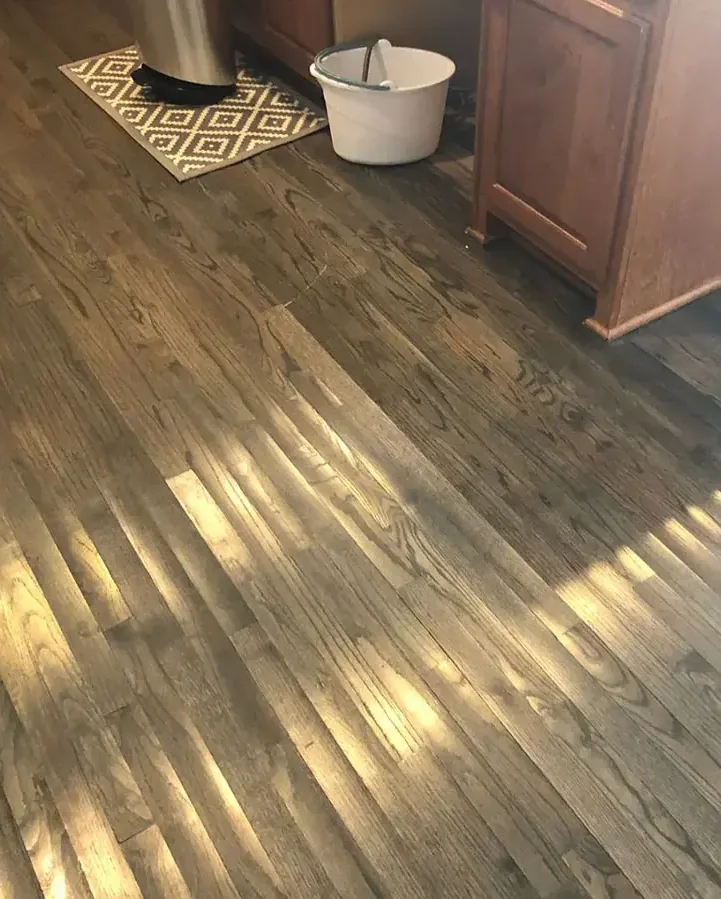
A wood floor can change shape while its surface looks nearly dry. Moisture may remain beneath the boards, at an adjoining threshold or in the material supporting the floor. Record raised edges, movement and the original water route before sanding or removing finishes. The restoration assessment should connect the visible board condition with measurements and access to the layers below, then explain which drying or repair options fit the actual assembly.
How hardwood floor water damage is handled
Compare board and substrate conditions
Inspect the visible shape changes and measure affected materials at useful locations. Check the water route and floor construction so the assessment includes the supporting layer rather than focusing only on the finished walking surface.
Choose suitable moisture access
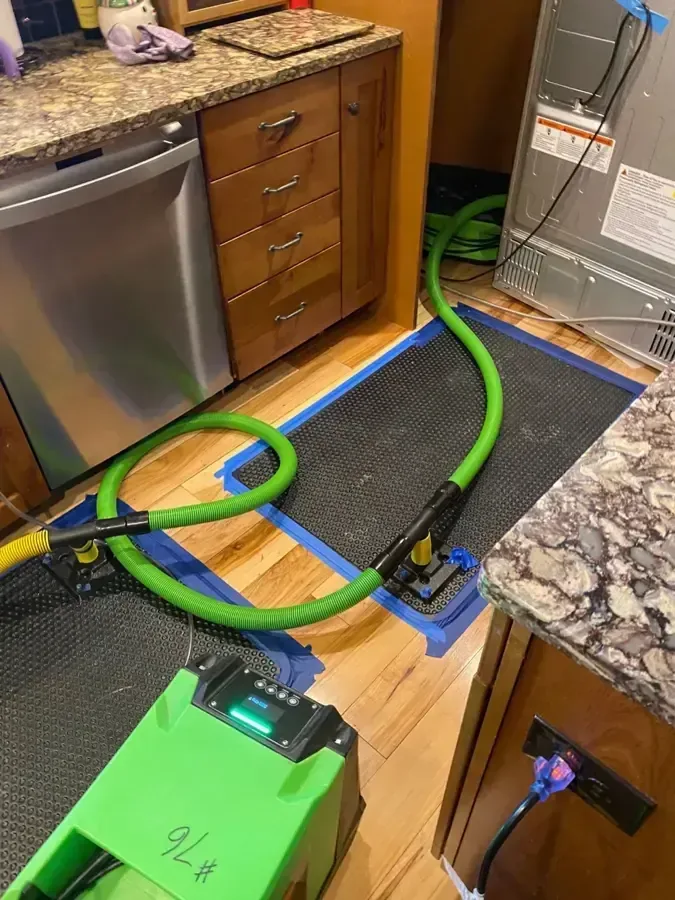
Evaluate whether drying can reach the wet assembly through available edges or exposed areas. Explain any removal needed for damage or access, and preserve photographs of board condition before the floor layout changes.
Monitor the assembly response
Track moisture trends alongside movement, attachment and finish condition. Adjust the drying approach where concealed layers remain wet, and keep source repair findings in view when a section shows little improvement or receives new water.
Coordinate flooring repair decisions
Summarize retained areas, removed sections and the substrate assessment for the flooring contractor. Check any remaining trim or cabinet access needs so replacement and refinishing follow the completed drying work and the observed condition of the assembly.
Follow the release across the board layout
For a Winchester room near the Griffin Museum of Photography, Winchester Center or Wedgemere, describe the affected floor rather than assuming a particular local construction style. Identify where water arrived, how far it spread and whether cabinets or thresholds interrupt access. A dishwasher release, overhead drip and pipe failure can each wet a wood floor differently, even when the resulting board edges look similar.
Inspect connected rooms and the perimeter around fixed furniture. Water can follow seams beneath a finish and collect at a lower point outside the original puddle. Measurements should compare the affected wood with appropriate surrounding areas and consider the supporting layer. The drying arrangement needs to reach the moisture location, not just the most visibly distorted boards.
- Photograph cupping, lifted edges and finish changes before repair work alters the surface.
- Inspect doorway transitions where the wet assembly connects with another floor covering.
- Check accessible undersides or edges when the floor construction allows useful inspection.
- Identify cabinetry or trim that restricts access to wet layers beneath the boards.
- Record source repair findings so continued water is separated from residual floor moisture.
Water still spreading?
Changed wood boards need a careful look at the moisture beneath the surface. Describe the release, raised edges and fixed finishes around the room so drying access and the eventual flooring repair can be assessed together.
(888) 629-3140Check water affected wood flooringDecide what can remain before refinishing
Board condition, attachment and the underlying assembly all affect the decision. Some materials may be suitable for monitored drying, while damaged or inaccessible layers can require removal. A surface that has changed shape needs evaluation over time as moisture conditions change. Sanding too early can alter the profile before the assembly has been adequately assessed.
The appliance leak page explains concealed spread around kitchen or laundry equipment. Where water is still pooled, water extraction addresses collection before the floor assessment progresses. Coordinate these stages so a repaired appliance or replaced cabinet panel does not hide a wet edge that still needs access.
Keep the work area safe
The response team checks electricity, unstable surfaces and water contamination before opening wet materials. Household members keep children and pets away from affected rooms. A qualified electrician handles wet circuits. The cleanup crew sets containment when dirty water or debris could reach occupied space, then establishes a safe route for equipment and removed material.
Make the final floor decision with a complete record
Moisture trends and physical condition should be considered together. A reading alone cannot describe a loosened board, damaged finish or deteriorated supporting layer. Conversely, a dramatic edge change does not define every repair decision without examining the assembly. The owner should receive an explanation of the retained areas, removal boundaries and the reasons for each proposed treatment.
Keep the closing assessment with photographs and the source repair account. If replacement or refinishing is planned, the flooring contractor needs the condition of the substrate and retained boards, along with any openings or removed trim. The handoff should make clear which restoration tasks are complete and which finish decisions still depend on the floor's response after drying.
First decisions for hardwood floor water damage
Record the board changes
Photograph raised edges, gaps and surface discoloration from normal room access. Mark the observed wet boundary in notes so later assessment can compare the changed floor with the original release path and affected rooms.
Avoid early sanding decisions
Leave refinishing until the moisture and material condition have been evaluated. Removing surface wood before the assembly response is understood can complicate the eventual finish decision and obscure useful information about the water damage.
Report concealed restrictions
Describe fixed cabinets, thresholds and furniture that block access to the wet perimeter. Include the source repair status so the provider can plan inspection around remaining obstacles and any continuing water entering the floor layers.
Keep the floor accessible
Relocate small dry rugs or belongings from safe adjacent areas without dragging items across distorted boards. Leave loose or lifted sections undisturbed until their stability and the underlying material condition have been assessed.
What does hardwood floor water damage cost in Winchester, MA?
Hardwood floor cleanup in Winchester depends on board condition, underlying moisture and access around fixed finishes. These planning ranges describe restoration assessment and drying; replacement flooring, sanding and decorative finish work should be clarified separately in the estimate.
Limited accessible area
$1,200 to $2,400
- Localized board assessment
- Reachable wet perimeter
- Focused moisture tracking
Connected wood-floor rooms
$2,400 to $3,800
- Adjoining threshold checks
- Broader assembly monitoring
- Several affected surfaces
Concealed layered moisture
$3,800 to $5,500+
- Restricted substrate access
- Selective removal decisions
- Coordinated flooring handoff
Category of water, square footage, material class and drying delay shape the scope. water damage cost calculator gives an estimate only.
Hardwood floor water damage across Winchester
Requests around Manchester Road, Cross Street and the Shore Road area can identify affected wood rooms and transitions. Include fixed cabinetry, source repair findings and any visible board movement when describing the floor for assessment.
The same service nearby: hardwood floor water damage in Belmont, Arlington, Somerville.
Related water damage services in Winchester
Hardwood Floor Water Damage questions in Winchester, MA
Do cupped boards always need immediate replacement?
The decision depends on physical condition, attachment, moisture and the layers beneath the boards. A floor assessment should check those factors together and explain whether monitored drying or removal is appropriate. Avoid deciding from appearance alone before the source and the full assembly have been evaluated.
Why measure beneath a floor that feels dry?
Moisture can remain in the supporting layer or beneath the boards after the exposed face stops feeling wet. Those hidden conditions can influence the wood's response and the suitability of repairs. Measurements at accessible edges or undersides help connect the visible floor condition with the assembly below.
Can sanding begin while the boards are still changing?
Finish decisions should wait until the floor condition and moisture response have been assessed. Sanding removes material from the current surface profile, which may still change as the assembly dries. The restoration and flooring providers should coordinate around the retained wood and substrate before choosing the final repair approach.
What if water traveled beneath the kitchen cabinets?
Inspect the accessible cabinet edges and flooring perimeter to establish the hidden route. Fixed finishes can restrict drying access and may need coordinated opening or movement. The scope should explain why that access is needed and how it relates to the moisture beneath the affected wood floor.
How is a loose board different from a wet board?
Moisture readings describe one part of the condition, while attachment and physical integrity describe another. A board can require repair because it is loose or damaged even after moisture declines. The assessment should document both the material response and the visible defects when explaining what can remain.
What should the flooring contractor receive after drying?
Provide the affected area photographs, source repair findings, retained material assessment and removal boundaries. Include any remaining substrate concerns or restricted access near cabinetry and thresholds. That information allows replacement or refinishing decisions to reflect the actual assembly left after restoration rather than only the appearance of its surface.
Arrange a wood floor moisture assessment
Keep refinishing decisions connected to the retained board condition and the layers below the finished surface.
(888) 629-3140Discuss the floor assembly condition